
Medium Frequency Furnace Maintenance Tips for Maximum Efficiency
July 24, 2026
Maintaining your induction melting equipment properly transforms operational performance and extends equipment lifespan significantly. A well-maintained medium-frequency furnace delivers consistent energy efficiency, reduces unexpected downtime, and ensures molten metal quality remains high across every production cycle. Systematic maintenance protocols address critical issues before they escalate, including coil integrity, cooling system performance, power supply stability, and crucible condition. Strategic upkeep protects your investment while optimising the thermal efficiency and production throughput that modern metallurgical operations demand.
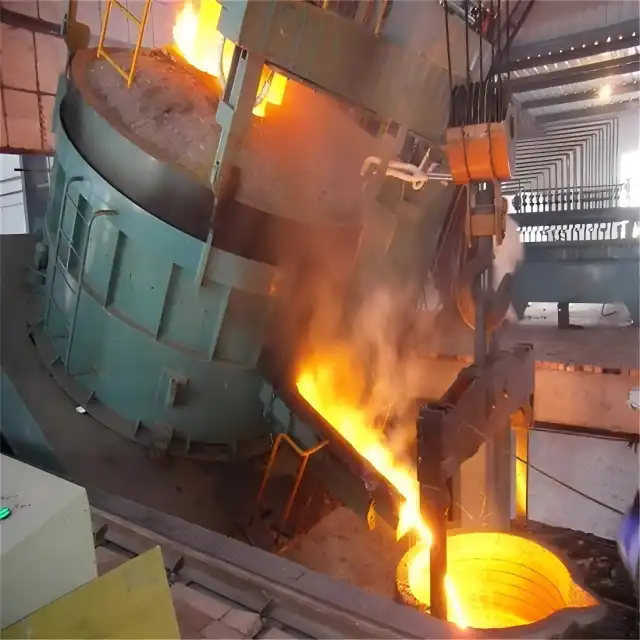
Maintenance Fundamentals of Medium-Frequency Furnaces
Understanding Core Components and Their Function
Induction heating systems depend on parts that are linked to each other and work well together. The pot holds liquid material and is under a lot of heat stress. The induction coil creates an electromagnetic field around it that goes through metal charges and heats them quickly. Whether the power supply is IGBT- or thyristor-based, it converts normal electrical current into a medium-frequency furnace output that can be adjusted. The water cooling system keeps the coil safe from heat damage while it is running all the time.
During routine maintenance, each part needs its own specific care. Knowing how these parts work together helps support teams figure out why performance is going down. Your furnace works within very specific limits, with temperatures ranging from 1400°C to 1700°C and power outputs ranging from 20kW to 500kW. This means that the dependability of its parts is essential for safe, effective production.
The Business Case for Preventive Maintenance
When you don't do regular repairs, problems start to pile up and hurt your bottom line. Unplanned shutdowns throw off production plans, delaying deliveries to customers and raising labour costs while workers wait for fixes. Degraded parts need more energy to reach goal temperatures, which drives up monthly operating expenses. Poor upkeep can also lower the quality of the melt, which can cause more scrap and customer complaints.
Structured maintenance programmes, on the other hand, give measurable returns. Facilities that use comprehensive schedules report 15–25% less energy use than those that use poorly maintained equipment. Replacing planned parts during planned downtime costs a lot less than repairs that need to be done right away. The most important thing is that regular repair makes furnaces last longer, which means that big capital purchases can be put off while output stays competitive.
Common Maintenance Challenges and How to Address Them?
Diagnosing Cooling System Failures
Most of the time, problems with the cooling system cause unexpected furnace shutdowns. Scale buildup in water-cooled coils stops flow, which makes heat transfer less effective and creates hot spots that hurt copper wires. We've seen sites where bad handling of water quality meant that the coils had to be replaced completely within 18 months, which would have cost more than $45,000, and wasn't necessary.
You can avoid these problems by treating the water properly. Use deionised or distilled water to keep the cooling water's conductivity below 200 µS/cm. Put in flow meters and temperature monitors to find problems early on. Visually inspect the hose connections once a week and test the pressure once a month to find leaks before they damage the coil. It's better to replace cooling hoses on a regular basis than to wait until they break, since leaking hoses can flood electrical parts and pose safety risks.
Managing Refractory Lining Degradation
The lining of the furnace goes through many changes in temperature and is attacked chemically by the molten metal. Erosion from rough metal flow, thermal shock cracking, and chemical infiltration, weakening the refractory structure, are some of the ways that linings can fail. If you can spot early danger signs, you can change the lining during planned repair windows instead of having to shut down in an emergency.
Use ultrasonic measurement or thermal imaging to monitor lining thickness and identify any thin spots. Record how many heats were used and how much material was melted since the installation. Depending on the conditions, most linings need to be replaced after 150 to 300 heats. Don't do things that speed up lining wear, like overheating melts or adding wet charge materials that cause steam bursts inside the refractory.
With our quick-change lining method, replacing is done in less than two hours, which has the least possible effect on production. This method uses pre-formed inner pieces that are precisely the right size for your crucible. This cuts down on the time needed for standard ramming and sintering. Maintenance teams like that find it's easier on their bodies and takes less time than traditional ways.
Addressing Electrical Component Deterioration
As the power supply operates normally, its parts slowly break down. Over time, capacitors lose capacitance, which lowers the power factor and raises the reactive power demand. As thyristors and IGBTs become older, they experience higher forward voltage drops. This phenomenon makes them hotter and less efficient at converting electricity. Over time, oxidation happens at connection points, which raises resistance and lowers voltage.
When the equipment is brand new, take readings of its input voltage, current draw, power factor, and harmonic distortion levels to set a standard. Every three months, readings show problems forming before they become major. Thermal imaging finds parts that are getting too hot, and insulation resistance testing finds insulation that is breaking down before short circuits happen.
Keep spare parts for critical items that take a long time to arrive. Keeping spare capacitor banks, power modules, and control boards on hand reduces the time you spend waiting for parts to arrive. Talk to the company that sold you the equipment to ensure that any new parts you buy are original and of equal quality and safety to aftermarket versions.
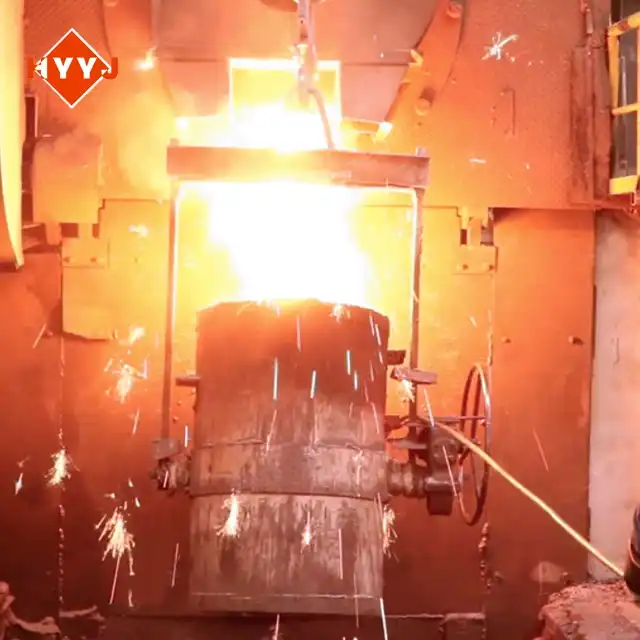
Step-by-Step Medium Frequency Furnace Maintenance Checklist
Daily Operational Inspections
Performing routine checks at the start of each shift keeps small issues from growing into big ones. Operators should ensure that the flow rates and temperatures of the cooling water stay within normal ranges. Sudden changes could mean that restrictions are developing or that there are problems with the pumps. While it's running, listen for strange sounds. Bearing wear or loose links can make these sounds before they completely break.
Check all the electrical connections that you can see for signs of overheating, such as insulation melting or changing colour. Check for leaks in hydraulic systems and ensure that pressure gauges read properly. Write down any unusual things that happen in maintenance logs so that you can keep track of growing trends that might not seem important at first, but show that parts are wearing out over time.
Weekly and Monthly Preventive Tasks
Cleaning and checking are the main tasks of weekly maintenance. Use dry compressed air to get rid of dust and other debris from electrical cabinets. This is important because buildup makes insulation paths for electrical problems. Test the emergency stop circuits and door switches to ensure that all of the safety interlocks work properly. Visually inspect the refractory lining for cracks or erosion, and at set tracking points, measure the thickness.
As part of the monthly tasks, temperature controls and power measurement instruments are checked for accuracy and calibration. Check backup systems to make sure they work right when the main system fails. Using the manufacturer's instructions, grease any moving parts. Test the induction coil's insulation resistance. Readings that are regularly above 2 MΩ show that the insulation is in satisfactory shape.
These regular tasks are what make a facility reliable. Facilities that stick to these schedules have 40% fewer unplanned shutdowns than facilities that don't always do their maintenance. Spending time on preventive maintenance pays off by increasing availability and reducing the cost of emergency repairs.
Annual Comprehensive Overhauls
Plan long periods of downtime once a year to do a full system check and repair any broken parts. This includes taking the whole induction coil assembly apart so that you can inspect the condition of the conductors and turn-to-turn insulation in great detail. Replace the crucible lining, no matter how good it looks, because internal weakening may not be seen but raises the risk of failure in the next year.
All electrical systems should be put through high-potential tests to ensure that the protection stays strong under stress. Take the power source apart and examine each part. Replace any capacitors or cooling fans that have hit the end of their useful lives. Make sure that all of the mechanical bolts are still tight, since vibrations during use can slowly loosen connections. Update the program for your computer system to the most recent version. Newer versions may speed gains or bug fixes.
Comparative Insights: Maintenance Considerations vs Other Furnace Types
Evaluating Total Maintenance Burden
When choosing melting equipment, it's important to look at both the purchase price and the yearly upkeep needs. Electrodes used in electric arc furnaces need to be replaced often; 3–5 kg of electrodes are used for every tonne of steel that is melted. This leads to ongoing costs for materials and labour, which electromagnetic heating in induction systems completely avoids.
High-frequency induction furnaces work above 10 kHz and can melt materials quickly for small charges. However, they need more complicated power systems that have a higher failure rate for parts. The higher frequency causes more electromagnetic interference, which needs a lot of shielding. Medium Frequency Furnaces work between 150 Hz and 10 kHz and use tried-and-true power conversion technology and easier electromagnetic management to balance performance with dependability.
Maintenance-Friendly Design Features
Modern induction heating equipment includes features that simplify upkeep. The modular design of the power supply lets you change out individual converter sections without affecting the whole system. Cooling water lines have quick-disconnect fittings that make it easy to quickly take out the coil for inspection or repair. With digital displays and fault logging, diagnostic systems help maintenance technicians find problems quickly, without having to do a lot of troubleshooting.
Our furnace designs put a lot of emphasis on making parts easy to get to so that they can be inspected and serviced. Control screens that are mounted at comfortable heights and have clear labels and a sensible layout are easier to use. These seemingly small details have a big effect on how well maintenance is done, cutting down on service time and technician frustration during repairs.
When choosing tools, you should look at both how easy it is to maintain and how well it works. Even if the equipment is cheaper to buy, equipment that is hard to repair costs more over time. When making purchases, people should carefully consider these factors and talk to support teams who will actually do the work, instead of just reading sales literature.
Leveraging Technology and Supplier Support for Maintenance Excellence
Implementing Predictive Maintenance Technologies
Maintenance goes from being reactive to being proactive with the help of advanced monitoring systems. Temperature sensors all over the cooling system can find hot spots before they do any damage. Vibration monitors on pump systems find early signs of bearing wear. Power quality analysers constantly check electrical factors and notify workers when readings change too much or too little.
IoT connections let equipment manufacturers and specialised service providers keep an eye on things from afar. Before they have to go to the site, specialists can look at operating data, spot problems that are starting to happen, and suggest ways to fix them. This method lets your operators' daily knowledge of the equipment work together with the engineering knowledge of the supplier to make better maintenance plans than either could make on their own.
Data logging creates baselines of past performance that show how things have been getting worse over time, and that you can't see by hand. Efficiency losses can be found by comparing the current power use to trends for similar output loads over time. Keeping track of the life of refractory linings over multiple repair rounds helps you choose the best lining materials and install them in the best way for your unique working conditions.
Building Strategic Supplier Relationships
Suppliers of equipment offer support services that go far beyond the initial installation. Good makers give complete training programs that cover how to use the equipment, do regular maintenance, and resolve problems. Technical help hotlines offer expert advice when problems arise out of the blue, which could keep small problems from turning into long shutdowns.
Setting up preventative maintenance deals with suppliers will make sure that your internal maintenance activities are complemented by regular checks by experts. Technicians who are familiar with certain types of equipment can spot problems before they get too bad, which is something that generalist maintenance staff might miss. These partnerships also make sure that genuine replacement parts are easy to find, so you don't have to worry about getting fake parts that don't work or are unsafe.
We keep a large stock of replacement parts for furnace linings, induction coils, and important electrical parts. Standard configurations ship between 15 and 20 days, while custom designs take 30 to 45 days after the order is confirmed. This flexible supply chain keeps your inventory costs low while giving you quick access to parts when you need them for planned maintenance or fixes that come up out of the blue.
Safety Best Practices During Medium-Frequency Furnace Maintenance
Electrical Safety Protocols
Voltage and current levels in induction melting devices are very high, so they need to follow strict safety rules. Never do repairs on equipment that is still powered on; always follow lockout/tagout procedures that have been checked by more than one team member. Discharge capacitor banks using the right grounding steps, because stored energy is still dangerous even after the power is turned off. Before touching any electrical parts, use standardised test tools to check that there is no voltage.
To do electrical work, you need trained workers who have had the right training and are certified. Keep your facility's arc flash analysis up to date and ensure that the personal protective equipment you use meets the calculated amounts of danger. Instead of settling for "good enough" protection that fails when it's needed most, replace broken or worn-out PPE right away.
Regular safety audits by outside inspectors identify risks that employees may miss because they are too familiar with them. These objective reviews strengthen safety programs and demonstrate a commitment to protecting workers, which both safety-conscious workers and insurance companies value.
Thermal and Chemical Hazards
Molten metal poses a serious risk of burns that remains the same while repair work is being done. Allow enough time for furnaces to cool down before opening them up for an inspection—residual refractory heat is still dangerous hours after the furnace has been turned off. Instead of depending on sight or touch, use the right thermal imaging to make sure temperatures are safe.
If you work with refractory materials, ensure you protect your lungs because the dust they contain contains crystalline silica and other dangerous chemicals. Follow environmental rules when getting rid of used lining materials, since metal leakage can create toxic waste that needs special care. Keep full material safety data sheets for all the chemicals and materials you use in maintenance tasks.
Fire suppression tools, eye wash stations, and first aid materials should all be easy to access to in case of an emergency. Hold regular drills to ensure that everyone on staff knows what to do in an emergency and how to get out of the building. Record all incidents, no matter how bad they are, and look for the root causes to stop them from happening again by making changes to processes or tools.
Conclusion
Working with experienced equipment suppliers makes maintenance more efficient by providing expert help, making genuine parts easier to find, and allowing for more advanced diagnostics. Putting money into safety programs and user training saves your workers and makes sure that the equipment always works right. Together, these efforts have measurable benefits, such as lower running costs, longer equipment life, and competitive output skills that help a business succeed in the long term.
FAQ
How often should I perform maintenance on my induction melting equipment?
Every time a shift starts, visual inspections and checks of operational parameters should be done every day. As part of weekly chores, you may need to clean electrical boxes and check the safety systems. As part of its monthly preventive maintenance, the machine is checked for calibration, oiled, and all of its parts are carefully inspected. Every year, a full repair is done, which includes taking the whole system apart, checking it, and replacing parts that have reached the end of their useful lives. This layered approach strikes a balance between the need for maintenance resources and the need for reliable equipment.
What signs indicate my equipment needs immediate service attention?
Watch for rapid changes in the flow or temperature of the cooling water, strange noises while the machine is running, or visible damage to the electrical wiring. Problems are starting to show up when the power factor goes down, energy use goes up for the same amount of work, and safety devices trip more often. If you act quickly on these warning signs, small problems won't get worse and cost a lot of money or require a lot of downtime for emergency fixes.
How does proper maintenance improve energy efficiency?
When you take good care of equipment, it works at its optimal level, maximising heat efficiency and reducing energy waste. Clean cooling circuits keep heat transfer at its best, which stops overheating and lowers the efficiency of electricity. Power circuits that work properly keep the power factor high, which lowers reactive power costs. When refractory linings are intact, they act as good insulation and keep heat from escaping. Comprehensive maintenance programs usually help facilities save 15 to 25 per cent of the energy that the same equipment would have used if it hadn't been maintained properly. This makes the facilities more competitive in terms of operating costs.
Maximize Your Furnace Performance with Shaanxi Heyuan Support
Shaanxi Heyuan New Metallurgical Electric Furnace Equipment Co., Ltd. can help you with your induction melting repair problems because they are experts in the field. Since 2008, we've been a major manufacturer of Medium Frequency Furnaces. We've put over 400 boiler systems around the world and provided full support for their entire working life. Our maintenance programs include genuine spare parts, expert technical advice, and quick response service to keep your production running as smoothly as possible. Get in touch with our team at sxhyyj606@163.com to talk about custom repair plans that fit your tools and business needs. You can explore our full line of metallurgical solutions at hyyjfurnace-supply.com, all backed by ISO certifications and proven performance. Work with Heyuanxin to turn repair from a cost to your business into a competitive edge.
References
1. Zhang, L., & Chen, M. (2021). Industrial Induction Heating: Equipment Design and Maintenance Best Practices. Metallurgical Engineering Press.
2. Thompson, R. J. (2020). Predictive Maintenance Strategies for Medium-Frequency Induction Furnaces. Journal of Manufacturing Technology, 45(3), 178-194.
3. Kumar, S., & Patel, D. (2022). Energy Efficiency Optimisation in Induction Melting Systems. International Institute of Foundry Technology.
4. Williams, E. A. (2019). Safety Management in High-Temperature Industrial Processes. Occupational Health and Safety Publication.
5. Anderson, T., & Liu, H. (2023). Comparative Analysis of Melting Technologies: Maintenance and Lifecycle Costs. Industrial Equipment Review, 38(2), 89-107.
6. Morrison, K. (2021). Refractory Materials and Lining Maintenance for Induction Furnaces. Advanced Materials in Metallurgy Conference Proceedings.


YOU MAY LIKE