
Energy-Efficient Industrial Refining Furnace for Modern Foundries
July 24, 2026
Modern foundries demand sophisticated metallurgical solutions that balance operational efficiency with environmental responsibility. An industrial refining furnace represents a critical investment in secondary steelmaking and non-ferrous metal processing, designed to purify molten metal after initial melting. Unlike primary melting equipment, these systems focus on removing impurities such as sulphur, phosphorus, dissolved gases, and non-metallic inclusions while precisely adjusting alloy composition. Energy-efficient models integrate advanced thermal management, automated control systems, and optimised heating patterns to minimise power consumption while maximizing metal quality—addressing the dual challenges of rising energy costs and stringent emission regulations facing metallurgical operations today.
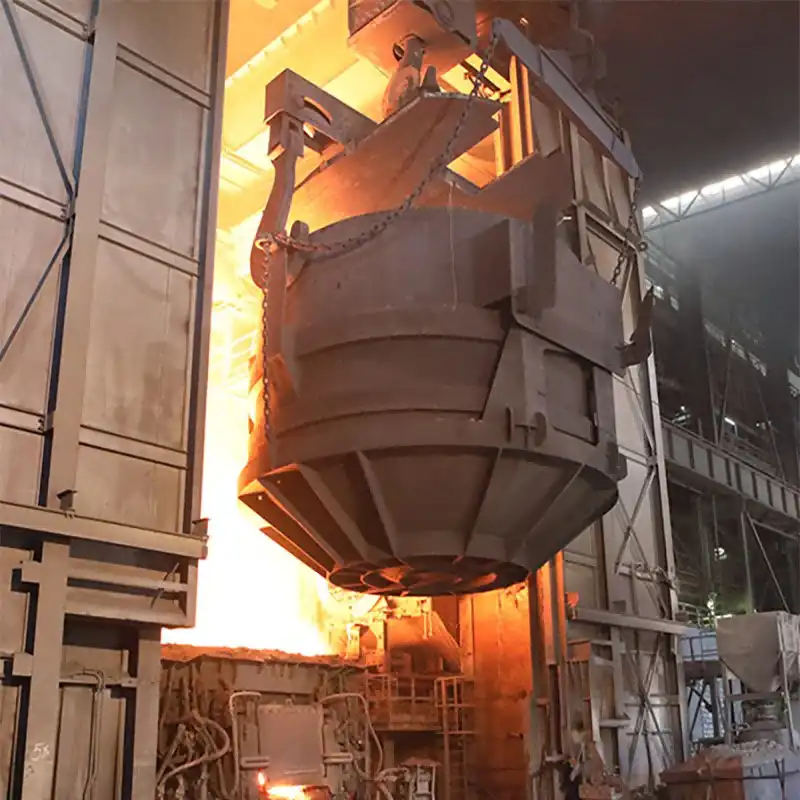

Understanding Energy-Efficient Industrial Refining Furnaces
Core Operating Principles and Energy Dynamics
An Industrial refining furnace runs on molten metal, going through a chemical change in a controlled temperature environment. For steel uses, these systems keep temperatures between 1500°C and 1700°C, and for aluminium and copper alloys, they keep temperatures between 700°C and 900°C. They also control the makeup of the air to make desulfurisation, deoxidation, and degassing easier. There are several ways that energy efficiency can show up: better refractory insulation lowers heat loss; electromagnetic induction heats specific areas without burning any fuel; and automatic power regulation stops energy waste during processing cycles. The difference between traditional designs and energy-efficient ones usually means that 15 to 30 per cent fewer kilowatt-hours are used per tonne of refined metal.
Quantifiable Benefits for Modern Operations
Using energy-efficient equipment for refining has measurable benefits that go beyond saving money on utility costs. Foundries use fewer electrodes in electric arc configurations, refractory linings last longer because the thermal profiles are more stable, and the process is more consistent, which lowers the amount of scrap. Environmental compliance is possible because using less energy directly leads to a smaller carbon footprint, which is becoming a more common legal requirement across all areas. Shaanxi Heyuanxin's systems show impurity reduction rates higher than 99.5% while keeping component fluctuation rates within ±0.05%. This case shows that efficiency and mechanical performance work hand-in-hand.
Furnace Type Comparison for Optimal Selection
Different refining methods are more or less efficient in different ways, depending on the purpose. Because they use electromagnetic heating instead of combustion, induction furnaces are better at processing non-ferrous metals, but they cost more to buy at first. Ladle furnace systems are a cheap way to improve the quality of steel while continuous casting is going on. They use gas to mix the steel evenly. Vacuum refining furnaces can make speciality metals with very little hydrogen, but they need extra energy to run the vacuum system. When choosing how to set up tools, procurement teams should weigh these trade-offs against output volumes, metal grades, and current infrastructure.
Optimizing Performance: Maintenance and Operational Best Practices
Systematic Inspection Protocols
Schedules for preventative maintenance are the basis for long-term energy efficiency in refining operations. Laser measurement technology should be used for regular checkups to check the thickness of the refractory lining and find wear patterns before they cause a catastrophic failure. Every three months, thermal imaging of electrical lines is needed to find resistance spikes that waste power. To keep the pressure below 67 Pa and protect the metal from re-oxidation, which is bad for both quality and process efficiency, vacuum systems need to be tested for helium leaks. These proactive steps make equipment last longer while keeping the energy-saving features that make the initial investment premiums worthwhile.
During times of stable production, operators should write down baseline measures for energy use. This will set standards against which performance degradation can be seen. Deviations of 10% or more mean that maintenance needs to be done before major problems happen and stop production schedules.
Troubleshooting Common Operational Challenges
Temperature changes greater than ±5°C could mean that the control system isn't working right or that the refractory is breaking down. This needs to be fixed right away. Incomplete degassing is usually caused by not enough vacuum or problems with the flow of argon, not by basic equipment problems. In arc-based systems, electrode consumption rates that are higher than what the manufacturer recommends could mean that the impedance control isn't working properly or that the electrode materials are dirty. Through our expert service network, Shaanxi Heyuanxin offers full troubleshooting support, which cuts down on diagnostic time and speeds up the return to optimal working conditions.
Safety Compliance and Personnel Training
In addition to the usual metalworking dangers, energy-efficient types add new safety concerns. Cybersecurity procedures are needed to keep people from getting into automated control systems without permission, which could risk the safety of the process. To keep coolant leaks from causing steam explosions, ASME Section VIII standards say that water-cooled parts must be tested for hydrostatic pressure. Comprehensive operator training programs should teach both how to handle emergencies and how to use features that make things run more efficiently, such as automatic power modulation. As part of our installation services, we give your team hands-on training to make sure they get the most out of the equipment while still following strict safety rules.
Comparing Industrial Refining Furnaces: Making the Right Choice
Design Variations Between Refining and Melting Systems
It is important to know the difference between melting furnaces and Industrial refining furnaces when making decisions about what to buy. Equipment for melting focuses on quickly raising the temperature and getting a lot of work done, changing solid fuel into a liquid state. Fine-tuning the atmosphere, mixing, and adjusting the chemicals of already-molten materials are important parts of refining systems. Because of this, certain parts of the design are affected: for example, refining furnaces have complex gas injection systems for argon stirring or oxygen lancing, tanks that can be vacuumed for degassing purposes, and refractory materials that are better at resisting slag than pure thermal shock. When you try to switch from one category to the other, you get less-than-ideal metallurgical results and waste energy.
Evaluating Fuel Sources and Automation Integration
Choosing an energy source has a direct effect on both the costs of running the business and its ability to be efficient. Electric systems are better for foundries in cities because they can precisely control the temperature and run more quietly. However, you should be aware that the price of energy changes often, so this is something to keep in mind. Natural gas alternatives are cheaper per BTU in places where there is a lot of supply, but they make combustion less efficient and control of emissions more difficult. When you combine induction preheating with arc refining, you get the best energy rates at each stage of the process. By adjusting the power in real time based on feedback from the melt temperature, using predictive maintenance algorithms to plan maintenance work for planned breaks, and managing recipes to make sure that all production batches have the same metallurgical results, automation integration makes efficiency gains even bigger.
Capacity Scaling and Customization Options
Foundries need to make sure that the capacity of their furnaces matches the volume of work they need to do, so they don't lose efficiency because their equipment is too small or too big. Systems with capacities from 5 tonnes to 50 tonnes can handle a wide range of operating sizes, and customisation choices make it easy to add on in the future. Shaanxi Heyuanxin specialises in custom setups that work with specific metalworking processes. For example, high-purity copper for electronics needs to be 99.99% pure, and automotive-grade steel needs to have an ultra-low carbon content of less than 30 ppm. Our tech team looks at your production plan and suggests choices for capacity and features that will protect the value of your investment over the long term.
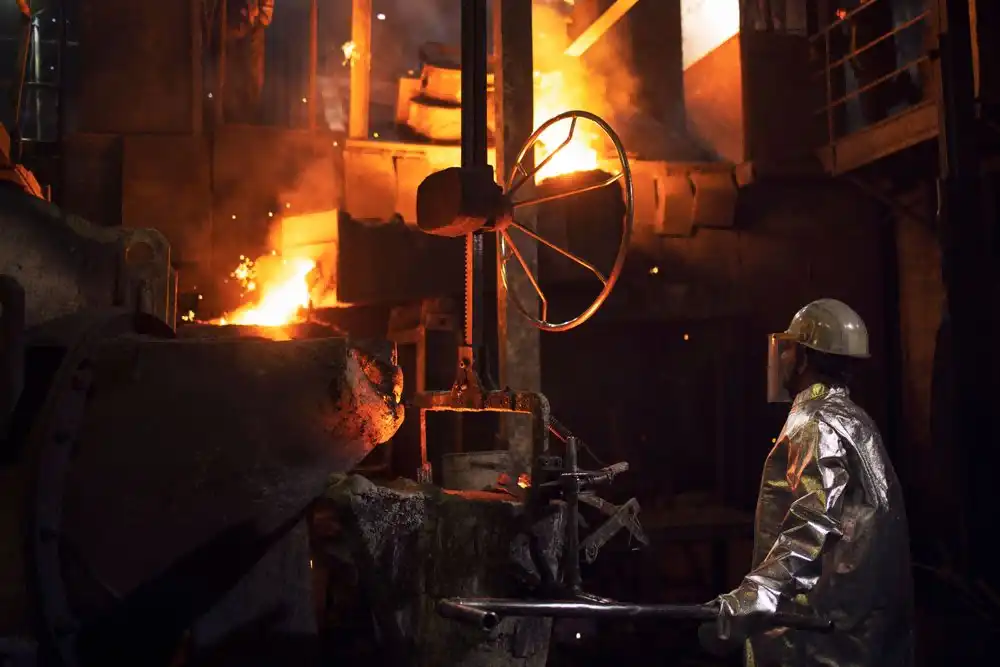
Procurement Guide for Energy-Efficient Industrial Refining Furnaces
Budget Considerations and Financial Modeling
The economic value of energy-efficient systems can be seen by looking at the total cost of ownership instead of just the buying price. A lifecycle study should include how much energy is used at the expected output levels; how often maintenance is done and how much the parts cost; how often the refractory lining should be replaced; and the value that is left over after the planned service life. Higher-efficiency models that cost 20–30% more usually pay for themselves in 24–36 months just by saving money on utility bills. It's better to keep your cash safe with leasing agreements, which are great for projects that need to increase capacity. On the other hand, ownership models give you more long-term freedom to change processes and buy new tools.
Supplier Evaluation Criteria
Beyond the equipment specs, there are other factors to consider when choosing an Industrial refining furnace maker. Check the manufacturer's certifications, such as ISO 9001 for quality management and ISO 14001 for environmental standards, which confirm that the manufacturing process is controlled in a planned way. Intellectual property portfolios that show active innovation—Shaanxi Heyuanxin has more than ten utility model patents for mining equipment—show technical know-how and a commitment to ongoing development. After-sales service infrastructure is very important; look at reaction time guarantees, where spare parts are kept, and how easy it is to get expert help. Our company keeps detailed service records on more than 400 installations around the world. These records show you how reliable our services are, which gives you confidence in your purchase.
Real-World Implementation Success
A steel mill in North America updated to more energy-efficient ladle furnaces, which cut the amount of kilowatt-hours used per heat by 22% and made temperature consistency better, to ±3°C. This saved $340,000 a year in energy costs and cut electrode costs by 18%, giving a return on investment (ROI) in just 28 months. A company that makes copper alloys added vacuum degassing, which cut the hydrogen content from 8 parts per million to less than 2 parts per million and got rid of porosity-related casting rejections that were costing them $120,000 a year. These results show that smart investments in tools have measurable benefits beyond just saving energy.
Future Trends and Innovations in Industrial Refining Furnaces
Emerging Technologies Driving Efficiency Gains
New technologies are making things more efficient. Metallurgical refining is still being changed by advances in automation and process optimisation with artificial intelligence. Machine learning systems look at past data to figure out what the best refining conditions are for each type of metal. They do this by automatically changing the power levels, stirring strength, and treatment time. Internet of Things sensors allow for remote repair and tracking, finding patterns of component wear weeks before they break. When foundries connect to a smart grid, they can change operations that use a lot of energy during off-peak price times. This lets them save money on utility costs without affecting production plans. These technologies show how equipment has changed from being separate assets to being part of a production ecosystem.
Material Science Advancements
New refractory materials with ceramic fibre composites and improved bonding agents make linings last 40 to 50 per cent longer and insulate better against heat. More research into optimising electromagnetic fields could lead to more efficient induction coupling, which would mean less power is needed for the same heating rates. In arc-based systems, usage rates are lowered by electrode materials that are more resistant to oxidation. Shaanxi Heyuanxin works closely with metals research institutions to add new ideas as they become commercially viable. This makes sure that our equipment has the most up-to-date features.
Regulatory Landscape and Sustainability Planning
Emission standards are getting stricter around the world, and new rules are being considered that would target both direct emissions from burning fuel and indirect emissions from using electricity. Foundries should plan ahead for the need to build equipment that meets the ideals of the circular economy, carbon capture, and green energy sources. Working with companies that offer ways to improve their products to meet environmental standards saves investments from becoming useless because of new rules. Our design theory focuses on modular building, which lets you add new emission control technologies without having to update all of your equipment. This keeps your working flexibility as standards change.
Conclusion
Choosing and using Industrial refining furnace energy-efficient metallurgical equipment strategically sets a company's place in markets that are becoming more cost-conscious and concerned about the environment. Modern systems have two benefits: they save money right away because they use less energy, and they also last longer because they are built to meet regulations and work better with metals. To make a procurement choice, you have to weigh technical requirements, the supplier's abilities, the total cost of ownership, and the ability to change in the future. Shaanxi Heyuanxin's all-around approach, which includes customised planning and lifetime support, puts your business in a good position to meet the production needs of today while also getting ready for how the industry will change in the future.
FAQ
What temperature ranges do refining systems typically operate within?
The temperatures used depend on the type of metal and the goals of the refining process. For steel applications, desulfurisation and inclusion removal are usually most effective at temperatures between 1500°C and 1700°C. Lower temperatures, between 700°C and 900°C, are used to work with aluminium and copper alloys. Precise control at these temperatures stops oxidation and complete degassing. Speciality uses, like vacuum arc remelting, can go up to 1800°C. Temperature precision of within ±5°C is necessary for reliable metalworking results and to get the most out of energy usage.
How can foundries maximise energy savings during refining operations?
Using systematic practices can increase performance even more than what is specified by the tools. If you can, plan activities that use a lot of energy for times when electricity prices are lower. Preventive inspections are important to keep the refractory in good shape because worn-out linings cause a lot of heat to escape. Make sure that the batch size is right for the furnace's ability to avoid the energy losses that come with half loads. Instead of using set power profiles, use automatic control systems that change the power based on real-time thermal input. These operational standards add to the efficiency of the tools themselves.
Should operations purchase or lease refining equipment?
The optimal financial structure depends on your specific situation. Purchasing has long-term cost benefits for businesses that are already up and running, have stable production volumes, and have access to capital. Leasing helps businesses that want to grow by keeping their operating capital and growing their capacity or joining new markets. It may also help them with their taxes. Flexible leases with choices to buy at the end of the lease strike a good balance between the benefits of renting and owning. When planning how to make an acquisition, you should think about how you will allocate your cash and how your output will go.
Partner with Shaanxi Heyuan for Advanced Metallurgical Solutions
To get cutting-edge refining technology for your foundry, you need a reliable Industrial refining furnace provider with strong engineering skills and a wide range of support services. Shaanxi Heyuanxin Metallurgical Electric Furnace Equipment Co., Ltd. has been designing, making, and fixing metallurgical systems for tough jobs around the world for more than 15 years. Our customisable solutions, which have capacities ranging from 5 tonnes to 50 tonnes and power ranges from 100 kW to 500 kW, reduce impurities by more than 99.5% while maintaining strict compositional tolerances. Get in touch with our technical team at sxhyyj606@163.com to talk about your specific refining needs and find out how our tried-and-true systems can improve your production environment's operational efficiency and metal quality.
References
1. American Society of Mechanical Engineers. ASME Boiler and Pressure Vessel Code Section VIII: Pressure Vessel Design Standards. ASME International, 2021.
2. Ghosh, Ahindra, and Chatterjee, Amit. Ironmaking and Steelmaking: Theory and Practice. PHI Learning Pvt. Ltd., 2008.
3. International Organization for Standardization. ISO 13579: Industrial Furnaces and Associated Processing Equipment—Method of Measuring Energy Balance and Calculating Efficiency. ISO Standards, 2013.
4. Kruger, David. "Energy Efficiency in Electric Arc Furnace Steelmaking." Iron & Steel Technology, vol. 15, no. 8, 2018, pp. 56-67.
5. Toulouevski, Yuri N. and Zinurov, Ilyaz Y. Innovation in Electric Arc Furnaces: Scientific Basis for Selection. Springer-Verlag, 2013.
6. Worrell, Ernst, and Biermans, Gert. "Move Over! Stock Turnover, Retrofit and Industrial Energy Efficiency." Energy Policy, vol. 33, no. 7, 2005, pp. 949-962.


YOU MAY LIKE