
Where to Buy an Electrotherm Induction Furnace?
July 23, 2026
When searching for reliable industrial melting equipment, sourcing an authentic Electrotherm induction furnace requires partnering with certified manufacturers who offer comprehensive solutions—from design through commissioning. For metallurgical plants, steel mills, and foundries in the United States, working with specialised suppliers like Shaanxi Heyuanxin Metallurgical Electric Furnace Equipment Co., Ltd. provides access to high-performance induction systems supported by proven engineering expertise, ISO certifications, and 24/7 technical support designed for demanding production environments.
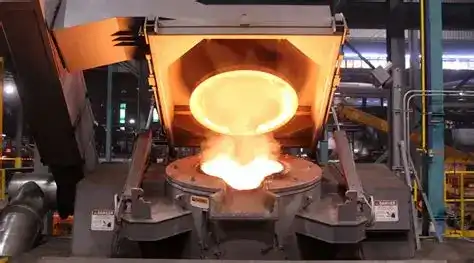
Understanding Electrotherm Induction Furnaces: Basics and Benefits
Electromagnetic induction technology transforms how modern foundries and steel plants approach metal melting. Unlike conventional resistance or fuel-fired systems, Electrotherm Induction Furnaces generate heat directly in the metal charge itself using powerful eddy currents created by alternating magnetic fields.
How Electromagnetic Induction Works in Metal Melting?
The main mechanism uses a water-cooled copper coil and a refractory crucible. High-frequency alternating current passing through this coil creates a rapidly shifting magnetic field. This field causes electrical currents in the conductive metal charge, resulting in severe localised heat through resistive losses. The technique removes heat source-material contact, creating clean melting conditions.
Temperature regulation is precise within ±1°C using modern solid-state power control technology. In automotive component manufacture and speciality alloy fabrication, where metallurgical qualities depend on accurate temperature maintenance, heat treatment techniques needing perfect thermal profiles require this accuracy.
Energy Efficiency and Cost Reduction
Thermal efficiency above 82% represents a significant improvement over ordinary arc furnaces, which average 55-65%. Lower kilowatt-hour consumption per tonne of processed material results from this performance difference. Compared to prior melting processes, 50-tonne-per-day facilities can save 15-20% annually.
Rapid heating reduces preheating time, starting output in minutes. For job shops handling various customer orders, this responsiveness saves idle energy use and facilitates flexible scheduling to meet variable production demands.
Safety Features and Maintenance Protocols
Multiple levels of protection improve operational safety in modern induction systems. Fault detection circuits for ground issues remove power quickly if insulation fails, preventing electrical risks. Coil temperature monitoring prevents overheating, and interlock mechanisms stop operation if all safety guards are not properly positioned.
Due to the lack of electrodes, combustion components, and complex mechanical systems, maintenance is minimal. During production stops, operators normally check the refractory condition, coil water flow, and power supply components without much disruption.
This makes induction melting technology a promising option for manufacturing operations that prioritise efficiency, safety, and long-term cost management. The method is ideal for high-purity material processing facilities that cannot tolerate electrode or combustion product contamination.
Evaluating Electrotherm Induction Furnaces: How They Compare in the Market
Performance differentiation becomes evident when comparing electromagnetic induction systems against conventional melting alternatives available to metallurgical operations.
Performance Benchmarks Against Arc Furnaces
Electric arc furnaces have been used in steelmaking for decades, but induction technology solves their operating issues. Electrical discharge between graphite electrodes and metal charge causes arc system temperatures, exposing low-carbon steel production to carbon pickup. Suitable for stainless steel and speciality alloys with rigorous chemical composition control, induction heating avoids this contamination channel.
Batch operations processing 5-30 tonne charges favour induction systems because of their melt cycle times. While arc furnaces take 90-120 minutes to melt, induction units melt metal in 60-75 minutes and provide better temperature consistency. Speed advantage multiplies across heats each shift, improving throughput.
Energy Consumption and Environmental Impact
Induction melting SEC is consistently lower in comparative energy audits. At conventional pouring temperatures (1600°C for steel), Electrotherm Induction Furnaces use 380-450 kWh/tonne, whereas arc systems use 450-550. This efficiency comes from targeted energy transmission into the metal charge rather than heating the surrounding structures and environment.
Emissions profiles vary greatly. Particulate matter, carbon monoxide, and nitrogen oxides from fuel-fired furnaces are eliminated without combustion. Induction technology generates less fume than electric arc systems, lowering exhaust treatment needs and improving operational air quality.
Reliability and Service Support Considerations
North American and European foundry customers regularly emphasise equipment reliability as a key factor. Manufacturers of induction furnaces with complete support networks, including speedy spare parts availability and field service personnel, have higher customer satisfaction.
Automotive casting facility case studies show operational availability over 92% when paired with regional service infrastructure manufacturers. Supplier selection goes beyond equipment cost since reliability affects production planning and order fulfilment.
Analysing production numbers, batch sizes, and material types helps determine the required melting capacity. Job shops melting 2-5 tonnes of aluminium or bronze need 500kW systems, while steel production requires 1000kW+ machines for 10-20 tonnes. Matching power capacity to application needs eliminates undersized equipment bottlenecks and wasted capital.

Where and How to Buy an Electrotherm Induction Furnace: Procurement Essentials?
Securing reliable industrial furnace equipment demands a structured procurement approach that verifies supplier credentials and evaluates the total cost of ownership beyond the initial purchase price.
Identifying Authorized Manufacturers and Distributors
Verifying manufacturer credentials and production capabilities is the first step in buying authentic equipment. ISO 9001 accreditation shows that reliable vendors follow standard production and documentation standards. ISO 14001 and OHS certifications add to responsible production.
Partnering with manufacturers with several utility model patents shows continued R&D for US buyers. Shaanxi Heyuanxin Metallurgical Electric Furnace Equipment Co., Ltd. has over 10 patents and software copyrights, demonstrating its ingenuity. Their facility in Qindu District, Xianyang City, Shaanxi Province, specialises in electric arc furnaces, ladle furnaces, and dust removal solutions for metallurgical operations.
Pricing Structure and Lead Time Expectations
Capacity, customisation, and services determine the pricing of industrial induction boilers. Typical configurations from 10kW to 1000kW cost $50,000 to $800,000, with customised systems for specific applications costing more. This investment should be compared to operating cost savings, with energy efficiency gains often paying for themselves in 24–36 months.
Lead times are affected by customisation complexity and production queue position. Standard capacity units with few modifications ship in 12-16 weeks, whereas fully customised installations with refractory packages, tilting mechanisms, and integrated automation may take 20-24 weeks. Facility renovations can be planned around these schedules to avoid production disruption.
Evaluating Installation and Commissioning Services
Beyond equipment delivery, comprehensive procurement includes installation supervision and operational training. Integrated installation manufacturers ensure foundation preparation, local code electrical connections, cooling system integration, and first refractory sintering.
Functional testing of safety interlocks, power supply calibration, and performance demonstration melting should be part of commissioning. Maintenance and furnace operators receive operational training to extend equipment life and boost production. Suppliers offering packaged services simplify collaboration and establish accountability for startup success.
12-24 month warranties cover manufacturing problems and component failures under normal working conditions. For companies without electrical and refractory knowledge, extended warranties and preventive maintenance agreements provide extra protection.
After-Sales Support and Service: Ensuring Long-Term Furnace Performance
Equipment longevity and sustained production capacity depend critically on responsive technical support and genuine replacement components throughout operational life.
Maintenance Service Networks and Spare Parts Availability
Regional service infrastructure manufacturers provide better assistance than remote suppliers who must send technicians abroad. Short shipping distances for power supply modules, coil assemblies, refractory materials, and hydraulic components save unscheduled repair downtime.
Shaanxi Heyuanxin offers 24-hour after-sales support to address technical enquiries regardless of time zone. Production situations require this devotion since every hour of downtime means missed deliveries and income loss. Their services include R&D, production, installation, and operational training for total systems integration.
Technical Assistance and Troubleshooting Resources
In addition to physical repairs, competent metallurgical engineers who understand equipment operation and production processes are valuable. Common operational issues, such as managing large slag volumes while melting sponge iron (DRI), minimising magnesium fading during ductile iron treatment, and optimising power factor for energy efficiency, require expertise beyond equipment mechanics.
Remote diagnostics can fix software errors or operational parameter adjustments via phone or video consultation without site visits. This quick response prevents downtime and arranges on-site service for physical intervention.
Warranty Coverage and Compliance Certifications
Warranty terms, response times, and claim procedures should be clearly stated. The warranty covers power supply electronics, structural components, hydraulic systems, and first refractory installations; however, consumables like refractories and coil replacements are usually excluded after commissioning.
Regulatory-inspected installations must meet worldwide safety and electrical requirements. CE, UL, and other certifications show safety compliance, making permit and insurance applications easier. Quality management system certifications and 3A credit ratings give manufacturers more trust in their operational stability and contractual responsibilities.
Heyuanxin furnace systems operate consistently in difficult applications like integrated steel mills for billet production and automotive foundries making safety-critical ductile iron components. These results, supported by over 400 installations in 15 countries, verify their production engineering and manufacturing quality standards.
Making the Right Choice: Key Considerations for B2B Buyers
Strategic equipment selection balances immediate technical requirements against long-term operational objectives and total lifecycle economics.
Aligning Technical Specifications With Production Requirements
Melting capacity is the fundamental specification, requiring a production volume and growth study. Overcapacity increases capital costs and affects operational efficiency through partial load operation, while undersized equipment limits revenue potential by disrupting production.
The temperature range depends on the treated materials. Steel manufacture requires 1500-1700°C, while aluminium and bronze melt at 700-1200°C. Systems developed for 1800°C maximum temperatures allow production diversification as market demands change across ferrous and non-ferrous applications.
Energy usage and harmonic injection into facility electrical systems depend on power supply parameters. Multi-pulse rectification (12- or 24-pulse designs) reduces overall harmonic distortion to below 5%, protecting sensitive manufacturing equipment that shares the electrical infrastructure. Advanced thyristor or IGBT-based converters with 97%+ efficiency reduce operational expenses.
Safety Considerations and Maintenance Accessibility
Interlock mechanisms that disallow operation without protective guards, automatic power disconnection upon cooling water flow loss, and emergency stop circuits that de-energise all systems should ensure equipment safety. Uncontrolled pouring could threaten personnel; thus, tilt systems need backup hydraulic circuits and mechanical locking.
Long-term operational expenses depend on the maintenance accessibility of Electrotherm Induction Furnace systems. Modular coil designs that allow segment replacement without furnace disassembly minimise repair time and costs. Refractory systems with simple relining methods reduce production interruptions during regular maintenance intervals, which occur every 20-50 heats depending on melted materials and operational practices.
Value Proposition and Return on Investment
Total cost of ownership includes equipment purchase, installation, energy use, maintenance, and operator training. Energy savings against melting costs, production capacity increases, enabling revenue growth, and quality improvements, reducing scrap rates and rework charges are needed to calculate the payback period.
Patent portfolios and metallurgical process customisation give manufacturers a competitive advantage over commodity equipment acquisitions. Competitors struggle to reproduce furnace setups that manage high DRI % in steel manufacturing or precise temperature control for speciality alloy refining.
When reviewing proposals, procurement managers should obtain energy usage guarantees, maintenance interval paperwork, and references from similar companies processing comparable commodities. Site visits to current installations reveal performance, maintenance, and supplier support under real production situations.
Conclusion
Procuring induction melting systems for metallurgical operations represents a significant capital investment, demanding thorough supplier evaluation and technical specification alignment with production objectives. Authentic equipment sourcing requires partnering with certified manufacturers demonstrating quality management certifications, innovation through patent portfolios, and comprehensive support infrastructure. Energy efficiency exceeding 82%, precise temperature control within ±1°C, and customisable configurations spanning 10kW to 1000kW capacity address diverse applications from automotive foundries to integrated steel plants. Strategic equipment selection weighs initial costs against lifecycle economics, with successful implementations typically achieving payback within 24-36 months through energy savings and productivity gains.
FAQ
What is the typical lead time for custom induction furnace orders?
Standard capacity systems with minimal customization typically ship within 12-16 weeks of order confirmation. Fully customized installations that incorporate specialized refractory packages, automated charging systems, or unique power configurations may require 20-24 weeks. Planning that accommodates these timelines helps prevent production disruptions during facility upgrades or capacity expansions.
How does induction furnace energy efficiency compare to arc furnace technology?
Induction systems typically consume 380-450 kWh per ton of melted steel at 1600°C pouring temperature, compared to 450-550 kWh/ton for electric arc furnaces. This 15-20% efficiency advantage stems from direct electromagnetic energy transfer into the metal charge rather than heating surrounding structures and the atmosphere. Over annual production volumes, these savings substantially impact operational economics.
What financing options exist for industrial furnace procurement?
Equipment financing structures include traditional capital loans, lease-purchase agreements, and manufacturer-facilitated payment schedules. Lease arrangements often feature lower upfront costs with monthly payments aligned to production revenue, while purchase financing provides immediate ownership and depreciation benefits. Engaging financial institutions familiar with industrial equipment procurement ensures terms match organisational cash flow patterns and tax planning strategies.
Partner With a Trusted Induction Furnace Manufacturer
Shaanxi Heyuan delivers comprehensive metallurgical solutions combining advanced induction technology with proven engineering expertise. Our customisable systems—ranging from 10kW to 1000kW capacity and achieving temperatures up to 1800°C—serve steel mills, foundries, and speciality alloy producers across global markets. With ISO quality certifications, multiple utility patents, and over 400 installations in 15 countries, we provide turnkey implementations from initial design through commissioning and ongoing operational support. Our 24-hour technical assistance and modular maintenance design minimise production downtime while maximizing equipment lifespan. As an established Electrotherm Induction Furnace supplier, we invite procurement managers to discuss specific application requirements and explore how our integrated solutions address your metallurgical production challenges. Contact our engineering team at sxhyyj606@163.com to receive detailed specifications, performance guarantees, and application-specific recommendations. Visit hyyjfurnace-supply.com to explore our complete product portfolio and access technical resources supporting informed equipment selection decisions.
References
1. Rudnev, V., Loveless, D., Cook, R. (2017). Handbook of Induction Heating: Second Edition. CRC Press, Manufacturing Engineering Series.
2. ASM International Handbook Committee. (2018). ASM Handbook Volume 4C: Induction Heating and Heat Treatment. ASM International Materials Park.
3. Dutta, P., Saha, R. (2019). "Comparative Analysis of Energy Consumption in Electric Arc and Induction Furnaces for Steel Melting." International Journal of Metallurgical Engineering, 8(2), 45-58.
4. Industrial Heating Equipment Association. (2020). Best Practices for Induction Melting System Procurement and Installation. IHEA Technical Publication Series.
5. Larson, M., Peterson, K. (2021). "Total Cost of Ownership Modelling for Industrial Melting Technologies." Foundry Management & Technology, 149(5), 32-39.
6. National Association of Corrosion Engineers. (2022). Maintenance and Reliability Standards for Industrial Furnace Systems. NACE International Technical Committee Report.


YOU MAY LIKE