
Furnace Dust Removal Chamber for Efficient Dust Control
July 23, 2026
Airborne particulate pollution from industrial furnaces risks worker health, equipment longevity, and environmental compliance. Specifically, a Furnace Dust removal chamber captures dangerous dust and fumes at their source. This industrial filtering system intercepts particulate matter before it spreads throughout production facilities by integrating directly with electric arc furnaces, intermediate frequency furnaces, and smelting equipment. These chambers are the primary component of dust management plans for metallurgical plants, steel mills, and mining companies aiming for operational excellence and regulatory compliance. They operate at severe temperatures and capture efficiency exceeding 80%.
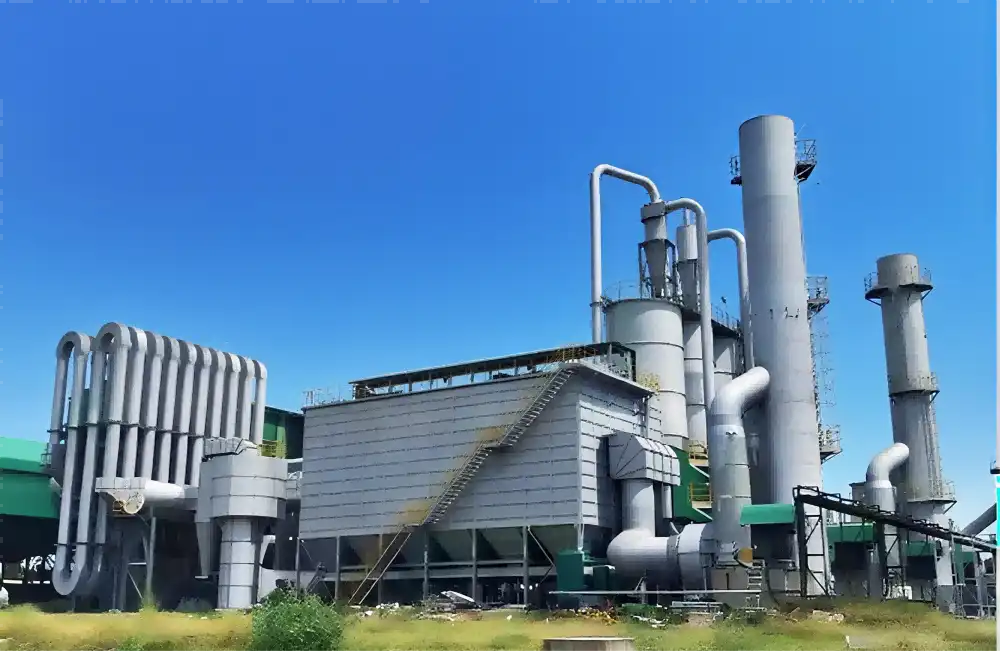
How Furnace Dust Removal Chambers Work: Principles and System Overview.
Knowing the basic mechanisms behind dust collection technology helps industrial decision-makers select appropriate equipment for their specific requirements.
Core Operating Principles
Furnace Dust removal chambers extract solid particles from exhaust gases using regulated airflow. Furnace emissions reduce velocity in the expanding chamber. Finer particles are captured by filtering media, while heavier particles fall naturally by gravity. Heat-resistant polymers prevent structural deterioration from gases up to 1200°C.
Strategic inlets guide tainted air through optimised channels. Turbulence minimisation avoids dust re-entrainment, while pressure differential monitoring maintains performance. Advanced sealing systems keep leakage below 0.3%, confining pollutants in the treatment zone and preserving nearby work surroundings.
Integration with Industrial Furnace Operations
Effective dust collection starts at the generation. Modern chambers capture pollutants during charging, melting, and tapping next to boiler openings. This proximity prevents dust from spreading over manufacturing floors, relieving downstream baghouse filters and exhaust systems.
Installation depends on boiler type and facility layout. Dual-chamber systems are needed for intermittent high-volume emissions during scrap melting in electric arc furnaces. Compact units help intermediate-frequency furnaces fit in tight spaces. Ladle furnaces must be corrosion-resistant to endure calcium treatment fumes and slag.
Volume capacity can be customised, with capacities ranging from 0.5m³ for small induction furnaces to 50m³ for large-scale steelmaking. Modular design offers scalability as manufacturing needs change, conserving capital investments and performance.
Comparison of Collection Technologies
Depending on operational requirements, filtration technologies provide benefits. Gravity settling chambers remove coarse particles readily. Their failure to catch particles below 50 microns requires further filtration.
Centrifugal force boosts cyclone separator efficiency without moving parts. These systems work well with mining abrasives, but finer dust fractions diminish their efficiency. Cyclones are low-maintenance and appropriate for remote settings with minimal servicing.
Baghouse filters catch over 99% of particles across sizes. Textiles that withstand high heat can be used in metallurgy. Online reverse air pulse cleaning maintains permeability without production disruptions, but bag replacement is expensive.
Energy-efficient low-pressure electrostatic precipitators trap charged particles on collection plates. They are too complicated and gas-sensitive for variable-process applications. Capital costs exceed alternative technologies, making them appropriate for large, reliable companies.
Common Challenges and Maintenance Tips for Optimal Performance
Proactive equipment management prevents costly production disruptions while extending service life. Recognising early warning signs enables timely intervention before critical failures develop.
Identifying Operational Issues
Pressure differential indicates dust or media obstructions on the rise. Monitoring systems should warn operators when readings exceed design parameters by 15%. Visual inspection of outlet emissions shows a decline in collection efficiency immediately, but excessive discharge indicates a substantial performance compromise.
In spinning machinery like induced draft fans, unusual vibration or noise patterns indicate mechanical component wear. Seal failures enabling ambient air infiltration may cause temperature excursions beyond typical operating ranges, affecting thermal efficiency and gas flow.
Preventive Maintenance Strategies
Inspections timed to production cycles ensure reliability. Weekly visual inspections examine for exterior corrosion and weld cracks. Dust is removed from hoppers and inspection ports monthly to prevent hardened deposits that hinder material flow.
Wear and damage to filter media are assessed quarterly. Before catastrophic failure, bag changes prevent particle bypass from contaminating clean-air plenums and damaging downstream equipment. Stocking spare parts, especially high-temperature wear components, reduces service downtime.
Qualified personnel inspect interior refractory linings, structural supports, and instrumentation calibration annually. Performance trends are documented to enable predictive maintenance scheduling that matches scheduled production outages.
Technical issues are addressed quickly in our service strategy. Our fast delivery of high-temperature worn parts and technical support reduces operating disruptions. Your system is operational faster than industry standards after 15 to 45 days of integrated design, installation, and commissioning.
Troubleshooting Common Problems
Reduced capture efficiency often stems from seal degradation or improper airflow distribution. Systematic leak detection using smoke tests or pressure mapping identifies remediation priorities. Adjusting damper positions rebalances flow patterns, though significant deviations from design specifications warrant engineering consultation.
Excessive dust accumulation in collection hoppers indicates inadequate discharge frequency or material flow obstructions. Increasing evacuation cycles or installing flow promotion devices restores normal operation. Persistent issues may require hopper geometry modifications to eliminate dead zones where material bridges.
Temperature-related failures typically result from inadequate insulation or cooling system malfunctions. Thermal imaging surveys reveal hot spots requiring corrective action. Upgrading refractory materials or enhancing heat removal capacity prevents recurrence while protecting structural components from thermal fatigue.

Comparing Furnace Dust Removal Chambers: Making the Right Industrial Choice
Procurement decisions benefit from systematic evaluation of available technologies against operational requirements and long-term cost implications.
Technology Selection Criteria
Material compatibility matters most. Furnace Dust removal chamber acidic flue gases from sulphur-bearing ores require stainless steel or specialised coatings, while basic metallurgical processes use carbon steel with protection. Temperature tolerance must exceed maximum projected exposure with safety margins to avoid premature failure.
Capture efficiency depends on downstream equipment sensitivity and regulations. To prevent premature wear on expensive baghouses, first dust removal stages aim for 80% reduction, while final polishing filters ensure emission compliance below 10 mg/Nm³. Balanced capital investment across treatment stages improves system economics.
Equipment lifetime operational expenses depend on energy usage. Low-pressure-drop designs generate savings that balance higher initial purchase prices within conventional payback timeframes by reducing fan horsepower. Variable frequency drive integration allows process-aligned operation, saving energy during lower production periods.
Evaluating Design Features
Residence time for particle separation depends on furnace dust-removal chamber volume. Oversized installations squander capital and floor space, whereas undersized units have high gas velocities that re-entrain dust. Engineering calculations match equipment capacity to emission volumes for best performance without overinvestment.
Material selection reflects service life and maintenance attitude. Refractory-lined steel chambers sustain abrasion for almost three years between overhauls. Modular designs allow component replacement without system removal, saving maintenance and manufacturing losses.
Automation reduces labour and improves operational consistency. Integrated monitoring systems enable predictive maintenance with real-time performance data. Remote diagnostic access lets technical specialists fix faults without site visits, speeding up multinational installations.
Recognizing Quality Indicators
Reputable manufacturers demonstrate their capabilities through relevant certifications and successful project portfolios. ISO quality management system certification confirms consistent production processes, while environmental and occupational health certifications show comprehensive operational standards. Patent portfolios reflect ongoing innovation and technical leadership within the industry.
Customer references from similar applications offer useful information about real-world performance and support quality. Installation bases exceeding several hundred units demonstrate proven designs that survive diverse operating conditions. The geographic distribution of successful projects indicates the capability to support international operations with appropriate logistics and service networks.
Warranty offerings reflect the manufacturer's confidence in equipment reliability. Comprehensive coverage spanning multiple years with responsive claim processing protects buyers from premature failure costs. Availability of extended service contracts provides budget certainty while ensuring ongoing technical support throughout operational life.
Procurement Guide: Acquiring the Right Furnace Dust Removal Chamber
Strategic purchasing requires balancing technical specifications against commercial considerations to achieve optimal value.
Defining Technical Requirements
Characterising dust qualities helps in choosing technology. Size distribution analysis of particles assesses whether gravitational, inertial, or filtering methods gather enough. Chemical composition assessment highlights corrosion concerns needing material improvements or protection.
Process variables, including gas volume, temperature range, and composition variations, determine equipment size. Data accuracy prevents undersizing that hurts performance and oversizing that wastes capital. Predicting production increases helps specify scalable systems that preserve future investments.
Integration with the current infrastructure affects design. Installation space, structural support, and utility connections limit equipment designs. Early supplier engagement during facility planning optimises layouts and reduces modification costs.
Supplier Evaluation Criteria
Delivery reliability and quality depend on manufacturing. Vertically integrated fabricators have tighter tolerances and quicker lead times. Production capacity proportional to order volume shows reasonable delivery guarantees without compromising quality.
Engineering support quality during specification development shows technical expertise. Suppliers delivering on-site surveys, custom design, installation monitoring, and commissioning give single-source responsibility. This integrated approach achieves system optimisation and coordination simplicity.
Ownership longevity depends on after-sales support. Local service or distributor networks offer prompt operational reaction. Spare parts at low prices avoid downtime while waiting for components from distant vendors.
Cost Considerations and Investment Planning
Specification complexity and customisation affect the pricing of equipment. Standard designs for popular applications have low unit costs, whereas engineered solutions for particular requirements cost more due to performance optimisation. Transparent quotes listing major components help compare competing plans.
Total ownership expenses exceed purchase pricing. Energy consumption during 15-year service lives generally exceeds capital investment, rewarding efficiency choices. Consumable replacement frequency and labour intensity affect operating budgets and should be carefully considered.
Payment terms and financing alternatives affect cash flow. Flexible arrangements linked with project milestones or production ramp-up dates save implementation costs. Tax advantages may apply to leasing options depending on jurisdiction and corporate financial strategies.
Shaanxi Heyuanxin Metallurgical Electric Furnace Equipment has executed over 400 installations worldwide since 2008. Our unique engineering solutions optimise your metallurgical process. Over ten utility model patents and many system certifications, including ISO quality management, demonstrate our innovation and reliability. Custom construction per furnace model and mouth size ensures exact fit, while on-site survey, design, installation, and commissioning give turnkey ease.
Environmental and Efficiency Benefits of Using Furnace Dust Removal Chambers
Strategic dust control investments provide returns that go beyond regulatory compliance to improve operational performance and support sustainability leadership.
Meeting Emission Regulations
As environmental awareness rises, industrial emission requirements tighten globally. US jurisdictions limit opacity and particulate content to safeguard air quality. Large fines, operating permit revocations, and reputational damage to consumer and community relations are non-compliance hazards.
Proactive environmental management helps companies weather regulatory changes. Systems with performance margins above current requirements adapt to stricter standards without replacement. This innovative method safeguards capital expenditures and shows corporate responsibility valued by customers and stakeholders.
Operational Efficiency Improvements
Dust control affects production equipment reliability. Abrasive particulates wear fans, ducting, and downstream processing equipment, increasing maintenance costs and unplanned downtime. Capturing emissions at source extends service intervals and reduces spare component use.
Reduced fugitive dust enhances workplace cleanliness. Safety and cheaper labour expenses are achieved by reducing housework. Visibility and reduced respiratory discomfort boost worker happiness and productivity, improving competitiveness.
Reduced contamination improves product quality. Dust re-entrainment into melts degrades metallurgical materials. Defect rates are lower in cleaner production settings, reducing scrap and rework costs that cut profits.
Resource Recovery Opportunities
Many industrial dusts include valuable elements, justifying recovery. Zinc, lead, and iron oxides in metallurgical emissions offset collection system expenses. Systematic dust characterisation identifies recoverable components for reuse or sale to specialised processors.
Internal recycling minimises raw material consumption in closed-loop material handling. Captured dusts returned to furnaces after processing save virgin feedstocks and reduce disposal costs. This circular strategy supports sustainability activities becoming more essential to stakeholders and supply chain partners.
Innovation in Dust Collection Technology
Innovations offer better performance and lower expenses. With a lower pressure drop and improved collection efficiency, nanofibre filter media reduce energy consumption and increase cleaning intervals. In harsh environments, advanced coatings prevent corrosion and extend component life.
Automation and remote monitoring transform maintenance. IoT sensors monitor performance parameters and alarm when they stray from optimal. Predictive analytics allow scheduled interventions during planned outages rather than disruptive emergency fixes.
AI optimises operating parameters in real time. Monitoring process fluctuations, machine learning algorithms adapt cleaning cycles, airflow distribution, and temperature management to maximise efficiency. Intelligent systems function consistently under changing production settings that defy conventional control tactics.
Conclusion
Effective dust control represents a fundamental requirement for modern industrial operations, balancing productivity with environmental responsibility. Specialized chambers integrated with furnace systems provide reliable particulate capture, protecting equipment, personnel, and surrounding communities. Selecting appropriate technology requires careful consideration of operational parameters, maintenance capabilities, and long-term cost implications. Leading suppliers with comprehensive engineering support, proven track records, and responsive after-sales service provide superior ownership experiences that justify their premium positioning. Strategic investments in advanced dust collection systems yield benefits through regulatory compliance, operational efficiency, and sustainability leadership, positioning enterprises for continued success in increasingly competitive global markets.
FAQ
How often should maintenance be performed on dust removal chambers?
Maintenance frequency depends on operational intensity and dust characteristics. Facilities running continuous three-shift operations benefit from weekly visual inspections and monthly cleaning cycles. Lighter-duty applications operating single shifts may extend intervals to biweekly inspections and quarterly deep cleaning. Harsh environments with abrasive or corrosive particulates warrant more aggressive schedules. Monitor pressure differential trends and outlet emissions as indicators—increasing readings signal accelerated maintenance needs regardless of calendar schedules.
What signs indicate my dust removal system needs immediate attention?
Visible dust escaping from outlet stacks represents the most obvious warning requiring immediate investigation. Pressure readings exceeding design specifications by 20% indicate severe blockages or media failure. Unusual mechanical vibration or noise suggests bearing failures or structural damage demanding prompt assessment. Temperature excursions beyond normal ranges signal cooling system problems or seal failures. Any of these symptoms warrants immediate shutdown and professional inspection to prevent catastrophic failure or safety hazards.
Can dust removal chambers be customized for unique industrial applications?
Customization represents standard practice for industrial dust collection systems. Chamber volumes adjust from 0.5m³ to 50 m³, matching specific emission volumes and available space. Material selection addresses unique chemical exposures or temperature extremes beyond standard specifications. Inlet and outlet configurations adapt to facility layouts and existing ductwork. Specialized filtration media handle unusual particle characteristics or recovery requirements. Experienced manufacturers like Heyuanxin routinely engineer solutions for non-standard applications, ensuring optimal performance regardless of process complexity.
Partner with Shaanxi Heyuan for Superior Dust Control Solutions
Your metallurgical operation deserves dust collection equipment engineered for reliable performance in the most demanding industrial environments. Heyuanxin specialises in custom Furnace Dust removal chamber design tailored precisely to your EAF, ladle furnace, or smelting equipment specifications. Our systems consistently capture over 80% of initial furnace dust while withstanding operational temperatures reaching 1200°C. As a trusted furnace dust removal chamber manufacturer, we deliver complete turnkey solutions from initial site survey through final commissioning, backed by ISO-certified quality management and comprehensive warranty protection. Contact our technical team at sxhyyj606@163.com to discuss your specific dust control challenges and discover how our patented designs, rapid installation capabilities, and ongoing technical support create lasting value for your facility.
References
1. Industrial Ventilation: A Manual of Recommended Practice for Design, 30th Edition. American Conference of Governmental Industrial Hygienists, 2019.
2. Handbook of Air Pollution Control Engineering and Technology. CRC Press, 2020.
3. Emission Control Technologies for Industrial Furnaces: Guidelines for Steel Manufacturing. Environmental Protection Agency Technical Report, 2021.
4. Metallurgical Furnace Dust Collection: Design Principles and Best Practices. Society for Mining, Metallurgy, and Exploration, 2018.
5. High-Temperature Filtration Systems for Heavy Industry Applications. Journal of Environmental Engineering, Volume 145, 2020.
6. Advances in Industrial Dust Control Technology for Metallurgical Operations. International Journal of Environmental Science and Technology, 2022.


YOU MAY LIKE