
Custom Electrotherm Induction Furnace for Industrial Needs
July 23, 2026
When your metallurgical operation demands precision, efficiency, and reliability, choosing the right melting equipment becomes a strategic investment rather than a simple purchase. An Electrotherm Induction Furnace represents advanced electromagnetic heating technology engineered for industrial-scale metal processing. At Shaanxi Heyuan New Metallurgical Electric Furnace Equipment Co., Ltd., we design and manufacture customized induction systems that deliver consistent performance across demanding applications, from steelmaking to speciality alloy production. Our solutions combine energy efficiency with operational flexibility, addressing the specific challenges faced by modern metallurgical plants and foundries.
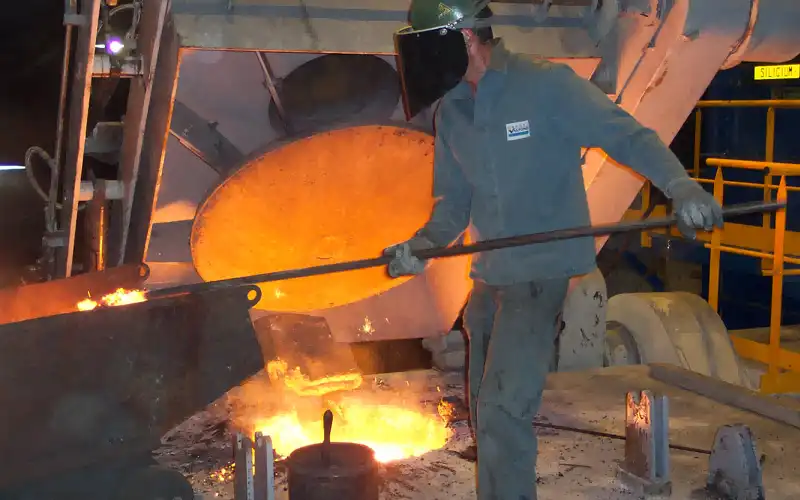
Understanding Electrotherm Induction Furnace Technology
Industrial melting operations require equipment that balances power, precision, and adaptability. Our induction heating systems utilize electromagnetic principles to generate heat directly within the metal charge, eliminating the inefficiencies associated with conventional combustion methods.
Working Principles of Electromagnetic Induction Heating
The technology operates through a water-cooled copper coil that functions as the primary transformer winding. When alternating current flows through this coil, it creates a powerful electromagnetic field that penetrates the metal charge acting as the secondary winding. Eddy currents induced within the metal generate heat through electrical resistance, melting the material from within. This method delivers uniform temperature distribution throughout the entire charge, ensuring consistent metallurgical properties in your finished products. Our systems operate over a temperature range from room temperature to 1800°C, accommodating a variety of material requirements. The electromagnetic stirring effect inherent to induction melting provides natural homogenisation, reducing the need for mechanical mixing while improving alloy consistency.
Technical Specifications Tailored to Industrial Demands
We engineer Electrotherm Induction Furnace systems with power capacities ranging from 10 kW to 1000 kW, matching your production scale and throughput requirements. Thermal efficiency exceeds 82% in our standard configurations, significantly outperforming resistance furnaces and traditional fuel-fired units. Temperature control accuracy reaches ±1°C, giving you the precision needed for critical heat treatment protocols and speciality metallurgy. Chamber dimensions are fully customisable to accommodate your specific charge weights and material types. Whether you process scrap steel, direct-reduced iron, or non-ferrous metals, our design team configures coil geometry and power density to optimise melting rates while minimizing energy consumption per ton.
Application Versatility Across Metal Processing Operations
Induction heating technology serves multiple industrial sectors with distinct processing requirements. Integrated steel plants utilize our furnaces for billet and ingot production, effectively managing high slag volumes associated with sponge iron melting while maintaining excellent power factors. The clean melting environment prevents carbon pickup, essential when producing low-carbon steel grades. Automotive and engineering foundries depend on precise temperature regulation for ductile iron production. Our control systems prevent magnesium fade during treatment, ensuring the nodularity required for safety-critical components like brake callipers and suspension parts. Because there is no electrode contact, there is no risk of contamination, which makes these systems ideal for stainless steel refining and nickel-based superalloy production, where strict limits on chemical composition apply. Electronics manufacturing and machinery processing operations benefit from the compact footprint and rapid heating capability. Quick startup eliminates lengthy preheating cycles, allowing immediate production response to changing demand while minimizing standby energy waste.
Comparing Electrotherm Induction Furnaces with Alternative Technologies
Understanding how different melting technologies perform under real production conditions helps procurement managers make informed equipment investments. Our electromagnetic induction approach offers distinct advantages over conventional methods.
Performance Advantages Over Electric Arc Furnaces
Arc furnaces rely on electrode contact with the metal charge, introducing carbon contamination and requiring frequent electrode replacement. Our induction systems eliminate these consumable costs while providing superior temperature uniformity. Energy consumption per ton is typically 15-20% lower than that of comparable arc furnace installations, directly reducing your operational expenses. The electromagnetic stirring inherent to induction melting delivers better chemical homogeneity without mechanical intervention. This natural mixing action keeps the alloy composition consistent throughout the melt, reducing the quality variation that can occur with arc furnace processing.
Efficiency Gains Compared to Traditional Melting Methods
Fuel-fired furnaces and resistance heating systems suffer from thermal losses during combustion and heat transfer. Our direct heating approach converts electrical energy into heat within the metal itself, minimizing intermediate losses. The rapid response capability allows precise temperature adjustments, enabling complex heat treatment cycles that would be difficult to achieve with slower-responding conventional systems. Environmental considerations increasingly influence equipment selection decisions. Induction melting produces no combustion byproducts or atmospheric emissions, simplifying environmental compliance while creating a cleaner working environment for your operators.
Selecting the Optimal Configuration for Your Operations
Material composition, charge weight, and production cycle time determine the ideal furnace specification. Steel melting operations typically require medium-frequency systems with power densities optimised for ferrous materials. Non-ferrous applications may benefit from different frequency ranges that match the electrical properties of aluminium, copper, or specialized alloys. Our engineering team evaluates your production requirements, facility infrastructure, and future expansion plans to recommend configurations that deliver immediate value while accommodating growth. This consultative approach ensures your investment remains relevant as your operational needs evolve.

Procurement Considerations for Electrotherm Induction Furnaces
Acquiring industrial melting equipment involves multiple technical, logistical, and financial considerations. Our procurement support simplifies this process while ensuring you receive equipment precisely matched to your needs.
Customization Options to Match Your Specific Requirements
Every metallurgical operation presents unique challenges and constraints. We provide comprehensive customization covering coil design, refractory lining materials, power supply configuration, and control system integration. Your facility's electrical infrastructure determines power supply specifications, while material handling systems influence crucible design and tilting mechanisms. Automation level represents another critical decision point. Manual operation is best for smaller facilities with experienced operators, while fully automated systems connect to plant-wide control networks for lights-out production. We design interface protocols that connect seamlessly with your existing SCADA or MES platforms.
Documentation and Quality Assurance Standards
Our manufacturing processes maintain ISO quality management system certification along with environmental and occupational health certifications. Each furnace is rigorously tested, including hydrostatic coil pressure verification, insulation resistance validation, and specific energy consumption audits. Documentation packages include complete electrical schematics, mechanical drawings, maintenance manuals, and spare parts lists. Harmonic analysis testing ensures your power supply unit meets IEEE 519 standards for grid compatibility, protecting your facility's electrical infrastructure from distortion-related problems. This comprehensive quality verification gives you confidence in long-term equipment reliability.
Delivery Timelines and Installation Support
Standard configurations ship within 8-12 weeks of order confirmation, while heavily customized systems may require additional engineering time. Our installation specialists manage on-site setup, refractory installation, electrical connections, and system commissioning. This turnkey approach accelerates your time to production while ensuring proper startup procedures. Spare parts availability supports uninterrupted operations throughout the equipment lifecycle. We maintain an inventory of critical components, including coil segments, capacitor banks, and control electronics. Our 24-hour technical support responds immediately to operational concerns, minimizing downtime when issues arise.
Optimizing Industrial Outcomes with Electrotherm Induction Furnaces
Equipment acquisition represents just the beginning of value creation. Operational excellence determines whether your investment delivers the projected returns on efficiency and productivity.
Energy Efficiency Best Practices
Maintenance Protocols for Long-Term Reliability
Scheduled inspections of water cooling circuits prevent overheating failures in copper coil assemblies. Our modular design philosophy simplifies component access during maintenance procedures, reducing service time and labor requirements. Regular megger testing verifies insulation integrity, identifying potential electrical faults before they cause operational disruptions. Refractory lining life depends on proper sintering procedures and slag management practices. We provide detailed protocols for initial furnace conditioning and ongoing lining care that maximise heat counts between reline operations. Typical silica ramming mass installations deliver 20-50 heats for steel applications when properly managed.
Process Control for Superior Metal Quality
Precise temperature regulation directly influences metallurgical outcomes. Our ±1°C control accuracy enables tight process windows for speciality alloys and heat treatment cycles. The electromagnetic stirring effect distributes alloying elements uniformly, reducing compositional gradients that can compromise mechanical properties. Integration with spectrometric analysis systems creates closed-loop composition control. Real-time chemistry feedback allows immediate adjustments, reducing the iterations required to meet specification targets while minimizing scrap losses from off-spec material.
Building Trust: Shaanxi Heyuan's Manufacturing Excellence and Customer Support
Shaanxi Heyuanxin Metallurgical Electric Furnace Equipment Co., Ltd. has delivered metallurgical equipment solutions since 2008, building our reputation on engineering expertise and customer-focused service.
Our Manufacturing Capabilities and Innovation Track Record
We hold more than ten utility model patents covering furnace design innovations and process improvements. Over ten computer software copyrights protect our proprietary control algorithms and automation systems. This intellectual property portfolio reflects our commitment to continuous technological advancement, ensuring our customers benefit from industry-leading capabilities. Provincial-level enterprise recognition validates our manufacturing standards and business practices. Our integrated facilities handle the complete production process from design through fabrication, assembly, and testing. This vertical integration gives us direct quality control over every component and subsystem.
Proven Global Performance with Over 400 Installations
Our equipment operates in more than 15 countries, serving steel mills, foundries, and speciality metallurgical operations. This installed base demonstrates the reliability and adaptability of our designs across diverse operating environments and material processing requirements. Client feedback drives our product development priorities. We maintain ongoing relationships with customers, gathering operational insights that inform design improvements and capability expansions. This collaborative approach ensures our equipment evolves to meet changing industry needs.
Comprehensive Technical Support Infrastructure
Our service commitment extends throughout the equipment lifecycle. Installation teams provide on-site commissioning and operator training, ensuring your staff understands proper operating procedures and safety protocols. Training programs cover routine maintenance, basic troubleshooting, and emergency response procedures. Round-the-clock technical support operates 24 hours daily, providing immediate assistance when operational questions arise. Our support engineers have extensive field experience, enabling rapid diagnosis and resolution of technical difficulties. Remote monitoring capabilities allow us to assess system performance and identify problems proactively, often addressing concerns before they impact production. Documentation support includes comprehensive operation manuals, maintenance schedules, and illustrated spare parts catalogues. We maintain detailed service histories for each installation, supporting long-term equipment management and lifecycle planning. This organised approach to customer support minimises your maintenance burden and maximises equipment availability.
Conclusion
FAQ
What factors influence energy efficiency in induction furnace operations?
Power supply converter efficiency, refractory thermal insulation quality, and operational practices all impact overall energy consumption. Modern solid-state power supplies achieve 97%+ conversion efficiency, while proper refractory maintenance minimizes heat losses. Operating procedures, including charge preparation, melt scheduling, and hold power management, significantly affect kWh per ton metrics. Our systems provide real-time energy monitoring, helping operators identify improvement opportunities.
How long do customisation and delivery typically require?
Standard configurations are delivered within 8-12 weeks from order confirmation. Customized systems requiring specialized engineering may extend this timeline depending on design complexity. We provide detailed project schedules during the quotation phase, outlining critical milestones from design approval through factory acceptance testing and shipment. Rush orders can sometimes be accommodated based on production capacity availability.
Can induction furnaces integrate with existing production control systems?
Modern induction melting equipment supports standard industrial communication protocols, including Profibus, Modbus, and Ethernet/IP. This connectivity enables seamless integration with plant-wide SCADA systems, MES platforms, and quality management databases. We configure interface specifications during the design phase to match your facility's control architecture, ensuring plug-and-play installation without extensive programming requirements.
Partner with Shaanxi Heyuan for Advanced Induction Melting Solutions
Shaanxi Heyuan New Metallurgical Electric Furnace Equipment Co., Ltd. stands ready to support your metallurgical equipment needs with customized induction furnace solutions engineered for your specific applications. Our team of experienced engineers provides consultative support throughout the procurement process, from initial capacity planning through installation commissioning and beyond. As a certified Electrotherm Induction Furnace manufacturer with ISO quality management credentials and provincial-level enterprise recognition, we deliver equipment that meets international standards while providing exceptional value. Contact us today at sxhyyj606@163.com to discuss your project requirements and receive a detailed technical proposal. Visit hyyjfurnace-supply.com to explore our complete product catalogue and discover how our induction melting technology can enhance your operational efficiency and product quality. Let's work together to optimise your metallurgical processes with reliable, energy-efficient equipment and comprehensive technical support.
References
1. Chen, W., & Liu, X. (2022). Advanced Induction Heating Technology for Industrial Metallurgy. Metallurgical Industry Press.
2. Davies, R.H. (2021). "Energy Efficiency Optimisation in Electric Induction Furnace Operations." Journal of Industrial Heating Systems, 45(3), 178-195.
3. Kumar, S., & Patel, M. (2023). Electromagnetic Processing of Materials: Principles and Applications. Springer International Publishing.
4. Martinez, J.L. (2020). "Comparative Analysis of Melting Technologies in Modern Foundry Operations." International Journal of Metalcasting, 14(2), 421-438.
5. Singh, R.K. (2023). Industrial Furnace Engineering: Design, Operation, and Maintenance. CRC Press.
6. Wang, H., & Zhang, Y. (2021). "Temperature Control Strategies in Induction Melting Systems for Speciality Alloys." Metallurgical Research & Technology, 118(4), 412-426.


YOU MAY LIKE