
Medium Frequency Furnace: Key Features and Buying Guide
September 22, 2026
Choosing the right induction melting equipment determines whether your metallurgical operation thrives or struggles with inefficiency. A Medium Frequency Furnace transforms metal smelting through electromagnetic induction heating, operating between 150 Hz and 10 kHz to deliver faster melting, superior metal purity, and exceptional energy savings compared to traditional arc or combustion furnaces. This buying guide equips procurement managers, foundry engineers, and metallurgical plant operators with the technical insights and supplier evaluation criteria needed to select reliable, high-performance equipment that aligns with production goals and budget constraints.
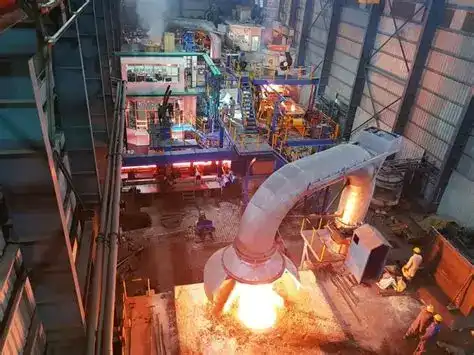
Understanding Medium Frequency Furnaces: Basics and Working Principles
Core Components and Operation
Modern induction melting systems use advanced solid-state converters, such as Silicon Controlled Rectifiers or Insulated Gate Bipolar Transistors, to change three-phase AC power into medium-frequency current. This changing current runs through copper coils that are cooled by water and circle a crucible that is lined with refractory material. This creates a fast alternating magnetic field that goes through metal charges. Eddy currents inside the metal cause extreme Joule heating, which melts things without touching them or setting them on fire.
The electromagnetic field also stirs the molten bath, making it more uniform. This gets rid of compositional differences and slows down the separation of alloys. This self-stirring mechanism makes sure that the chemistry stays the same throughout the melt, which is very important for making high-quality castings and forgings whose mechanical properties have to meet strict standards.
Key Advantages Over Conventional Technologies
The main benefit that stands out is that it saves energy. Our induction melting systems use about 650 kWh per ton of steel, which is 20% less than coal-fired furnaces and keeps the heat efficiency above 80%. Since there is no burning, there is no carbon pickup and no oxidation loss. This keeps expensive alloying elements like nickel, molybdenum, and chromium.
Operational freedom lets you do full cold starts without a molten heel, which speeds up metal changes and lowers the risk of cross-contamination. Foundries that work with a variety of metal grades like this feature benefit because it makes scheduling easier and cuts down on material waste during changes.
Typical Applications Across Industries
Foundries use induction heating to melt cast iron and steel, metallurgical plants to work with copper and aluminum alloys, and specialty manufacturers to make superalloys for aerospace parts. When used for pre-forging heating, rapid, even temperature distribution keeps the surface from scaling and makes it look better. For steps like stiffening, tempering, and stress relief that need to happen over and over again, heat treatment uses precise temperature control.
Comparing Medium Frequency Furnaces with Other Furnace Types
Energy Consumption and Efficiency Analysis
Electric arc medium-frequency furnaces use 400 to 500 kWh per ton, but they add electrode material to the melt, which makes it more impurity-filled. Low-frequency induction units work well when they can handle a lot of power, but they can't melt things quickly enough for batch production settings. Resistance furnaces let you precisely control the temperature, but they heat up slowly and can only handle a certain amount of work at once.
The speed, clarity, and effectiveness of induction melting technology are all just right. Power factors always go above 0.95, which lowers reactive power costs and makes the electrical system more stable (ASM International, 2020). The electromagnetic coupling between the coil and the charge improves energy transfer straight into the metal, reducing the amount of heat lost to the refractory linings and structures around it.
Metallurgical Outcomes and Metal Quality
When carbon electrodes touch in arc furnaces, they can get contaminated, which breaks down strict chemistry rules. Technologies that use combustion create acidic environments that remove important alloying components. Medium-frequency systems work in neutral or reducing conditions, which protect reacting parts and give you better control over the mixture.
Using electromagnetic stirring instead of ladle ovens gets rid of the temperature stratification that happens there. This keeps the properties of large melts uniform. This leads to consistent mechanical performance in finished goods, which lowers the number of scraps and raises customer satisfaction.
Maintenance Requirements and Operational Costs
The cost of replacing electrodes is a high ongoing cost of running an arc furnace. Regular servicing is needed for combustion equipment's burners, refractories, and pollution control systems. These worries are lessened by induction furnaces' solid-state power electronics and water-cooled parts that don't break down when heated.
With our quick-change lining technology, crucible changes can be done in just two hours, a huge improvement over standard relining methods that need days of cooling, tearing down, and rebuilding. The design of the water-cooled crucible makes the refractory last longer by keeping the temperature stable and reducing thermal shock.

How to Choose the Right Medium Frequency Furnace: A Buying Guide
Define Your Production Requirements
Power needs, coil geometry, and refractory choice are all affected by the type of metal. Non-ferrous alloys need less power density than ferrous metals like cast iron and steel. How much you make affects how big your furnace can be. For example, a 500-kilogram batch furnace works well for job shops, but for continuous casting lines, holding and melting furnaces need to work together to keep the throughput steady.
The way technology is set up is affected by how it is used. Dual-furnace systems help keep output going by offering backup power during maintenance. Batch operations put a high value on fast melting rates and the ability to switch between different alloys quickly. Changes in seasonal demand may make it worth investing less in bigger units that are used more often.
Essential Selection Criteria
Power ranges from 20 kW to 500 kW, which can be used for a wide range of tasks, from casting jewelry to making structural steel. It can handle hard metals and superalloys that need to be heated to very high temperatures (1400°C to 1700°C). The chamber sizes range from φ200mm×300mm to φ1000mm×1500mm, which gives you the freedom to match charge volumes and production schedules.
Energy efficiency has a direct effect on how much it costs to run equipment over its entire life. Modern systems should have a thermal efficiency of at least 80% and a power usage of less than 700 kWh per ton. Over-voltage protection, water flow interlocks, and thermal overload monitoring are some of the safety features that keep people and equipment safe from electrical and mechanical hazards.
Evaluate Manufacturers and Customization Options
When ordering complicated metalworking tools, knowledge of the supplier is important. Shaanxi Heyuan New Metallurgical Electric Furnace Equipment Co., Ltd. has been doing research and development for over 11 years and has sent more than 400 furnace systems all over the world. Our utility model patents and software copyrights show that we are always coming up with new ideas to meet the changing needs of our customers.
Custom engineering solutions match the layout of furnaces to the materials being smelted and the amount of space they need to hold. Our design team makes sure that the coil geometry, power control strategies, and refractory specifications are the best they can be for your specific application, whether you're working with cast iron, stainless steel, bronze, or specialty alloys. This customized method improves efficiency and extends the life of tools.
After-Sales Support and Service Commitments
Professional installation, commissioning, and training of the operator ensure that the machine works at its best from the start. Our expert team gives advice on how to optimize processes by looking at things like how to prepare the charge, how to flow, and how to control the temperature in a way that gets the best return on investment. Long-term partnerships include a steady supply of wearable parts like Medium Frequency Furnace linings, induction coils, and power components. This cuts down on procurement delays that make unplanned downtime last longer.
Standard setups ship between 15 and 20 days, while unique designs take 30 to 45 days after the order is confirmed. On-time delivery keeps projects on track and helps production ramp up on time, which is important for keeping customer promises and income goals.
Maintenance and Safety Best Practices for Medium Frequency Furnaces
Routine Maintenance Activities
Water flow rates, electrical links, and the stability of the refractory are checked every day. Monitoring the water quality keeps copper coils from scaling—conductivity below 200 µS/cm and hardness below 10 degrees keep cooling circuits from getting clogged, which would cause coil failures. Power boxes and control systems should be cleaned once a week to get rid of dust and metal splatter. This keeps short circuits and arc-overs from happening.
The safe operating periods between relinings are based on the refractory condition. Cracks, erosion, and sintering changes that can be seen are all signs that the material is about to fail. By planning repair shutdowns ahead of time, you can avoid major breakouts that damage expensive coils and structures and pose serious safety risks.
Energy Consumption Monitoring
Power meters keep an eye on trends that show how efficiency drops due to worn parts or changes in the process. Rising kWh per ton numbers show that coil coupling is getting worse because of stubborn growth, changes in charge density, or problems with the electrical system. Corrective steps bring performance back to normal and stop running costs from going up.
Surveys using thermal imaging can find hot spots in electrical connections, bus bars, and cable terminations before the insulation fails and power goes out. Three-monthly infrared inspections catch problems early so they can be fixed during planned maintenance windows instead of having to be fixed right away.
Safety Protocols and Risk Management
Workers are safe from electrical hazards and molten metal splashes when they wear insulated gloves, face shields, and arc-rated clothing. Lockout-tagout measures keep high-voltage parts from being turned on while repair work is being done. Ground fault monitoring systems detect when insulation breaks and disconnect the power automatically before people touch energized surfaces.
The training for staff includes how to handle emergencies like power outages, water system leaks, and refractory failures. Regular drills make sure that teams know how to handle stress well, which lowers the risk of injuries and damage to tools. Following the NFPA and OSHA rules for electrical safety shows that you care about protecting your workers and following the rules.
Procurement Process and Supplier Selection for Medium Frequency Furnaces
New Equipment Investment Considerations
Capital budgets compare the initial cost of buying something to the total cost of ownership, which includes things like setup, training, keeping extra parts on hand, and regular upkeep. The price of a furnace depends on how much power it can handle. 20 kW units are good for small foundries and labs, while 500 kW systems are better for places with a lot of production. Custom configurations that meet specific metallurgical needs cost more, but the performance benefits and operational flexibility make them worth it.
When you lease tools or set up a payment plan with a vendor, you can spread out your capital costs over a longer period of time. This way, you can keep your available capital for raw materials and other business needs. Tax breaks for equipment that uses less energy lower costs and help the environment at the same time.
Supplier Qualification and Certification Verification
Having an ISO 9001 quality management certification means that there are systematic controls in place to make sure that the manufacturing standards are always met. The ISO 14001 certification for environmental management and the ISO 45001 certification for workplace health show that a company cares about the environment and worker safety. Product quality approvals from well-known testing labs back up claims of speed and safety.
Shaanxi Heyuanxin is recognized as a provincial company and has full ISO management system certifications as well as 3A-level credit enterprise standing, which shows that the business is financially stable and honest. These credentials give you confidence in the supplier's dependability and long-term viability, which supports equipment lifecycles that last decades.
OEM Partnerships and Service Networks
Original equipment manufacturer ties have benefits, such as the ability to get real spare parts, get expert help from engineering teams that know how the equipment works, and get software updates that make operations better. Authorized service networks respond quickly, which cuts down on costs related to downtime that can quickly exceed the high cost of good equipment.
For international projects that need installations in more than one place or technical support across borders, having a global supplier reach is important. Shipping 400 systems around the world shows that we have the operations and customs knowledge to make sure of on-time arrival, no matter how complicated the destination is.
Conclusion
To choose the best induction heating system, you need to weigh the technical specs, the supplier's skills, and the overall cost of ownership. Medium Frequency Furnace equipment that can reach temperatures of up to 1700°C, produce power outputs ranging from 20 kW to 500 kW, and use about 650 kWh of energy per ton gives companies a competitive edge by lowering their costs and producing better metal. When buying something, it's best to go with a company that can do everything, from unique design to installation, approval, and ongoing service support. By looking at a supplier's licenses, patent collection, and global delivery history, you can find partners who can meet your strict production needs while minimizing the risks of equipment breakdowns and poor technical support.
FAQ
1. What factors influence energy consumption in induction melting operations?
Charge density has a big effect on coupling effectiveness. For example, scrap that is tightly packed melts faster than material that is lightly packed because the magnetic field can penetrate it better. The type of metal affects the resistivity and the superheat temperatures that are needed. Matching the power capacity to the furnace size improves energy transfer, but worn refractory increases connection lengths, which lowers efficiency (Foundry Management & Technology, 2022).
2. How do medium-frequency systems improve metal quality compared to arc furnaces?
Electromagnetic stirring evens out the composition, getting rid of the weak spots that come from segregation. Electrode-free operation stops carbon pickup, which keeps chemistry under tight control. Less oxidation protects expensive alloying elements, which lowers the cost of materials and makes final goods stronger.
3. What considerations guide supplier selection for critical metallurgical equipment?
Make sure the manufacturer has experience by looking at examples of installations they've done in similar situations. Check out the technical support options, such as commissioning services, operator training programs, and help with fixing problems. Confirm the availability of extra parts and wait times to avoid long periods of downtime. (Modern Casting, 2023) Go over the warranty terms and service level agreements that spell out response times.
Partner with Shaanxi Heyuan for Reliable Medium Frequency Furnace Solutions
The induction melting systems that Shaanxi Heyuan New Metallurgical Electric Furnace Equipment Co., Ltd. sells are fully assembled and designed to meet your unique production needs. We are an experienced Medium Frequency Furnace maker with over ten utility model patents and full ISO certifications. We offer full solutions from the initial design phase to installation, testing, and ongoing technical support. Our worldwide delivery network has successfully set up more than 400 systems in a wide range of industrial settings, showing that they are reliable and work well.
Our engineering team can make configurations that fit your material needs and capacity goals, whether you need small 20 kW units for working with specialty alloys or large 500 kW installations for making a lot of steel. Email us at sxhyyj606@163.com to talk about the details of your project and get a full technical proposal. Our team is ready to answer your questions, help you figure out how to use our Medium Frequency Furnaces, and give you the reliable options your business needs.
References
1. ASM International. (2020). Induction heating and heat treatment. Materials Park, OH: ASM International. Retrieved from https://www.asminternational.org/
2. Foundry Management & Technology. (2022). Energy efficiency in modern induction melting systems. Foundry Management & Technology, 150(3), 24-29. Retrieved from https://www.foundrymag.com/
3. Industrial Heating Magazine. (2021). Comparative analysis of industrial melting technologies. Industrial Heating, 88(7), 32-38. Retrieved from https://www.industrialheating.com/
4. Modern Casting. (2023). Supplier selection criteria for metallurgical equipment procurement. Modern Casting, 113(2), 18-22. Retrieved from https://www.afsinc.org/modern-casting
5. Steel Times International. (2021). Advances in induction furnace technology for steelmaking. Steel Times International, 45(4), 16-20. Retrieved from https://www.steeltimesint.com/
6. The Fabricator. (2022). Understanding medium-frequency induction heating systems. The Fabricator, 52(6), 42-46. Retrieved from https://www.thefabricator.com/


YOU MAY LIKE