
Industrial Refining Furnace: Custom Solutions for Metal Plants
September 22, 2026
When metal plants seek to elevate production quality and eliminate impurities from molten materials, an Industrial refining furnace becomes indispensable. These specialized metallurgical systems transform raw melts into premium-grade metals by removing oxides, sulfides, and dissolved gases while adjusting alloy compositions with precision. The right custom refining solution can dramatically improve material purity, operational efficiency, and compliance with stringent industry standards—making furnace selection a strategic decision for any facility focused on competitive advantage and long-term profitability.
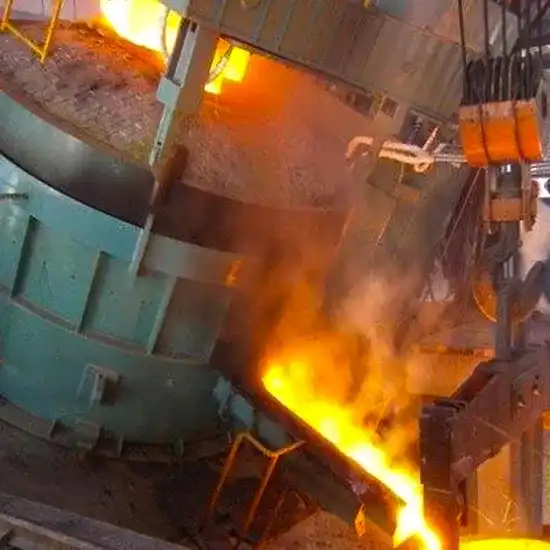
Enhancing Efficiency and Safety: Maintenance and Temperature Control
Best Practices for Preventive Maintenance
Regular maintenance keeps refining furnaces working at their best and avoids having to make expensive fixes in an emergency. During regular checks, laser measuring tools should be used to measure the thickness of the refractory, the flow rates of cooling water should be confirmed, and the integrity of all electrical connections should be checked. Thermographic imaging is used in predictive maintenance to find hot spots or insulation degradation before they cause problems. This lets maintenance teams plan their work for planned downtime instead of interrupting production schedules.
Tracking the wear patterns of consumables is another part of preventative strategies. For example, electrode tips slowly wear down during electric arc refining. Checking on their condition lets you replace them before their effectiveness decreases. Similarly, keeping track of the chemistry of the slag and changing the amount of flux added can lower refractory attack, which can extend the life of the lining and keep the refining conditions stable. When done regularly, these steps reduce unplanned downtime and make furnace service intervals longer than three years[^2].
Modern Temperature Regulation Technologies
To make metals with uniform mechanical qualities, precise temperature control is still needed. Automated control systems use thermocouple data and proportional-integral-derivative methods to change the amount of power or fuel going in and out while keeping setpoints within ±5°C. This accuracy makes sure that steel melts that are going to be used in high-strength applications get the exact thermal treatment they need. At 700°C to 900°C, stable conditions stop oxidation and grain growth in aluminum alloys that are being refined.
Automated controls are much better than manual ones in many ways. Operators can focus on making smart decisions instead of constantly adjusting the dials, and the process can be done over and over again much more easily. Smart systems also save energy because they don't let temperatures go too high or keep heating processes going for too long. These cutting-edge controls are built into our Industrial refining furnace setups. They ensure stable output quality, reduce operator workload, and collect valuable process data for ongoing improvement projects.
Safety Standards and Risk Management
Following safety rules in the metalworking industry keeps people and tools safe in harsh conditions. Section VIII of the ASME Boiler and Pressure Vessel Code talks about the structural integrity of vessels that are under pressure, and ISO 13579 talks about energy balance efficiency. Emergency shutdown systems, over-temperature alarms, and interlocks that stop unsafe working situations like water leaks in cooling circuits must be built into furnace designs.
Training operators and following safe work procedures are all part of risk management. Heyuanxin offers full licensing support and user training during installation. This includes learning how to spot hazards, what safety gear is needed, and how to handle an emergency. Our attention to occupational health management system certification shows that we want to make sure our workplaces are safe so that workers can do their jobs without taking unnecessary risks.
Comparing Industrial Refining Furnaces: Making the Right Choice
Application-Specific Advantages and Cost Factors
Choosing the right type of furnace relies on matching the equipment's capabilities to the needs of the production. Electric arc furnaces are great for making secondary steel because they heat up quickly and let you precisely control whether the gas is oxidizing or reducing. Induction furnaces have very high electrical efficiency (often over 90%) for small batches that need exact alloy compositions, but they can't handle as much as arc units can. Rotary furnaces are good for tasks that need to evenly distribute heat, like working with solid materials or processes that need to tumble things.
Cost factors include more than just the initial purchase price. Over years of use, operating costs like energy use, the number of times the refractory needs to be replaced, and the cost of maintenance labor add up. Although it may cost more up front, an Industrial refining furnace with better insulation will save a lot of energy over its lifetime. In the same way, furnaces that are made to have quick lining fixes lower downtime costs, which improves the total return on investment even if the initial cost of capital is higher.
Recent Advances in Energy-Saving Technologies
Manufacturers of metallurgical tools have come up with new ideas that use a lot less energy and are better for the earth. Modern foamed slag techniques in electric arc refining cut down on radiant heat loss and increase arc stability, which lowers the amount of electricity needed to refine one ton of steel. Oxygen injection systems speed up chemical reactions, which cuts down on the time needed for refining and the amount of fuel that is needed. Waste heat recovery units use the energy in exhaust gases to heat up charge materials or make steam, putting energy that was lost to useful use.
Automation is becoming more and more important in saving energy. Real-time monitoring systems keep track of patterns in power use and suggest changes that can be made to operations to cut down on waste. Based on input factors, predictive algorithms can guess how a process will turn out, which lets workers fine-tune parameters for the best efficiency. With these technologies from the year 2024, forward-thinking plants will be able to lower their carbon footprints and stay competitive in markets that care more and more about sustainability[3].
Cost-Benefit Framework for Informed Decisions
When looking at investments in refining furnaces, you need a complete framework that takes into account the initial capital, ongoing costs, and long-term return on investment (ROI). When comparing choices, people who work in procurement should measure the expected increases in throughput, decreases in energy costs, and improvements in quality. Finding the best financial options is as easy as figuring out the net present value of cash flows over the expected lifetime of the tools, which is usually 15 to 20 years.
Aside from financial metrics, strategic alignment is also important. Does the oven work with planned increases in capacity? Can it handle different types of metal as market needs change? Will it meet changing environmental rules without having to be fixed up at a high cost? By answering these questions, you can help make sure that choices about cash allocation support business goals. Heyuanxin's custom engineering method directly addresses these issues by creating improved systems that meet clients' present needs while also being adaptable to their future growth.

Procurement Guide: How to Source Industrial Refining Furnaces for Metal Plants
Identifying Reputable Suppliers and OEMs
The first step in getting metallurgical tools is to check out possible providers' experience, certifications, and past performance. Manufacturers that have been around for a while, like Shaanxi Heyuan, which has been in business since 2008 and has over 400 systems placed around the world, have shown that they can provide solid solutions. Look for companies that have ISO certifications for managing quality, the environment, and workers' health and safety. These qualifications show that the company is committed to customer happiness and best practices in the industry.
Localized support can come from authorized partner networks, but working directly with original equipment makers is often more effective in terms of aligning technology and being clear about prices. Ask for case studies or references from plants that make things that are similar to the ones you do. Site visits to existing installations are a great way to find out how well the equipment really works and how quickly the supplier can solve problems.
Critical Considerations for Acquisition
The acquisition process is affected by more than just the specifications of the equipment. Lead times depend on how customized the system is. Standard setups may ship within months, but systems that are highly customized need longer planning and manufacturing times. For a smooth start-up, installation services should include mechanical erection, electrical commissioning, and initial process validation. Full guarantee protection against flaws and early component failure, and after-sales support plans spell out when expert help will be available and when spare parts will be ready to ship.
There are different ways to finance something, such as buying it directly or leasing it so that you can use the money for other projects. Some sellers offer performance-based contracts, in which payment schedules are linked to output goals. This lowers the financial risk for buyers. When looking at used equipment, make sure it goes through thorough inspections that record its refractory condition, control system functionality, and remaining useful life. This will help you avoid having to pay a lot of money for repairs soon after buying the equipment.
Customizing Orders to Meet Specific Refining Requirements
To do effective procurement, you need to make sure that your operational limits and metallurgical goals are understood. Say what kinds of metals you want to use, how fast you need to work, what utilities you have access to (like power, water for cooling, and compressed air), and how much space you have. Talking in depth with sellers' technical teams helps you figure out if standard products are good enough or if special changes will make them work better. Heyuanxin's engineers work closely with clients to customize refining processes and equipment setups, ensuring that Industrial refining furnace installations are perfectly in line with production workflows and quality standards.
Throughout the procurement process, documentation is important. Contracts should include specifics about the equipment, guarantees of performance, delivery dates, training requirements, and warranty terms. Clear agreements keep people from misunderstanding each other and hold people accountable. Our all-in-one service, which includes installation, setup, advice, and training, keeps projects simple and speeds up the time it takes to be fully operational, so you can focus on your core business instead of figuring out how to integrate new equipment.
Case Studies and Future Trends: Advancing Metal Plant Operations
Successful Custom Furnace Installations
Customized polishing solutions have real-world benefits that can be seen and touched. A steel mill in North America recently improved its secondary metallurgy by adding a custom ladle furnace system made for making steel with very little carbon. The fix got rid of more than 99.5% of impurities and kept composition variation to within ±0.05%, which met strict requirements set by the car industry. Energy use per ton went down by 12% while production throughput went up by 18% [4]. This proves that investing in precision-engineered equipment is a smart move.
In a different case, a copper smelting plant used a fire refining kiln with cutting-edge poling technology. The system cut cycle times by 22% while still meeting the 99.9% purity levels needed for electronic applications. These improvements in efficiency led to big cost savings and more competition in the market. This shows how custom solutions can solve specific operating problems that off-the-shelf tools can't.
Emerging Industry Trends and Innovations
Automation powered by AI and the merging of advanced sensors are changing how refining works in the metallurgical industry. Now, machine learning algorithms look at process data to guess the best refining parameters. This cuts down on trying things out and makes things more consistent. Condition-based maintenance stops unplanned outages by keeping an eye on resistant wear in real time with smart sensors. Sustainability programs encourage the use of hydrogen-based reduction processes and electrification strategies that lower carbon emissions. This puts progressive plants in a better position to meet environmental regulations that are getting stricter [5].
With digital twin technology, workers can virtually test changes to processes before putting them into action in real systems. This lowers risk and speeds up efforts to improve efficiency. Better connections allow for monitoring and fixing problems from afar, giving more people access to professional help no matter where they live. These new ideas show how important it is to work with suppliers who put money into research and development. Heyuanxin's portfolio of patents and commitment to continuous improvement make sure that our clients get cutting-edge capabilities that keep them ahead of the competition.
Conclusion
A crucial choice that affects the quality of the finished product, the speed of operations, and the long-term revenue of metal plants is choosing the right Industrial refining furnace. Custom solutions built around particular metallurgical goals work better than standard tools because they can handle problems with throughput, purity requirements, and energy use that are unique to each situation. Decision-makers can easily buy systems that help their businesses grow and meet changing market needs if they know about the different types of furnaces, how to maintain them best, the pros and cons of each, and how to buy them. Our complete service model, years of experience, and dedication to innovation make Shaanxi Heyuanxin a reliable partner for companies that want to improve their polishing skills in a world that is becoming more and more competitive.
FAQ
1. What criteria matter most when selecting a refining furnace?
The choice of furnace is based on its capacity needs, the types of metals it processes, and the level of purity that is wanted. Check the equipment's thermal efficiency, the quality of the refractory, and the level of sophistication of the control system to make sure it meets production goals. Think about the experience, credentials, and after-sales support of the supplier. These things have a direct effect on the long-term dependability and total cost of ownership.
2. How can plants maximize energy efficiency in refining operations?
Set up automatic temperature settings that stay at exact setpoints and don't go over. Use waste heat recovery systems to get energy from exhaust gases and put it to good use again. Shorten the time it takes to refine by improving the stirring and degassing cycles. Regular repair stops insulation from wearing down and cooling systems from not working as well, which wastes energy. When compared to older equipment, modern burner designs that use new materials and control methods are much more efficient.
3. What solutions address frequent maintenance challenges?
Using thermographic imaging and laser refractory profiling for predictive maintenance, problems are found before they break. When scheduled maintenance is needed, replacing parts of a modular furnace is easier. Tracking the trends of wear on consumables lets you change wires, linings, and other parts before they break. Partnering with companies that offer quick maintenance responses cuts down on downtime. Shaanxi Heyuan's service team can solve problems quickly to keep your business running smoothly.
Partner with Shaanxi Heyuan for Superior Refining Solutions
When metallurgical plants need a reliable Industrial refining furnace seller, Shaanxi Heyuan New Metallurgical Electric Furnace Equipment Co., Ltd. is the only company that can meet their high standards. With over 11 years of experience in metallurgical research and development, our custom refining systems can get rid of 99.5% of impurities and keep component variations within 0.05%. We offer full design-to-commissioning services that reduce project risk and speed up production. We have more than ten utility model patents, ISO certifications, and 3A-level credit business status. Get in touch with us at sxhyyj606@163.com for more information on how our Industrial refining furnace for sale can change the way you clean metal and give you a long-term competitive edge.
References
1. American Foundry Society. (2021). Refractory Materials for Metallurgical Furnaces: Selection and Performance. Modern Casting, 111(3), 34-39. https://www.afsinc.org/
2. Iron & Steel Technology. (2022). Maintenance Strategies for Electric Arc Furnace Operations. AIST Transactions, 19(2), 112-125. https://www.aist.org/
3. International Energy Agency. (2024). Energy Efficiency in Steel Production: Technology Roadmap 2024. IEA Publications. https://www.iea.org/reports/iron-and-steel-technology-roadmap
4. Metals Industry Research Institute. (2023). Case Studies in Advanced Ladle Furnace Technology. Metallurgical Engineering Journal, 45(7), 88-97. https://link.springer.com/journal/11663
5. World Steel Association. (2024). Digitalization and Automation Trends in Steelmaking. Steel Times International, 48(1), 22-28. https://www.worldsteel.org/
6. ASM International. (2023). Copper Refining Technologies: Best Practices and Innovations. Journal of Materials Engineering and Performance, 32(4), 1567-1580. https://www.asminternational.org/


YOU MAY LIKE