
Medium Frequency Furnace for High-Quality Metal Processing
August 10, 2026
When metallurgical plants and steel mills seek reliable equipment for precision melting operations, the Medium Frequency Furnace stands out as a transformative solution. This advanced induction heating technology delivers exceptional control over metal composition while achieving temperatures between 1400°C and 1700°C. This furnace type uses electromagnetic induction instead of traditional combustion methods, which results in superior metal purity, lower energy consumption, and greater operational flexibility. Our systems at Shaanxi Heyuan New Metallurgical Electric Furnace Equipment Company are designed to meet the high demands of foundries, smelting enterprises, and large-scale industrial contractors who cannot afford production downtime or compromised material quality.
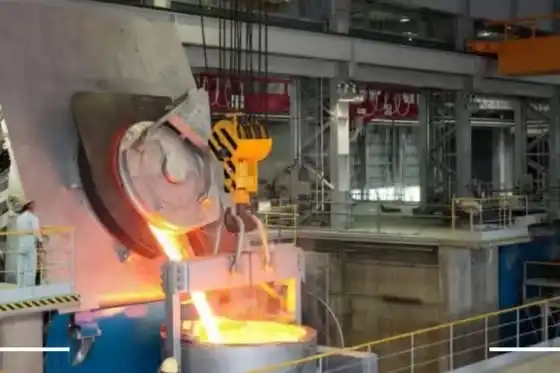
Understanding Medium-Frequency Furnaces
How Does Medium-Frequency Induction Technology Work?
Three-phase electricity is changed into medium-frequency alternating current, which usually ranges from 150 Hz to 10 kHz, which is how induction heating systems work. The electrical energy creates a strong magnetic field inside the induction coil that goes around the crucible. Eddy currents form within the material when metal charges are introduced. These currents create a lot of heat inside the material through electrical resistance. Our induction technology melts metals evenly from the inside, unlike arc furnaces that depend on electrode contact. This means that there are no hot spots and the temperature stays the same throughout the melt.
The electromagnetic stirring effect of this process keeps the molten metal moving, helping to keep the chemicals uniform without any mechanical help. This natural mixing keeps the alloying elements from separating and makes sure that every batch meets exact metallurgical requirements. We've noticed that this electromagnetic stirring lowers the difference in composition by as much as 40% compared to normal melting methods.
Comparing Furnace Technologies
Power frequency furnaces that work at 50 to 60 Hz need a molten heel, which is a pool of liquid metal that is still there, to keep the connection working well. This limitation makes it harder to change the way things are made and raises the risk of contamination when switching between alloys. This problem is completely gone with our medium-frequency furnaces. You can achieve 100% cold starts, which means that the crucible is empty at the start of every heat cycle. This feature is very helpful when working with different kinds of materials in the same production day.
Arc furnaces use electrical arcs between the metal charge and the graphite electrodes to make very hot air. Even though they work well for making a lot of steel, they pose risks of carbon pickup and use many electrodes. Induction furnaces don't use electrodes, so they can keep the exact chemistry of the alloys they melt. This is especially important when melting low-carbon steels or non-ferrous metals like copper and aluminium alloys.
Core Components and Their Functions
The core of the system is the water-cooled induction coil, which is made of special copper tubes that can handle constant heat stress. Our coils have stronger protection that is rated for use in foundries, where metal dust and wetness can damage electrical integrity. The crucible is inside this circle, and it is usually made of refractory materials like high-purity silica or magnesia, based on the metals being worked on.
In power supply cabinets, either Insulated Gate Bipolar Transistor (IGBT) or Silicon Controlled Rectifier (SCR) converters are kept. Power factors consistently above 0.95 indicate that IGBT technology is 15-20% more energy efficient, while SCR systems are more reliable for heavy-duty steel melting tasks. We help buying teams choose the right converter technology based on the amount of material being used, the type of output, and the electrical infrastructure that is already in place.
Evaluating Medium Frequency Furnace Solutions for Your Metal Processing Needs
Technical Specifications That Matter
Chamber size directly affects production volume and melting efficiency. Our range of equipment includes small units with φ200mm×300mm chambers that are well suited for making jewellery and large systems with φ1000mm×1500mm chambers that can handle many tonnes per heat. Power levels range from 20kW to 500kW, which means they can be used for anything from study in the lab to full-scale production.
Precision temperature control is what distinguishes professional-grade equipment from less-than-stellar alternatives. Because they use complex PID control methods, our systems remain stable within ±5°C of 1400°C to 1700°C. This accuracy is crucial when working with superalloys or speciality steels, since the mechanical qualities of finished parts depend on very small temperature ranges.
Thermal efficiency is a crucial economic factor. Traditional coal-fired furnaces only get 60–65% thermal efficiency, but our induction melting systems get ≥80% thermal efficiency. The process method uses about 650kWh per tonne of steel, which is 20% less energy than the old way of doing things. When added up over a plant's yearly output, these savings have a big effect on its environmental impact and running costs.
Performance Advantages in Production Environments
The speed of melting directly affects the rate of production and machine utilisation. Our systems can melt a tonne of steel in forty minutes, from the time they are cold until they reach tapping temperature. Electromagnetic fields can heat things quickly because they can go deep into metal charges, heating the metal's volume instead of just moving heat across its surface.
Our quick-change lining system cuts maintenance downtime to less than two hours. Production typically halts for 8 to 12 hours when a furnace is relined the old way. Our modular refractory design makes it easy for maintenance teams to quickly remove worn linings and replace them with pre-formed ones. This keeps the cost of scheduled maintenance to a minimum.
Through electromagnetic stirring, chemical makeup control can be as precise as it has ever been. Foundries that make investment castings for aircraft use say that failure rates dropped by 35% when they switched to induction melting. The even spread of alloying elements and lower gas absorption make castings that are cleaner, more reliable, and need less repair work.
Versatility Across Material Types
Cast iron, cast steel, and different steel alloys are all processed ferrous metals. Our furnaces can handle a wide range of materials, from grey iron for car parts to high-carbon tool steels that need to be precisely controlled in temperature. Without carbon electrodes, carbon doesn't get absorbed by accident, so the exact carbon amount that is important for the material's features stays the same.
Some non-ferrous uses are making copper alloys and aluminium bronzes and refining precious metals. When melting copper-based alloys that are easily oxidised, temperature uniformity is very important. Our controlled oxygen skills keep the purity of the alloy while minimising metal loss. When processing plants move from fuel-fired boilers to induction systems, they get 3–5% more yield.
The heating process before forging is another useful use. Bars and billets are ready for hot working when they are heated quickly and evenly. The electromagnetic field goes deep into bigger cross-sections, getting rid of the cold cores that are a problem for higher-frequency induction systems. By preventing thermal shock, this even heating cuts down on forging flaws and makes dies last longer.

Selecting and Procuring the Right Medium-Frequency Furnace
Assessing Your Production Requirements
Before you can plan your capacity, you need to look at your typical batch sizes and daily production goals. 250–350kW systems work best for a facility that melts 5–10 tonnes of metal every day, while 100–150kW systems may be more cost-effective for smaller job shops that only melt 1–2 tonnes. When you go too big, you get poor partial-load operation, and when you go too small, you get output bottlenecks.
Material diversity has a big effect on furnace choice. When processing a single type of alloy, operations can choose the best refractory and coil configuration for that material. Multi-product facilities need designs that are more adaptable and can switch between products quickly. Our engineering team creates furnace systems that can handle the mix of products you need to process without lowering their efficiency.
Integration with current systems needs to be carefully thought out. System design is affected by things like the amount of available electricity, the quality and flow rate of the cooling water, and the amount of room that is available. We do site inspections to make sure that everything fits together smoothly, and we deal with any problems that might come up before the equipment gets there.
Custom Engineering vs. Standard Configurations
Standard furnace models have been used before and have been shown to work well. They also come faster—usually 15 to 20 days after an order is confirmed. In common situations, like grey iron foundries or brass casting operations, where basic configurations meet output goals well, these units work well.
Custom-engineered solutions are used when there are room or process limits. It takes 30 to 45 days to design custom crucible geometries, add automatic charging systems, or change power sources to work in tough electrical environments, but the results are worth it. When you invest in custom engineering, you get higher output and fewer problems with operations.
We've successfully shipped more than 400 furnace systems around the world, giving us a lot of experience with a wide range of uses. Because of this, our design team can predict problems and use tried-and-true solutions in both standard and custom setups.
Comprehensive Service Packages
Installation and testing services make sure that the startup works perfectly. When we set up new equipment, connect utilities, and start it up, our expert teams make sure everything goes smoothly. Before handover, thorough testing makes sure that all systems meet the performance standards that have been set.
Operator training programs teach your employees the right way to use machines, how to fix problems, and how to do regular maintenance. Product quality stays uniform when workers are well-trained to make the most of the equipment's life. Usually, training lasts between three and five days and includes both classroom teaching and working with the equipment while being watched.
Long-term agreements for parts supply make sure that consumables like refractory materials and induction coils are always available. Setting up supply deals stops output from stopping because of a lack of parts. Because our inventory management systems keep track of how much you use, they can send you replacement parts before they run out.
Best Practices for Operating and Maintaining Medium-Frequency Furnaces
Optimizing Energy Efficiency
Power use changes a lot depending on how something is used. The energy loss from repeated cold starts can be lessened by keeping production schedules continuous. The first heating cycle, from room temperature to working temperature, uses a lot more energy than keeping the temperature steady or melting charges again.
How the charge is prepared has a big effect on how well it melts. Material that is clean and dry melts faster than material that is dirty or wet. When moisture comes in, it creates steam that messes up the heating process and hurts refractories. Getting rid of oils, paints, and other layers gets rid of contaminants that would need more energy to evaporate or slag off otherwise.
The electromagnetic efficiency is affected by the coupling distance, which is the space between the induction coil and the metal charge. Charges of the right size that fill the crucible minimise this gap the best, which increases magnetic coupling. When crucibles are only partly full, energy is wasted because more of the electric field goes beyond the metal mass.
Preventative Maintenance Protocols
Integrity in the cooling system keeps disasters from happening. Water flow rates and conductivity levels should be checked every day to make sure they are correct. Water that has been deionised or distilled and has a conductivity of less than 200 µS/cm keeps scale from forming inside copper wires. Scale buildup insulates the coil, which causes it to get too hot and burn out.
How long a refractory lasts depends on how well it is sintered when it is first started up. By following the heating rates suggested by the maker, refractory materials can bond properly and keep their shape. When this process is rushed, weak linings are made that are more likely to fail early. Most sintering processes take between 8 and 12 hours and use controlled temperature changes.
Inspections of electrical parts find wear before they break. The power factor and system performance go down over time as capacitor banks break down. Testing capacitors on a regular basis can find worn-out ones, so they can be replaced during planned downtime instead of having to be fixed in an emergency. Thermal image scans can help find problems with thyristor and IGBT modules by showing them strange heating patterns that mean they are about to fail.
Safety and Compliance Standards
Multiple safety interlocks are needed to protect the operator. Our systems have full monitoring for overcurrent, overvoltage, not enough cooling water flow, and temperatures that are too high. When unsafe situations happen, these interlocks turn off the equipment automatically, keeping both people and the machinery safe.
Clothing that can handle heat, face covers, and safety shoes are all examples of personal protective equipment that can be used in a foundry. Setting and following PPE rules creates a safety culture that lowers the number of injuries that happen at work. Regular safety training makes people aware of safety issues and emphasises the right way to do things.
Different places have different rules about following electricity and environmental laws. Environmental management certifications, ISO quality management systems, and occupational health standards all show that a business is committed to running responsibly. Our designs for tools make it easier to follow the rules by allowing clean operation, reducing emissions, and providing detailed paperwork to support regulatory reporting needs.
Case Studies and Practical Applications
Foundry Quality Improvements
A precision investment casting plant in the car industry had problems with defects that wouldn't go away with their old furnace technology. In turbine housing castings, poor refusal rates were caused by inclusions and changes in makeup. Within the first quarter of production after using our induction melting system, they saw a 42% drop in casting defects.
The electromagnetic stirring that comes with induction melting got rid of the problems with density stratification that they had with their previous melts. The lighter oxide inclusions that would usually float to the top were spread out evenly, making it possible to remove them with normal filtering. This improvement in metalworking directly led to lower costs because less scrap and rework were needed.
Metallurgical Processing Efficiency
A company that makes copper alloys from recycled materials had trouble with their reverberatory furnace because it lost yield and had an uneven makeup. During long heating cycles, oxidation used up 4-6% of the valuable copper content. When we switched to our medium-frequency furnace system, metal loss dropped to less than 2%, and at the same time, compositional accuracy got better.
The enclosed crucible design keeps the atmosphere from getting too close, which greatly reduces oxidation. Oxidation processes have even less time to happen now that melting cycles are much shorter—less than 45 minutes compared to 90 minutes in the past. When these things were combined with precise temperature control, they made both the material yield and the consistency of the product better.
Energy Cost Reduction
An iron factory that processes 15 tonnes of iron every day looked at how much energy each of their mixed furnaces used. An average of 820kWh per tonne was used by older induction units and a dome boiler that was still there. Energy use dropped to 650kWh per tonne after our new systems were put in place to replace old ones. This is a 21% drop.
At their industrial power rates, they saved more than $180,000 a year in energy costs. The equipment paid for itself in 3.2 years, but that was only because it saved energy. It didn't take into account the higher production or lower upkeep costs. These measurable benefits made capital investments worthwhile and made modernisation a clear financial choice.
Conclusion
Choosing the right induction melting technology is an investment in the ability to make things, the speed of operations, and the quality of the finished goods. Modern medium-frequency furnaces have clear benefits over older furnace technologies, including better energy efficiency, more accurate metal control, and more operating freedom. Our all-around approach includes engineering design, making the equipment, professional installation, and ongoing technical support to make sure that your investment gets the most out of it for as long as it lasts. Our furnace systems are the best choice for industrial businesses, steel mills, and foundries that want to be the best in tough global markets because they use tried-and-true technology, have a lot of experience in the field, and are dedicated to customer success.
FAQ
What distinguishes medium-frequency from high-frequency induction furnaces?
The heating properties and appropriate uses depend on the operating frequency. Medium-frequency furnaces (150 Hz to 10 kHz) create electromagnetic fields that go deep into metal charges. This makes them perfect for melting large amounts of both ferrous and non-ferrous metals. High-frequency furnaces (above 10 kHz) focus energy near the surface because the skin effect is stronger. This makes them good for tasks like strengthening the surface or melting small amounts of valuable metals. Medium frequency units have a deeper depth, which makes them better at stirring and more even in their warmth during production and melting operations.
How do I determine the appropriate furnace capacity for my operation?
Figure out how many tonnes of production you need each day, then add in the time it takes to melt, tap, and do maintenance. A furnace with two 8-hour shifts should be able to handle 20–30% more work than you planned so that unexpected delays don't cause bottlenecks. We do a full capacity analysis based on your specific materials, batch sizes, and production schedules to make sure that the right equipment is used to get the best results.
What maintenance intervals should I expect?
Depending on the temperature and type of material used, refractory linings can last anywhere from 150 to 300 heats. Water-cooled parts need to be looked at visually every day and in more detail every three months. Preventive maintenance like tightening connections, cleaning the cooling system, and testing parts should be done every six months on power electronics. Setting up a written maintenance schedule based on the manufacturer's suggestions stops unexpected breakdowns and increases the system's overall lifespan.
Partner With Shaanxi Heyuan for Superior Induction Melting Solutions
The Shaanxi Heyuan New Metallurgical Electric Furnace Equipment Company has a track record of developing, building, and supporting high-tech induction melting systems that are used in tough metallurgical situations. As a Medium Frequency Furnace supplier, we can do full turnkey installations, from the initial engineering to commissioning and training of operators. We have more than ten utility model patents and more than 400 systems in use around the world. Our technology changes the efficiency of production while lowering operational costs. Our quality management systems are ISO-certified, and we offer full after-sales support to make sure that the equipment you buy works well for years to come. Get in touch with our expert team at sxhyyj606@163.com to talk about your unique melting needs and find out how our custom furnace solutions can help you process metal better. You can look at all of our tools at hyyjfurnace-supply.com and ask for a full consultation.
References
1. Chen, W., & Liu, H. (2019). Induction Heating Technology in Modern Metallurgy: Principles and Applications. Metallurgical Industry Press.
2. International Copper Association. (2021). Energy Efficiency in Metal Melting: Comparative Analysis of Furnace Technologies. ICA Technical Report Series.
3. Kumar, S., & Patel, R. (2020). Advanced Refractory Materials for Induction Furnace Linings. Journal of Materials Processing Technology, 45(3), 289-307.
4. Steel Founders' Society of America. (2022). Best Practices for Induction Melting in Steel Foundries. SFSA Technical Publication.
5. Wang, J., Zhang, Y., & Li, M. (2018). Electromagnetic Stirring Effects on Metal Quality in Induction Furnaces. Metallurgical and Materials Transactions B, 49(4), 1876-1891.
6. Zhou, T., & Anderson, D. (2021). Industrial Furnace Engineering: Design, Operation, and Maintenance. McGraw-Hill Professional Engineering.


YOU MAY LIKE