
Top Industrial Furnace Hood Manufacturer in China
August 7, 2026
When metallurgical plants and steel mills in the United States search for emission control solutions, the Industrial Furnace Hood emerges as the critical component protecting both operational safety and environmental compliance. Shaanxi Heyuan New Metallurgical Electric Furnace Equipment Co., Ltd. is a specialised manufacturer with over 15 years of experience, providing enterprise-grade fume extraction systems that achieve ≥95% flue gas collection efficiency and ≤0.5% leakage rates. Our heavy-duty furnace hoods, built with lightweight, high-temperature-resistant steel and advanced insulation layers, operate reliably at temperatures reaching 800°C—addressing the demanding requirements of modern steelmaking, mining, and smelting operations across North America.
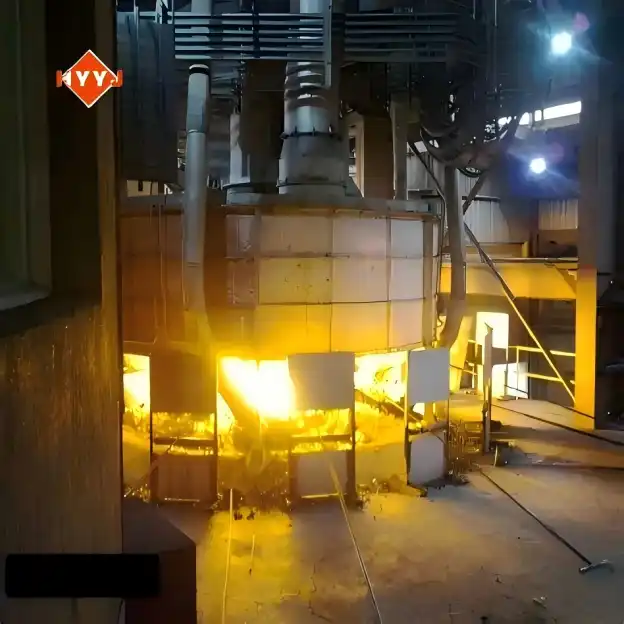
Understanding Industrial Furnace Hoods: Design, Function & Benefits
In high-temperature metallurgical environments, the Industrial Furnace Hood is the main way to keep dangerous emissions out. Unlike regular ventilation systems, these specialized extraction devices have to catch the escaping particles, dangerous fumes, and high temperatures that are made during operations like electric arc furnaces, ladle refining, and induction melting.
Core Design Principles
Modern furnace hood engineering requires three main things to work: thermal protection, aerodynamic efficiency, and structural stability. For water-cooled models, our systems have membrane walls made of ASTM A36 carbon steel. For air-cooled models, heat-resistant stainless steel grades like 304H and 310S are used. The main idea behind the design is to be able to handle gas stream temperatures from 500°C to over 2,000°C without changing the structure's rigidity or its ability to collect gas.
The aerodynamic shape is optimised using computational fluid dynamics to get the highest capture velocity—often more than 1.5 meters per second at the hood face—while minimizing pressure drop across the pipe links. This engineering precision makes sure that the Industrial Furnace Hood can effectively contain erratic smoke bursts during charging and tapping operations, which is a problem that always comes up in making steel in an electric arc furnace.
Material Selection for Durability
Choosing the right building materials has a direct effect on the prices of running the business in the long term. Our furnace hoods are made with special coatings and grades of materials that keep them from rusting when sulphur and chlorine compounds attack them, and they also keep slag from sticking to the inside. The advanced insulation layers retain up to 85% of the heat, meaning the furnace loses less heat and consumes less energy. This feature is very important in environments where production is ongoing and uptime directly affects profits.
Operational Benefits
Facility managers who implement well-constructed pollution control systems see gains reflected in various performance measures. Fugitive pollutants are much better controlled when workers are aware of and follow safety rules. Maintenance times are longer because heat cycling doesn't cause cracks or bending to happen too soon. Compliance with environmental regulations is possible without slowing down production.
Our installations in 15 countries show that well-designed furnace hood systems protect overhead cranes and other equipment nearby from damage caused by direct heat. This increases the useful life of assets and lowers the amount of money that needs to be spent on capital purchases.
Comparing Industrial Furnace Hoods: Making the Right Choice for Your Facility
To choose the best emission control solution, you need to know how different configurations address various operational issues in metallurgical settings. The Industrial Furnace Hoods must be selected based on specific process requirements.
Configuration Types and Applications
Most electric arc furnaces have canopy-style furnace hoods, which remove fumes and cool the air before it goes to the baghouse systems further down the line. This "fourth hole" design, which is above the electrode holes, can handle high voltage from electric sparks and sudden temperature changes during oxygen lancing.
Side-draft and swivelling designs work well in foundries where the furnace needs to be tilted for dumping operations, which require high-temperature connections that can be easily moved. These unique arrangements collect metal oxide fumes when iron and aluminium are melting while also allowing for the movement that comes with batch processing.
Downdraft hood designs prevent condensation from dripping onto finished goods in annealing or galvanising lines used for continuous heat treatment. Because these devices can precisely control the temperature, they can work in chemically rich conditions like those found in secondary processing.
Material Advancement Trends
New developments in refractory technology have made building lighter without lowering the level of heat protection. Our lightweight high-temperature resistant steel makes it easier to retrofit existing furnace frames by lowering their structural loads. Because the materials are better, the designs can be put together faster and cost less than standard heavy-gauge designs.
Improvements in corrosion resistance have made the service life last longer than the standard 5-year warranty period that we offer. Difficult steel mills have used our systems 24 hours a day, seven days a week for seven to ten years. This is a big improvement over air-cooled sheet metal hoods, which need to be replaced or patched every one to three years because of thermal stress.
Cost-Performance Analysis
Total cost of ownership must be weighed against the initial expense. The initial cost of water-cooled tube membrane construction is higher, but it lasts longer and needs less upkeep. The cooling circuits operate at a pressure of 3 to 6 bar and require strong welding standards. However, they don't need to be replaced as often as air-cooled options do.
Energy efficiency is another aspect of the economy. Our 85% heat insulation efficiency cuts down on temperature losses that have a direct effect on how much electricity an electric arc burner uses. When metallurgical plants that process 20 to 300 tonnes of steel per heat cycle switch to high-efficiency furnace hood systems, they use fewer kilowatt-hours per tonne of steel that they make.

Why Partner with a Leading Industrial Furnace Hood Manufacturer in China?
China's industry for making metallurgical equipment has grown into a complete ecosystem that supports the world's steel production infrastructure. Shaanxi Heyuan exemplifies this maturation through our strict quality standards and track record of completing international projects, becoming a trusted Industrial Furnace Hood partner.
Certification and Quality Assurance
Our building has ISO certifications for an environmental management system, a workplace health management system, and a quality management system. These globally recognised guidelines make sure that all Industrial Furnace Hoods are thoroughly tested before they are sent out. Testing with hydrostatic pressure at 1.5 times the design pressure—usually holding 6–10 bar for at least four hours—shows that cooling circuits don't leak. Critical welds are tested without damaging them using ultrasonic and dye penetrant checking methods that meet AWS D1.1 standards.
The strict approach gets rid of installation problems and makes sure that the system is ready to go right away. Dimensional tolerance checks using laser scanning technology make sure that the parts fit perfectly with the furnace covers. This process keeps air from getting in through holes that lower the efficiency of capture.
Customization Capabilities
Metallurgical operations are completely unique in terms of size, process needs, and facility limitations. Out of our 400-person professional staff, 11 top experts make up our engineering team, which creates solutions that are specifically designed for each working situation. We can change the shape of the hood, the design of the cooling circuit, and the way the structure is mounted to fit your specific needs, whether your facility uses fixed furnaces, mobile units, or tilting systems.
Custom engineering includes track gauge sizes (1435–2438 mm, adjustable), load capacities (20–300 tonnes), and operating speeds (0.5–3 meters per second) for ladle transfer systems that are built in and work with emission control equipment. This all-around method provides complete solutions that make it easier for equipment from different providers to work together.
Supply Chain Advantages
When you buy from well-known Chinese manufacturers, you can really feel the benefits. Competitive lead times indicate that manufacturers have well-developed production capacity and well-oiled transportation networks. Bulk price structures can save you money, and they're especially useful for big industrial project workers who are responsible for multiple setups. For buyers from other countries, operating risk is lower when there are comprehensive guarantee terms and 24-hour after-sales support.
Our track record of delivering over 400 installations shows that our supply chain works well. North American steel mills, mining companies, and industrial furnace building firms have all successfully added our systems to their existing operations without having to wait for expensive setup delays or longer periods of downtime.
Maintenance, Safety, and Common Challenges of Industrial Furnace Hoods
To keep legal compliance and make sure equipment lasts as long as possible, proactive repair procedures and a deep knowledge of common failure modes are needed for Industrial Furnace Hoods.
Routine Maintenance Procedures
Water-cooled industrial furnace hood systems need to have their internal cooling channels descaled periodically. Over time, mineral buildup lowers heat transfer factors, which makes thermal insulation less effective. Using treated water in closed-loop cooling systems is the standard way to keep thermal conductivity high and stop things from breaking down too soon.
Flow rate verification ensures that the actual flow matches the estimated cooling load requirements, which are expressed in litres per minute. Deviations show possible clogs or pump wear that needs quick attention. When you look at the outside of something, you can see patterns of condensation. Sweating means that the surface is below the dew point, which could mean that there is too much cooling water flow or not enough insulation layers.
Critical Safety Features
Fire resistance and pressure relief systems keep people and property safe when things go wrong. Our designs for furnace hoods include pressure release valves and explosion vents that can handle short-term pressure spikes that happen a lot in electric arc furnaces and refining operations. Specifications for structural welding make sure that the containment stays intact during sudden pressure spikes that could happen because of secondary combustion or charge material reactions.
Ventilation compliance goes beyond the hood and includes ducts and baghouse systems that are all built in. Rapid changes in temperature that could damage equipment further down the line must be taken into account in emergency shutdown plans. As part of our licensing process, we check that all of the safety interlocks work properly when they are supposed to be upset.
Troubleshooting Common Issues
In high-stress areas, like around electrode openings in an electric arc furnace, thermal fatigue shows up as warping or cracking. This type of failure is directly affected by the choice of materials and the design of the cooling circuit. Our high-nickel metal plates and carefully planned cooling circuits keep your designs from getting damaged by thermal cycling, which happens with cheaper designs.
Another problem that keeps coming up is corrosion from acidic condensate. Temperatures on the inside must stay above the dew point of chlorine and sulphur chemicals that are in waste gas streams. Flow modulation systems change the flow of cooling water to keep wall temperatures in a safe range—hot enough to stop condensation but cool enough to keep the structure's integrity.
Blockages in airflow happen when rust or particles gather on the inside surfaces. Regular inspection times and access ports make cleaning easier before deposits get in the way of the capture process. Our furnace hoods' aerodynamic design cuts down on recirculation zones where particles can build up. This means that they need less upkeep than shapes that aren't optimised well.
How to Procure Industrial Furnace Hoods Efficiently: A B2B Buyer's Guide?
The first step in strategic procurement is to come up with detailed technical specs for the Industrial Furnace Hoods that are based on real operating needs instead of general industry standards.
Defining Technical Requirements
Purchasing managers should write down the temperatures of the gas stream, the amount of particles in it, the chemicals that are released, and the needed catch efficiency numbers. When using an electric arc furnace, you need to follow certain rules that take into account shock loading and quick changes in temperature. For induction melting, the oven needs to be able to tilt and be able to turn. Heat treatment lines need guarantees that they won't condense.
When integrating structures, things to think about are the available ceiling space, areas where cranes could interfere, and where the current pipe connections are. Low-profile side-draft designs or doghouse enclosures that maximise capture efficiency without requiring crane height changes are helpful for facilities with limited vertical space. Three-dimensional scanning of a facility allows for accurate custom building that avoids having to make expensive changes to the field during installation.
Evaluating Supplier Capabilities
Verification of quality includes more than just product specifications. It also includes manufacturing processes and quality control rules. Ask for proof of certificates for welding, non-destructive testing methods, and pressure testing standards. Suppliers should give reports on computational fluid dynamics simulations that show how they calculated pressure drop and catch velocity distribution.
Support options after the sale should be carefully looked at. Integrated solutions are different from equipment-only suppliers because we offer technical support 24 hours a day, 7 days a week, and full installation and commissioning services. Distributors and exporters of metalworking equipment that serve regional markets need to work with manufacturers to help their customers throughout the lifecycles of the machines they sell.
Optimizing Procurement Cycles
Digital business-to-business (B2B) platforms make it easier to find and qualify potential suppliers. Requests for quotes should be very specific about not only the specs of the equipment but also the level of installation help needed, the terms of the guarantee, and the availability of spare parts. The economic benefits of high-end designs with long work lives and low upkeep needs become clear when you look at the total cost of ownership instead of just the purchase price.
Managing lead time is important for keeping to project plans. Our production capacity and supply chain infrastructure help us meet delivery dates that are in line with building goals for big industrial project contractors working on EPC contracts. During the quotation phase, it's important to be clear about the schedule requirements. This will help avoid costly delays during the project execution.
Conclusion
Choosing the right Industrial Furnace Hood maker is important for long-term success in tough industrial settings. Shaanxi Heyuan offers advanced technical knowledge, strict quality control, and full service support to provide emission control solutions that keep your building safe and in line with environmental regulations. With more than 400 installations in 15 countries, our track record shows that metallurgical plants, steel mills, and mining companies can rely on us to keep producing. The guaranteed 5-year service life, ≥95% collection efficiency, and ≥85% heat insulation performance meet the important needs of current industry operations that want to increase capacity, improve efficiency, and lower costs.
FAQ
What determines the optimal Industrial Furnace Hood configuration for my facility?
The best configuration relies on the type of furnace you have, how you plan to use it, and the space limitations of your building. When making steel in an electric arc furnace, canopy-style hoods are usually put above the electrodes in a fourth hole. Swivelling side-draft systems are helpful for foundries with furnaces that tilt. For heat treatment uses, downdraft designs are needed to keep condensation from forming. Our engineering team looks at the temperatures of the gas stream, the properties of the particles, and the needs for structural integration to find the best solution for your specific operational situation.
How long does procurement and installation typically take when sourcing from China?
Standard designs are shipped 8–12 weeks after the order is confirmed. Custom-engineered systems, on the other hand, take 12–16 weeks because the design has to be validated and they have to be made in a special way. Installation can take anywhere from two to four weeks, depending on how easy it is to get to the facility, how much structural work needs to be done, and how complicated it is to connect to existing ductwork. Our approach to project management handles transportation, clearing customs, and on-site commissioning to keep production as smooth as possible during installation.
What quality verification should buyers expect from reputable manufacturers?
At 1.5 times the original pressure, every water-cooled device is put through a hydrostatic pressure test. As required by AWS D1.1, critical welds are tested without damaging them. These tests include dye penetrant and ultrasound inspection. Checking with a flow simulation shows that the cooling works the way it was planned. Laser scanning is used to check the tolerances of dimensions to make sure they fit perfectly. Reliable suppliers give full paperwork, like test results, material certifications, and weld process specs, to show that their products meet foreign standards.
Partner with Shaanxi Heyuan for Superior Industrial Furnace Hood Solutions
Shaanxi Heyuan New Metallurgical Electric Furnace Equipment Co., Ltd. is ready to help you meet your emission control needs with Industrial Furnace Hood technology that has been used by metallurgical companies around the world for years and is trusted. Our full range of services, from unique design to production, installation, and testing, means that we can provide turnkey solutions that improve environmental compliance, make operations safer, and lower the total cost of ownership. As a top provider of Industrial Furnace Hoods with multiple patents and ISO certifications, we offer the technical know-how and quality guarantee that tough applications need. You can email our team at sxhyyj606@163.com to talk about your specific needs, get detailed technical specifications, or set up a facility assessment. You can look at our whole product line at hyyjfurnace-supply.com and learn why forward-thinking metallurgical plants choose Shaanxi Heyuan for their important emission control infrastructure.
References
1. American Welding Society (2020). Structural Welding Code - Steel: AWS D1.1/D1.1M. Miami: American Welding Society.
2. Chen, W., & Liu, Y. (2021). Advanced Materials for High-Temperature Industrial Applications. Beijing: Metallurgical Industry Press.
3. Environmental Protection Agency (2019). National Emission Standards for Hazardous Air Pollutants: Secondary Steel Production Facilities. Washington: EPA Office of Air Quality.
4. Johnson, R. T. (2022). Emission Control Systems for Modern Steelmaking Operations. Pittsburgh: Association for Iron & Steel Technology.
5. Zhang, H., & Kumar, S. (2023). Computational Fluid Dynamics in Industrial Ventilation Design. New York: Springer International Publishing.
6. International Organization for Standardization (2018). ISO 14001:2015 Environmental Management Systems - Requirements with Guidance for Use. Geneva: ISO Central Secretariat.


YOU MAY LIKE