
Where to Buy a Reliable Industrial Refining Furnace?
August 7, 2026
When searching for where to buy a reliable industrial refining furnace, your best option combines proven manufacturing expertise with comprehensive service support. Shaanxi Heyuanxin Metallurgical Electric Furnace Equipment Co., Ltd. stands out as a specialized manufacturer with over 15 years of experience delivering high-performance refining systems worldwide. Their facilities produce custom-engineered furnaces with impurity reduction rates over 99.5%, temperature control precision of ±5°C, and operational capabilities from 700°C to 1700°C. Direct sourcing from established manufacturers like Shaanxi Heyuan removes intermediary markups and ensures access to technical support, warranty coverage, and replacement components that are essential for uninterrupted production.
Introduction
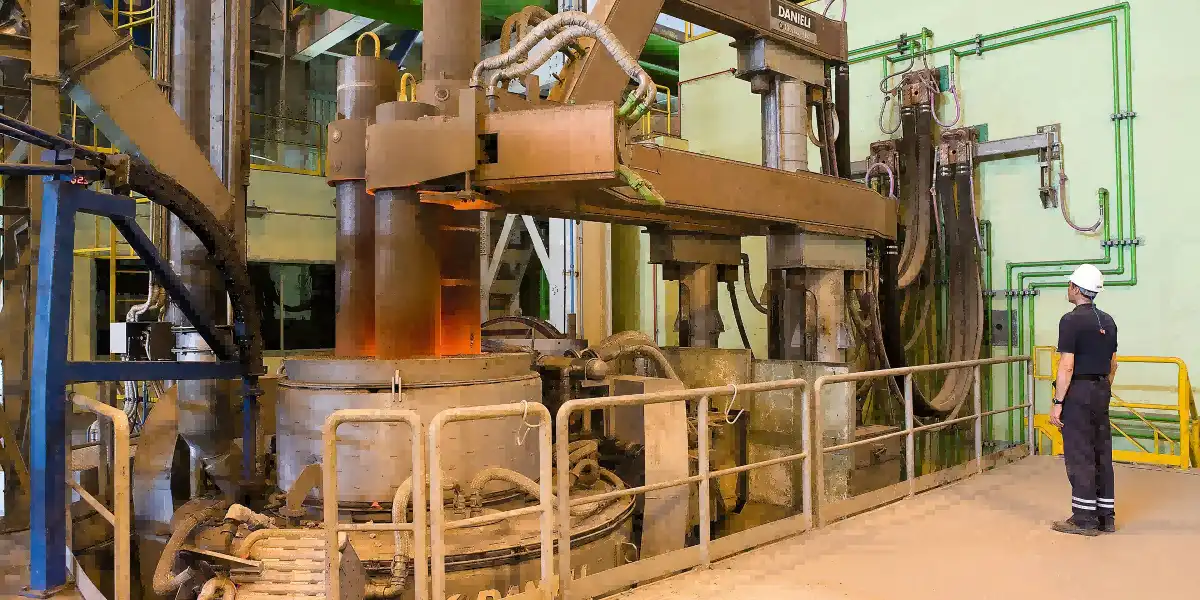
Metal refining activities require equipment that provides regular purity, thermal accuracy, and operating dependability. The Industrial refining furnace is a very important purchase for metallurgical plants, mining companies, and steel mills that need to get rid of impurities, change the make-up of alloys, and meet strict quality standards. Picking the right provider can change the costs of everything from the original investment to running the business for decades. This complete guide helps B2B procurement professionals, plant engineers, and OEM partners navigate the complicated world of furnace buying. We will discuss technical requirements, how to evaluate suppliers, and buying strategies that will protect your investment and make production as efficient as possible.
Critical Factors to Consider When Choosing an Industrial Refining Furnace
To choose the right refining equipment, you need to carefully look at how much you need to produce, how much it will cost to run, and what it can do technically. Each choice has an impact on both the short-term and long-term functioning and economic success.
Production Capacity and Material Compatibility
The furnace's size must match your output needs. Standard models range from 5-tonne units that suit companies making speciality alloys to 50-tonne systems that big steel mills use. Customisable setups make it possible to precisely match to production plans while avoiding the costs of having too much capacity. Material compatibility is more than just tonnage; for example, different metals need different refractory linings, atmosphere controls, and processing cycles. For example, to refine steel, you need high-temperature magnesia-carbon bricks and control over oxidation and reduction. To handle aluminium, you need lower temperatures and better degassing skills.
Energy Efficiency and Operating Economics
During the furnace's lifetime, the amount of power used has a direct effect on the cost of production. Electric refining systems usually use between 100kW and 500kW, but the exact amount depends on their ability and the needs of the process. Compared to older equipment, modern designs use recuperative heat exchangers and better shielding that cut energy waste by 15 to 25 per cent. Local energy rates, maintenance schedules, electrode usage rates, and refractory replacement schedules should all be taken into account when figuring out the total cost of ownership. A thorough economic study usually shows that higher-quality equipment that costs more at first has better lifetime value because it lasts longer and costs less to run.
Automation and Process Control Features
Intelligent control systems turn polishing from something that is done by hand into a precise industrial process. During each production cycle, real-time monitoring records information about temperature, power use, and process parameters. In electric arc setups, automated electrode regulation devices keep the arc stable while minimising electrode wear. In more advanced setups, predictive maintenance programs look at how equipment is performing over time and replace parts before they break down unexpectedly and stop production. These technological features cut down on the need for workers, make batches more consistent, and stop expensive production interruptions before they happen.
Where to Find Reliable Industrial Refining Furnace Suppliers?
Decisions about where to get equipment have effects that last for years after the equipment is delivered. Not only does choosing a supplier affect the quality of the equipment, but it also affects ongoing technical support, the availability of parts, and help with process optimisation.
Evaluating Manufacturer Credentials and Experience
Reputable makers demonstrate their capabilities through industry certifications, product portfolios, and verifiable work records. These certifications—ISO 9001 for quality management, ISO 14001 for the environment, and ISO 45001 for occupational health—show that Shaanxi Heyuan follows a systematic process for quality control. They have more than 400 refining systems placed around the world in steel production, non-ferrous metals, and the creation of speciality alloys. A company's patents in areas like argon stirring systems, vacuum degassing technology, and refractory design show that they are constantly coming up with new ideas instead of just making the same old things.
Assessing Post-Sale Support Infrastructure
The quality of the installation has a big effect on how well it works. Leading suppliers offer full commissioning services that include setting up the equipment, figuring out the best way to run the process, and training the operators. Maintenance response times decide how quickly production can start up again after an unexpected problem. Companies with local service networks or rapid-deployment expert teams minimise downtime to avoid high costs. Three to five years into operation, when wear-and-tear parts need to be replaced, having spare parts on hand becomes essential. Setting up clear warranty terms that cover both broken equipment and performance promises will protect your investment during the crucial starting time.
Custom Engineering Capabilities for Specialized Applications
Standard catalogue items work in many different situations, but specific metalworking processes often require custom solutions. Companies that do special engineering can set up furnaces in ways that work best for certain alloys, large production numbers, or integrating with other equipment. Heyuanxin's design team works with clients to come up with refining methods that meet their specific needs. They do this whether they are making ultra-low-carbon steel for cars, high-purity copper for semiconductors, or special non-ferrous alloys. This consultative approach makes sure that the specifications of the equipment you use are precisely what you need for your metallurgical goals, instead of making the process give in to standard product limits.
Comparing Options: Industrial Refining Furnace vs Other Solutions
Knowing the differences between the different types of furnaces and heating methods makes it easier to choose the technology that is best for your business needs.
Refining Systems Versus Primary Melting Equipment
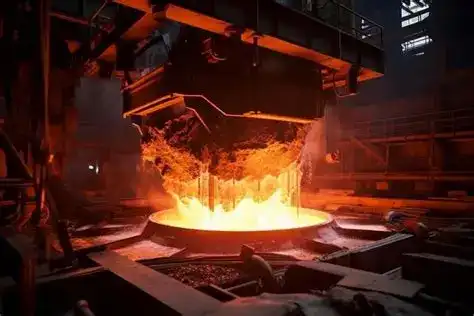
Smelting furnaces focus on output and heat efficiency as they melt solid raw materials into molten form at high temperatures. In refining furnaces, secondary metallurgical operations are done on already-molten material, with the main goals of getting rid of impurities, changing the composition, and improving quality. Because of this difference in function, design objectives are different: refining systems have vacuum chambers, gas injection systems, and precise atmosphere control that main melting equipment does not have. When you try to use smelting furnaces for refining tasks, the results aren't as good, and refining furnaces aren't big enough or fast enough for primary melting tasks.
Electric Heating Versus Gas-Fired Systems
Compared to gas-fired options, Industrial refining furnaces are easier to automate, have better temperature control, and run cleaner. Precise power regulation lets you change the temperature in minutes, and it can handle the complex heat cycles needed for modern metalworking processes. Some benefits for the environment are that there are no emissions from combustion at the point of use, and it can work with green energy sources. Gas-fired systems may have lower running costs in places where natural gas is cheap, but they lose pinpoint control and release byproducts of combustion that make managing the environment more difficult. The choice depends on how much energy costs in the area, rules about the environment, and how precise the process needs to be.
Integrating Advanced Automation Technologies
Smart refining systems that use industrial IoT sensors and AI to control the process represent the latest technology. These innovations provide a level of visibility into refining operations that has never been seen before by continuously collecting data, including thermal profiles, power consumption patterns, and melt chemistry evolution. Machine learning algorithms find the best mixtures of parameters for each grade of alloy and then change the processing conditions automatically to keep the quality of the output constant. Remote tracking lets tech teams find problems and improve performance without having to be on-site. This saves money on travel and accelerates the problem-solving process.
How to Safely Procure and Implement Your Industrial Refining Furnace?
To successfully buy equipment, you need to plan every step of the way, from coming up with the initial specifications to finishing and getting the equipment up and running.
Structured Procurement Process
The starting point is writing down specific technical needs like the amount of work that needs to be done, the materials that need to be used, the temperature ranges, and the quality goals. Ask for detailed quotes that include the prices of the equipment, installation services, training programmes, and the length of the warranty. The technical specs should include information about the refractory materials, the power source needs, the cooling system's ability, and the features of the control system. Before sending out equipment, pre-purchase inspections at manufacturing facilities check the quality of the build, the certification of the materials, and the quality control processes. By setting clear acceptance criteria and performance testing protocols, you can avoid getting equipment that doesn't work as promised.
Professional Installation and Commissioning
The performance, safety, and working life of tools are all directly affected by how well they are installed. Installation teams that are qualified know important details like what the base needs to be, how to connect the electricity, what kind of water is needed for cooling, and how to cure the refractory. Commissioning services make sure that the fitted equipment works as it should in terms of temperature regularity, heating rates, atmosphere control, and safety interlocks. During commissioning, operator training ensures that production staff know how to do their jobs correctly and what regular maintenance and repair steps to follow. A lot of paperwork, like operating manuals, maintenance schedules, and lists of spare parts, keeps things running.
Proactive Maintenance and Long-Term Performance
Regular maintenance plans keep furnaces working longer and stop them from breaking down when they're least expected. Important tasks include checking the refractory, the cooling system, the electrical connections, and the control system. Keeping track of the life of consumable parts like electrodes, refractories, and heating elements lets you replace them when it's convenient for you, instead of having to shut down in an emergency. Building ties with equipment makers so you can get expert advice helps you find the best refining settings as production needs change. To follow safety rules, you have to keep an eye on things like pressure relief systems, emergency shutdown functions, and personal protective equipment.
Conclusion
Buying solid refining equipment is a long-term investment that will impact the quality of the metal, the speed of operations, and the company's ability to compete for years to come. To do a good job of buying, you need to weigh the technical requirements against the total cost of ownership while giving top priority to the supplier's expert support, quality assurance, and service after the sale. The market for Industrial refining furnaces has a lot of choices. However, distinguishing between generic suppliers and specialised makers will help you get the right tools or the best metallurgical solutions. Shaanxi Heyuan is a reliable partner for tough refining tasks in steel production, non-ferrous metallurgy, and speciality alloy manufacturing because we are always coming up with new technologies, making the best products, and providing excellent customer service.
FAQ
What temperature ranges do industrial refining furnaces typically operate within?
Within what temperature ranges do Industrial refining furnaces usually work? The temperatures used depend on the metals being worked on. Aluminium and copper alloys are refined between 700°C and 900°C, which is hot enough to remove gases and change the makeup without too much oxidation. In order to keep the steel liquid while desulfurisation and deoxidation processes are going on, it needs to be heated to much higher temperatures, usually 1500°C to 1700°C. Modern refining systems can precisely control the temperature within ±5°C of these ranges, making sure that the mechanical results are the same from batch to batch.
How do I evaluate warranty coverage and after-sales support quality?
Comprehensive warranties usually last between 12 and 24 months after you put the equipment into use. They cover both faults in the equipment and performance promises. Look at the warranty terms to see what parts are covered, how long they say they will respond, and what services are included, such as remote diagnostics. When judging the quality of after-sales support, you should look at things like maker references from past customers, the availability of local service staff, the sites of extra parts inventory, and how quickly the technical hotline is answered. Manufacturers who keep their specialised service networks up and running show they care about their customers long after the equipment is sold.
Partner with Shaanxi Heyuan for Superior Refining Solutions
When working with metal, you need equipment that always does its job, day after day, year after year. Shaanxi Heyuan New Metallurgical Electric Furnace Equipment Co., Ltd. has over 15 years of experience and has worked on more than 400 sites around the world. Our Industrial refining furnace systems get rid of more than 99.5% of impurities while keeping chemical accuracy within 0.05%. This level of accuracy directly leads to better product quality and lower scrap rates. Different production needs can be met with customisable configurations ranging from 5 to 50 tonnes, along with full services that include design, manufacturing, installation, commissioning, and ongoing technical support.
Purchasing managers are looking for an Industrial refining furnace source like our "turnkey" service because it makes complicated projects easier to handle. Our engineering team works with your technical staff to come up with refining methods that are best for your metal needs and output goals. We keep unplanned downtime to a minimum with fast repair response methods. This helps you meet your production and delivery goals. Get in touch with our team at sxhyyj606@163.com to talk about your refining needs and find out how our advanced metallurgical systems can help you compete. You can look at detailed specifications and case studies and request a quote that fits your operational needs by going to hyyjfurnace-supply.com.
References
1. Smith, J.R. & Patterson, M.K. (2023). Advanced Metallurgical Furnace Technologies: Design, Operation, and Optimisation. Industrial Press, New York.
2. Chen, L. & Rodriguez, A. (2022). "Energy Efficiency Improvements in Electric Arc Refining Systems." Journal of Metallurgical Engineering, Vol. 48, No. 3, pp. 127-145.
3. International Organization for Standardization (2021). ISO 13579: Industrial Furnaces and Associated Processing Equipment—Method of Measuring Energy Balance and Calculating Efficiency. Geneva, Switzerland.
4. Thompson, D.W. (2023). Procurement Best Practices for Industrial Equipment: A Comprehensive Guide for B2B Buyers. Manufacturing Technology Publishers, Chicago.
5. Anderson, K.P., Liu, H., & Weber, S. (2022). "Vacuum Degassing Technologies in Secondary Steelmaking: Performance Comparison and Selection Criteria." Materials Processing Technology, Vol. 315, pp. 89-106.
6. American Society of Mechanical Engineers (2021). ASME Boiler and Pressure Vessel Code, Section VIII: Rules for Construction of Pressure Vessels. New York, NY.


YOU MAY LIKE