
Industrial Reverse Blower Buying Guide for Factories
August 7, 2026
When you're managing a metallurgical plant, steel mill, or smelting operation, choosing the right dust removal equipment determines whether your production line runs smoothly or struggles with downtime. An Industrial Reverse Blower serves as the critical pneumatic core in dust collection systems, generating the negative or bidirectional pressure needed to clean filter bags through reverse airflow pulses. This specialized equipment differs significantly from standard ventilation fans because it maintains stable pressure during directional changes while handling high-temperature, dust-laden environments. Understanding how these reverse blowing systems fit into your electric arc furnace or ladle furnace operations will directly affect your energy costs, environmental compliance, and operational continuity.
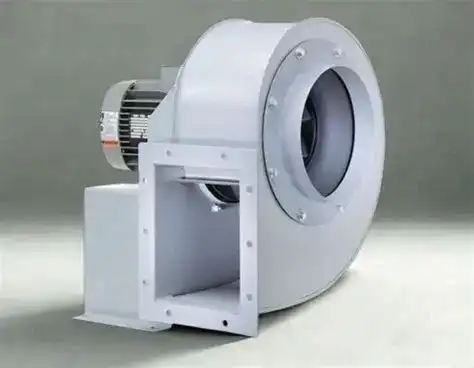

Understanding Industrial Reverse Blowers – Function, Types, and Benefits
What Makes Reverse Blowing Technology Different?
The basic idea behind Industrial Reverse Blower equipment is to use controlled pressure bursts to push collected particulate matter off of filter surfaces. Instead of just pushing dirty air outward as most exhaust fans do, this technology creates alternating pressure dynamics that pull air through filter media during normal operation and then reverse the flow direction to clean those same surfaces. Shaanxi Heyuan's systems can handle pressure spikes of 5 to 50kPa and flow rates of up to 80m³/min. These specs were made to work in metallurgical settings where other equipment fails.
The main technical benefit is the mechanism that lets you change the strength. You can change the Industrial Reverse Blower force based on how much dust is accumulating in real time. This rate changes a lot during different stages of steelmaking. This flexibility stops two common issues: not cleaning enough, which lowers pressure and slows down production; and cleaning too much, which damages filter materials too soon.
Core Types and Their Industrial Applications
Regenerative side-channel fan units represent the most popular type of metallurgical dust cleaning equipment. These units use impellers that don't touch each other and spin at 2850 to 3450 RPM. This enables oil-free movement that meets Class 0 air quality standards. The die-cast aluminium ADC12 housings are excellent at transferring heat, which is very important when temperatures near electric arc furnaces hit 60°C. Pulsation-free performance is good for your system because it protects sensitive filter structures and gives you consistent cleaning cycles.
Axial reversible designs work well in situations where the direction needs to change quickly. When you use 6300kVA to 72000kVA furnaces to make ferroalloys, these setups handle big changes in temperature during the tapping and charging processes. Because it can work in both directions, there is no wait time between stages of production, and negative pressure is kept in check throughout the whole process.
Multi-stage pressure setups address installations where single-stage units can't create enough vacuum depth. Dual-impeller setups are useful for processing tasks that need to move materials through long ducts or handle minimal particles. Engineers at Heyuan size these Industrial Reverse Blowers by figuring out the right speed for your needs while also taking into account the quantity flow requirements.
Measurable Operational Benefits
The most important benefit is that energy efficiency is getting better. Modern Industrial Reverse Blowers with high-efficiency fans save more than 12% of the energy used by older systems. In situations where production runs continuously over three shifts, such an improvement means big yearly cost savings. Precise flow rate matching eliminates wasted power from conventional fans that are oversized.
Getting rid of noise protects your workers and keeps them working hard. OSHA rules can be followed without the need for extra acoustic enclosures when operating levels are at or below 80dB. Dynamic balancing to ISO 1940-1 Grade G2.5 standards achieves low vibration levels, which keep mounting systems and linked ducts from wearing out.
Because the propeller shape doesn't touch anything, it requires a lot less maintenance. Because the design only contacts air, there is no wear from particulate abrasion, so your maintenance teams spend less time replacing bearings and fixing seals. Industrial Reverse Blowers that are the right size usually last longer than 20,000 hours without stopping between big repair intervals.
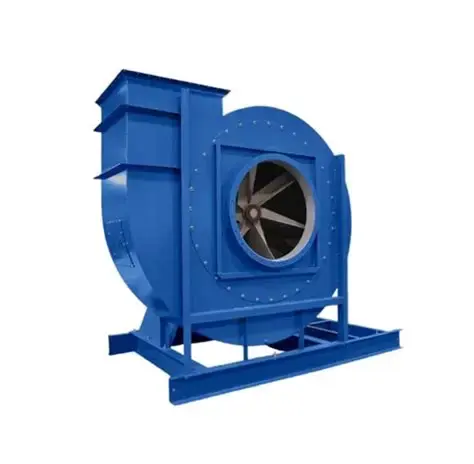
Comparing Industrial Reverse Blowers with Other Blower Technologies
Performance Characteristics Across Equipment Types
Centrifugal fans make a lot of standing pressure, but they can't change directions enough to clean filters well. While these units are great at moving things or keeping the exhaust air moving, they can't make the quick pressure changes needed to remove ash. There are also significant differences in how much energy is used. Centrifugal designs become much less efficient when they have to work with changing system resistance, which is precisely what happens during filter loading cycles.
Positive displacement equipment keeps the volumetric flow steady even when the pressure changes. Rotary lobe and screw compressors keep working even when filter bags gather dust, which makes them look good at first. But because they are so complicated mechanically, they are difficult to maintain, which takes away from their theoretical benefits. In industrial settings where product quality is important, oil contamination from these units is a big problem.
Vacuum pump systems are useful in some situations, but they usually can't handle the large amounts of flow needed to collect a lot of dust. Even though they achieve a stronger vacuum, the cubic metres per minute output isn't enough when you have to manage capture hoods that cover multiple charging ports on the furnace. The cost of capital per cubic metre of handling capacity is a lot higher than for equipment designed specifically for Industrial Reverse Blowers.
Selection Criteria for Your Specific Operations
Finding the right technology starts with figuring out how much energy you actually need. Check how much filter surface area your current collectors have, and then use standard air-to-cloth ratios that are tailored to metallic dust. For electric arc furnaces, the face velocity needs to be between 1.5 and 2.5 meters per minute. This directly relates to the quantity of output your Industrial Reverse Blower needs to provide.
When you figure out the static pressure, you have to take into account the whole system's resistance, including the filter media when they are clean, the friction losses in the ducts, and the difference in pressure that is needed to clean filled bags. Heyuan's engineering team uses computational fluid dynamics modelling to ensure the equipment details are right for your installation, rather than just choosing from a catalogue.
A lifecycle cost study shows what the real value is. Comparing the initial purchase prices by themselves leads to poor decisions about what to buy. Think about how much energy the machine will use over five years of use, the cost of planned maintenance, and the cost of unplanned downtime. Industrial Reverse Blowers designed for industrial settings have a lower total cost of ownership, even if they cost more to buy at first.
Procurement Guide – How to Buy Industrial Reverse Blowers with Confidence
Evaluating Manufacturer Credentials and Capabilities
Checking the supplier's important certifications that show they have engineering skills and quality control methods is the first step in qualifying them. The ISO quality management system certification proves that manufacturing processes are standardised, which ensures that equipment works the same way every time. Environmental and workplace health licences show that a company is dedicated to running environmentally friendly businesses, which is important when you're in charge of corporate responsibility projects.
Patent files show real creativity, not just putting together parts. Shaanxi Heyuanxin Metallurgical Electric Furnace Equipment has more than ten utility model patents that cover technologies for dust collection systems. These intellectual property assets show that the company spent money on fixing real-world operating problems instead of just adding small changes to generic equipment.
The history of completing projects shows that someone is capable. Manufacturers who say they know a lot about metalworking should show works they've done in similar situations. Heyuan has completed more than 400 projects in South Korea, Vietnam, Thailand, and Kazakhstan. These projects have used a wide range of furnace sizes and production sites, showing that Industrial Reverse Blower designs work successfully in real-world industrial settings.
Navigating Pricing Structures and Customization Options
Standard catalogue equipment doesn't usually meet the exact needs of metallurgical installations. The best plan for your Industrial Reverse Blower depends on how your electric arc furnace is set up, how much floor room you have, and what kind of electrical infrastructure you already have in place. Customisation is what sets true manufacturing partners apart from companies that simply sell equipment. Heyuan engineers change the motor power specs (from 0.5kW to 200kW), the way they are mounted, and how the controls are integrated so that they work with your plant's operating procedures.
When you're looking to expand your building or make equipment the same across various production lines, bulk procurement methods can help. Volume agreements usually let you get better prices and make managing your extra parts inventory easier at the same time. Consider all-inclusive packages that cover both the original setups and the tools needed for planned future capacity increases.
After-sales service agreements protect businesses against problems that might happen with their operations. Carefully read the warranty terms—the length of coverage, the parts that are included, and the response time promises all vary a lot from one supplier to the next. Heyuan offers technical support 24 hours a day, seven days a week, so your repair team can get expert help no matter what Industrial Reverse Blower shifts they are on or what time zone they are in.
Critical Technical Specifications to Verify
The pressure rise must be equal to or greater than the highest resistance your system can handle when it's full of dust. If you don't specify the right Industrial Reverse Blower, it won't be able to keep the right face velocity through the filters, which will lead to early breakthrough and emissions violations. Instead of single-point specs, which may only show what works best, ask for approved performance curves that show output across the whole working range.
Standard temperature and pressure conditions (STP) should be used in flow rate specs so that plans can be accurately compared. Be wary of companies that show data from non-standard conditions that make performance look better than it really is. Check that the limits given are in line with ISO 5801 testing guidelines, which are the world's standard for proving Industrial Reverse Blower aerodynamic performance.
Motor protection features stop catastrophic failures that could stop work in the middle of an important activity. Built-in protections against overload, overheating, and phase failure keep your expensive equipment safe and keep emergency repair costs low. Even though there is dust and moisture in metallurgical environments, Industrial Reverse Blowers with an IP55 or IP65 rating will still work reliably.
Installation, Maintenance, and Troubleshooting Tips for Industrial Reverse Blowers
Proper Setup Procedures for Optimal Performance
The installation process begins with preparing the base to handle the vibrations caused by the operation. Even though properly balanced Industrial Reverse Blowers don't vibrate much, the mounting surfaces must provide solid support to stop the equipment from gradually becoming out of line. When equipment is placed near areas where precision is required, vibration-isolating materials should be added to concrete pads or structural steel platforms.
The links between ductwork have a big effect on how well a system works. Smooth transitions between duct diameters prevent turbulence that leads to increased pressure loss. Follow the minimum straight-run lengths that are suggested, which are usually five duct diameters upstream and three diameters downstream from where the Industrial Reverse Blower enters and exits the system. These gaps make sure that there is steady airflow so that the equipment can work at its best.
When integrating electricity, it's important to make sure that the motor protection devices and control circuits work well together. Variable frequency drives (VFDs) let you change the speed of an Industrial Reverse Blower so that it can meet changing process needs. But when choosing a VFD, you need to think about the motor's insulation class and how to reduce bearing current. Heyuan's systems have Class F or H insulation ratings, which means they can work with VFDs without the need for extra filtering.
Preventive Maintenance That Extends Service Life
To keep downtime to a minimum, your production calendar should match up with your routine Industrial Reverse Blower inspection schedules. Visual checks done once a month identify problems like loose mounting hardware, failing electrical connections, or ductwork that isn't connected properly before they lead to unplanned shutdowns. Motor amp draw checks, belt tension checks for configurations that use belts, and monitoring of bearing temperature are all part of detailed inspections that happen every three months.
Maintaining the filter element on the Industrial Reverse Blower outlet has a direct effect on how long it lasts and how consistently it works. If dust builds up on intake screens, it raises resistance, which makes motors need more current while letting less air flow through. Cleaning times depend on how much dust is in the air, but in industrial settings, they are usually every week to once a month.
Bearings should be oiled at intervals set by the manufacturer, usually every 2000 to 4000 hours of use for Industrial Reverse Blowers that don't have permanently sealed bearings. Too much grease leads to high temperatures and early seal failure, while not enough grease damages the bearing surface. Record when you lubricate things so you can set baseline intervals that work for your unique working conditions.
Addressing Common Operational Issues
When there is too much vibration, it usually means that the impeller is out of balance because of particle buildup or mechanical damage. An immediate study stops bearing failure and the possible loss of very important Industrial Reverse Blowers. Before starting up again, turn off the system, inspect the impeller for any buildup of debris or physical damage, and make sure the mounting hardware is tight.
When performance goes down, there is less airflow at a steady motor speed or the inability to maintain the minimum static pressure. Systematic Industrial Reverse Blower fixing starts with making sure the ductwork is intact. Joints that are split or expansion connections that don't work properly raise the system's resistance. Next, verify the condition of the filters in the dust collectors that are connected. Too much load causes back pressure that is higher than the equipment can handle. Lastly, inspect the blower impeller clearances and wear surfaces for damage that makes the machine work less well.
Noise patterns that aren't normal are a sign of Industrial Reverse Blower problems that need to be fixed right away. High-frequency screaming is a sign of worn bearings or not enough oil. The rhythmic beating sounds like an imbalance or parts that aren't tight. Continuous screaming sounds mean that airflow is being slowed down or that the system is having too much resistance. During setup, your maintenance team should set up standard acoustical signs so that they can detect any changes that could mean a problem is starting to form quickly.
Case Studies and Practical Applications in Manufacturing
Electric Arc Furnace Dust Management Success
A steel mill with two 75-tonne electric arc furnaces had trouble with their old dust collection system, which meant they had to change bag filters more often and pay more for energy. Shaanxi Heyuan did site surveys that showed the Industrial Reverse Blower pressure wasn't high enough during times of high production. The old equipment only raised the pressure by 3kPa, which wasn't enough to get rid of the fine iron oxide particles that are common in EAF operations.
When Heyuan's engineered Industrial Reverse Blower system with 15 kPa pressure power and smart automation features was put in place, performance measures changed. The service life of filter bags went from 8 months to more than 24 months. The amount of energy used to collect dust dropped by 14%, even though the system produced more steel. The automated pressure modulation got rid of the need for manual operator input, freeing up staff to do more useful tasks.
The consistency of production got a lot better. Unplanned shutdowns for emergency filter changes decreased from six times a year to zero over the next 18 months. The environmental compliance officer said there were no opacity violations, which meant there were no regulatory reporting duties and no chance of getting fined. The Industrial Reverse Blower investment paid for itself in 22 months, just from saving money on energy costs and not having to update the filters.
Ferroalloy Production Optimization
A ferroalloy maker using 25MVA submerged arc furnaces was under more and more pressure to lower the amount of dust in the workplace. The Industrial Reverse Blower needed for effective bag filter cleaning could not fit in their current centralised exhaust system, as it was not designed to handle reverse blowing. Because of the limited space around the furnace platforms, it wasn't possible to build big central blower rooms.
Heyuan engineers created a spread system with several small Industrial Reverse Blowers placed next to separate dust-gathering hoppers. The flexible method meant that installation could happen during planned shutdowns for furnace relining, which cut down on the time needed for a dedicated capital project. Even though they were close to work areas, each unit's sound-dampening container kept noise levels below the facility's background noise.
After the changes were made, tracking of the air quality showed that the amount of respirable dust in the areas where furnace operators breathed dropped by 68%. The speed of production went up because workers didn't have to stop work to clean filters by hand. The distributed configuration also made the Industrial Reverse Blower system more reliable, since a single unit failure would only affect one collection point instead of the dust control for the whole building.
These real-world findings show that Industrial Reverse Blowers that are properly designed can handle the unique problems that come up in metallurgical processes. Customised specifications, smart controls, and strong building all work together to improve safety, efficiency, and cost in measurable ways.
Conclusion
Choosing the right Industrial Reverse Blower technology protects the productivity of your metalworking operation while also protecting the environment and workers. Your dust removal system will either be a reliable asset or a constant upkeep burden depending on its technical specs, the credibility of the maker, and the structure of its after-sales support. Shaanxi Heyuan has a history of success in electric arc furnace and ladle furnace environments, which shows that we know how hard the conditions must be for your equipment. The combination of smart control systems, high-efficiency motors, and flexible designs meets both short-term operating needs and long-term cost management goals. When making your purchasing decision, you should put life cycle value ahead of initial purchase price. This is because well-designed Industrial Reverse Blowers pay for themselves in years of reliable service, not just months of small savings.
FAQ
How do I determine the correct size of the reverse blowing system for my dust collector?
To figure out the right size, you need to know how much dust your filter is filtering and how much air it is filtering. Metallurgical dust usually needs a face velocity of 1.5 to 2.5 meters per minute. To find out how much volumetric flow you need, multiply your filter area by this speed. The Industrial Reverse Blower system pressure must be high enough to beat the resistance of the clean filter, the losses in the ductwork, and the difference in pressure that is needed for successful cleaning. For well-designed installations, these factors usually add up to 5–15kPa.
Can reverse blowing equipment integrate with my existing control system?
Multiple control integration pathways are available with modern Industrial Reverse Blowers. When used with dust collector differential pressure switches, hardwired relay logic allows for simple on-off operation. Adding a PLC makes it possible to set up complex sequences that make cleaning cycles work with Industrial Reverse Blower production phases. Communication protocols like Modbus and Profibus make it possible to connect to SCADA systems that control the whole plant. During the planning phase, Heyuan experts set up control interfaces that work with the automation system of your building.
What maintenance plan keeps things from breaking down without warning?
Visual checks done once a month find problems before they get bad enough to shut down operations. Every three months, thorough checks are done to make sure the electrical connections are correct, the temperature of the bearings is checked, and the Industrial Reverse Blower input filter is cleaned. Manufacturers recommend that bearings be oiled every 2000 to 4000 hours. A full service once a year should check the rotor, test the motor's insulation, and compare performance to data from the initial setup. Writing down all of your maintenance tasks creates patterns that let you act before they happen instead of after the fact.
Partner with Shaanxi Heyuan for Reliable Dust Removal Solutions
Your mining business needs Industrial Reverse Blower equipment that was made to work in the harsh conditions of steel and ferroalloy production. Shaanxi Heyuan New Metallurgical Electric Furnace Equipment has been designing, making, and starting up Industrial Reverse Blowers for electric arc furnaces, ladle furnaces, and smelting operations around the world for more than ten years. With more than ten utility model patents and ISO-certified quality management processes, we make sure that our tools can work in hot places and save energy in a meaningful way. Email our engineering team at sxhyyj606@163.com when you're ready to talk about how our customisable solutions can help your facility's specific dust collection problems. As a reliable maker of Industrial Reverse Blowers for metallurgical plants in several countries, we offer full turnkey solutions, from the initial planning phase to installation, commissioning, and ongoing expert support 24 hours a day, seven days a week.
References
1. American Society of Mechanical Engineers (ASME). "Performance Testing of Industrial Ventilation Systems: ASME PTC 11-2008." ASME International, 2008.
2. Industrial Ventilation Committee. "Industrial Ventilation: A Manual of Recommended Practice for Design, 29th Edition." American Conference of Governmental Industrial Hygienists, 2016.
3. Schicht, H. and Willeke, K. "Filter Cleaning Mechanisms in Pulse-Jet Fabric Filters." Powder Technology Journal, Vol. 86, No. 2, 1996, pp. 165-172.
4. Chen, Y.S. and Hsiau, S.S. "Filtration and Reverse Cleaning Performance of Pleated Filter Cartridges." Separation Science and Technology, Vol. 42, No. 7, 2007, pp. 1433-1448.
5. Environmental Protection Agency. "Control Technologies for Hazardous Air Pollutants: Handbook." EPA/625/6-91/014, Office of Research and Development, 1991.
6. Metallurgical Industry Press. "Electric Arc Furnace Dust Collection System Design and Operation Manual." Beijing Metallurgical Industry Publishing House, 2014.


YOU MAY LIKE