
Where to Buy a Reliable Medium Frequency Furnace?
August 5, 2026
When you're searching for a reliable medium-frequency furnace, the answer depends on your production priorities and technical requirements. The smartest approach involves partnering directly with established manufacturers who offer complete design-to-commissioning solutions, hold verifiable certifications, and maintain proven track records in metallurgical equipment. Working directly with manufacturers removes extra costs from middlemen and gives you access to custom engineering, genuine spare parts, and responsive technical support. Reputable suppliers like Shaanxi Heyuan New Metallurgical Electric Furnace Equipment Co., Ltd. exemplify this standard, combining over 15 years of specialized experience with ISO quality certifications and more than 400 installed systems worldwide.
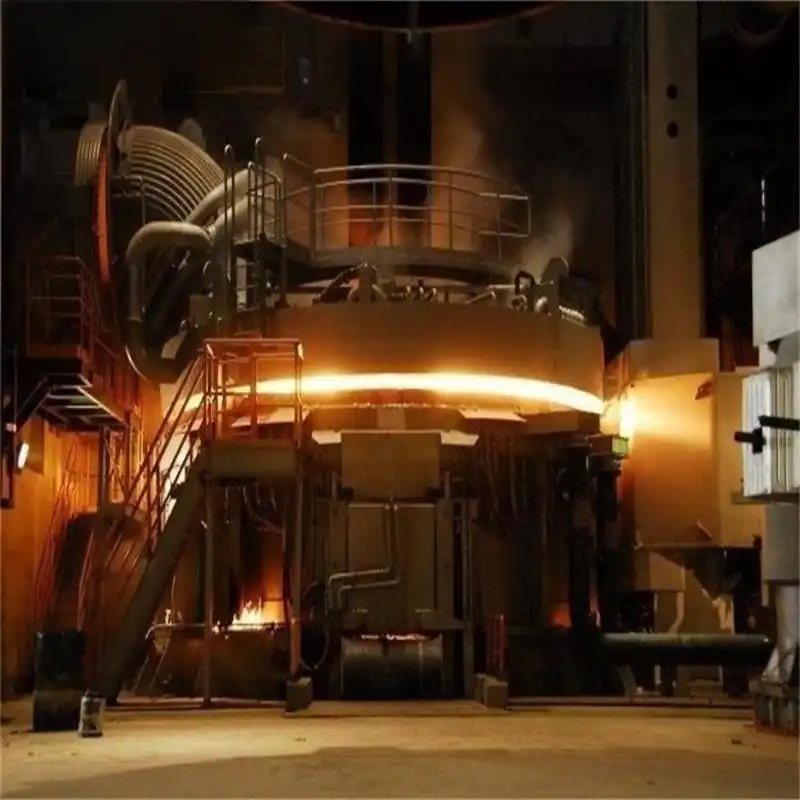
Understanding Medium-Frequency Furnaces
What Makes Induction Heating Different?
Within the metal charge itself, electromagnetic principles create heat during induction melting. Medium Frequency Furnace systems make rotating magnetic fields that cause eddy currents in sensitive materials. This process is different from combustion furnaces, which transfer heat through flame contact. These currents heat up the charge volume rapidly with Joule heating, which melts metal from the inside out. The frequency range is usually between 150 Hz and 10 kHz, which is a suitable mix between heating strength and penetration depth.
Core Operational Advantages
The technology solves several important problems in industry that regular furnaces cannot. Electromagnetic stirring naturally mixes the different parts of molten metal, which doesn't happen with static melting systems. You can precisely set the temperature to within ±5°C, which is very important with metals that have small processing windows. Energy efficiency is 75–80% thermal conversion, which is a lot better than fuel-fired options that lose heat through exhaust fumes.
It's easy to follow environmental rules when the process doesn't produce any direct fumes. Your building avoids the problems with air quality that come with burning things, keeping the workplace cleaner and safer. Modern units that work at frequencies between 1 and 3 kHz can do full cold starts without needing molten heels. This gives production options that older power frequency designs can't match.
Industrial Applications Across Sectors
Foundries use these devices for casting jobs that need to be very accurate in terms of the makeup. It is easy for the furnaces to work with cast iron, steel, stainless alloys, and special grades. Metallurgical processing plants use them to heat everything from copper and brass to aluminium and bronze. They can be used for ferrous and non-ferrous materials. In another important use, pre-forging heating- fast, even heating- cuts down on scale growth and material loss. Controlled heating cycles that improve grain structure without overheating are beneficial for heat treatment operations.
Evaluating Options: Medium Frequency Furnace Comparison
Power Efficiency and Frequency Selection
Knowing the difference between frequency bands can help you find the right tools for your needs. Higher frequencies, above 8 kHz, work best for minor entry tasks like hardening the surface and melting small amounts of material. Medium frequencies, between 1 and 3 kHz, are best for most foundry and steelmaking tasks because they deliver deep penetration and good stirring action. The melting speed and processing ability are based on the power density, which is given in kW per kilogram of metal.
Technology Comparison: Induction vs. Arc Furnaces
Arc furnaces are the most common way to make steel on a large scale because they can handle a lot of scrap. But they pick up carbon from the electrodes and need a lot of extra processing. Induction systems get rid of all electrode pollution, which makes melts that are cleaner and easier to control chemically. Arc furnaces need to change their electrodes and replace their refractories on a regular basis, while induction units mostly need to have their linings and cooling systems maintained.
When the batch size is less than 20 tonnes, operational expenses favour induction technology. Our systems use about 650 kWh per tonne of steel, which is about 20% less than similar arc melting systems. Not having to pay for electrodes and using less refractory material lowers the total cost of ownership over the life of the equipment even more.
Capacity Considerations: Matching Furnace Size to Production
Small units with 20–100 kW are well suited for job shops and speciality foundries that make amounts of 100–500 kg. Mid-range systems with 100–250 kW serve medium-sized foundries and companies that make parts. These systems can hold between 1 and 3 tonnes. For ongoing production settings, installations with more than 250 kW can melt 5 to 10 tonnes of metal per cycle. As a result, chamber sizes range from small crucibles measuring 200 mm x 300 mm to big tanks measuring 1000 mm x 1500 mm that are made to be used for a long time.
Leading Technology Providers
Global companies like Inductotherm and ABB have built their names over decades of engineering development and installations all over the world. These businesses are great at handling big turnkey projects worth more than $5 million USD because they use tried-and-true plans and have large service networks. Regional manufacturers like Heyuanxin offer good alternatives, with competitive prices, the ability to customise, and quick customer service. Our engineering team changes designs to fit your exact needs for smelting materials and capacity, which is something that mid-sized projects often can't get from large multinational suppliers.

Where and How to Buy a Reliable Medium-Frequency Furnace?
Direct Manufacturer vs. Distributor Channels
There are several strategic benefits to buying directly from manufacturers that affect both the initial costs and the long-term success of your business. You get rid of dealer markups, which can make the price of tools go up by 15 to 25 per cent. Direct ties provide you with access to tech experts while you're making specifications, which is something that sales reps can't do. Technical support is given by the engineers who designed your system, not by outside contractors who are learning how to use the equipment with you.
In some markets, authorised wholesalers are very helpful because they handle the details of importing goods, ensure compliance with local rules, and keep spare parts on hand. You should weigh these benefits against the extra cost and the extra steps your team has to take to communicate with the production experts.
New Equipment vs. Refurbished Systems
New Medium Frequency Furnace systems have the most up-to-date control technology, full warranties, and safety certifications. You don't get the maintenance problems or unknown history of the equipment that the previous owners had. While refurbished furnaces may look like a good deal, they come with hidden risks, such as worn-out power supplies, damaged coils, and control systems that are too old to have modern safety features. It's getting harder and harder to find replacement parts for older models, which could leave you stuck when your car breaks down.
High-voltage insulation testing, coil pressure testing, and full-load operating trials must all be part of the inspection process for used equipment. The paperwork for certification should show that it meets the latest safety and electricity standards. Expect less service life and higher maintenance costs compared to new installations, even if they've been carefully checked out.
Pricing Factors and Budget Planning
The cost of equipment is directly related to how much power it has and how well it was built. Beginner 50 kW units cost between $15,000 and $25,000 USD and are suitable for small foundries and research. Systems with 150 to 250 kW usually cost between 40,000 and 80,000 USD, but this depends on how automated they are and what kind of refractory they use. When you add full installation, commissioning, and training packages, industrial installations over 500 kW can cost more than 200,000 USD.
Review the warranty coverage and after-sales assistance system in addition to the purchase price. Protect your investment with full warranties that cover both the equipment and the work that was done during installation. Service agreements that spell out reaction times and parts availability keep output from stopping, which costs a lot of money. Our normal warranties cover flaws in the way the product was made for 24 months. For important work environments, we offer longer warranties.
Logistics and Installation Timelines
Standard versions usually ship 15 to 20 days after an order is confirmed, so they can be put to use quickly when capacity is needed right away. It takes 30 to 45 days to make custom-engineered products, plus time for shipping and installation. When you ship things internationally, you need to carefully coordinate things like clearing customs, moving goods, and paying import duties. Working with suppliers who know how to handle exports makes the process go much more smoothly.
Installation requires specialised knowledge that electrical companies usually don't have. Getting the base ready, integrating the cooling water system, and connecting the power source correctly all have a direct effect on how long equipment lasts and how well it works. Our full installation packages include on-site commissioning, operator training, and advice on how to make the process run more efficiently. This means your team can start using the system as designed immediately.
How to Select the Right Medium-Frequency Furnace for Your Business?
Matching Capacity to Production Requirements
First, look at how much you're currently producing and how much you think it will grow. When equipment is too small, it forces inefficient multiple heats and limits the growth of throughput. When systems are too big and only partially loaded, they waste energy and raise capital costs for no reason. Figure out how much metal you need on a daily basis, how much you need at peak production, and how flexible you want your batches to be. A factory that makes two to three tonnes of metal every day usually needs 150 to 200 kW of power to keep its schedules on track and allow for repair breaks.
Material-Specific Considerations
When melting, different metals need different methods. Because cast iron has a lot of carbon, it needs to be heated at controlled rates so that too much gas doesn't escape. Stainless steel, which melts at higher temperatures (around 1500°C), requires strong refractory systems and sufficient power density. To keep oxidation losses as low as possible, copper and aluminium alloys need either an inert atmosphere or protective fluxes. Our research team looks at the information you give them about the material and tells you what the best frequency, power level, and crucible configurations are for your alloys.
Supplier Certification and Quality Verification
Check that you can see and touch the certificates, not just marketing promises. The ISO 9001 quality management certification shows that the factory has organised its rules and documented its processes. Getting ISO 14001 approval for environmental management shows that you are committed to using sustainable methods. Safety approvals for electrical tools show that they meet accepted standards. Heyuanxin has many certifications, including recognition as a provincial company and a 3A credit enterprise. We also have more than ten utility model patents that protect our design ideas.
Referrals from customers in similar fields are a great way to find out how well something works in real life and make sure the quality is good. Get contact information for similar sites and talk to their plant managers and repair teams about their experiences.
After-Sales Support Structure
Support staff's ability to quickly resolve problems is more important than how reliable the equipment is. Check to see if the supplier has a sufficient supply of spare parts, technical support, and training for service technicians. Important wear parts, like boiler linings and induction coils, should be easy to obtain and have clear wait times. Technical help should be available during your work hours, not just during the supplier's normal business hours.
We keep long-term relations going by providing reliable wear parts and providing timely repair support. Our expert team gives you ongoing advice on how to improve processes, which helps you change how things are done as production needs change. This relationship-based approach cuts downtime and makes equipment last much longer than it did when first set up.
Maintenance, Safety, and Operational Best Practices
Preventive Maintenance Schedules
Regular inspections keep small problems from getting worse and stopping production. Every day, you should check the flow rates of cooling water, any strange sounds or vibrations, and the condition of the coils you can see. Water quality testing is done once a week as part of maintenance to keep cooling circuits from scaling. Conductivity must stay below 200 µS/cm to keep corrosion from speeding up. Every month, checks are done to see how the refractory lining is wearing, how tight the electrical connections are, and how the capacitor banks are doing.
Major maintenance is done every 6 to 12 months, depending on how often the machine is used. During these events, the coil insulation is thoroughly tested, the power box is cleaned, and the control system is calibrated. Our quick-change lining design cuts the time it takes to replace the refractory to less than two hours. This means that production stops less often than with standard designs, which need 8–12 hours to switch over.
Critical Safety Protocols
Working with high temperatures and electric fields is both very dangerous and needs strict safety measures. Operators must get full training on how to shut down in an emergency, what safety gear they need, and how much electromagnetic field exposure is safe. Overcurrent, overvoltage, not enough cooling flow, and overtemperature should all be protected by automated safety systems. When dangerous situations occur, multiple redundant safety interlocks stop the equipment from working.
Most of the time, severe machine damage is caused by problems with the water cooling system. Continuous flow tracking and automatic shutdown keep the coil from burning out when the cooling stops. By checking the pressure often, leaks can be found before they cause internal short circuits.
Energy Optimization Strategies
To get the most out of thermal efficiency, you need to pay attention to more than just the equipment's specs. Charge preparation has a big effect on how well melting works. For example, scrap that is compacted improves magnetic coupling and shortens the melt time compared to free material. The right charge size stops bridging and makes sure that heating patterns stay the same. Not superheating past the required pouring temperature wastes energy and speeds up the wear of the refractory.
Harmonic filtering and power factor adjustment make electricity use more efficient while lowering utility demand charges. IGBT-based power sources today keep power factors above 0.95 even when the load changes, which is a lot better than older thyristor designs. Autonomous process controls make the best heating curves based on the charge's make-up and the end temperature that is wanted. This cuts down on human error and wasted energy.
Conclusion
Investment choices aren't just based on the purchase price; they also take into account things like energy efficiency, maintenance costs, and production uptime. When equipment saves 20% of energy and changes linings in just two hours, it pays for itself through lower costs and more availability. Verifiable references, supplier certifications, and a track record of success can tell the difference between trustworthy partners and sellers who just disappear when problems arise.
FAQ
What lifespan should I expect from a quality medium-frequency furnace?
If you keep your induction melting system in good shape, it should last between 15 and 20 years. The real lifespan varies a lot on how hard it is used, how well it is maintained, and the properties of the charge material. Power sources and structure parts usually last longer than replacing the crucible and covering more than once. Regular preventative maintenance and replacing worn parts when they wear out on time can make equipment last a lot longer than setups that aren't taken care of.
Can one furnace handle multiple metal types?
Since there is no anode pollution to deal with, induction technology is great for making alloys flexible. If you choose the right crucible and change the heating parameters, you can switch between steel, iron, copper, and aluminium alloys. Cross-contamination can't happen because the crucible has to drain completely between alloy changes. Because they can do so many things, Medium Frequency Furnace systems are great for job shops and foundries that have a lot of different customers with different needs.
How do I verify a supplier's reliability before purchasing?
Ask for specific customer examples from installations that are like the one you want to use, and then call those facilities to talk about their performance and customer service experiences. Instead of relying on seller documents alone, check certifications with the groups that issued them. Check the supplier's technical answer quality during pre-sale talks. Their engineering depth and communication clarity can tell you a lot about the quality of their future support. Check the state of the business's registration, its credit rating, and its copyright rights to make sure it can stay in business and come up with new technologies.
Partner with Shaanxi Heyuan: Your Trusted Medium-Frequency Furnace Manufacturer
Since 2008, Shaanxi Heyuan New Metallurgical Electric Furnace Equipment Co., Ltd. has been a leader in induction melting solutions, sending more than 400 units to metallurgical companies around the world. Our ISO-certified manufacturing processes and large portfolio of patents show that we are dedicated to quality and new ideas, which procurement teams can rely on. We provide full turnkey solutions, from the initial planning phase to installation and commissioning. Our services are backed by quick expert help and a steady supply of spare parts.
No matter if you need a small 20-kW unit or a large 500-kW industrial installation, our engineering team can make furnace configurations that are perfect for your specific smelting materials and capacity needs. Email us at sxhyyj606@163.com to talk about the details of your project and get a full technical plan. You can see our whole selection of products at hyyjfurnace-supply.com, and that's why top foundries choose Heyuanxin as their main Medium Frequency Furnace provider.
References
1. Rudnev, V., Loveless, D., Cook, R. (2017). Handbook of Induction Heating: Second Edition. CRC Press, Boca Raton.
2. Davies, E.J. (1990). Conduction and Induction Heating. Institution of Engineering and Technology, London.
3. Zinn, S., Semiatin, S.L. (1988). Elements of Induction Heating: Design, Control, and Applications. ASM International, Materials Park.
4. International Electrotechnical Commission (2010). IEC 60519-1: Safety in Electroheat Installations - Part 1: General Requirements. Geneva.
5. American Foundry Society (2016). Melting and Metal Treatment Guidelines for Ductile Iron Production. Schaumburg.
6. Steel Founders' Society of America (2018). Steel Castings Handbook: Supplement 10 - Induction Melting Practices. Crystal Lake.


YOU MAY LIKE