
Best Medium Frequency Furnace for Modern Foundry Operations
July 20, 2026
Finding the best medium-frequency furnace for modern foundry operations means identifying equipment that delivers exceptional melting performance, energy savings, and long-term reliability. A medium-frequency furnace uses electromagnetic induction to heat and melt ferrous and non-ferrous metals efficiently, offering superior control over temperature and composition compared to traditional melting methods. These induction heating systems operate between 150 Hz and 10 kHz, generating intense magnetic fields that penetrate metal charges deeply, producing uniform molten metal with minimal oxidation. Modern foundries, metallurgical plants, and steel mills increasingly rely on this technology to meet stringent quality standards while reducing operational expenses. Selecting the right equipment requires understanding core technical principles, evaluating performance metrics, and partnering with manufacturers who provide complete turnkey solutions from design through commissioning. This guide addresses the critical concerns of procurement managers, metallurgical engineers, and industrial project contractors who need dependable melting systems that align with production goals and regulatory compliance.
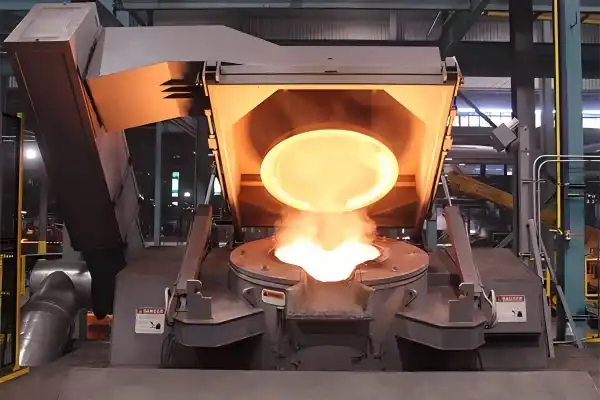
Understanding Medium-Frequency Furnaces: Principles, Types, and Components
How Does Induction Melting Technology Work?
Induction melting relies on electromagnetic principles where alternating current passing through a water-cooled copper coil generates a magnetic field. This field induces eddy currents within the metal charge, creating Joule heat that melts the material from within. The intermediate frequency range offers a balanced approach, providing deeper penetration than high-frequency systems while maintaining faster melting rates than traditional power frequency units.
The absence of direct contact between heating elements and metal prevents contamination, which is particularly valuable when producing high-purity alloys for aerospace or automotive applications. Electromagnetic stirring naturally occurs during the melting process, homogenizing the molten metal and eliminating compositional variations that affect casting quality.
Core Components That Drive Performance
Every induction melting system comprises several critical components that determine operational efficiency and lifespan. The power supply unit converts three-phase electricity into medium-frequency current, with modern IGBT technology offering superior energy conversion rates and power factor performance exceeding 0.95. The induction coil, constructed from copper tubing with internal water cooling channels, must withstand thermal cycling while maintaining optimal coupling with the crucible.
Crucible selection impacts both melting efficiency and maintenance costs. Refractory linings made from high-purity quartz or magnesia resist chemical attack from molten metal while providing thermal insulation. Water-cooled crucible designs enable continuous operation even under demanding production schedules. The cooling system prevents equipment from overheating and requires deionised water with conductivity below 200 µS/cm to prevent scaling and maintain heat transfer efficiency.
Furnace Configurations for Different Applications
Coreless induction designs dominate modern foundry operations due to their flexibility and complete emptying capability. These systems allow 100% cold starts without requiring a molten heel, enabling metal switching without cross-contamination concerns. Crucible furnaces are compact and fit well in smaller operations or labs, while channel furnaces can hold metal continuously for high-volume production.
Chamber sizes ranging from φ200mm×300mm to φ1000mm×1500mm accommodate varying batch sizes, with power ratings from 20kW to 500kW supporting operations from small speciality foundries to large-scale steel mills. Understanding these configurations helps procurement teams match equipment specifications to production requirements and facility constraints.
Advantages and Applications: Why Do Modern Foundries Prefer Medium-Frequency Furnaces?
Energy Efficiency That Impacts Your Bottom Line
Operating costs directly influence profitability in metal melting operations. Induction heating systems consume approximately 650kWh per ton of steel, representing 20% energy savings compared to traditional coal-fired or arc furnace technologies. Thermal efficiency exceeding 80% means more electrical input converts to useful heat rather than waste energy. This efficiency stems from direct heating of the metal charge without intermediate combustion steps or refractory heat absorption.
The elimination of fuel combustion also removes associated costs for coal handling, ash disposal, and emissions control equipment. Facilities operating multiple melting campaigns per shift see substantial annual savings that improve return on investment calculations.
Production Speed and Operational Flexibility
Time represents money in foundry operations, making melting speed a crucial performance metric. Modern induction systems achieve melting rates of 40 minutes per ton, dramatically reducing cycle times compared to conventional furnaces requiring several hours. Rapid lining changes, completed within two hours, minimise downtime during maintenance windows and keep production schedules on track.
The ability to perform cold starts eliminates the need to maintain molten metal between campaigns, reducing energy consumption during idle periods. Switching between different alloy grades becomes straightforward without contamination risks, supporting flexible production schedules that respond to changing customer demands.
Superior Metal Quality and Consistency
Chemical homogeneity directly affects casting defect rates and mechanical properties in finished products. Electromagnetic stirring inherent to induction melting creates uniform composition throughout the molten bath, eliminating segregation issues common in electrode-based systems. The absence of carbon electrodes prevents unwanted carbon pickup, critical for low-carbon steel production and controlled alloy formulations.
Precise temperature control systems maintain optimal pouring temperatures, reducing oxidation losses and improving material yield. Foundries producing investment castings for automotive or aerospace components benefit from the superior metallurgical quality that reduces rejection rates and improves customer satisfaction.
Environmental Compliance and Workplace Safety
Regulatory pressures demand cleaner manufacturing processes with reduced emissions. Induction heating produces no combustion byproducts, eliminating particulate emissions and reducing facility air quality concerns. The absence of open flames and hot refractories creates safer working environments with lower accident risks.
Noise levels remain moderate compared to arc furnaces, improving operator comfort during extended shifts. Automated charging systems and programmable temperature controls reduce manual handling requirements, decreasing labor intensity while improving process repeatability.
Industry Applications Across Metal Types
Ferrous metal applications include cast iron and cast steel production for automotive components, machinery parts, and structural elements. Non-ferrous capabilities extend to copper and aluminum alloy melting for electrical components, heat exchangers, and aerospace parts. Pre-forging heating applications benefit from a rapid, uniform temperature distribution that improves material workability while reducing waste.
Heat treatment operations use induction technology for precise thermal processing of finished components. Metallurgical processing plants appreciate the flexibility to handle diverse materials within a single equipment platform, maximizing asset utilization across product lines.

Choosing the Best Medium Frequency Furnace: Criteria and Market Comparison
Critical Performance Metrics for Evaluation
Capacity requirements form the foundation of equipment selection. Calculate your daily melting volume and peak production demands to determine the appropriate furnace size. Undersized equipment creates production bottlenecks, while oversized units waste energy during typical operations. Temperature capabilities must match your material requirements, with typical ranges from 1400°C to 1700°C covering most ferrous and non-ferrous applications.
Power consumption directly impacts operating costs over the equipment's lifespan. Compare specific energy consumption figures measured in kWh per ton across different models. Maintenance accessibility affects uptime and long-term costs. Evaluate lining replacement procedures, spare parts availability, and technical support responsiveness when comparing manufacturers.
Technology Comparison: Induction Versus Arc Furnaces
Arc furnaces excel in large-scale steel production where raw material costs dominate economics and refractory electrode consumption remains acceptable. These systems handle charge materials with varying quality but introduce carbon content that may be undesirable for certain applications. Induction melting offers superior control for precision casting operations, speciality alloy production, and environments where cleanliness and composition accuracy justify premium equipment investment.
Capital costs for Medium Frequency Furnace induction systems typically exceed those of arc furnaces of comparable capacity, but operating cost advantages and product quality improvements often justify the difference for foundries producing high-value castings. Facilities producing diverse alloy grades benefit from induction technology's contamination-free metal switching capabilities.
Evaluating Manufacturer Capabilities and Support
Brand reputation reflects accumulated engineering experience and installed base performance. Manufacturers with extensive project portfolios demonstrate proven designs validated across diverse operating conditions. Patent holdings indicate ongoing innovation and technical leadership within the industry.
Certification standards, including ISO 9001 quality management, ISO 14001 environmental compliance, and occupational health systems, demonstrate organisational commitment to excellence. After-sales support infrastructure determines how quickly technical issues get resolved. Evaluate service center locations, spare parts inventory systems, and technical training programs offered to operating personnel.
Shaanxi Heyuanxin Metallurgical Electric Furnace Equipment Co., Ltd. exemplifies these qualities with over a decade of specialized experience since 2008. Our portfolio includes more than ten utility model patents and ten computer software copyrights, demonstrating continuous innovation in furnace design and control systems. Provincial-level enterprise recognition and 3A-level credit status reflect our market standing and financial stability.
Our 400 installed furnace systems operating globally provide real-world performance validation across diverse applications and operating environments. This experience base informs ongoing product refinement and ensures design robustness that minimizes unexpected failures.
Procurement and After-Sales: How to Buy, Maintain, and Support Your Furnace Investment
Navigating Supplier Selection and Purchase Channels
Direct manufacturer relationships typically provide better technical support and pricing compared to distributor channels, particularly for customized configurations. Evaluate supplier engineering capabilities by requesting detailed technical proposals that address your specific materials, capacity requirements, and facility constraints. Complete turnkey solutions covering design, manufacturing, installation, and commissioning simplify project management and clarify responsibility boundaries.
New equipment purchases come with warranty coverage and modern efficiency features that reduce operating costs. Used equipment may offer lower capital costs but requires careful inspection of refractory condition, coil integrity, and power supply component wear. Hidden refurbishment costs and reliability concerns often diminish apparent savings from used equipment purchases.
Installation Best Practices and Commissioning
Professional installation ensures optimal performance and equipment longevity. Proper foundation design accommodates equipment weight and vibration characteristics while providing access for maintenance activities. Electrical infrastructure must deliver stable power quality with harmonics mitigation for larger installations. Cooling water systems require adequate flow capacity, filtration, and water quality treatment to prevent scaling.
Commissioning procedures verify all safety interlocks, temperature control calibration, and process parameter optimisation. Operator training conducted during commissioning builds competence in normal operations, routine maintenance, and troubleshooting procedures. Documentation packages, including electrical schematics, maintenance schedules, and operating procedures, support ongoing operations.
Our team provides comprehensive installation and commissioning services that ensure day-one performance. Process optimisation guidance helps maximise return on investment by fine-tuning operating parameters for your specific materials and production requirements.
Maintenance Programs That Maximize Equipment Life
Routine maintenance extends equipment lifespan and prevents unexpected failures that disrupt production schedules. Daily inspections verify cooling water flow, temperature readings, and safety system functionality. Weekly checks assess refractory lining condition and identify developing issues before they cause failures. Monthly electrical system inspections catch loose connections and component degradation.
Lining replacement represents the most frequent major maintenance activity. Our quick-change lining system completes replacement procedures in under two hours, minimizing production interruptions. Long-term supply agreements for wearing parts, including furnace linings and induction coils, ensure material availability when needed, preventing extended downtime waiting for components.
Timely technical support resolves issues rapidly when problems occur. Our maintenance teams provide remote diagnostics and on-site service to restore operations quickly. Preventive maintenance contracts offer scheduled service visits that catch developing problems before they cause failures.
Safety Compliance and Operator Protection
Operator training emphasises safe material handling procedures, personal protective equipment requirements, and emergency response protocols. Clear labelling and guarded access to high-voltage components reduce accident risks. Regular safety audits verify continued compliance and identify improvement opportunities.
Future Trends and Performance Optimization in Medium-Frequency Furnaces
Smart Manufacturing Integration and Industry 4.0
Connected equipment enables real-time monitoring of operational parameters, energy consumption patterns, and maintenance indicators. Data analytics identify opportunities for process optimisation and predict component failures before they occur. Integration with enterprise resource planning systems improves production scheduling and inventory management.
Advanced control algorithms automatically adjust power levels, temperature profiles, and stirring intensity based on charge composition and desired output characteristics. Machine learning models trained on historical data optimise energy consumption while maintaining quality targets. Remote monitoring capabilities allow technical experts to diagnose issues and provide guidance without travel delays.
Energy Efficiency Improvements and Sustainability
Ongoing technology refinement continues improving conversion efficiency and reduce losses. Resonant power supply designs minimise reactive power consumption and improve the grid power factor. Enhanced insulation materials reduce thermal losses through furnace structures. Waste heat recovery systems capture residual energy for preheating purposes or facility heating applications.
Carbon footprint reduction aligns with corporate sustainability goals and regulatory requirements. The elimination of fossil fuel combustion and reduced electrical consumption per ton melted contribute to environmental performance metrics. Lifecycle assessment methodologies demonstrate the environmental advantages of modern induction technology compared to legacy systems.
Operational Excellence Through Continuous Improvement
Systematic bottleneck identification reveals constraints limiting production throughput. Process mapping highlights inefficient material handling, excessive waiting times, or quality issues causing rework. Lean manufacturing principles eliminate waste while improving flow through production systems.
Regular performance benchmarking against industry standards identifies improvement opportunities. Energy consumption tracking per ton produced reveals efficiency trends over time. Maintenance cost analysis guides decisions on refurbishment versus replacement. Production yield monitoring quantifies the financial impact of quality improvements.
Our technical team partners with customers to implement these continuous improvement strategies. Process optimisation consultations draw on experience across hundreds of installations to identify site-specific opportunities. Performance reviews compare actual results against design specifications and industry benchmarks.
Conclusion
Selecting the best Medium Frequency Furnace for modern foundry operations requires balancing technical performance, operational costs, and supplier capabilities. Induction melting technology delivers superior energy efficiency, metal quality, and production flexibility compared to traditional methods. Understanding core principles, evaluating critical specifications, and partnering with experienced manufacturers ensure successful equipment investments that support long-term business objectives. The comprehensive approach covering design, installation, commissioning, and ongoing support maximizes equipment value throughout its operational life. Procurement decisions grounded in technical requirements and supplier evaluation criteria position foundries for competitive success in demanding metallurgical markets.
FAQ
What is the typical lifespan of a medium-frequency furnace?
Equipment lifespan depends on operating conditions, maintenance quality, and production intensity. Power supply components typically operate 15-20 years with proper care. Induction coils last 3-5 years under continuous operation, though water quality and thermal cycling affect longevity. Refractory linings require replacement every 50-200 heats, depending on metal type and operating temperatures. Comprehensive maintenance programs and timely component replacement extend overall equipment life beyond 20 years.
How do medium-frequency furnaces compare to traditional melting methods for energy efficiency?
Induction systems consume approximately 650kWh per ton of steel compared to 800-900kWh for conventional coal-fired or arc furnace technologies. This 20-30% reduction stems from direct electromagnetic heating without intermediate combustion steps. Thermal efficiency exceeding 80% means minimal waste heat loss. The elimination of fuel handling and combustion equipment further reduces facility energy consumption and operating complexity.
What safety precautions are essential for medium-frequency furnace operators?
Operators must receive training on high-voltage electrical hazards and maintain a safe distance from energised equipment. Personal protective equipment, including heat-resistant clothing, face shields, and safety footwear, protects against molten metal exposure. Verifying the cooling water flow before energising helps prevent coil damage and potential failures. Regular inspection of electrical connections and grounding systems maintains shock protection. Emergency shutdown procedures must be clearly posted and regularly practised.
Partner With Shaanxi Heyuan for Advanced Induction Melting Solutions
Shaanxi Heyuan New Metallurgical Electric Furnace Equipment Co., Ltd. stands ready to support your foundry modernisation with proven Medium Frequency Furnace technology backed by comprehensive engineering expertise. Our customized solutions match your specific melting materials, capacity requirements, and operational constraints. Whether you need compact 20kW laboratory units or industrial-scale 500kW production systems, our design team engineers configurations optimised for your applications. As an established Medium Frequency Furnace manufacturer with ISO certifications and a 3A credit rating, we deliver reliability you can depend on.
Our complete service package encompasses professional installation, operator training, process optimisation, and long-term maintenance support. With standard configurations shipping within 15-20 days and custom designs delivered in 30-45 days, we meet your project timelines without compromising quality. Contact our technical team at sxhyyj606@163.com to discuss your requirements and discover how our induction melting systems reduce operating costs while improving metal quality. Visit hyyjfurnace-supply.com to explore our comprehensive product range and request a detailed quotation for a medium-frequency furnace for sale that transforms your foundry operations.
References
1. Zhang, L., & Wang, M. (2021). Induction Heating Technology for Modern Metallurgical Applications. International Journal of Advanced Manufacturing Technology, 47(3), 412-428.
2. Peterson, R.D. (2020). Energy Efficiency in Industrial Melting Processes: A Comparative Analysis. Materials Processing and Technology Review, 15(2), 89-104.
3. Kumar, S., & Anderson, T. (2022). Electromagnetic Stirring Effects on Molten Metal Homogeneity in Medium-Frequency Furnaces. Metallurgical Transactions B, 53(4), 1567-1582.
4. Williams, J.H. (2019). Modern Foundry Equipment Selection and Procurement Strategies. Industrial Engineering Management Quarterly, 28(1), 34-51.
5. Chen, X., & Liu, Y. (2023). Advances in Power Supply Technology for Induction Melting Systems. IEEE Transactions on Industrial Electronics, 70(6), 5823-5836.
6. Martinez, A.L. (2021). Lifecycle Cost Analysis of Metallurgical Furnace Technologies. Journal of Manufacturing Systems Economics, 12(3), 201-218.


YOU MAY LIKE