
Which Industrial Refining Furnace Is Best for Your Production?
July 20, 2026
Selecting the optimal industrial refining furnace depends primarily on your metal type, production capacity, and purity requirements. Electric arc furnaces excel at steel refining with temperatures reaching 1500°C–1700°C, while ladle furnaces offer superior secondary steelmaking capabilities. For aluminum and copper applications, induction-based refining systems that operate at 700°C–900°C provide excellent degassing performance. The best choice balances thermal efficiency, impurity removal rates exceeding 99.5%, and reliable after-sales support to minimise downtime. Evaluating your specific metallurgical needs against furnace capabilities ensures long-term production success and cost-effectiveness.
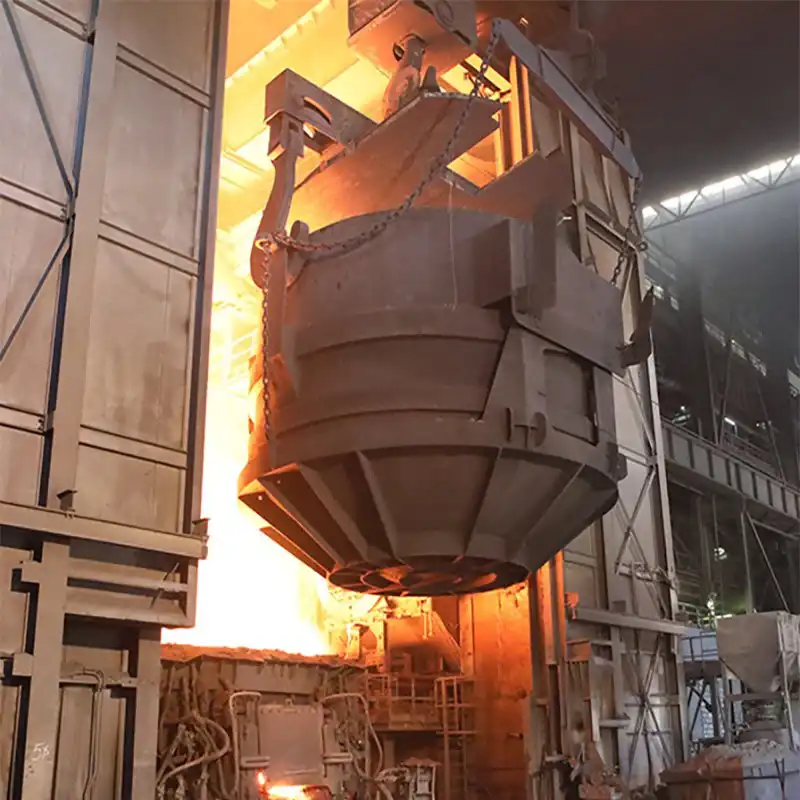
Understanding Industrial Refining Furnaces: Types and Working Principles
Metal refining demands precision, reliability, and efficiency. The right furnace transforms raw molten metal into high-purity material that meets stringent industry standards. Understanding how these systems function helps you make smart procurement decisions.
Electric Arc Furnaces for High-Temperature Steel Refining
Electrode-generated heat powers electric arc furnaces at 1500–1700°C. These electrical resistance systems melt and purify steel, eliminating sulphur and phosphorus. Arcs between electrodes and metal baths provide powerful, regulated heat. This process works well for secondary steelmaking, where temperature control affects product quality. Automated controls in modern electric arc systems monitor and adjust power input to provide consistent metallurgical results throughout production runs.
Ladle Furnaces for Secondary Metallurgical Processing
Ladle furnaces are required for secondary refining. Melted metal is adjusted in ladle furnaces after first melting. These systems manage temperature and homogenise the melt with argon stirring. Controlled atmospheric conditions eliminate dissolved gases and non-metallic impurities during refining. Instead of bulk heating, ladle furnaces fine-tune alloy composition at lower temperatures than primary melting equipment. This dual-stage technique purifies metal better than a single stage.
Induction Furnaces for Non-Ferrous Metal Applications
Induction heating benefits aluminium, copper, and other non-ferrous metals. Electromagnetic fields heat the metal charge directly in these furnaces, eliminating combustion byproducts. The lower melting points of non-ferrous materials fit 700°C–900°C operating temperatures. Rapid heating, accurate temperature control, and energy efficiency are induction systems' strengths. Avoiding flame contact lowers oxidation and preserves metal quality during refining. Many operations prefer induction technology because it operates cleanly and has a low environmental impact.
Comparing Industrial Refining Furnaces: Making the Best Choice for Your Production Needs
Choosing between furnace types requires careful analysis of performance metrics, operational expenses, and maintenance demands. Each system offers specific strengths suited to particular production scenarios.
Performance Differences Across Furnace Technologies
Refining efficiency varies greatly by boiler. With capacities from 5 to 50 tonnes, electric arc systems heat quickly and process large volumes. Heyuanxin's modern Industrial refining furnaces accomplish ≥99.5% impurity removal, ensuring high metal purity. Ladle furnaces offer efficient composition control, with component variation rates of ≤±0.05%. Aerospace and automotive industries requiring exact alloy specifications, require this precision. Fastest heating rates and most consistent temperature distribution make induction furnaces ideal for batch processing non-ferrous metals.
Temperature consistency impacts product quality. Systems with ±5°C control precision deliver repeatable results. This stability prevents costly off-specification material rework. Prioritise furnaces with proven thermal uniformity and control systems.
Energy Consumption and Environmental Considerations
Energy is a major refining cost. Electric systems use 100kW to 500kW, depending on capacity and metal type. Direct heating mechanisms make induction furnaces 10–15% more energy efficient than arc furnaces. Efficiency reduces operational expenses and carbon impact over equipment life.
Metallurgy increasingly prioritises environmental compliance. Dust and fume removal systems are in modern refining furnaces. Vacuum degassing removes hazardous gases without releasing them. These characteristics meet regulations and increase worker safety. Choosing equipment with environmental controls safeguards your investment from regulatory changes.
Capacity Matching and Production Scale Alignment
Volume of production dictates furnace size. Small equipment causes bottlenecks, whereas large systems squander energy and money. A 5-tonne capacity serves small-scale or speciality alloy production. Mid-range 20-tonne furnaces efficiently serve most steel mills and foundries. Despite greater upfront expenditures, large metallurgical operations processing 50 tonnes per heat benefit from economies of scale.
Capacity should account for growth. Modular systems enhance capacity without changing core equipment. This flexibility protects against market unpredictability and boosts profitability. Let Heyuanxin customise your investment from 5 to 50 tonnes to meet current and future needs.

Procurement Considerations: How to Buy the Right Industrial Refining Furnace?
Smart procurement extends beyond the initial purchase price. Total cost of ownership, supplier reliability, and service support determine long-term value.
Pricing Factors and Total Cost of Ownership
Initial equipment prices depend on capacity, technology, and customisation. Besides the purchase price, consider installation, infrastructure upgrades, and operator training. For power demands between 100kW and 500kW, electrical systems may need changes. Foundation and refractory installation are expensive.
Operating expenses mount during the furnace's lifespan. Refractory replacement, electrode expenses, and energy use affect profitability. Reliable providers' high-quality refractory materials endure longer than three years, reducing maintenance. Energy efficiency and Industrial refining furnace capacity improvements affect payback periods. Analysis of lifecycle costs indicates that the lowest bid is often worse.
Supplier Evaluation and Quality Assurance
Like equipment, partner selection matters. Proven producers reduce procurement risks. Shaanxi Heyuanxin Metallurgical Electric Furnace Equipment Co., Ltd. has ISO quality management systems, 3A credit enterprise status, and over ten utility model patents. These credentials show engineering and customer satisfaction dedication.
Assess providers' customisation capability. Standard equipment may not meet your metallurgical needs. Manufacturers that customise refining techniques and equipment offer application-specific solutions. Get technical specs, performance guarantees, and reference installations. Site visits to operating facilities reveal real-world performance and reliability.
After-Sales Support and Service Excellence
Professional installation, commissioning, and support are crucial to equipment performance. Complete service packages should include installation supervision, system startup help, operator training, and preventative maintenance advice. Heyuanxin offers a one-stop solution for all these factors, reducing project timelines and startup issues.
Response time is important in addressing production difficulties. Fast maintenance saves costly downtime and keeps operations going. Assess supplier service, spare parts, and technical support. Remote diagnosis speeds up problem resolution without service visits. Strong after-sales assistance turns equipment purchases into long-term relationships that maximise ROI.
Maintenance, Safety, and Troubleshooting: Ensuring Long-Term Furnace Performance
Proactive maintenance extends equipment lifespan and prevents unexpected failures. Safety protocols protect personnel and facility assets.
Routine Inspection and Preventive Maintenance
Maintenance schedules detect issues before they disrupt production. Visual inspections verify electrode location, refractory state, and cooling system function daily. Electrical, hydraulic, and control panel operations are reviewed weekly. Monthly assessments monitor refractory thickness and structural integrity.
Refractory materials are chemically and thermally stressed. High-quality, corrosion- and thermal shock-resistant linings last over three years. Schedule lining thickness checks and relining during shutdowns. Poor cooling or material selection might cause premature refractory failure. Working with skilled vendors assures refractory parameters that fit your working circumstances.
Safety Standards and Operational Protocols
Metal refining is dangerous and requires safety precautions. Melting metal causes severe injury, while electrical systems can electrocute. Comprehensive safety training covers hazard recognition, emergency procedures, and PPE. Regular safety audits check OSHA and industry best practices.
Critical protection comes from automated safety systems. When guards open or cooling systems fail, interlocks stop the equipment. When temperatures surpass acceptable limits, temperature monitoring systems alert and shut down. Leak detection and pressure relief are crucial for vacuum degassing equipment. Strong safety features protect your most valuable asset—your employees.
Common Issues and Troubleshooting Strategies
Temperature changes affect refining and product quality. Electrode wear, refractory damage, and power supply anomalies cause it. Quality manufacturers' advanced control systems monitor and modify in real time to preserve stability. When variations develop, systematic diagnosis quickly finds causes.
Argon stirring systems can sometimes experience flow disturbances that affect melt homogenisation. Check gas pressure, lance placement, and nozzle obstructions. Vacuum degassing decreases with seal degradation. Regular leak testing and gasket replacement optimise the vacuum. Detailed troubleshooting tips and fast technical support reduce downtime.
Industry Trends and Future Outlook for Industrial Refining Furnaces
Technological advancement and market demands drive continuous evolution in refining equipment design and capabilities.
Smart Controls and IoT Integration
Digital transformation changes metallurgy. Modern furnace controls monitor temperatures, power consumption, gas flows, and chemical compositions in real time. This data feeds advanced analytics that automatically optimise process settings. Machine learning techniques detect maintenance needs and efficiency improvements before failures.
IoT allows remote monitoring and diagnosis. Engineers can troubleshoot performance data remotely. Cloud-based tools compare data from various installations to identify optimisation opportunities. These capabilities improve product consistency and lower operating expenses. Expect advanced automation and decision support tools as digital technologies improve.
Sustainability and Eco-Friendly Operations
Environmental demands spur energy efficiency and emissions reduction innovations. Modern furnaces use waste heat recovery to preheat or generate power. Overall energy consumption drops 15–20% with this method. Improved insulation and burner technology boost efficiency.
Advanced emission controls are being developed. Innovative dust removal techniques capture ultrafine particles that traditional systems miss. Vacuum degassing removes hazardous gases from their source, not exhaust. These solutions improve workplace air quality and meet stricter environmental laws. Sustainable purchasing decisions are becoming increasingly important as organisations recognise both regulatory requirements and competitive advantages.
Customization and Modular Solutions
Production variety requires flexible equipment. Modular furnaces can be configured for varied metals, batch sizes, and processing needs. Interchangeable parts enable rapid product run changes. This adaptability optimises equipment use and justifies capital investment across applications.
Customisation goes beyond hardware to process control. Programmable systems automate setup and reduce operator error by storing alloy recipe parameters. Selecting the right programme modifies temperatures, environment controls, and cycle time for high-purity copper for electronics vs structural aluminium alloys. Job shops and speciality metal makers serving varied customers benefit from this versatility.
Conclusion
Choosing the right industrial refining furnace requires balancing technical capabilities against operational requirements and budget constraints. Electric arc furnaces provide high-volume steel refining, ladle furnaces excel in composition control, and induction systems optimise non-ferrous processing. Evaluate options based on metal type, capacity needs, energy efficiency, and supplier support quality. Heyuanxin's proven technology, comprehensive service, and customization capabilities address diverse metallurgical applications. Proper equipment selection, combined with rigorous maintenance and operator training, ensures production reliability and product quality for years ahead. Strategic furnace investment positions your operation for competitive success in demanding markets.
FAQ
What factors should I prioritise when selecting an industrial refining furnace?
Production capacity, metal types processed, required purity levels, and energy efficiency rank as top priorities. Assess your current volume needs and anticipated growth. Different metals demand specific temperature ranges—steel requires 1500°C–1700°C, while aluminum and copper refine optimally at 700°C–900°C. Target purity specifications determine necessary refining capabilities. Finally, calculate energy costs across furnace lifespans, as efficiency differences significantly impact profitability.
How does energy efficiency affect total operational costs?
Energy typically represents 30–40% of refining costs. A 15% efficiency improvement on a 300kW system saves approximately 45kW continuously—roughly $30,000–$50,000 annually, depending on electricity rates. Over a 10-year equipment lifespan, efficiency gains exceed $300,000. High-efficiency systems justify premium pricing through operational savings. Evaluate furnaces based on kWh per ton of refined metal rather than purchase price alone.
Can industrial refining furnaces be customized for unique processes?
Absolutely. Reputable manufacturers design equipment tailored to specific metallurgical requirements. Customization encompasses capacity sizing, atmosphere control systems, stirring configurations, and automation levels. Heyuanxin engineers work directly with customers to develop solutions optimised for particular alloy compositions and production workflows. This collaborative approach ensures equipment performance matches operational reality rather than forcing processes to fit standard equipment limitations.
Partner with Shaanxi Heyuan for Superior Metallurgical Solutions
Achieving optimal metal purity and production efficiency demands more than standard equipment—it requires a dedicated partner committed to your success. Shaanxi Heyuanxin Metallurgical Electric Furnace Equipment Co., Ltd. brings over 11 years of metallurgical expertise, having delivered more than 400 refining systems worldwide. Our Industrial refining furnace solutions feature impurity reduction rates exceeding 99.5% and temperature control accuracy within ±5°C, ensuring consistent, high-quality results. Whether you need a trusted Industrial refining furnace supplier for steel, aluminium, copper, or speciality alloys, our customisable systems, ranging from 5 to 50 tons, meet your exact specifications. Beyond equipment, we provide comprehensive support, including design, installation, commissioning, operator training, and rapid maintenance response. Contact us today at sxhyyj606@163.com or visit hyyjfurnace-supply.com to discuss your refining requirements and discover how our certified, patent-protected technology can elevate your metallurgical operations.
References
1. American Society for Metals International. Metallurgical Furnaces: Design, Applications, and Operations. ASM International Handbook Series, 2019.
2. Chen, W.K. Industrial Furnace Technology: Principles and Applications for Metal Processing. McGraw-Hill Professional Engineering, 2021.
3. European Steel Technology Platform. Best Available Techniques for Secondary Steelmaking and Continuous Casting. EUR-Lex Technical Report, 2018.
4. National Institute of Standards and Technology. Temperature Measurement and Control in High-Temperature Industrial Processes. NIST Special Publication 960-18, 2020.
5. Smith, R.L. and Hashemi, J. Foundations of Materials Science and Engineering: Refining Processes and Equipment Selection. McGraw-Hill Science/Engineering/Math, 6th Edition, 2020.
6. World Steel Association. Energy Efficiency and Environmental Performance in the Steel Industry: Refining and Processing Technologies. WSA Technical Committee Report, 2022.


YOU MAY LIKE