
Automatic Furnace Feeding System Buying Guide for Industry
July 20, 2026
When exploring options for automating material charging in metallurgical operations, understanding what an Automatic Furnace Feeding System offers becomes essential for modern manufacturing success. This intelligent material handling solution transforms how raw materials—including scrap metal, ingots, limestone, and fluxes—enter furnaces by replacing manual charging with precision-controlled automation. The technology addresses critical challenges in steel mills, foundries, and smelting facilities, providing consistent feed rates that stabilise melt temperatures while protecting your workforce from extreme heat exposure and hazardous fumes. By synchronising material delivery with melting cycles, these systems deliver measurable improvements in energy efficiency, furnace lining longevity, and overall production throughput that directly impact your bottom line.
Understanding Automatic Furnace Feeding Systems
Modern metallurgical operations require consistent, safe material delivery to maintain production excellence. Automatic Furnace Feeding Systems represent a fundamental shift from traditional manual methods that expose workers to risks while limiting operational efficiency.
Core Components and Operational Principles
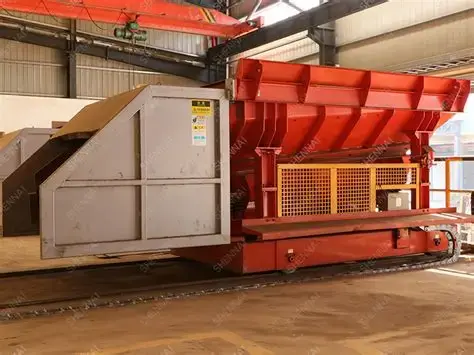
The architecture of advanced Automatic Furnace Feeding Systems integrates several specialized components working in harmony. Mechanical conveyors transport raw materials from storage areas, while vibratory feeders control precise flow rates. PLC-driven controllers synchronize these elements with your furnace's melting cycle, ensuring materials arrive exactly when needed. Load cells and weighing modules provide real-time feedback, which ensures dosing accuracy within ±0.5% tolerances—critical for maintaining metallurgical chemistry specifications.
Temperature-resistant construction materials withstand radiant heat up to 1200°C near furnace openings. Water-cooled jackets protect proximity sensors and mechanical components from thermal damage. The integration of SCADA interfaces allows operators to monitor performance metrics, adjust parameters, and receive maintenance alerts from centralised control rooms, reducing the need for personnel near hazardous charging zones.
System Classifications and Comparison
Different furnaces and materials require different feeding methods. Gravity-fed systems transfer pellets and granular fluxes easily and reliably using slanted chutes and gates. Belt, chain, and vibrating conveyors handle tiny particles to huge scrap pieces, providing versatility among furnace types. When fine commodities like pulverised coal or injection powders are carried through enclosed pipework, pneumatic systems reduce dust.
The most precise robotic charging arms are useful in aluminium casting houses, where the ingot location impacts bath turbulence and oxide formation. These systems optimise the angles and speeds of entrance to decrease material splash and protect boiler linings. Automatic Furnace Feeding Systems from Shaanxi Heyuanxin reduce charge time by 30% and maintain consistent positioning within 50mm deviation, surpassing manual charging methods in EAF, induction furnace, and converter applications.
How to Choose the Right Automatic Furnace Feeding System?
Selecting the appropriate Automatic Furnace Feeding System requires careful evaluation of your facility's specific operational parameters and long-term production goals.
Defining Critical Feeding Parameters
Material properties shape the system design. Scrap metal needs sturdy chain conveyors with abrasion-resistant liners, while fine ferroalloy powders need enclosed pneumatic conveyance with dust collection. Motor power for industrial installations is 15–150 kW, depending on feeding capacity, which ranges from 500 kg/h for small induction furnaces to over 100 t/h for big EAFs.
The method of charging depends on the furnace arrangement. Converter top-charging systems require overhead crane integration and basket positioning. Horizontal conveyors with retractable nozzles are needed for ladle furnace side-charging. For steel mills focused on reducing operational costs, the "Fifth Hole" roof feeding capability allows continuous injection of lime and carbon for EAF slag foaming, optimising metallurgical processes and minimising electrode consumption costs.
The temperature near your furnace affects the equipment. Automatic Furnace Feeding Systems operating in -10°C winter conditions and 200°C near furnace openings need sealing, lubrication, and thermal protection to ensure reliability.
Key Evaluation Metrics for Procurement
Dosing precision affects product quality and raw material prices. High-precision vibratory feeders and loss-in-weight technologies achieve ±100g accuracy per batch for costly alloys, which reduces waste and ensures compliance with metallurgical recipes. This precision is crucial when processing materials worth hundreds of dollars per kilogram.
Hardiness determines lifecycle costs. Hardox 450 or manganese steel hoppers and chutes can tolerate gritty scrap and sharp edges. Electromagnetic vibrators reduce material bridging without mechanical wear and repair. In high-particulate metallurgical conditions, IP65 or higher equipment resists conductive dust.
Maintenance accessibility impacts continuity. Instead of disrupting production, Automatic Furnace Feeding Systems with grease points, quick-change wear liners, and modular component replacement allow maintenance workers to do normal servicing during scheduled downtime. Integrated diagnostic devices that warn operators of bearing temperature spikes or motor current anomalies enable predictive maintenance procedures that extend equipment life beyond 8500 annual working hours.
Comparing Technology Options and Suppliers
Manual charging is still used in smaller operations, but has many drawbacks. Operator weariness impacts consistency, furnace temperature increases safety issues, and labour availability influences charging pace. Simple hopper gates and timers improve semi-automated systems, but modern quality requirements require precise input.
Fully Automatic Furnace Feeding Systems with PLC integration perform better through closed-loop control. Based on real-time boiler conditions, these systems regulate feed rates to optimise bath temperatures and reduce thermal stress on the refractory liner. The investment premium usually pays off in 18–24 months through lower labour costs, yield, and energy use.
Supplier accreditation shows production quality and safety. ISO 9001 quality management and ISO 14001 environmental certification show systematic process control and sustainable manufacturing. Manufacturers with many utility model patents, like Shaanxi Heyuanxin, display continual innovation and technical skill that lead to more reliable, efficient equipment designs.
Warranties and after-sales service affect long-term ownership. Mechanical components have 12-24-month guarantees, and vendors with 24/7 technical assistance, remote diagnostics, and regional spare parts inventories reduce downtime during unexpected failures. Heyuanxin's 11-year delivery of over 400 furnace equipment sets internationally shows operational experience that newer industry entrants cannot match.

Installation, Maintenance, and Safety Guidelines
Proper implementation and ongoing care of Automatic Furnace Feeding Systems determine whether your investment delivers projected returns or becomes a maintenance burden.
Step-by-Step Installation Process
Site preparation starts with structural evaluation. Ceiling support for overhead conveyors must handle dynamic loads during material transfer. Foundation criteria for floor-mounted equipment must include vibration and anchoring. Engineering teams can design specialised support structures and conveyor trajectories that fit within headroom and around utilities using a 3D laser scan of your facility.
Equipment placement near furnace openings impacts charging safety and efficiency. Automatic Furnace Feeding Systems must align charging trajectories to produce 'cushion layers' at furnace bottoms to protect refractory bricks from strong scrap impact during charging. Variable frequency motors allow operators to slow conveyor speeds during charging and speed up when protective layers form.
Integrating electrical systems requires cooperation in the facility's power distribution. Motor starters, VFDs, and control panels need adequate circuit protection and grounding to avoid electrical problems. Communication protocols, such as Profibus or Modbus, must connect to SCADA systems for centralised monitoring and control. Pre-commissioning testing checks safety interlocks, emergency stops, and sensor feedback loops before adding material.
Routine Maintenance Protocols
Preventive maintenance extends equipment life and prevents costly failures. Weekly inspections should examine conveyor belt tension, chute and hopper material buildup, and vibrator and agitator operation. Lubricating bearing assemblies every 200 operating hours avoids premature wear, and quarterly inspection of sacrificial wear liners detects components that need replacement before catastrophic failure.
Automation optical sensors and limit switches need regular cleaning to stay accurate. Dust collection might generate incorrect readings that disturb charging cycles or cause unwanted alarms. Air-purged sensor housings reduce contamination but still need inspection. Motor thermal protection systems should be evaluated quarterly to ensure overload response.
Diagnostic tools simplify troubleshooting common difficulties. Material jams are caused by moisture content changes or large particles; upstream screening and moisture monitoring prevent them. Worn vibratory feeder parts or miscalibrated frequency settings cause inconsistent feed rates. Detailed maintenance logs can identify recurring issues that may require design changes for your material.
Safety Features and Compliance Standards
In many businesses, Automatic Furnace Feeding System expenditure is for worker safety. Enclosures protect workers from conveyors and whirling parts. Interlocked access panels must be shut down before opening, and proximity sensors stop equipment when people enter hazardous areas. Industry safety research shows these features reduce manual charging-related occupational injuries by 75%.
Emergency stop systems must be placed regularly along conveyor runs for rapid shutdown from multiple places. Safety logic programming helps prevent uncontrolled material dumping that could damage furnace linings or endanger personnel during power outages. Compliance with ISO 13577 for industrial thermal processing equipment and regional machinery directives (CE, UL, and CSA) shows safety engineering methods.
Operator training should include routine operation, emergency response, and basic troubleshooting. Operations errors that damage equipment or endanger workers are reduced by thorough training. As part of their one-stop design, installation, commissioning, and training services, Heyuanxin provides complete operating manuals, maintenance procedures, and troubleshooting instructions tailored to your system setup.
Cost and Procurement Considerations for Industry Buyers
Financial planning for Automatic Furnace Feeding Systems requires understanding both upfront capital requirements and ongoing operational costs that affect the total cost of ownership.
Investment Structure by System Scale
Automatic Furnace Feeding Systems for small induction furnaces cost $50,000 to $150,000 and include basic conveyor systems with simple controls for single-material applications. Mid-range systems for 20-50 tonne EAFs cost between $200,000 and $500,000 and include multi-material handling, precise weighing, and integrated safety systems. Custom engineering, substantial system integration, and fifth-hole feeding capability can cost over $1 million for large steel mill installations with complicated material mixtures and many charge points.
Customisation heavily influences pricing. Catalogue equipment works for standard furnaces and common materials. Custom-engineered Automatic Furnace Feeding Systems, needed for uncommon space constraints, extreme material properties, or legacy control system integration, add 20-40% to base equipment prices yet optimise performance for your application. Avoiding operational sacrifices that diminish efficiency typically pays off.
Installation costs include rigging, foundation work, electrical connections, and commissioning, which typically account for about 15-25% of equipment expenditures. Complex site constraints, such as limited access, manufacturing shutdowns, or major structure alterations, may increase installation costs. Planning these actions during maintenance interruptions reduces production disruption and opportunity costs.
Sourcing Channels and Supplier Selection
Direct manufacturer partnerships benefit major projects that require customisation and long-term maintenance. Working closely with engineering teams ensures system design meets your needs. By reducing vendor coordination, integrated manufacturers like Heyuanxin's design, manufacturing, installation, and commissioning services simplify project administration.
Standard equipment packages benefit from local support from authorised distributors and regional representatives when prompt delivery and hands-on service are more important than thorough customisation. These partners generally stock spare parts and have service technician networks for faster equipment repairs. Ensure distributor authorisation and technical capability to avoid local vendors lacking knowledge to handle advanced Automatic Furnace Feeding Systems.
Price transparency and vendor comparison are available on online B2B platforms for small-to-medium equipment acquisitions. Automatic Furnace Feeding Systems are complex and require thorough specification, customisation, and integration, making transactional internet buying unsuitable for major installations. These platforms are best for replacing parts and accessories, not system procurement.
Financial Models and Support Terms
Equipment expected to last 15-20 years benefits from capital acquisition. Ownership eliminates lease payments and allows system modifications as production needs change. However, upfront capital expenditures can strain budgets, especially when many facility renovations occur simultaneously.
Equipment leasing or financing spreads costs across the asset's working life and reduces initial cash needs. Monthly payments of 1.5-2.5% of the equipment value are normal for 3-7 years, with purchase options at the end of the term. Automation boosts efficiency while preserving working cash for other operational needs.
Critical component warranties should be carefully considered. Standard warranties cover manufacturing defects for 12 months, while premium warranties for 24-36 months provide further security for distant locations with limited servicing access. Clarifying coverage details—including which components are covered, response time commitments, and service personnel travel costs—prevents costly warranty claim surprises.
Post-sales support infrastructure impacts business continuity. Suppliers with regional service facilities, spare parts warehouses, and 24/7 technical hotlines can respond quickly to unforeseen breakdowns. Technicians can remotely diagnose and fix issues using operator supervision before dispatching service workers. Over 400 global installations show that Shaanxi Heyuanxin's support network offers the basis for long-term operational success.
Maximizing ROI: Performance, Energy Efficiency, and Future-Proofing
Strategic optimisation of Automatic Furnace Feeding Systems transforms them from simple material handlers into powerful tools for competitive advantage and sustainability.
Identifying and Resolving Process Bottlenecks
A detailed performance study shows ways to increase throughput and lower costs. Charging cycle times beyond furnace melting capacity suggest undersized conveyors or material flow constraints. Installing more feed stations or upgrading to higher-capacity conveyors lets furnaces function at design capacity without charging speed limits.
Charging sequence errors often cause furnace material segregation, where various scrap grades or additives don't combine. By programming PLC controllers to swap material types during charging, the melt bath distribution improves chemistry consistency and reduces the need for corrective additions. For high-volume processes, this optimisation boosts yield by 1-3% and profitability.
Modern control systems offer data analytics insights not possible with manual processes. Charge times, material consumption, and energy usage per heat show trends and anomalies that may indicate equipment faults or process inefficiencies. Within the first year of optimisation, facilities using this data for continual improvement reduce energy use by 10-15% (kWh per tonne of production).
Energy Conservation and Environmental Benefits
Automatic Furnace Feeding Systems save energy in numerous ways. Continuous "trickle feeding" maintains furnace temperatures without cyclical heat losses from large material batches, cooling the melt bath. Reducing furnace door open duration lowers radiant heat loss, which wastes electricity and stresses cooling systems. Plants using optimised feeding strategies consume 8–12% less electricity than batch charging.
Precise material dosing removes manual measurement uncertainty-compensating additions. Reducing overcharging of expensive ferroalloys and fluxes by 2-3% can save medium-sized operations $50,000 to $200,000 annually and reduce slag disposal. These advantages serve economic and environmental goals.
Using dust collection equipment during material transfer and charging prevents fugitive emissions. Enclosed Automatic Furnace Feeding Systems with extraction points catch particulates before they enter the facility atmosphere, preserving worker health and meeting EPA emissions standards. Modern dust removal systems supporting automated feeders meet regulatory and business sustainability standards with capture efficiency over 99%.
Emerging Technologies and Adaptation Strategies
AI-integrated Automatic Furnace Feeding System optimisation is next. Machine learning algorithms anticipate ideal charging parameters depending on material, ambient temperature, and furnace conditions using past data. These systems maintain bath chemistry and temperature by automatically adjusting feed rates and material sequencing, reducing the need for operator expertise and enhancing consistency.
Internet of Things connectivity enables predictive maintenance, maximising equipment uptime. Vibration sensors for conveyor motors identify bearing degeneration weeks before failure, while thermal imaging detects electrical component hot spots. Automated work orders with component replacement recommendations allow maintenance crews to repair during planned shutdowns rather than emergency interventions that impede production.
Modular system architectures allow incremental updates as technology and production needs change. Replacement of a simple vibratory feeder with a precision loss-in-weight system, robotic charging arms for specialised commodities, or conveyor capacity improvements to meet production increases can be done without replacing the whole installation. This adaptability protects capital investments and keeps facilities competitive as industry standards rise.
Future innovations in metallurgical equipment include energy efficiency, automated intelligence, and environmental compliance. Facilities that buy quality Automatic Furnace Feeding Systems from established manufacturers position themselves to acquire these future capabilities, keeping their production infrastructure competitive for 15-20 years.
Conclusion
Implementing an Automatic Furnace Feeding System represents a strategic investment that transforms metallurgical operations through enhanced safety, improved efficiency, and better product quality. The decision framework presented here—covering system understanding, selection criteria, installation practices, cost analysis, and performance optimisation—provides procurement professionals with the knowledge necessary to make informed choices aligned with their facilities' specific requirements. Quality equipment from experienced manufacturers, supported by comprehensive service and backed by proven track records, delivers the reliability that modern metallurgical operations demand. The technology continues advancing with AI integration and IoT capabilities, making careful vendor selection essential for ensuring systems remain relevant throughout their operational life.
FAQ
How does automated feeding handle variable material characteristics?
Advanced Automatic Furnace Feeding Systems accommodate material variability through multiple mechanisms. Adjustable vibratory frequency and amplitude settings optimize flow for different particle sizes and densities. Moisture sensors detect wet materials and automatically reduce feed rates to prevent jamming. Bridge-breaker agitators and reversible screw feeders clear obstructions automatically when torque sensors detect blockages, maintaining continuous operation across diverse material conditions.
Can existing manual furnaces be retrofitted with automation?
Retrofitting proves feasible in most situations through modular system designs. Engineering teams assess facilities—often using 3D scanning technology—to design support structures and conveyor paths that fit with existing layouts. Custom transfer points connect new Automatic Furnace Feeding Systems with current storage silos and furnace openings. While retrofit projects require careful planning to address space constraints and minimise installation disruption, they typically cost 60-75% of new construction expenses while delivering similar performance improvements.
What training do operators need for automated systems?
Comprehensive training programs cover Automatic Furnace Feeding System operation, basic troubleshooting, and safety procedures, typically requiring 3-5 days for operations personnel. Maintenance staff needs additional instruction on preventive maintenance protocols, component replacement procedures, and diagnostic techniques, which usually extends to 5-7 days. Ongoing refresher sessions every 6-12 months maintain proficiency and introduce operators to system optimisation techniques that enhance performance over time.
Partner with Shaanxi Heyuan for Proven Charging Automation Solutions
Shaanxi Heyuan New Metallurgical Electric Furnace Equipment Co., Ltd. brings over a decade of specialized expertise to Automatic Furnace Feeding System design and implementation. Our engineering team has delivered more than 400 complete furnace equipment installations worldwide, developing a profound understanding of the challenges metallurgical operations face across diverse materials and production scales. The precision positioning technology in our systems—maintaining ±50mm accuracy even in demanding EAF environments—reflects our commitment to engineering excellence that translates directly to operational reliability for your facility.
As an established Automatic Furnace Feeding System manufacturer holding more than ten utility model patents and complete ISO certifications, we provide turnkey solutions customized to your specific furnace configuration, capacity requirements, and facility layout. Our service approach encompasses every project phase from initial design through installation, commissioning, and operator training, ensuring seamless integration with your existing operations. Contact our technical team at sxhyyj606@163.com to discuss how our proven charging automation technology can enhance your facility's safety, efficiency, and production consistency. Visit hyyjfurnace-supply.com to explore our complete metallurgical equipment portfolio and discover why leading steel mills, foundries, and smelting operations trust Heyuanxin for their critical automation needs.
References
1. Miller, R.T., and Davidson, J.K. (2023). Advances in Metallurgical Furnace Automation: Process Control and Material Handling Systems. Industrial Engineering Press.
2. Zhang, W., Petersen, L., and Kumar, S. (2022). "Energy Efficiency Optimisation in Electric Arc Furnace Operations Through Automated Charging Systems." Journal of Manufacturing Science and Engineering, Vol. 144, No. 8, pp. 081-095.
3. International Organization for Standardization. (2021). ISO 13577: Industrial Furnaces and Associated Processing Equipment - Safety Requirements. Geneva: ISO Publications.
4. Thompson, A.R. (2024). Strategic Procurement in Metallurgical Equipment: Evaluation Frameworks for Capital Investment Decisions. Manufacturing Management Institute.
5. European Committee for Standardization. (2023). EN 746-2: Industrial Thermoprocessing Equipment - Part 2: Safety Requirements for Combustion and Fuel Handling Systems. Brussels: CEN Publishing.
6. Nakamura, H., and Williams, C.T. (2023). "Predictive Maintenance Strategies for Automated Material Handling Systems in High-Temperature Environments." Maintenance Engineering and Asset Management Journal, Vol. 38, No. 2, pp. 156-173.


YOU MAY LIKE