
What makes an electric submerged arc furnace Highly Energy Efficient?
July 17, 2026
Because the electrode tips stay hidden under the raw material charge, an electric submerged arc furnace uses much less energy than other types of furnaces. Using electrical resistance heating along with micro-arcs at the electrode contact, this arrangement keeps heat inside the burden. In contrast to open-arc systems, which lose a lot of energy through radiation, buried arc action makes a blanket effect that keeps the heat in. As the charge goes down, the materials keep getting warmer from rising gases and stored heat, and the conversion rates often go over 85%. This closed-loop temperature management, along with exact electrode control and improved slag resistance, makes submerged arc technology the standard for making ferroalloys and silicon metals that use less energy.
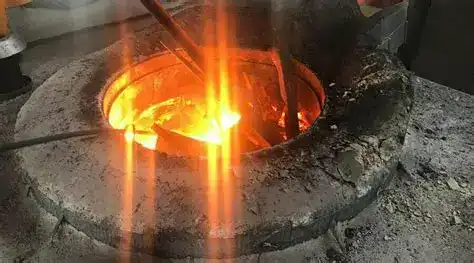
Understanding the Electric Submerged Arc Furnace Energy Efficiency
When mining plants look for long-term ways to smelt, they need to understand how core productivity works. Basically, these special furnaces are very different from regular electric arc systems used in steelmaking because of how they work.
How Submerged Arc Operation Minimises Energy Loss?
The electrode soaking depth is what makes it unique. The method stops direct heat transfer to the outside world by keeping the electrodes deep in the charge material, usually a few meters below the surface. As an electric current runs through the resistant burden material and slag bath, heat is created right where reduction processes happen. This localised heating gets rid of the 15–25% thermal energy loss that happens a lot in open-arc designs. The layer of raw materials on top acts as natural insulation, keeping heat in that would otherwise escape through the roof of the stove.
The Role of Burden Resistance in Energy Optimisation
Material resistance has a direct effect on how energy is distributed. When coke and rock are mixed in the right amounts, they create the best resistance zones around each electrode. When resistance levels stay within the desired ranges, the electrode entry depth adjusts itself, keeping the power input steady without the need for too much human input. In well-designed systems, this balance keeps the power factor above 0.92 by lowering voltage changes and reactive power losses. Manufacturers like Heyuanxin create electrode control systems that change slipping rates automatically based on real-time readings of resistance. This keeps the electrodes in the best position throughout the mining campaign.
Advanced Refractory Materials and Thermal Retention
Modern furnace shells have refractory linings made of carbon blocks or magnesia that can withstand temperatures above 1800°C and keep heat inside. Shells that are cooled by water keep their shape without cooling too much, which would lose heat energy. The freeze lining, which is a protective layer of hardened material against the inside of the shell, is kept safe by the careful balance between cooling and insulation. This skull shape actually improves efficiency by adding an extra thermal barrier that stops 30–40% more heat from escaping through the boiler walls than when the skull is not there.
Automation Technologies Driving Process Optimisation
Modern PLC-based control systems with SCADA interfaces let you keep an eye on important factors like electrode current distribution, temperature profiles, and load descent rates in real time. Predictive algorithms find problems before they get worse and cause energy-wasting situations like electrode breaking or uneven load distribution. Automated load management systems change the tap settings on the transformers on the fly to adapt to changes in the grid voltage while keeping the power delivery to the electrochemical reaction zones fixed. Installations report 8–12% higher efficiency after switching from manual to automated control platforms, which shows that these technology upgrades directly lead to measurable energy saves.
Key Factors Driving High Energy Efficiency in ESAFs
Aside from basic design rules, there are several technological advances and ways of running a business that improve energy performance. Knowing about these things helps buying teams make good decisions about the equipment that is on the market.
Electrical System Innovations and Arc Control
A key part of effectiveness is the short network, which is made up of transformer secondary links, busbars, and flexible electrode wires. Copper busbar systems with the right mathematical arrangements reduce inductive reactance, which lowers the amount of reactive power used. Three-phase triangulated designs make sure that all electrodes get the same amount of power. Real-time current balancing systems are used in more advanced setups. These systems can find phase imbalances greater than 5% and change the positions of the electrodes automatically to restore balance. This accuracy stops burning in one area, increases the life of the electrodes, and keeps the energy exchange efficiency at its highest level.
Inductive boiler loads cause power factor problems that need to be fixed by installing capacitor adjustment banks in key spots in the electrical distribution network. By keeping power factors above 0.90 all the time, facilities lower the amount of money that utility companies charge for demand and make the grid more stable generally. Heyuanxin's systems fix power quality problems by using harmonic filtering and power factor adjustment together. This stops transformers from working as efficiently and lowers costs all along the electrical distribution chain.
Heat Recovery and Off-Gas Utilisation
Process gases, mostly carbon monoxide, that escape from the reaction zones are collected by closed and semi-closed electric submerged arc furnace designs. With temperatures between 300°C and 600°C, these gases carry a lot of heat. In modern systems, the gases are sent through waste heat boilers, which make steam for other processes or to help make energy. When plants use full heat recovery systems, they recover 15 to 20 per cent of the energy they put in, which makes the plants much more efficient overall. The gases that are reclaimed can also be used to heat up raw materials or dry electrodes, which improves efficiency all along the production process.
Maintenance Protocols That Preserve Efficiency
Tough preventative repair plans have a direct effect on how well energy is used in the long run. Ultrasonic testing of water-cooling lines on a regular basis finds scale buildup that makes heat movement less effective. Cleaning the cooling ducts regularly makes sure that heat is managed correctly and that there is no over-cooling, which loses energy. Electrode contact shoe checks find wear patterns before they lead to high-resistance links that heat up too much. Systematic refractory condition assessments stop shell penetrations that happen out of the blue, which can cause thermal short-circuits that let heat skip the load and go straight to the cooling water. Maintenance records kept by facilities show that regular maintenance keeps energy efficiency within 3% of how it was when it was first installed, even after five years of nonstop use.
Environmental Compliance and Carbon Footprint Reduction
Environmental goals easily fit with operations that use less energy. Less specific energy used per tonne of product immediately lowers the greenhouse gas emissions that come from making power. When used with low-carbon grids or green energy sources, efficient furnaces help metallurgical companies meet ever stricter goals for reducing carbon emissions. As part of furnace designs, dust collection systems collect particulate pollution and use the extracted gases to make useful heat. This two-in-one method meets air quality rules without lowering energy efficiency, which is very important for businesses in countries like the US that have strict environmental permits.

Comparing Electric Submerged Arc Furnaces with Traditional Furnaces
When deciding on capital purchases, it's helpful for decision-makers to know how different furnace technologies work. The comparison shows why electric submerged arc furnace shapes are most common in some metalworking situations.
Energy Consumption Profiles Across Furnace Types
While blast furnaces can be useful in some situations, they usually only work at 60 to 70% heating efficiency, using a lot of coke and releasing a lot of CO₂. Open electric arc furnaces, which are used to make steel, are 70–75% efficient with electricity, but they lose power through radiant heat. When used correctly, submerged arc furnaces regularly show electrical-to-thermal conversion rates of 80 to 88%. This advantage of 10 to 15 percentage points immediately leads to lower running costs and less damage to the environment. A normal submerged arc system uses 8,500 to 9,200 kWh per tonne of ferrosilicon, while options that aren't as efficient use 10,500 kWh or more per tonne.
Return on Investment Across Capacity Ranges
Heyuanxin makes systems with power ranges from 6,300 kVA to 72,000 kVA to meet the needs of different production sizes. Speciality alloy makers need smaller installations that can handle 5,000 to 15,000 tonnes per year, while big units that can handle more than 100,000 tonnes per year for common ferroalloys need larger installations. Because efficient designs save energy, they offer strong return on investment (ROI) scenarios. For example, an average 33,000 kVA burner that saves 1,000 kWh per tonne on 50,000 tonnes of yearly production saves $3.5 to 4.5 million in electricity costs over five years, based on industrial power rates of $0.07 to $0.09 per kWh. These savings usually cover 40 to 60% of the extra cost of buying high-efficiency tools at first. This makes the business case easy for procurement teams that are focused on money.
Technology Trends Models
The latest equipment focuses on flexible designs that allow for gradual increases in capacity without having to rebuild the whole system. Campaign downtime is cut from 45 to 60 days to 25 to 35 days with furnace shells that are designed to make replacing refractory easier. This means that production stops less often. Using computational fluid dynamics modelling to find the best electrode diameter helps the spread of current density, which lets you get more output from the transformers that are already rated. Digital twin technologies allow virtual commissioning and training of operators before the actual installation. This cuts down on wasted energy during starting and speeds up the time to maximum performance by 30–40% compared to traditional commissioning methods.
Procurement Considerations for Energy-Efficient ESAFs
When you buy electric submerged arc furnace tools, you have to make smart choices that go beyond the initial purchase price. Technical requirements, supplier skills, and long-term business factors must all be balanced for a project to be successful.
Cost-Benefit Analysis and Total Ownership Economics
Complete systems can be bought for as little as $8 million for smaller sites or for more than $40 million for big plants that include transformers, electrode systems, and other equipment. Usually, energy costs make up 35 to 45 per cent of the total cost of making ferroalloys. This means that economics is the most important factor in running an economy. Using realistic rates of increase in power costs, detailed modelling should project how much energy will be saved over the furnace's estimated 15–25-year life. Including different price possibilities for carbon shows more value in places where emissions trading plans are used. This is because energy-efficient furnaces lower compliance costs or create tradeable credits, based on the rules in place.
How a project is financed affects its ability to succeed. Leasing equipment spreads out the need for cash while keeping the balance sheet flexible, but the total costs are 15–25% higher than when you buy it outright. Some sellers offer performance-based contracts that tie efficiency promises to final payment schedules. This is a good way to mitigate technical risk. Heyuanxin offers complete turnkey solutions that include planning, production, installation, and testing. This makes project management easier and makes it clear who is responsible for what during delivery.
Lead Times and Installation Support
Standard equipment production takes 12 to 18 months from the time the order is confirmed until it is delivered to the customer. Customised specs could add another 2 to 4 months to the time it takes to complete. Civil foundation work usually takes 6 to 8 months of parallel-path building, which needs to be included in procurement plans. Suppliers who give detailed installation guidance make sure that important parts are put together correctly. For example, electrode contact systems, cooling circuits, and electrical connections need to be precise, which affects their long-term dependability and efficiency. After the system is up and running, it should come with support packages that include training for operators, help with improving the process, and promised extra parts for parts that get worn out quickly, like electrode contact shoes and flexible cables.
Evaluating Manufacturer Credentials
When choosing a supplier, the factors should stress that they have proven experience with pyro-metallurgical uses. Companies that have ISO 9001 quality management systems, ISO 14001 environmental certifications, and OHSAS 18001 workplace health standards show that their organisations are mature enough to supply complicated capital equipment. Patent files show real innovation instead of mass production. Heyuanxin has more than ten utility model patents that cover designs for furnace shells and electrode control systems. International project examples from South Korea to Paraguay show that the person is able to work in a variety of legal settings and provide cross-border support. Downtime risks that threaten production plans and revenue realisation are kept to a minimum by after-sales service networks with local spare parts stocks.
Best Practices and Safety Measures for Operating Energy-Efficient ESAFs
Realising the promise of efficiency in theory requires disciplined tactical performance. The difference between what was planned and what happened often shows how well workers were trained and how well they followed the rules.
Operator Training and Standardised Process Controls
Operators of furnaces need to know how visible signs like electrode slip rates, power consumption patterns, and burden descent speeds relate to the conditions going on inside the furnace. People who are moving from other metallurgical jobs usually need 3 to 6 months of full training that covers normal operations, recognising odd situations, and how to respond in an emergency. Standardised operating procedures that list the best parameter values for different blends of raw materials get rid of the need to guess and make performance more consistent across shifts. Plants that regularly achieve high levels of efficiency keep thorough process logs. This allows for data-driven continuous improvement efforts that find small ways to improve efficiency that could be missed by casual observation.
Real-Time Monitoring and Energy Tracking
Modern SCADA systems show measures for energy use in real time, so when something goes wrong, they can be fixed right away. Tracking specific energy use (kWh per tonne of product) on an hourly or batch level shows links between how operations are run and how efficiently they work. Facilities with full energy management systems report 5-8% lower energy use just by changing how people use energy. When workers are given clear feedback, they become aware of habits that waste energy and change them. When you combine energy monitoring with production schedules, you can take full advantage of time-of-use electricity pricing by running your heater at higher loads during off-peak times, when prices drop by 30 to 50 per cent.
Electrical Safety and Hazard Mitigation
When you mix liquid metal at temperatures above 1600°C with high electrical currents (often over 100,000 amperes), you get very dangerous situations that need strict safety rules. Safe voltage levels are avoided when all furnace parts and buildings around them are properly grounded, both when the furnace is working normally and when there is a fault. Arc flash hazard analyses figure out what kind of personal safety equipment is needed for repair work on live equipment. Interlocked access controls keep people who aren't supposed to be there from getting into restricted areas that are electrical or thermally dangerous. Facilities with great safety records hold emergency reaction drills every three months to make sure that staff members know how to handle situations like electrode breakage, shell penetration, or cooling system failures—which, while not common, need to be dealt with right away to stop things from getting worse.
Case Study: Efficiency Gains Through Systematic Improvement
After buying a 25,000 kVA electric submerged arc furnace, a medium-sized ferrosilicon maker in the southern United States started a full programme to make the business more efficient. Based on baseline performance, it was found that each tonne used 9,400 kWh of energy. Over the course of 18 months, the facility cut its energy use to 8,650 kWh per tonne by making changes like improving the power factor adjustment system, adjusting the sizes of the raw materials, and setting strict maintenance plans. With 35,000 tonnes of production each year and average energy costs of $0.08 per kWh, the 750 kWh per tonne gain saved $2.1 million each year. Capital expenses and consulting fees for the project added up to $1.8 million. It paid for itself in less than 11 months and cut carbon pollution by 4,500 tonnes of CO₂ equivalent per year.
Conclusion
Electric submerged arc furnace technology saves energy when design quality, operating discipline, and a dedication to constant improvement work together. The main benefit of underground arc operation is that it provides heat efficiency that other systems can't match. These improvements are made even better by new technologies like advanced electricity systems, heat recovery integration, and automation. These improvements have real economic and environmental benefits. The basis is set by buying high-quality equipment from makers with a lot of experience, and the performance potential is realised by trained operators following best practices. Metallurgical businesses are under more and more pressure to cut their carbon footprints and running costs at the same time. Energy-efficient submerged arc furnaces have been shown to meet both of these goals. As time goes on, improvements are made to materials, controls, and process modelling that promise even greater efficiency. These improvements make forward-thinking makers more competitive.
FAQ
What determines the optimal electrode diameter for maximum efficiency?
Picking the right electrode diameter combines the amount of current that it can carry with the cost of materials and the freedom of how it can be used. Larger widths (1400-1800 mm) work best for systems with more than 40 MVA of power because they lower the current density and make the service life longer. Smaller sizes (800–1200mm) are better at adapting to changes in the process, but they need to be replaced more often. The best option takes into account the size of the furnace, the ratings of the transformers that are available, and the specific alloy production needs. This is usually figured out through a thorough engineering study during the planning phase.
How does raw material quality impact energy consumption?
How stable and energy-efficient an electric submerged arc furnace is directly related to how consistent the raw materials are. The consistent size of the ore provides steady resistance zones and reliable burden fall. Too many fines lead to dust loss and wavy gas flow patterns, while lumps that are too big can bridge and mess up electrode absorption. Good coke with the right amount of reaction and strength keeps the porosity throughout the charge, which makes it easy for gases to escape and heat to spread. Producers who use carefully screened materials usually get 5–10% better energy performance than those who use feedstocks of varying quality.
Can existing furnaces be retrofitted for improved efficiency?
Targeted changes can help a lot of older systems that don't need to be replaced completely. During planned repair breaks, power factor correction systems, automatic electrode controls, and better refractory materials can be added to existing systems. Based on current performance gaps, thorough reviews find the most cost-effective ways to make things better. Retrofits can usually give 60–75% of the efficiency gains possible with new equipment at 25–40% of the replacement costs. This makes them a good way to extend the life of assets and make businesses more competitive until full replacement becomes economically viable.
Partner with Shaanxi Heyuan for Superior Electric Submerged Arc Furnace Solutions
With over ten years of experience, Shaanxi Heyuanxin Metallurgical Electric Furnace Equipment Co., Ltd. is ready to help you reach your metallurgical production goals. Our electric submerged arc furnace systems give your processes the dependability, speed, and low energy use they need. Our engineering team creates solutions that are perfectly matched to your raw materials, output goals, and site conditions, whether you need a small 6,300 kVA system or a big 72,000 kVA installation. Email our technology experts at sxhyyj606@163.com to talk about your unique needs. We are a qualified electric submerged-arc furnace maker that follows ISO quality standards and has multiple patents. We offer full turnkey delivery, from the initial design to installation and ongoing support. Discover how Heyuanxin's dedication to new ideas and customer satisfaction can improve the efficiency of your silicon metal or ferroalloy production.
References
1. Kenworthy, H., & Davidson, R. (2019). Energy Efficiency in Pyrometallurgical Processes: Principles and Practice. Metallurgical Industry Press.
2. Olsen, S. E., Tangstad, M., & Lindstad, T. (2021). Production of Manganese Ferroalloys. Academic Press Advanced Materials Series.
3. International Energy Agency. (2020). Energy Technology Perspectives 2020: Industrial Sector Deep Dive - Iron, Steel and Ferroalloys.
4. Gasik, M. M. (2018). Handbook of Ferroalloys: Theory and Technology. Butterworth-Heinemann Technical Publishers.
5. Zhang, L., & Thomas, B. G. (2022). "Computational Modelling of Electric Submerged Arc Furnaces for Silicon Production." Metallurgical and Materials Transactions B, 53(4), 2456-2473.
6. World Steel Association Technical Committee. (2023). Best Available Techniques Reference Document for Ferroalloy Production: Energy Management Systems.


YOU MAY LIKE