
Why Use an Industrial Vacuum Heat Treatment Furnace?
July 28, 2026
When metallurgical plants and steel mills evaluate heat treatment technologies, choosing an Industrial Vacuum Heat Treatment Furnace transforms production outcomes significantly. This specialized equipment processes metals at temperatures up to 1300°C within a controlled vacuum environment, eliminating oxygen and reactive gases that cause oxidation and decarburisation during conventional heat treatment. Unlike traditional atmospheric furnaces, vacuum systems create pristine surface finishes on precision components without requiring post-treatment grinding or cleaning. The technology delivers measurable improvements in material integrity, dimensional stability, and operational efficiency—critical factors for aerospace, tool manufacturing, and medical device sectors where component failure carries unacceptable consequences.
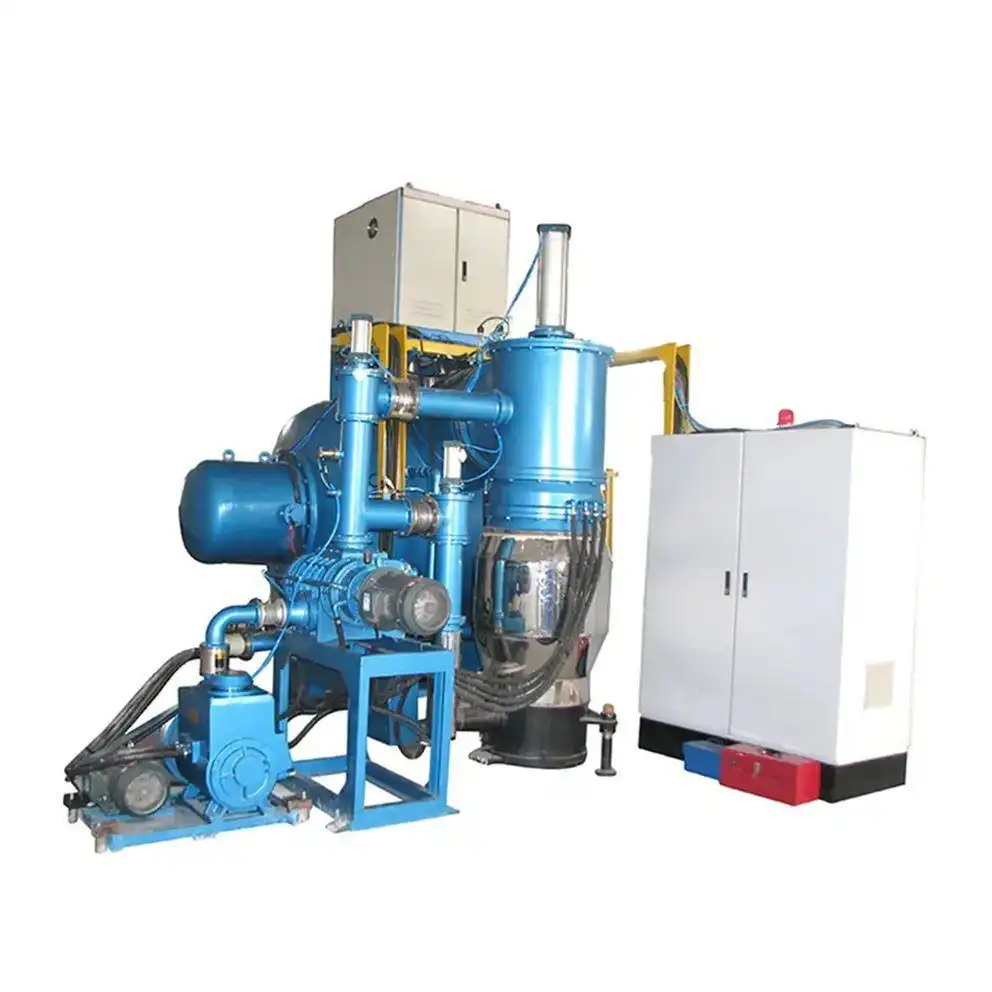

Understanding Industrial Vacuum Heat Treatment Furnaces
What Defines Vacuum Heat Treatment Technology?
Vacuum heat treatment takes place in chambers that are hermetically sealed and kept at sub-atmospheric pressures of up to 6.7×10⁻²Pa. This setting gets rid of air pollutants that combine with metal surfaces when they are heated. The process is very different from atmospheric furnaces, which use protective gases to prevent oxidation. At Shaanxi Heyuanxin, our vacuum systems can precisely control the temperature to within 1°C in chambers that range in size from 400×400×600mm to 1200×1200×1800mm. This makes sure that batch processes use uniform thermal processing. The controlled environment makes it possible to work with reactive materials that would break down in regular furnaces, such as nickel-based superalloys and titanium alloys.
Core Process Stages in Vacuum Treatment
Metallurgical engineers need to know about the three separate stages of the treatment cycle. During heating, resistance elements made of molybdenum wire or graphite slowly raise the temperature of the room while vacuum pumps keep the pressure low. The parts reach the target temperatures without the surface breaking down. During the soaking stage, materials are kept at certain temperatures for a few hours at a time. This lets the microstructural changes happen all the way through the cross-section of the item. The next step is controlled cooling, which can happen either by quenching the gas with harmless argon or nitrogen or by cooling the furnace's room walls with water, based on the properties of the metal that is being made.
Furnace Configuration Options
Batch-type vacuum ovens can handle a range of production amounts, from small batches to medium-sized production runs. Industrial Vacuum Heat Treatment Furnace single-chamber designs work well in places that handle a wide variety of materials, each requiring different treatment methods. For operations with a higher throughput, continuous vacuum systems with load-lock chambers keep up productivity by letting materials be loaded and unloaded without interrupting the main chamber vacuum. Specialised fittings for complicated shapes or modified cooling systems for certain alloy standards are examples of custom-engineered solutions that meet specific metallurgical needs.
Benefits of Using an Industrial Vacuum Heat Treatment Furnace
Superior Material Quality Outcomes
Oxidation and decarburisation can't happen in vacuum processes, so steel surfaces don't lose carbon as they do in atmosphere furnaces. When treated parts are removed, they have bright, clean surfaces that keep their original dimensions. Parts made of stainless steel keep their ability to fight rust without losing chromium on the surface. The steels make the surface of the part as hard as it can be without having soft, decarburised spots that shorten the life of the tool. Because the surface is solid, it doesn't need any expensive additional processes like acid pickling, abrasive cleaning, or sharpening to maintain the dimensions. The controlled climate eliminates process factors that can alter the results of an atmosphere furnace, ensuring that the metal's properties remain consistent from one production batch to the next.
Standard methods are not as good as the microstructural refinement that can be done in a vacuum. Precipitation-hardening alloys create the best possible dispersion of precipitates. Titanium parts don't make the brittle alpha-case that happens when oxygen from the air moves into the top layers while they are being heated. Manufacturers of medical implants rely on this clean handling to meet biocompatibility standards and government rules for surgical devices.
Operational and Economic Advantages
Compared to traditional furnaces, which constantly use protective atmosphere gases, this one uses a lot less energy. Vacuum systems need energy to pump down at first, but they keep conditions stable with very little ongoing use. Getting rid of post-processing steps cuts down on the time and money needed to make something. Because dimensions stay stable and surfaces are sufficiently smooth that they don't need to be fixed, the rate of scrap goes down. Controlling process factors within tight ranges makes it easier to plan when to make things.
Vacuum tanks keep heated elements and internal parts from rusting, so they need less maintenance. Graphite and molybdenum elements work better when there is no oxygen around. The sealed system design keeps outside substances from getting into the sensitive process controls. Some safety benefits include removing flammable gases from the atmosphere and lowering the risk of fire. Full monitoring systems track vacuum levels, temperature uniformity, and over-pressure situations, protecting people and property.
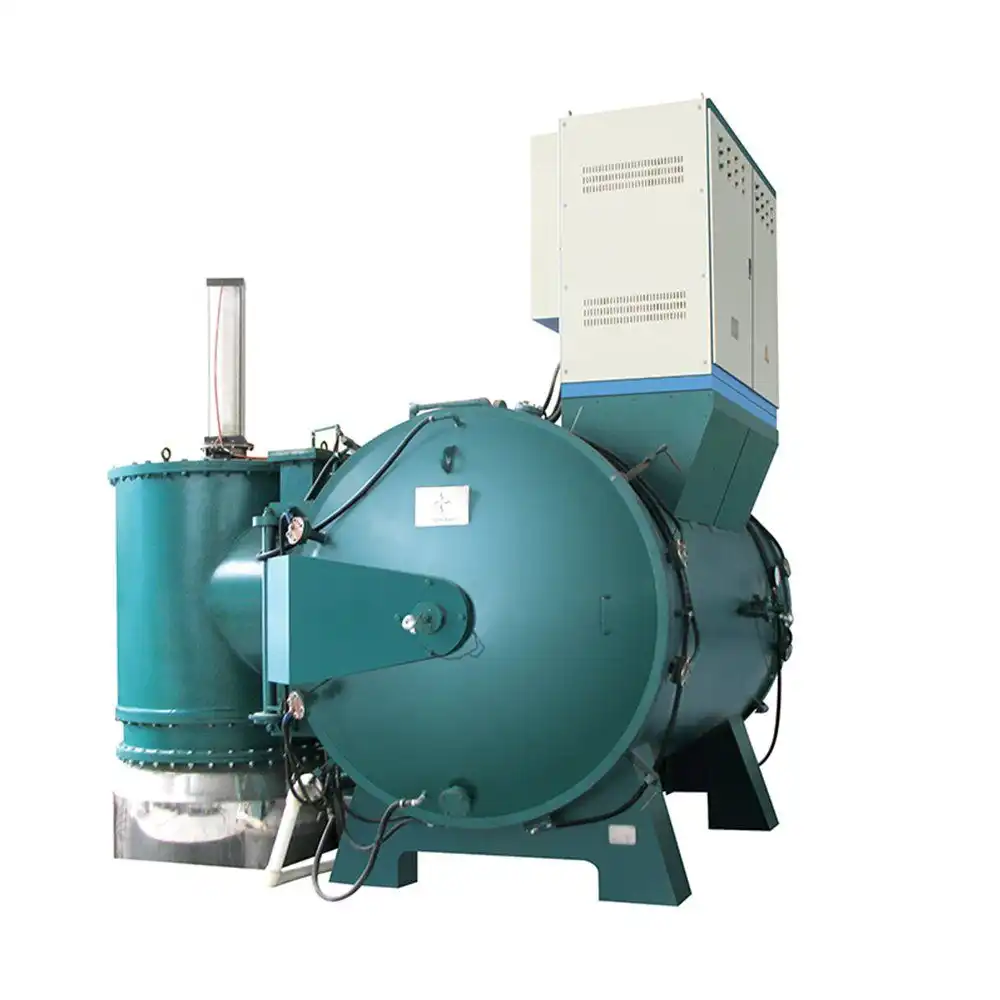
Vacuum Heat Treatment Furnace vs. Traditional Furnace: How to Decide?
Performance and Quality Comparisons
Temperature consistency is an important measure of success. In low-pressure environments, radiation becomes the main way that heat moves, reaching places that convection has trouble reaching in atmospheric furnaces. This uniformity makes vacuum furnaces better at spreading heat. This uniformity makes the metallurgical properties the same even when the shapes are complicated, and the loads are heavy. In traditional endothermic atmosphere furnaces, it is hard to control the carbon potential, which is the balance between conditions that carburise and those that decarburise. This is not a problem with vacuum systems at all.
How much throughput is important depends on how much output is needed. Atmosphere furnaces can handle larger amounts of material for simple hardening tasks on less important parts. When surface quality, precise measurements, or reactive material compatibility are needed, Industrial Vacuum Heat Treatment Furnace vacuum systems are the best way to do it. When aerospace companies work on Inconel turbine blades, they use vacuum treatment instead of atmosphere furnaces because atmosphere furnaces can't stop surface reactions that hurt wear qualities.
Cost Analysis and Return on Investment
The initial investment for vacuum systems is higher than the cost of a regular heater, but the total cost of ownership estimates show a different picture. Some of the consumables that were thrown away were environmental gases, cleaning agents after treatment, and grinding consumables. Less waste and rework directly lead to less material being used. A study of energy use shows that vacuum systems use 30–40% less energy per processing cycle when they do not include post-processing and gas consumption. Payback periods should be worked out by procurement managers based on production volumes, material costs, and quality-related savings that are unique to their business.
Warranty coverage and after-sales support greatly affect long-term value. Shaanxi Heyuan offers full technical support, backed by 11 senior experts with a lot of experience in metalworking from more than 400 furnace systems installed around the world. Quickly fixing problems cuts down on production downtime. Training programs make sure that workers know how to use the system and how to keep it in excellent shape so that it lasts longer than 15 to 20 years of ongoing use.
How to Procure the Best Industrial Vacuum Heat Treatment Furnace?
Critical Vendor Selection Criteria
The image of a manufacturer comes from its proven skill in designing and building mining equipment. Suppliers that have been around for a while have the tech skills to meet specific processing needs through unique solutions. Shaanxi Heyuanxin has over ten utility model patents and is a 3A-level credit enterprise. It also has ISO quality management, environmental, and occupational health certifications. For long-term supplier relationships, these credentials show that the company has reliable business practices and a system for controlling quality.
How quickly production problems are fixed depends on how well technical help is working. Engineering teams with a lot of experience fix problems in the process, make treatment cycles more efficient, and suggest changes to equipment as output needs evolve. Our installation and testing services make sure that everything is set up correctly, and our ongoing maintenance keeps the equipment running at its best for as long as it lasts.
Custom Engineering vs. Standard Models
Standard furnace setups can be used for common heat treatment tasks and have faster delivery times and lower starting costs. Catalogue descriptions usually list room sizes, temperature ranges, and pressure performance that are suitable for most metallurgical tasks. Specialised atmosphere controls, modified quenching systems, automatic material handling integration, or chamber shapes that can fit oddly shaped workpieces are all examples of custom-engineered solutions that meet specific needs.
Lead times are unique. Standard models can ship in 8 to 12 weeks, but unique versions need 16 to 24 weeks for planning, manufacturing, and testing. When planning purchases, you should take these dates into account, especially when the equipment helps set up new production lines with set start dates. Facilities that want to add more heat treatment capabilities can better handle their capital costs by leasing equipment or setting up payment plans.
Operating and Maintaining Your Vacuum Heat Treatment Furnace
Safe Operation Protocols
Leak rate tests and door seal checks are part of pre-operation inspections that make sure the vacuum system is working properly. Before starting a heating cycle, operators check that the electrical links work and that the safety interlocks work. Proper fixturing is needed for loading processes so that the item does not move during processing and there is enough space for even heating. Temperature programming follows metallurgical guidelines for certain alloy treatments, such as set ramp rates, soak times, and quench parameters.
During operation, monitoring systems track the pressure inside the chamber, the consistency of the temperature across multiple thermocouples, and the flow rates of quench gas. Setpoints are kept by automated controls, and errors that need to be fixed are reported to workers by alarm systems. After the cycle, operators perform controlled venting to atmospheric pressure and cool the workpiece to safe handling temperatures before opening the chamber.
Preventive Maintenance Essentials
Schedules for routine maintenance keep systems running well and stop them from breaking down without warning. Depending on the amount of contamination, vacuum pump oil needs to be changed at times set by the maker. Usually, this is every 500 to 1000 hours of operation. Inspections of heating elements find wear and tear before they break. As elastomers age, door seal replacements keep the vacuum integrity. Checking the thermocouple's setting makes sure that the temperature readings are accurate, which is needed for controlling a metalworking process.
Some common technical problems are vacuum leaks at penetrations, pump performance loss, and heating elements that stop working. Systematic fixing steps quickly find and fix problems. Comprehensive training programs for employees cover things like how to run the business, do upkeep work, and know what to do in an emergency. People and buildings are kept safe by following workplace safety standards, such as OSHA rules and rules that are specific to equipment.
Conclusion
Choosing an Industrial Vacuum Heat Treatment Furnace is an investment in the ability to make things and the quality of the things that are made. The technology gives real benefits by stopping oxidation, keeping dimensions stable, and getting rid of post-processing steps that h ave a direct effect on the cost of production. Companies that make aerospace, medical devices, and precision tools need to be able to process materials without contamination, which is something that only vacuum systems can do. When making a procurement decision, the initial capital costs should be weighed against the long-term operational savings, quality improvements, and competitive advantages that can be gained from better metallurgical processing. Working with skilled manufacturers guarantees the right equipment is chosen, that it is installed correctly, and that there is ongoing technical support. This maximises return on investment over longer equipment lifecycles.
FAQ
What materials benefit most from vacuum heat treatment?
In a vacuum, the qualities of reactive metals like titanium alloys, nickel-based superalloys, and precipitation-hardening stainless steels are at their best. When tool steels, die steels, and high-speed steels are treated in vacuum environments, they become fully hard without losing their carbide content on the surface. Vacuum processing that doesn't leave any contaminants is necessary for medical-grade materials that need safe surfaces.
How does energy consumption compare to traditional furnaces?
When compared to atmosphere furnaces, which need to make gas and clean parts, vacuum systems use 30–40% less energy per cycle because they don't need to use protective gases or do post-treatment processing.
What determines custom furnace lead times?
Delivery times are affected by how complicated the engineering is, the size of the chamber, the needs of any special heating or cooling systems, and the current production schedules. Standard setups ship in 8 to 12 weeks, but custom options need 16 to 24 weeks to fully plan, build, and test in the workshop.
Partner with Shaanxi Heyuan for Advanced Vacuum Heat Treatment Solutions
Shaanxi Heyuanxin Metallurgical Electric Furnace Equipment Co., Ltd. delivers turnkey vacuum heat treatment solutions engineered for demanding metallurgical applications. Our Industrial Vacuum Heat Treatment Furnace systems use tried-and-true technology and can be customised to fit your exact working needs. As an established Industrial Vacuum Heat Treatment Furnace manufacturer with ISO certifications and an extensive patent portfolio, we provide complete design, manufacturing, installation, and commissioning services backed by experienced technical support. Contact our team at sxhyyj606@163.com to discuss your heat treatment challenges and receive detailed specifications with competitive pricing. Visit hyyjfurnace-supply.com to explore our comprehensive metallurgical equipment capabilities and schedule a consultation with our engineering specialists.
References
1. American Society for Metals International. Heat Treating: Proceedings of the 20th Conference, Volume 1. ASM International Materials Park, 2000.
2. Chandler, Harry. Heat Treater's Guide: Practices and Procedures for Irons and Steels, 2nd Edition. ASM International, 1995.
3. Herring, Daniel H. Vacuum Heat Treatment. BNP Media Group, 2012.
4. Makhlouf, Makhlouf M. and Apelian, Diran. Casting Characteristics of Aluminium Die-Casting Alloys. North American Die Casting Association, 2002.
5. Semiatin, S.L. and Stutz, D.E. Induction Heat Treatment of Steel. American Society for Metals, 1986.
6. Totten, George E. and Howes, Maurice A.H. Steel Heat Treatment Handbook. Marcel Dekker Inc., 1997.


YOU MAY LIKE