
Where to Buy a Reliable Industrial Furnace Hood?
July 27, 2026
When searching for a reliable industrial furnace hood, your best approach is partnering directly with specialized manufacturers who understand metallurgical processes. Trusted suppliers like Shaanxi Heyuanxin Metallurgical Electric Furnace Equipment Co., Ltd. offer proven fume extraction systems with documented performance records. Direct manufacturer sourcing ensures you receive equipment backed by technical expertise, comprehensive testing protocols, and responsive after-sales support—critical factors that distributors often cannot guarantee when dealing with high-temperature emission control equipment.
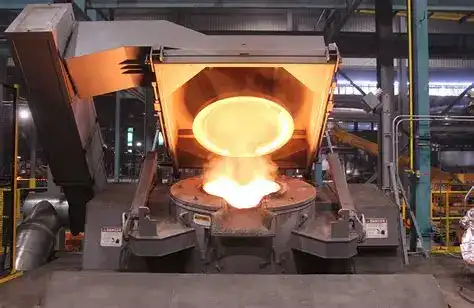
Understanding Industrial Furnace Hoods and Their Importance
What Makes Furnace Hoods Essential in Heavy Industry?
An Industrial Furnace hood serves as your facility's primary defence against hazardous fumes, extreme heat, and airborne particulates generated during metallurgical operations. Unlike standard ventilation systems, these specialized capture devices sit directly above or adjacent to furnaces operating at temperatures exceeding 1,600°C. They extract combustion gases, metal oxides, and fugitive emissions before they contaminate your workspace or escape into the atmosphere.
The core function revolves around controlled airflow management. Properly designed hoods create negative pressure zones that pull contaminants upward and away from operators. High-velocity capture at the face—typically above 1.5 meters per second—prevents smoke from escaping into surrounding areas. Meanwhile, thermal management systems using water-cooled membranes or refractory liners dissipate intense radiant heat that would otherwise damage overhead cranes and structural components.
Why Does Quality Directly Affect Your Bottom Line?
High-performance pollution control equipment improves safety, compliance, and efficiency. Professional-grade hoods capture 95% or more of pollutants, greatly minimising worker exposure. This reduces health events, insurance rates, and staff turnover in difficult circumstances.
Energy efficiency is another benefit. Advanced insulating materials retain 85% heat, preventing thermal losses that raise furnace power use. Savings often outweigh equipment investment over a five-year service life. When your collection system meets EPA NESHAP and EU BAT criteria without operational changes, environmental compliance is straightforward.
Common Hood Configurations for Different Applications
Electric arc furnaces use canopy-style hoods to catch thermal plumes above the furnace entrance. They can handle fluctuations in smoke during charging cycles because to their vast gathering area. Flexible connections preserve capture efficiency during the tilt cycle without impeding movement, making side-draft designs ideal for induction melting pouring.
Continuous processing lines like annealing furnaces benefit from slot hoods. Their lengthy shape extracts combustion exhaust parallel to conveyor systems. Specialised applications where process limitations prevent overhead installation may use downdraft systems. Your operation's thermal loads, space limits, and process dynamics are addressed by each arrangement.
How to Choose the Right Industrial Furnace Hood for Your Facility?
Assessing Your Facility's Specific Requirements
Documenting operational parameters helps choose fume extraction equipment. Measure peak furnace temperatures during normal and upset cycles. Total heat release rates depend on production volume and melt capability. The cooling capacity and structural materials your Industrial Furnace hood needs to avoid failure are determined by these statistics.
Continuous baseline emissions and transient peak loads affect ventilation needs. Steelmaking oxygen lancing temporarily increases emission rates. These surges must be handled by your hood without fugitive releases. Overhead clearance, crane interference zones, and structural load restrictions affect design. Low-profile side-draft arrangements are better than canopy types for low-headroom facilities.
Material Durability and Performance Criteria
Construction materials specify service life in harsh situations. ASTM A36 or A516 heavy-gauge carbon steel is used in water-cooled designs. Like boiler wall panels, tubular membrane structures maximise heat transfer while retaining structural integrity under thermal cycling. In air-cooled applications at lower temperatures, corrosion-resistant stainless steels like 310S or Inconel 600 may be used.
Specify internal surfaces carefully. Standard steel quickly corrodes from sulphur and chlorine condensates. Coatings or improved alloys prevent water leaks from corrosion-driven failures. The membrane must resist slag adherence, as this diminishes cooling efficiency and increases weight.
Evaluating Supplier Credentials and Track Records
Supplier reliability matters as much as equipment specifications. Verify that manufacturers maintain documented quality management systems—ISO 9001 certification indicates standardized processes for design, fabrication, and testing. Environmental and occupational health certifications (ISO 14001 and ISO 45001) demonstrate commitment to responsible manufacturing practices.
Request case studies from installations similar to yours. A supplier with 400+ delivered systems across 15 countries brings valuable experience solving unexpected challenges. Ask about their technical team composition—operations requiring custom engineering benefit from suppliers employing senior specialists who understand metallurgical processes deeply. Warranty terms reveal confidence in product durability; five-year guarantees backed by responsive service networks protect your investment better than aggressive pricing with limited support.
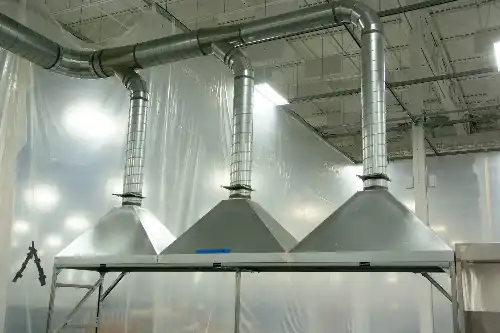
Where to Buy Reliable Suppliers and Authorised Dealers for Industrial Furnace Hoods?
Direct Manufacturer Sourcing Advantages
Direct purchases from specialised producers are better than those from distributors. Engineers who design your Industrial Furnace hood are available to help with operating difficulties throughout its existence. Heavy fabrication facilities can support unique dimensions and non-standard configurations that off-the-shelf items cannot.
Shaanxi Heyuan New Metallurgical Electric Furnace Equipment Co., Ltd. uses direct sourcing. Founded in 2008, the company specialises in metallurgical furnace equipment and pollution control systems. They offer electric arc furnace hoods, ladle furnace extraction systems, and integrated dust removal solutions for tough steelmaking settings. Over 10 utility model patents and management system certifications give each project proven knowledge.
Direct manufacturer contacts simplify customisation. Your engineers directly inform metallurgical design teams of needs. Middlemen create translation problems and specification ambiguities, but you eliminate them. Fabrication teams that grasp your facility's restrictions without delay can speed up installation modifications.
Verifying Authenticity and Technical Capability
Before choosing a supplier, check their technical capabilities. Legitimate manufacturers have hydrostatic pressure testing, non-destructive weld examination, and flow simulation validation equipment. Request documentation. These quality checks are necessary to prevent catastrophic failures in water-cooled systems near molten metal.
Review their application-specific design methodology. Expert vendors optimise capture velocity and pressure drop through computational fluid dynamics. They calculate cooling circuit flow rates instead of using templates. Dimensional tolerance verification utilising laser scanning or coordinate measuring eliminates air entrainment gaps that reduce capture efficiency by ensuring your furnace enclosure fits precisely.
Physical facility checks boost confidence. Visit manufacturing locations to see fabrication, welding, and material handling standards. Transparent suppliers who allow client inspections develop long-term relationships.
Comprehensive After-Sales Support Structure
Professional installation services prevent common commissioning problems. Experienced crews understand the critical alignment tolerances and connection sequencing that avoid water leaks or structural stress. They verify cooling circuit flow rates match design calculations before handover. This attention during startup eliminates the debugging period that extends downtime when facilities attempt self-installation.
Technical support availability determines how quickly you resume operations after unexpected issues. Round-the-clock contact access—not just email ticketing systems—connects you with engineers who can diagnose problems remotely. Suppliers maintaining spare parts inventories ship critical components within days rather than weeks, minimizing production interruptions. Service agreements covering periodic inspections catch developing problems before they cause failures during critical production runs.
Ensuring Optimal Performance: Safety, Maintenance, and Energy Efficiency
Critical Safety Features and Compliance Standards
Modern emission control systems have many safety features for personnel and equipment. Cooling circuit heat shields protect furnace operators from contact burns. Fire-resistant insulation with external ignition sources meets ASTM E84 flame spread criteria. In EAF operations, transient overpressure events can damage structures; therefore, pressure relief dampers open automatically during upsets.
Ventilation controls ensure safe negative pressure without disturbing furnace atmospheres with draught. Interlocked dampers prevent furnace charging backflow when doors open. Leak-detecting sensors shut down cooling water supplies to prevent steam explosions from water touching hot metal.
Standards ease regulatory approvals. ASME Section VIII pressure vessel equipment meets most water-cooled component jurisdictional criteria. AWS D1.1 structural welding guidelines ensure joints survive temperature and vibration demands over time. Material certifications and test reports simplify new installation and capacity expansion permit applications.
Maintenance Protocols That Extend Service Life
Regular maintenance affects whether your Industrial Furnace hood lasts or needs to be replaced. Schedule inspections around production cycles, not random times. Refractory linings should be checked for erosion and slag after 500 melts. Chemical descaling of cooling circuit tubes annually maintains heat transfer efficiency—mineral deposits diminish cooling capacity, overheating, and warping.
Weld seams in water-cooled systems need special attention. Thermal cycling causes microscopic but fast-growing fatigue cracks. Quarterly dye penetrant testing of important joints detects problems before leaks occur. Ultrasonic thickness measurements track condensate-exposed internal surface corrosion, directing replacement scheduling before significant production failures.
Cooling water quality management prevents several issues. Closed-loop treated water systems remove mineral scaling at passageways. Water temperature above ambient dew points reduces exterior condensation (sweating) that causes slip hazards and accelerates corrosion. Flow monitoring systems warn operators of pump failures or obstructions before heat damage.
Energy Optimization and Environmental Responsibility
High-quality insulation reduces parasitic heat losses, saving energy immediately. Hoods with 85% insulation efficiency or greater retain more thermal energy in the boiler, reducing electricity or fuel use per tonne. These savings often recover 30-40% of the equipment cost over five years.
Optimisation of aerodynamics reduces fan power consumption. CFD-engineered hoods reduce capture zone and ductwork turbulence and pressure drop. The downstream fans can run at reduced speeds while maintaining capture velocity. cheaper fan power means cheaper electricity bills and longer fan bearing life.
Material selection increasingly considers lifecycle environmental impact. Suppliers of recyclable steel with few unusual alloys facilitate end-of-life disposal. Modular designs let you replace worn parts instead of trashing the whole system. These methods meet business sustainability goals while ensuring metallurgical operations' performance.
Industrial Furnace Hood Installation and Customization Options
Fixed Versus Modular Installation Approaches
Permanent furnace positions are more stable with fixed setups. Hoods welded or fastened to furnace structures prevent movement and maintain capture geometry. This method works for dedicated melting lines with long-term furnace locations. The stiff connection facilitates interface sealing, reducing air intrusion and capture efficiency.
Modular systems are flexible for buildings with several furnaces or future reconfigurations. Standardised frame portions with quick-connect cooling circuits allow rearrangement in days, before weeks. Job shops serving diverse customer orders benefit from this versatility. The trade-off is more complicated sealing and slightly higher air leakage than fixed systems.
Hybrid tactics combine their merits. Secondary capture elements adapt to furnace layouts while primary structural frames are fixed. Swaving hoods for tilting induction furnaces include a stationary main body and articulating portions that move with the furnace during pouring cycles.
Tailoring Solutions to Complex Operating Environments
Standard goods cannot handle unique issues. Custom engineering can. Low-profile designs maximise capture area in tight vertical spaces in facilities with limited overhead clearance. Overhead cranes and structural columns are avoided using side-entry layouts. Split-section hoods are installed in pieces through restricted access points and assembled where monolithic units can't.
Shaanxi Heyuanxin's method demonstrates practical customisation. Their team documents infrastructure with 3D facility scans before design. This data goes directly into engineering models to ensure tailored hoods fit your furnace envelope, ducting, and equipment. The approach eliminates installation fit-up issues that delay commissioning and increase expenses.
Actual examples show customisation's worth. A Midwestern steel plant needed pollution control for three furnace sizes with shared overhead ductwork. Interchangeable Industrial Furnace hood parts on a sliding frame were employed. During scheduled maintenance windows, operators alter configurations to maintain capture efficiency throughout production campaigns without furnace-specific ductwork.
Planning for Lead Times and International Logistics
Procurement planning must consider realistic production and delivery times. Order approval to shipment takes 12-16 weeks for custom-engineered hoods. Engineering completion, material acquisition, fabrication, testing, and documentation. Compressing these deadlines increases error risks and delays delivery.
International shipping is complicated and requires large industrial equipment and goods forwarders. Due to size and weight, water-cooled hoods ship in parts. Proper crating protects cooling tubes and mounting surfaces during maritime shipment and multiple handlings. Experienced providers supply harmonised tariff codes and technical standards that meet import criteria to prevent customs delays.
Plan delivery around your facility's shutdown windows. Receiving equipment weeks early complicates storage and weather exposure. Late arrivals extend outages and increase lost production expenses. Schedule two weeks of cushion to account for shipment variations without overextending project timescales.
Conclusion
Selecting where to buy your Industrial Furnace hood determines whether you acquire reliable emission control equipment or face ongoing operational headaches. Direct manufacturer relationships provide engineering expertise, customization capabilities, and responsive support that generic suppliers cannot match. Verify technical credentials through documentation review and facility audits rather than relying solely on marketing claims. Comprehensive after-sales services covering installation, maintenance, training, and parts availability protect your investment throughout the equipment lifecycle. By understanding your facility's specific requirements and partnering with proven specialists, you secure emission control systems that enhance safety, ensure compliance, and deliver measurable returns through energy efficiency and extended service life.
FAQ
What lifespan should I expect from a properly maintained industrial furnace hood?
Heavy-duty water-cooled Industrial Furnace hoods operating in continuous steelmaking environments typically deliver 5-10 years of service when maintenance protocols are followed. This includes annual descaling of cooling circuits, quarterly weld inspections, and prompt repair of minor damage before it propagates. Air-cooled sheet metal designs serving lower-temperature applications may require replacement every 3-5 years due to thermal fatigue. Lifespan varies significantly based on operational severity—facilities running three shifts daily experience faster wear than those with intermittent schedules.
Can existing furnace systems be retrofitted with improved emission control hoods?
Retrofitting proves feasible in most situations, particularly when upgrading from basic canopy hoods to high-efficiency water-cooled designs. The process requires evaluating structural capacity to support additional weight and verifying adequate space for cooling equipment. Facilities with limited overhead clearance benefit from low-profile side-draft configurations that achieve comparable capture rates without crane interference. Suppliers experienced in retrofit projects conduct detailed site surveys using 3D scanning to design hoods that interface precisely with existing furnaces and ductwork, minimizing modification requirements.
Which certifications guarantee product quality and regulatory compliance?
Look for manufacturers maintaining ISO 9001 quality management certification as baseline evidence of standardized processes. For pressure components in water-cooled systems, ASME Section VIII compliance ensures designs meet recognized safety standards. Structural welding should conform to AWS D1.1 specifications. Environmental compliance depends on jurisdiction—EPA standards govern U.S. facilities while EU operations follow BAT reference documents. Request complete documentation packages, including material certifications, pressure test reports, and dimensional inspection records that demonstrate compliance rather than accepting verbal assurances alone.
Get Certified Emission Control Solutions from a Trusted Supplier
Shaanxi Heyuan delivers Industrial Furnace hood systems engineered specifically for demanding metallurgical environments. Our heavy-duty fume extraction equipment achieves over 95% capture efficiency while operating reliably at temperatures reaching 800°C. Every system undergoes rigorous hydrostatic testing and non-destructive weld examination before shipment, ensuring immediate operational readiness upon installation. With more than 400 installations across global steelmaking facilities and 24-hour technical support, we provide the expertise and responsiveness your operation demands. Contact our engineering team at sxhyyj606@163.com to discuss your specific requirements, or visit hyyjfurnace-supply.com to explore our complete range of metallurgical equipment solutions. Partner with an industrial furnace hood manufacturer committed to your facility's safety, compliance, and long-term productivity.
References
1. American Society of Mechanical Engineers. (2021). Boiler and Pressure Vessel Code, Section VIII: Rules for Construction of Pressure Vessels. ASME International, New York.
2. U.S. Environmental Protection Agency. (2020). National Emission Standards for Hazardous Air Pollutants: Integrated Iron and Steel Manufacturing Facilities. EPA-453/R-20-002, Office of Air Quality Planning and Standards.
3. European Commission. (2019). Best Available Techniques (BAT) Reference Document for Iron and Steel Production. Joint Research Centre, Institute for Prospective Technological Studies, Seville.
4. American Welding Society. (2020). Structural Welding Code—Steel: AWS D1.1/D1.1M. AWS Committee on Structural Welding, Miami.
5. International Organization for Standardization. (2018). Quality Management Systems—Requirements: ISO 9001:2015. ISO Central Secretariat, Geneva.
6. Steel Manufacturers Association. (2022). Modern Electric Arc Furnace Steelmaking: Equipment, Processes, and Environmental Control. SMA Technical Report Series, Washington D.C.


YOU MAY LIKE