
What Features Make an Automatic Furnace Feeding System Better?
July 27, 2026
When evaluating what makes an automatic furnace feeding system truly superior, the answer lies in precision engineering, intelligent automation, and proven durability under demanding industrial conditions. A superior system removes the risks of manual charging, provides precise positioning accuracy within ±50mm, and operates reliably across temperature ranges from -10°C to 200°C. These systems transform electric arc furnaces, induction furnaces, and converter operations by providing fully automated, unattended material handling with single charging capacities from 1 to 50 tons. The best solutions integrate seamlessly with existing plant infrastructure while offering custom configurations tailored to specific furnace types and workshop layouts.
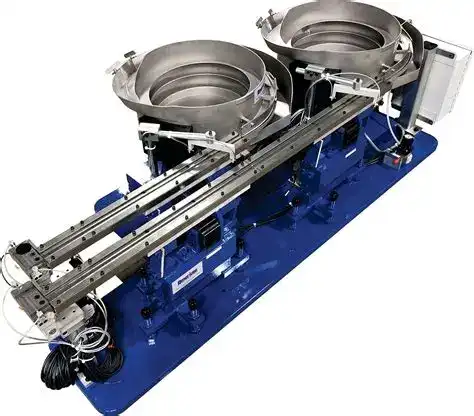

Overview of Automated Material Handling in Modern Metallurgy
The metallurgical industry has witnessed a fundamental shift in how raw materials reach processing furnaces. Traditional manual charging methods exposed workers to extreme hazards, including molten metal splash, intense radiant heat exceeding 1200°C, and toxic fumes. Modern Automatic Furnace Feeding Systems address these critical safety concerns while simultaneously improving operational metrics.
Understanding System Classifications and Working Principles
Automatic Furnace Feeding System technology operates through synchronised mechanical conveyors, vibratory feeders, and PLC-driven logic that coordinates material delivery with furnace melting cycles. The distinction between system types matters significantly for procurement decisions. Fully automated systems require zero human intervention during normal operations, handling everything from scrap metal and DRI to foundry coke and limestone with remarkable precision. Semi-automatic configurations maintain some operator oversight while automating the most dangerous tasks. Manual systems, though less capital-intensive initially, cannot match the consistency and safety profile of their automated counterparts.
The working mechanism involves integrated load cells that continuously monitor material weight, conveyor belts or bucket systems that transport feedstock, and positioning systems guided by sensors and limit switches. This coordinated operation maintains stable melt bath temperatures, protecting furnace refractories from thermal shock while optimising energy consumption per ton of material processed.
Industrial Applications Driving Adoption
Steel mills processing direct reduced iron face unique electromagnetic interference challenges that require robust system design. Aluminium cast houses require precise temperature feedback to prevent bath freezing during ingot addition. Biomass energy facilities contend with variable moisture content and heterogeneous particle sizes that can jam conventional equipment. Each application demands specialized engineering solutions, and the best Automatic Furnace Feeding Systems demonstrate versatility across multiple furnace types without compromising performance. For steel production environments, specialized "Fifth Hole" feeding capabilities enable continuous lime and carbon injection through roof-mounted ports, optimising slag foaming chemistry while reducing electrode consumption costs by measurable percentages.
Key Features that Make an Automatic Furnace Feeding System Superior
The performance gap between adequate and exceptional Automatic Furnace Feeding Systems becomes evident through several distinguishing characteristics that directly impact your operational outcomes.
Intelligent Control Architecture and System Integration
Superior systems use real-time monitoring and adaptive algorithms to adjust feed rates based on furnace conditions. Shaanxi Heyuan New Metallurgical Electric Furnace Equipment Co., Ltd. has developed systems that work smoothly with SCADA and PLC networks already in use in modern facilities. This connectivity enables centralised monitoring across multiple furnaces, historical data logging for process optimisation, and immediate alerts when parameters drift outside acceptable ranges.
The control interface supports industry-standard communication protocols, including Profibus and Modbus, ensuring compatibility regardless of your existing automation infrastructure. Dosing accuracy typically reaches ±0.5% to ±1% precision using loss-in-weight technology and calibrated load cells. This level of accuracy is essential when adding expensive alloying elements, as even small deviations can change the final product's chemistry and increase raw material waste.
Comprehensive Safety Mechanisms and Compliance Standards
Safety features differentiate professional-grade equipment from basic alternatives. Emergency shut-off systems respond within milliseconds to sensor-detected anomalies, including conveyor overload, obstruction detection, and unexpected temperature spikes. Overload protection prevents mechanical damage while safeguarding personnel from equipment failures that could release material unexpectedly.
Compliance with ISO 13577 standards for safety in industrial thermal processing equipment assures that designs incorporate proven safety logic. Systems meeting CE, UL, and CSA machinery directives demonstrate adherence to rigorous international requirements. Enclosed designs with integrated dust extraction ports help facilities meet environmental emission standards and support ISO 14001 environmental management certification efforts. The investment in proper safety architecture pays dividends through reduced incident rates, lower insurance premiums, and improved regulatory compliance during inspections.
Energy Efficiency and Environmental Performance
Energy consumption is a substantial operating expense in metallurgical operations. Advanced Automatic Furnace Feeding Systems reduce energy waste through several mechanisms. Continuous trickle feeding minimizes the duration furnace doors remain open, substantially reducing radiant heat loss compared to batch dumping approaches. Variable frequency drives adjust motor speeds precisely to match instantaneous demand, rather than running constantly at maximum capacity.
Temperature-controlled feeding prevents the energy penalty associated with charging cold material that must be brought to the melt temperature. By synchronising material addition rates with available thermal energy in the melt bath, systems maintain optimal temperature profiles while reducing kilowatt-hours consumed per ton processed. Over annual production cycles, these efficiency gains translate to significant cost savings and reduced carbon footprint that aligns with corporate sustainability objectives and regulatory requirements.
Durability Engineering and Predictive Maintenance Capabilities
Equipment longevity in harsh metallurgical environments demands exceptional materials engineering. Hoppers and chutes lined with Hardox 450/500 or manganese steel resist the abrasive action of coarse scrap and mineral fluxes that would quickly wear out standard materials. Water-cooled jackets protect proximity sensors and control components from radiant heat that exceeds 1000°C in furnace charging zones.
Modular design philosophy enables component replacement without extended downtime. Critical wear items like conveyor belts, vibrator motors, and sensor arrays can be swapped during planned maintenance windows rather than forcing unscheduled production interruptions. IoT-enabled monitoring systems track bearing vibration signatures, motor current draw patterns, and temperature trends to predict component failures before they occur. This predictive maintenance approach, supported by data analytics, allows facilities to schedule repairs during planned outages instead of responding to emergency breakdowns that stop production and cause costly delays.
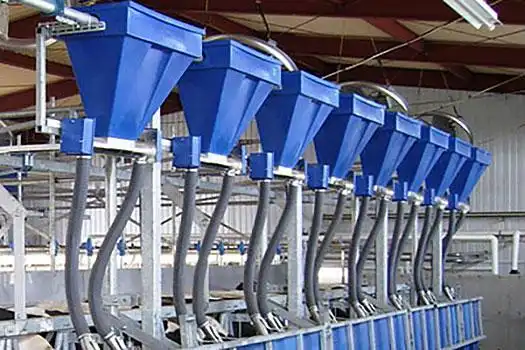
Comparing Automated Feeding Solutions: Critical Evaluation Criteria
Procurement teams face numerous options when selecting equipment suppliers and system configurations. Understanding key differentiators helps align technical capabilities with strategic business requirements.
Assessing Feed Rate Accuracy and Material Handling Capabilities
Feeding capacity requirements vary dramatically across operations. Small induction furnaces processing 500 kg/hour demand different engineering than electric arc furnaces consuming over 100 tons hourly. The best suppliers offer scalable solutions rather than forcing customers into standardized configurations that don't match actual needs. Shaanxi Heyuanxin systems can charge from 1 to 50 tonnes per cycle and use power configurations from 15 to 150 kW, giving flexibility for different facility needs.
Material handling challenges differ significantly between applications. Steel scrap presents irregular shapes and sizes that can jam poorly designed conveyors. Aluminum ingots require gentle handling to minimise oxidation during transfer. Biomass fuels have moisture variability and particle size heterogeneity, which require robust anti-jamming logic and steep-walled hopper designs lined with ultra-high-molecular-weight polyethylene to prevent material bridging. Evaluating how potential systems match your specific material characteristics helps avoid costly mismatches between equipment capabilities and actual operating conditions.
Supplier Reliability and Long-Term Partnership Considerations
Technical specifications matter immensely, but supplier reliability often determines long-term satisfaction with Automatic Furnace Feeding Systems. Warranty terms, spare parts availability, and technical support responsiveness become critical during unexpected issues that threaten production schedules. Suppliers offering one-stop solutions covering design, manufacturing, installation, commissioning, and operator training demonstrate commitment to customer success beyond initial equipment sales.
Manufacturing capability indicators include ISO quality management system certification, environmental management certification, and occupational health management compliance. Companies holding multiple utility model patents and software copyrights signal ongoing innovation rather than reliance on outdated designs. Shaanxi Heyuanxin holds over ten utility model patents and more than ten computer software copyrights, reflecting continuous engineering development. With over 400 skilled team members and more than 400 equipment installations worldwide across eleven years, the company demonstrates proven execution capability across diverse customer requirements and challenging installation environments.
Customization Capabilities and Application-Specific Engineering
Standardized solutions rarely optimise performance in unique facility configurations. The ability to customize system parameters based on furnace type, production capacity, workshop layout constraints, and specific material characteristics separates exceptional suppliers from those offering only catalogue products. Custom engineering should address ceiling height limitations, integration with existing material handling infrastructure, and accommodation of unusual material properties without requiring facility modifications.
Facilities conducting 3D laser scanning during site assessments demonstrate commitment to precision engineering. This approach identifies spatial constraints, structural support requirements, and optimal conveyor trajectories before manufacturing begins, reducing installation complications and ensuring equipment fits properly within available space. Automatic Furnace Feeding Systems designed for retrofitting into existing manual operations must integrate smoothly with legacy infrastructure while maintaining access for maintenance and providing contingency manual operation capabilities during system servicing.
Installation, Operation, and Maintenance Best Practices
Even superior Automatic Furnace Feeding Systems perform inadequately when installation shortcuts compromise system integrity or when maintenance protocols receive insufficient attention.
Pre-Installation Planning and Site Preparation
A thorough site assessment identifies potential complications before Automatic Furnace Feeding Systems arrive. Structural load calculations ensure that building foundations can support the weight of the equipment and the maximum material loads. Electrical infrastructure evaluation confirms adequate power capacity for motor requirements and controls compatibility with existing voltage and frequency standards. Planning for the integration of the dust collection system prevents environmental compliance problems after installation.
Custom configuration planning addresses specific operational requirements, including charging cycle timing, material staging areas, and operator interface locations. Detailed installation drawings showing equipment positioning, anchor bolt locations, and utility connection points guide construction teams and prevent coordination errors between trades. Procurement of long-lead items such as specialized abrasion-resistant materials or custom-fabricated structural components should occur well before scheduled installation dates to avoid project delays.
Commissioning Procedures and Operator Training Requirements
Initial system calibration establishes baseline performance parameters. Load cell calibration using certified test weights verifies weighing accuracy across the full measurement range. Conveyor speed adjustments optimise the timing of material delivery relative to furnace conditions. Emergency stop testing confirms safety systems respond appropriately to simulated fault conditions. Documentation of these commissioning results provides reference data for future troubleshooting and performance monitoring.
Operator training programs should cover normal operating procedures, routine maintenance tasks operators perform, and appropriate responses to common alarm conditions. Hands-on training using actual equipment under supervision builds operator confidence and competence more effectively than classroom instruction alone. Maintenance personnel require deeper technical training covering component replacement procedures, troubleshooting methodologies using diagnostic tools, and proper documentation of service activities that support warranty claims and performance trend analysis.
Establishing Preventive Maintenance Protocols
Routine maintenance schedules maximise equipment uptime and extend component service life. Daily visual inspections check for material spillage, unusual noise or vibration, and proper operation of interlocks and sensors. Weekly tasks include greasing accessible bearing points and verifying proper operation of dust collection systems. Quarterly inspections examine sacrificial wear liner condition, check structural bolt torque, and clean optical sensors and limit switches that accumulate conductive dust.
Annual maintenance includes comprehensive mechanical inspection, electrical connection tightening, motor insulation testing, and vibration analysis on rotating equipment. Maintaining detailed maintenance logs documents component replacement intervals and identifies patterns that may indicate design weaknesses or operational issues requiring engineering attention. This data proves invaluable during warranty discussions and helps optimise spare parts inventory to balance availability against carrying costs.
Future Trends and Technological Innovations Shaping Feeding Systems
Understanding emerging technologies helps procurement professionals make investment decisions that remain relevant as industry practices evolve.
Machine Learning and Artificial Intelligence Integration
Advanced Automatic Furnace Feeding Systems incorporate machine learning algorithms that analyse historical feeding data to predict optimal material addition timing based on furnace conditions. These adaptive controls learn from each heat cycle, continuously refining parameters to improve energy efficiency and product quality. Predictive analytics identify subtle pattern changes that precede equipment failures, enabling truly predictive maintenance rather than time-based component replacement that may occur prematurely or too late.
Sophisticated sensor networks provide feedback precision unattainable with earlier-generation equipment. High-resolution thermal imaging monitors furnace interior conditions without physical contact with extreme temperatures. Advanced load cells maintain accuracy despite harsh vibration and electromagnetic interference. Integrated data from multiple sensor types creates comprehensive process visibility, supporting optimisation efforts and providing defensible documentation for quality audits and regulatory compliance demonstrations.
Smart Factory Integration and Industry 4.0 Connectivity
Automatic Furnace Feeding Systems increasingly function as integrated components within smart factory ecosystems rather than standalone equipment. Connectivity with enterprise resource planning systems enables automatic raw material consumption tracking and inventory management. Integration with production scheduling systems optimises material preparation timing to minimise staging area congestion. Connection to plant-wide energy management systems enables load shifting to take advantage of time-of-use electricity pricing.
Energy-saving motor designs incorporating permanent magnet technology and optimised cooling systems reduce electrical consumption compared to conventional induction motors. These efficiency improvements compound across multiple systems and extended operating periods, generating substantial cost savings while supporting corporate carbon reduction commitments. As sustainability reporting requirements expand globally, equipment efficiency documentation becomes increasingly valuable for demonstrating environmental stewardship to regulators, investors, and customers.
Conclusion
Superior Automatic Furnace Feeding System technology transforms metallurgical operations through precision, safety, and reliability that manual processes cannot match. The distinguishing features include intelligent controls achieving ±50mm positioning accuracy, comprehensive safety systems meeting international standards, energy-efficient operation reducing consumption per ton processed, and durable construction using wear-resistant materials that minimise lifecycle costs. Shaanxi Heyuanxin systems show these features with proven performance in over 400 installations worldwide, cutting charging time by 30% and achieving more than 8500 hours of annual operating reliability. Procurement decisions should assess feed accuracy, safety compliance, customisation options, and the potential for supplier partnerships to ensure long-term operational success in demanding industrial environments.
FAQ
How does automated feeding improve energy efficiency compared to manual charging?
Automatic Furnace Feeding Systems reduce energy consumption through continuous trickle feeding that minimizes furnace door open time, decreasing radiant heat loss substantially. Synchronised material delivery maintains stable melt bath temperatures, eliminating energy penalties from thermal cycling. Variable frequency drives adjust motor speeds precisely to match demand instead of running at a constant maximum, while temperature-controlled feeding avoids the energy cost of heating excessively cold material additions.
What safety features should procurement managers prioritise when evaluating these systems?
Critical safety elements include millisecond-response emergency stops, conveyor overload protection preventing mechanical failures, obstruction detection preventing uncontrolled material release, and compliance with ISO 13577 standards for thermal processing equipment. Enclosed designs with dust extraction support environmental regulations while protecting personnel from particulate exposure. Water-cooled component protection and heat shielding prevent control system damage from extreme radiant temperatures.
Can feeding systems be customized for specific furnace configurations and materials?
Professional suppliers carry out detailed site assessments, including 3D laser scanning, to design custom support structures and conveyor trajectories that fit within facility constraints. Automatic Furnace Feeding Systems accommodate specific material characteristics through appropriate hopper designs, anti-jamming mechanisms for problematic feedstocks, and specialized handling for temperature-sensitive materials. Custom configurations address unique requirements, including integration with existing material handling infrastructure and accommodation of unusual workshop layouts, without requiring modifications to the facility.
Partner with Heyuanxin for Advanced Feeding Solutions
Shaanxi Heyuan New Metallurgical Electric Furnace Equipment Co., Ltd. delivers complete Automatic Furnace Feeding Systems engineered specifically for electric arc furnaces, induction furnaces, and converters serving steel mills, aluminum processing facilities, and mining operations throughout the United States. Our systems integrate precision positioning, intelligent controls, and robust construction, validated through over eleven years of service in demanding industrial applications. As an ISO-certified Automatic Furnace Feeding System manufacturer holding multiple patents and certifications, we provide turnkey services from initial design through installation, commissioning, and operator training. Contact our technical team at sxhyyj606@163.com to discuss how customised feeding automation can optimise your furnace operations and enhance workplace safety.
References
1. International Organization for Standardization. (2017). ISO 13577: Industrial Furnaces and Associated Processing Equipment - Safety Requirements for Furnace Equipment.
2. American Iron and Steel Institute. (2019). "Electric Arc Furnace Steelmaking: Technology Fundamentals and Operational Best Practices."
3. Aluminum Association. (2020). "Aluminium Cast House Operations: Material Handling and Process Control Guidelines."
4. Energy Efficiency in Manufacturing Networks. (2021). "Automated Material Handling Systems: Energy Consumption Analysis and Optimisation Strategies."
5. National Institute for Occupational Safety and Health. (2018). "Hazard Controls for Metallurgical Operations: Engineering Solutions for Worker Protection."
6. Industry 4.0 Consortium. (2022). "Smart Manufacturing Integration: Connectivity Standards and Implementation Frameworks for Heavy Industry."


YOU MAY LIKE