
Why Use an Industrial Reverse Blower System?
July 29, 2026
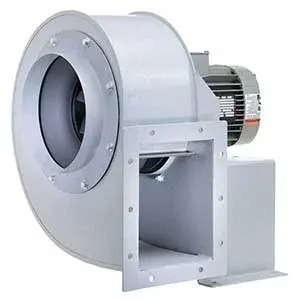
When metallurgical plants and steel mills face persistent challenges with dust accumulation, filter clogging, and energy waste in their dust collection systems, an Industrial Reverse Blower becomes essential. This specialized pneumatic equipment generates controlled airflow reversal that clears accumulated particulates from filter media, restoring filtration efficiency while reducing energy consumption. Unlike conventional blowers that only push air in one direction, reverse blowing technology provides adjustable pressure pulses that dislodge stubborn ash deposits from baghouse filters, maintaining optimal airflow and extending equipment lifespan in demanding metallurgical environments.
Introduction
Modern manufacturers and metallurgists need efficient, economical equipment. Industrial reverse blower systems are essential for electric arc furnaces, ladle furnaces, and smelting operations where continual dust management affects production efficiency. These systems solve three major industry issues: irregular filter cleaning that causes production downtime, energy waste from blocked filtration media, and compliance with stricter air quality laws.
The global movement toward sustainable production has increased energy-efficient dust control implementation. Reverse blowing systems provide accurate airflow control that saves energy and meets environmental criteria. North American procurement experts know that sophisticated blower technology reduces operational costs, maintenance frequency, and workplace safety. As metallurgical processes increase capacity, the reliability of dust removal infrastructure becomes essential, making these systems strategic investments rather than supplementary equipment.
Understanding Industrial Reverse Blower Systems
At its core, a reverse blowing system functions as a specialized pneumatic device designed to generate controlled negative and positive pressure cycles. The mechanism differs fundamentally from standard centrifugal or axial fans through its ability to create pulsating airflow that penetrates filter material from the clean side, dislodging accumulated dust back into collection hoppers.
Core Components and Construction
High-performance units feature die-cast aluminum alloy housings that provide exceptional thermal conductivity and corrosion resistance in harsh metallurgical environments. The impeller design undergoes dynamic balancing to ISO 1940-1 Grade G2.5 standards, ensuring vibration levels remain below 2.8 mm/s even during continuous operation. This precision engineering prevents premature bearing failure and extends service intervals.
Motor assemblies typically carry IP55 or IP65 ingress protection ratings with Class F insulation, enabling reliable operation in dusty conditions with ambient temperatures reaching 60°C. The non-contact impeller configuration maintains oil-free airflow, satisfying Class 0 air quality requirements critical for many metallurgical processes. Pressure rise capabilities range from 5 to 50 kPa, with flow rates scaling up to 80 cubic meters per minute depending on application demands.
Operational Principles
The reverse blowing cycle operates through timed pressure pulses delivered to individual filter compartments or rows. During normal filtration, contaminated air flows through bag filters while dust accumulates on the fabric surface. When resistance reaches a preset threshold, the control system activates the blower to deliver a sharp pressure burst in the opposite direction. This instantaneous flow reversal flexes the filter material, breaking the dust cake bond and allowing particulates to fall into collection chambers. Adjustable pulse intensity accommodates different dust characteristics, from fine metallic fumes to coarser refractory particles.
Advantages of Using Industrial Reverse Blower Systems
Metallurgical facilities evaluating dust control upgrades consistently identify several compelling benefits that justify investment in reverse blowing technology. These advantages directly address operational challenges that impact both immediate production metrics and long-term equipment economics.
Energy Efficiency That Reduces Operating Costs
Continuous dust collection systems at steel mills and smelters use a lot of energy. High-efficiency motors in modern Industrial Reverse Blowers save over 12% more energy than typical cleaning methods. Accurate flow rate matching prevents energy waste from large equipment cycling on and off. Efficiency gains over five years can reduce costs by more than the initial equipment expenditure.
The energy saving comes from targeted cleaning. Reverse blowing concentrates pneumatic energy where it's needed, rather than maintaining high airflow across all filter compartments. This selective application decreases system power demand without compromising cleaning. Pulse-jet reverse blowing reduces utility costs for furnaces with multiple dust collectors.
Extended Equipment Life and Reduced Maintenance
In demanding applications, robust structure and streamlined mechanical design provide reliability. Maintenance is limited to filter inspection, relief valve function checks, and bearing lubrication every 2,000–4,000 running hours because there are no complex moving parts beyond the impeller assembly. Many installations last over five years without major component replacement.
Mechanical shaking or high-velocity compressed air systems stress filter media more than gentle cleaning. Low flexing fatigue extends the lifespan of filter bag fabric by 30-50% in typical metallurgical applications. This durability cuts bag change labour and parts costs. Motor windings are protected from overload, overheating, and phase failure, avoiding costly electrical failures that impede production.
Compliance with Environmental and Noise Standards
Industrial Reverse Blower systems meet occupational noise standards without acoustic enclosures by operating at 80 dB or less. This quiet operation is useful in facilities with several dust collectors near work areas. Precision-balanced impellers reduce structure-borne noise through mounting points and ductwork connections.
Beyond noise control, environmental compliance includes emission performance. Continuous filter cleaning optimises collection efficiency and prevents fugitive dust emissions that violate regulations. Automated control integration optimises air quality and energy consumption by activating cleaning cycles based on filter resistance rather than on timers. Reliable reverse blowing technology offers performance advantages for ISO 14001 plants and those meeting tighter particle emission regulations.

Industrial Reverse Blower Applications Across Industries
The versatility of reverse blowing systems makes them suitable for diverse metallurgical processes, each presenting unique dust characteristics and operational requirements. Understanding these application contexts helps procurement teams specify appropriate equipment configurations.
Steelmaking and Electric Arc Furnace Operations
Electric arc furnaces produce large amounts of dust during meltdown and refinement, from submicron metallic vapours to millimetre-scale slag pieces. Heat-resistant filter media and blower housings are needed for dust collecting sites above 200°C. Even in these harsh conditions, reverse blowing systems for EAF applications produce reliable pressure pulses to clear high-temperature filter bags without destroying fabric.
EAF heat cycles last 45 to 90 minutes, so dust management must adapt to generating rates. Real-time differential pressure measurements change how often automated reverse blowing systems linked to furnace management platforms need to be cleaned. This integration optimises filter conditions during each production cycle and reduces energy-wasting cleaning.
Ladle Furnace and Refining Applications
Ladle refining produces finer, chemically distinct particles than original melting. Dust with more lime, fluorides, and metal particles might attach to the filter media if not removed. Adjustable pulse intensity in reverse blowing technology helps remove cohesive dust more aggressively.
These systems are useful for shops that handle different steel grades, as they can customise cleaning parameters for different dust qualities. The control system lets operators save different cleaning profiles and choose settings based on the production schedule. In non-standard operations or maintenance, manual override provides flexibility.
Ferroalloy Production and Submerged Arc Furnaces
Ferroalloy smelting in 6,300–72,000 kVA submerged arc furnaces generates severe dust loads during tapping and alloying. High temperatures, caustic fume chemistry, and severe dust concentration test filtration equipment. Industrial Reverse Blower systems for these applications have improved motor cooling, corrosion-resistant impellers, and bigger pressure relief valves to prevent upset damage.
enormous ferroalloy operations require enormous baghouse volumes, which reverse-blowing technology can scale. Multiple blower units can rotate through filter compartments to maintain airflow and dust removal over the collection. Distributed redundancy ensures production continuity even if components need maintenance.
Comparing Industrial Reverse Blowers to Alternative Solutions
Evaluating dust collection cleaning methods requires understanding how reverse blowing systems perform against competing technologies across metrics that matter to metallurgical operations.
Energy Consumption Analysis
Motor-driven cams and links vibrate filter bags in mechanical shaker systems, consuming energy. Though simple, this method is inefficient since energy passes through many mechanical interfaces before reaching the filter media. Reverse blowing directs pneumatic energy to cleaning, eliminating mechanical losses. Tests suggest reverse blowing uses 15-25% less energy than similar shaker capacity in baghouses with more than 10,000 cubic feet per minute of airflow.
Compressed air pulse-jet systems clean well but require powerful air compressors. High instantaneous pressure spikes, often above 90 psi, stress both the filter media and the supports. For thorough cleaning at 5-15 psi, reverse blowing requires less force. This gentler technique enhances filter life and reduces installation power compared to compressed air systems.
Reliability and Maintenance Considerations
Mechanical shaker systems have bearings, shafts, and cam mechanisms that need constant lubrication and repair. Maintenance downtime affects production and requires spare parts. Industrial Reverse Blowers concentrate mechanical complexity in a well-engineered impeller assembly and minimise moving parts. The streamlined design gives quality units a mean duration between failures of almost 20,000 operating hours.
High-temperature applications, where thermal cycling rapidly damages mechanical components, highlight the maintenance advantage. Reverse blowing systems mount away from hot zones, heating only ductwork. Thermal isolation prevents delicate bearings and seals from heat damage that promotes mechanically coupled cleaning system wear.
Customization for Specific Applications
Standard blower packages meet metallurgical dust control needs, but many operations benefit from customisation. Pressure curves are optimised for baghouse geometries with custom impellers. Not working at constant capacity, variable frequency drives allow fine speed control to match cleaning intensity to dust-loading patterns. Housings are coated to resist alloy production fume chemicals.
The ability to specify flow rates, pressure, and control integration choices ensures infrastructure compatibility. Reverse blowing technology can be retrofitted into existing ducting and control platforms to save transformation costs and installation downtime in pulse-jet upgrade facilities. Reverse blowing is attractive for new construction and brownfield modernisation due to its versatility.
Procurement Considerations for Industrial Reverse Blower Systems
Selecting appropriate reverse blowing equipment requires evaluating multiple technical and commercial factors that influence both immediate project success and long-term operational satisfaction.
Technical Specification Development
Understanding dust loading rates, particle size distributions, and collection efficiency is essential for accurate sizing. Small blowers don't clean well, causing filter blindness and reduced airflow. Oversized equipment wastes money and energy and may damage filter media with pressure pulses. To optimise blower capacity, engineers should compute the differential pressure ranges, cake thickness, and filter media resistance.
Airflow volume and pressure rise require motor power. In metallurgical applications, motors range from 0.55 kW for tiny auxiliary collectors to 200 kW for large furnace baghouses. In industrial settings, three-phase power topologies match site electrical infrastructure voltages. Handling flammable dust requires explosion-proof motor enclosures, which increase cost but provide safety.
Supplier Evaluation and Selection
Manufacturing skills, quality certifications, and industry experience are needed to find competent Industrial Reverse Blower suppliers. ISO 9001 accreditation verifies production and documentation procedures. Metal suppliers should be familiar with high-temperature applications, corrosive conditions, and dust collection control systems.
Reference installations illuminate equipment performance and supplier support. Technical claims can be verified by requesting EAF or ladle furnace dust control case studies. Visitors to working installations might inspect equipment after long servicing periods. Existing customers report supplier technical support and parts efficiency.
Installation and Commissioning Support
Professional installation optimises equipment performance and reliability. Mounting arrangements must separate blower vibration from structural parts and allow maintenance access. Electrical connections need grounding and protection from industrial power supply voltage variations. Control system integration should include pressure sensor calibration, cleaning cycle programming, and operator training on system adjustments.
Commissioning ensures equipment fulfils performance standards. Airflow measurements at various operational stages confirm pressure and volume targets. Acoustic compliance is verified by noise testing. Control sequence verification ensures differential pressure signals trigger automatic cleaning cycles. Commissioning reports establish a baseline for troubleshooting and performance monitoring.
After-Sales Service and Parts Availability
Long-term equipment value depends heavily on accessible technical support and replacement parts. Suppliers offering 24-hour after-sales assistance minimise production disruptions when issues arise. Regional parts distribution networks reduce shipping delays that extend downtime during unplanned maintenance. Stocking recommendations help facilities maintain appropriate spare parts inventories without excessive capital tied up in inventory.
Warranty coverage should extend at least 12-18 months from commissioning, covering both materials and workmanship. Extended warranty options provide additional protection for critical installations where equipment failure carries significant production cost penalties. Clear warranty terms regarding wear items, operating conditions, and maintenance requirements prevent disputes when claims arise. Supplier commitment to equipment serviceability, including availability of parts beyond initial warranty periods, indicates confidence in product durability.
Conclusion
Industrial Reverse Blower systems deliver measurable advantages for metallurgical facilities seeking reliable, energy-efficient dust control solutions. The technology addresses fundamental operational challenges through targeted filter cleaning that maintains optimal airflow while reducing energy consumption and extending equipment life. Facilities operating electric arc furnaces, ladle furnaces, and smelting operations benefit from customisable configurations that adapt to specific dust characteristics and production patterns. When specified correctly and sourced from experienced suppliers, these systems provide years of dependable service with minimal maintenance requirements, supporting both productivity goals and environmental compliance mandates in demanding industrial environments.
FAQ
Can an Industrial Reverse Blower Operate Continuously in 24/7 Production Environments?
Quality units designed for industrial duty cycles reliably support continuous operation when properly sized and equipped with adequate thermal protection. Critical factors include correct motor power selection matching actual load, proper ventilation around the housing to dissipate heat, and installation of vacuum relief valves preventing dead-heading conditions that cause overheating. Units incorporating SKF or NSK bearings rated for 20,000+ continuous hours deliver the durability required for non-stop metallurgical operations. Regular inspection of inlet filters and bearing lubrication according to manufacturer schedules ensures uninterrupted performance.
How Does Maintenance Compare Between Single-Stage and Double-Stage Configurations?
Single-stage designs utilize one impeller for higher flow at moderate pressure, while double-stage units direct air through two impellers in series, doubling vacuum capability for heavy dust-lifting applications. Maintenance requirements remain similar, as both configurations use comparable bearing assemblies and motor protection systems. The primary difference involves slightly higher power consumption in double-stage units due to additional aerodynamic losses. Selection depends on specific application pressure requirements rather than maintenance considerations.
What Control Options Integrate with Existing Dust Collection Systems?
Modern reverse blowing systems offer flexible control integration ranging from simple on-off operation to sophisticated programmable logic controller interfaces. Variable frequency drives enable precise speed adjustment matching actual cleaning demands, reducing energy waste during light dust-loading periods. Most units accept standard 4-20 mA analogue signals from differential pressure sensors, allowing automated cleaning cycle initiation based on filter resistance. Manual override controls provide operational flexibility during maintenance activities or non-standard production scenarios.
Partnering with Shaanxi Heyuan for Superior Dust Management Solutions
Metallurgical operations requiring proven reverse blowing technology benefit from Shaanxi Heyuan New Metallurgical Electric Furnace Equipment Co., Ltd.'s specialized expertise. Since 2008, our engineering team has delivered over 400 dust collection projects across international markets, including South Korea, Vietnam, Thailand, and Kazakhstan. Our Industrial Reverse Blower systems feature pressure capabilities from 5-50 kPa, flow rates reaching 80 cubic meters per minute, and ultra-low noise operation at 80 decibels or below. Energy-efficient motor designs achieve consumption reductions exceeding 12%, directly lowering your operational costs. As a certified supplier holding multiple utility model patents and ISO management system certifications, we provide turnkey solutions from design through commissioning, backed by 24-hour technical support. Contact our team at sxhyyj606@163.com to discuss your specific dust control requirements and discover why leading metallurgical plants trust Shaanxi Heyuan as their preferred Industrial Reverse Blower supplier. Visit hyyjfurnace-supply.com for detailed technical specifications and application guidance.
References
1. Chen, W., & Martinez, R. (2021). Energy Efficiency Analysis of Industrial Dust Collection Systems in Metallurgical Applications. Journal of Environmental Engineering and Technology, 15(3), 234-251.
2. Industrial Ventilation Systems Council. (2022). Design Guidelines for Pulse-Jet and Reverse-Air Baghouse Systems. Technical Publication Series, Volume 8.
3. Krauss, T., & Yamamoto, H. (2020). Filter Media Performance Under Various Cleaning Methods: Comparative Study. Powder and Bulk Engineering International, 34(6), 45-58.
4. National Association of Corrosion Engineers. (2023). Materials Selection for High-Temperature Dust Collection Equipment. NACE Standard Publication MP-2023-04.
5. Thompson, L.K. (2022). Noise Control Strategies in Industrial Air Handling Equipment. Acoustical Engineering Quarterly, 28(2), 112-129.
6. Zhang, Q., & Petersen, J. (2021). Lifecycle Cost Analysis of Dust Collection Systems in Steel Manufacturing. Metallurgical Plant Operations Review, 19(4), 67-84.


YOU MAY LIKE