
High temperature heat treatment furnace for Industrial Manufacturing
July 29, 2026
Modern industrial manufacturing demands precision, reliability, and performance from every piece of equipment. A high-temperature heat treatment furnace is at the heart of advanced thermal processing, delivering controlled heating environments that fundamentally transform material properties for aerospace, defence, and speciality manufacturing applications. These sophisticated systems operate between 1200°C and 1800°C, offering manufacturers the precision needed to meet stringent quality standards while maintaining production efficiency. Whether you're processing superalloys, sintering ceramics, or pre-smelting special alloys, understanding how these furnaces work and what they offer can transform your manufacturing capabilities.
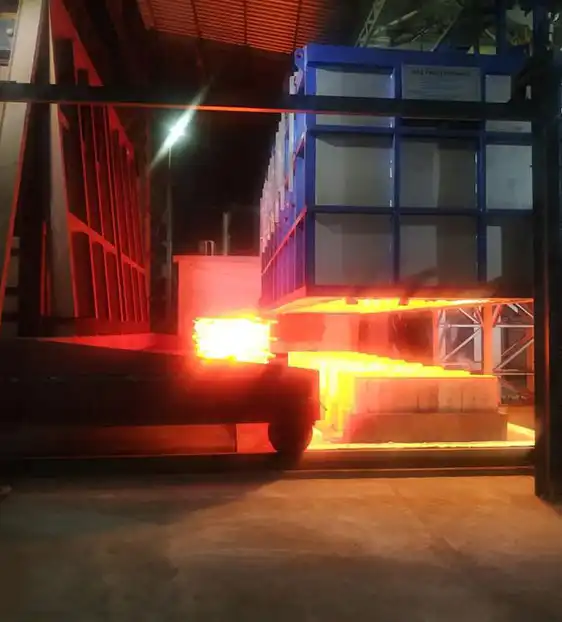
Understanding High-Temperature Heat Treatment Furnaces
What Makes Thermal Processing Equipment Essential?
Industrial thermal processing equipment is specialised machinery that changes the properties of materials by heating them in very precise cycles. When we talk about modern heat treatment systems, we're talking about technology that can work at temperatures much higher than those used in factories. At the molecular level, these units change the physical and mechanical properties of materials by creating controlled environments where they can change.
To make things, factories need tools that can do the same thing over and over again, thousands of times. Basic heating equipment is not professional-grade. Professional-grade systems have temperature uniformity, atmosphere control, and thermal stability. The technology makes it possible to handle materials consistently, from titanium alloys used in aeroplane parts to refractory materials needed for use in harsh environments.
Key Furnace Types and Their Working Principles
Different types of manufacturing require different ways of heating. Batch furnaces can handle different loads of materials at once, so they can be used for a wide range of production runs and special treatments. When working with different kinds of products or when processing numbers change, these tools are particularly effective. On the other hand, continuous furnaces keep the flow steady for high-volume operations where standard treatment cycles control the schedules for production.
Electric heating systems let you control the temperature in a clean, precise way, which is particularly beneficial for applications that can't handle contamination. Gas-fired options might work in places where the cost of fuel makes combustion heating more appealing or where certain types of air benefit from combustion.
Applications Across Critical Industries
In aerospace manufacturing, nickel-based superalloys and titanium parts require heating. The purity of the materials directly affects safety. Thermal processing improves the strength and resistance to creep in turbine blades, structural bolts, and landing gear parts. For military uses, manufacturers need the same level of accuracy to make armour materials and parts for weapons systems that meet exact specs.
Processing environments that are free of contamination are important for making medical devices. Titanium implants, surgical instruments, and diagnostic equipment parts are heated to ensure they are biocompatible and have the right mechanical properties. In powder metallurgy, ceramic sintering, and refractory metal processes, the success or failure of a product depends on how precisely the temperature is controlled.
Advantages and Benefits of High-Temperature Heat Treatment Furnaces
Material Property Enhancement
Thermal processing basically changes how well a material works. Grain structure refinement and phase transformation control are two ways to increase strength. Hardness changes help cutting tools and parts that don't wear out keep working well in tough situations. Surface cleaning methods that add protective metal layers or change the surface chemistry reduce the likelihood of rust.
Stress relief treatments get rid of residual stresses from machining and shaping, which leads to dimensional stability. Tighter standards are kept on components throughout their service life, which lowers the number of guarantee claims and speeds up the assembly process. These changes to the materials directly lead to longer component lives, shorter maintenance intervals, and higher safety margins in serious situations.
Production Efficiency and Consistency Gains
Modern thermal processing equipment has advanced control systems that ensure each batch is the same and that people do not make mistakes. Programmable logic controllers can precisely control complex heating profiles by adjusting them by one degree at a time. Monitoring tools for the atmosphere keep oxygen levels below important levels, which prevents oxidation even during long working cycles.
Technologies that save energy cut down on running costs by a large amount. When compared to older equipment designs, high-performance insulation systems cut energy use by 30 to 40 per cent by preventing heat loss. Being able to quickly heat and cool cuts down on cycle times, which increases output without lowering the level of treatment. Smart monitoring systems keep track of how much energy is being used, which allows processing factors to be constantly optimised and opportunities to improve efficiency to be found.
Safety and Environmental Compliance
Safety at work relies on tools that have full security systems. Temperature interlocks stop things from getting too hot, which could damage materials or equipment. Atmospheric monitoring makes sure that the amount of flammable gases stays below the limits that can cause an explosion. When something goes wrong, emergency shutdown systems act right away to protect people and property.
As rules around the world become stricter, it is increasingly important to follow environmental laws. Modern furnaces have exhaust treatment systems that neutralise harmful emissions before they enter the air. Closed-loop cooling devices use less water and don't pollute the air with heat. Using less energy means leaving less of a carbon impact, which supports companies' efforts to be more environmentally friendly and lowers their operating expenses.

Comparing High-Temperature Heat Treatment Furnaces: How to Make the Right Choice?
Performance Characteristics Analysis
The application's usefulness is based on the operating temperature range. Systems that can handle temperatures up to 1200°C are useful for treating steel and handling ceramics. Some tasks that need to be able to handle 1800°C are advanced ceramic sintering and handling special alloys. The chamber size needs to be big enough to hold your biggest parts, but not so big that there is too much space that wastes energy heating a room that isn't being used.
Specifications for temperature uniformity show how evenly the work area heats. Tighter uniformity ensures that the material qualities are the same across all handled batches. The heating rate capabilities affect cycle time and productivity. It takes less time to process when the heating is faster, but it needs stronger control systems and more powerful heating elements. Different choices for cooling rates affect the microstructure and end properties of the material. For some uses, fast quenching is needed, while for others, slow, controlled cooling is needed.
Electric Versus Gas Heating Considerations
Electric heating systems are easier to clean and have more accurate temperature control. Tight temperature limits are kept by heating elements that respond quickly to control signals. Since there are no combustion leftovers, there are no worries about contamination, which is very important for medical and military uses. Installation costs are usually cheaper because there is no need for gas pipe infrastructure. Costs of doing business depend on how much electricity costs in the area, but electric systems tend to do better in places where power costs are reasonable.
In places where the price of natural gas is much lower than the price of power, gas-fired systems may be more useful. Combustion heating can quickly raise the temperature, which is good for high-throughput tasks. Certain features of the combustion atmosphere are helpful for some processes. Gas burners need to be inspected and cleaned regularly, while electric parts need to be replaced after a certain number of hours of use and exposure to high temperatures.
Vacuum Versus Atmospheric Environment Impact
Vacuum processing stops oxidation and decarburisation totally, which is very important for materials that react, like titanium and some types of stainless steel. The surface finish stays bright and clean, so there is no need for expensive cleaning after treatment. During pump-down, volatile contaminants escape, which stops surface defects. Vacuum systems are very expensive, but the quality of their essential parts is unmatched.
Atmospheric furnaces work with controlled gas mixtures of nitrogen, argon, hydrogen, or a mix of gases that are made to work with certain materials. A lot of different uses can benefit from air systems because they are easier to use and don't cost as much to buy. Processing speeds are often faster than vacuum options because heating and cooling happen faster when there are no vacuum system limits. If air processing meets the needs, or if vacuum operation is needed, it depends on how well the materials work together.
Procurement Considerations for B2B Clients
Investment Analysis and Pricing Structure
The amount of money spent on equipment depends a lot on its features and specs. Standard setups with a 600 mm cube room and a maximum temperature of 1400°C usually cost between $50,000 and $150,000. Custom systems that have bigger tanks, can handle higher temperatures, or need special controls for the atmosphere can cost $300,000 to $500,000 or more. With the same chamber size, vacuum systems cost 40–60% more than atmospheric equivalents.
Financing choices help keep capital costs under control. Leasing equipment lets you spread out the costs over three to five years, which keeps your working capital available for other business needs. Vendor financing programs might have low rates and easy approval processes. Calculating the return on an investment should take into account the fact that new equipment can save money on energy, cut down on labour, get rid of waste, and increase capacity compared to older systems or outsourcing processing.
Customization and Technical Support Requirements
Different industries and uses have very different manufacturing processes. Customisation options let you tailor the features of the high-temperature heat treatment furnace to your personal needs. The chamber sizes are right for the sizes of your parts without wasting space. The temperature ranges you need for processing materials are what you need. Your unique needs for gas composition can be met by atmosphere control technologies. Different types of loading systems, like front-loading, top-loading, or continuous conveyor systems, can work with the way your facility works.
Supplier Evaluation Criteria
Verification of certification shows that the manufacturer meets quality standards. Getting ISO 9001 approval means that your quality control systems are well-established. Certifications that are specific to an industry, like NADCAP for aircraft uses, show that you have the right skills. Safety certifications from well-known testing labs show that electrical and operational safety standards are met.
Long-term operating reliability is affected by the supply of spare parts. Manufacturers who keep large parts inventories can quickly replace parts that wear out, like heating elements, thermocouples, and insulation materials. To avoid long periods of downtime, lead times for important parts should stay below two weeks. After-sales service infrastructure with field service workers and online diagnostic tools gives customers peace of mind that they will always be able to get help with their equipment.
Shaanxi Heyuanxin Metallurgical Electric Furnace Equipment Co., Ltd. has been designing and making thermal processing equipment for more than 15 years. The company has more than ten utility model patents and is recognised as a business at the local level. It also has ISO quality management certification, environmental management certification, and workplace health management certification. Heyuanxin has been used in more than 400 sites around the world in the aerospace, defence, and speciality production industries.
Best Practices for Using and Maintaining High-Temperature Heat Treatment Furnaces
Operating Procedures for Optimal Performance
The right way to load the high-temperature heat treatment furnace is the first step to making it work well. Where parts are placed affects how evenly they heat and how the air moves through the system. By leaving enough space between the materials, gas can flow, and heat can be spread evenly throughout the load. Don't overload beyond the stated capacity; doing so will make cycle times longer and treatment consistency worse. Load design should keep parts from touching each other directly, which lowers the risk of contamination and damage.
Temperature rising is done according to the needs of the material. For some uses, rapid heating is fine, but for others, the temperature needs to rise slowly to avoid thermal shock and cracking. Soak time at the goal temperature makes sure that the material changes completely across all of the cross-sections of the component. The final microstructure and mechanical properties depend on how fast the metal cools. Understanding the metallurgy of a material helps you choose the best processing parameters.
Energy Efficiency Enhancement Strategies
Process optimisation cuts down on energy use without lowering quality. Batch consolidation groups treatments that are similar, which makes the furnace more useful and cuts down on downtime. Predictive maintenance stops things that waste energy, like insulation that isn't working right or heating parts that don't work. Accurate temperature control is kept up by regular testing, which stops overheating that loses energy and harms materials.
Modern computer systems let you track and analyse energy use. By keeping track of how many kilowatt-hours are used during each working step, trends and ways to improve performance can be found. When you look at how much energy is used in different load configurations and treatment cycles, you can see where efficiency can be improved. Adding newer insulation materials and control systems to older equipment can cut its energy use by 35% or more and make the temperature more even and the cycle repeatable.
Preventive Maintenance and Troubleshooting
Regular maintenance makes equipment last longer and keeps it from breaking down when you least expect it. During a weekly inspection, the heating element's resistance, the accuracy of the thermocouple, and the function of the atmosphere system are all checked. Maintenance that is done once a month checks the state of the door seals, the performance of the vacuum pump (if needed), and the tuning of the control system. Every year, a full review checks the structure's strength, the state of the insulation, and the workings of the safety systems.
Common problems have clear reasons and answers. Temperature differences usually mean that heating elements have failed or that insulation has become less effective. Longer cooking times may mean that the heating element isn't working as well or that too much heat is being lost. Air pollution can happen because of vacuum leaks, dirty gas supplies or not following proper purging procedures. Keeping detailed maintenance logs helps find patterns and predict when parts will need to be replaced before they break.
Conclusion
To choose the right thermal processing tools, you need to carefully look at the technical needs, the practical issues, and the supplier's abilities. High-temperature heat treatment furnaces improve the properties of materials in ways that are important for use in aircraft, medicine, and speciality manufacturing. Knowing about the different kinds of furnaces, how they heat, and how to control the atmosphere inside them helps you make smart buying decisions. An analysis of an equipment investment should include the total cost of ownership, which includes how much energy it uses, how much maintenance it needs, and how it affects productivity. Working with makers who have a lot of experience, offer full technical support, and have a history of reliability is the best way to ensure long-term operating success and a competitive edge in tough industrial markets.
FAQ
What Temperature Range Do Industrial Heat Treatment Systems Typically Operate?
Professional thermal processing equipment can work at a lot of different temperatures, depending on the job. A lot of steel and alloy applications need systems that can handle temperatures between 800°C and 1400°C. Specialised models that can handle high temperatures reach 1800°C or more for working with advanced ceramics, refractory metals, and speciality alloys. The needed temperature range is based on the type of material and the changes in properties that are wanted.
How Long Does Typical Heat Treatment Processing Take?
Processing time is based on the type of material, the size of the part, and the treatment goals. Simple treatments for stress relief can take anywhere from two to four hours and may include heating, soaking, and cooling. It can take 8 to 12 hours for complex hardening and tempering processes to finish. Longer soak times are needed for large parts with thick cross-sections to make sure that the temperature is the same all over the material. Usually, chamber evacuation and backfilling take more time during vacuum processing.
What Maintenance Schedule Should Facilities Follow?
Daily operational checks, weekly detailed inspections, monthly system testing, and yearly thorough examinations are all parts of comprehensive maintenance programs. Daily checks make sure everything is working right and find any obvious problems. Heating elements, thermocouples, and oxygen systems are checked once a week. As part of monthly maintenance, the safety system and standards are tested. An annual thorough inspection checks the structure's strength and wear on its parts so that replacements can be planned before they break.
Can Existing Equipment Be Upgraded for Improved Performance?
Many older systems can be upgraded to make them more useful and efficient. When a control system is updated, programmable logic controllers with more advanced functions are added. Using much less energy is possible when old insulation is replaced with new materials. Upgrading the heating elements may make them heat faster or reach higher temperatures. Improvements to the atmosphere control system make processes more flexible. Comparing the cost of replacement with the cost of upgrades helps people make better decisions about what equipment to buy.
Partner with Shaanxi Heyuan for Advanced Thermal Processing Solutions
Shaanxi Heyuan specialises in providing complete high-temperature heat treatment furnace options that are made to fit your unique needs. Our engineering team gives you full process advice and makes sure that the configuration of your equipment fits your material needs and output goals. We are a certified high-temperature heat treatment furnace manufacturer with more than 15 years of experience making metallurgical equipment. Our chamber sizes range from 300×300×300mm to 1500×1500×2000mm and can be changed to fit your needs. They can reach temperatures of up to 1800°C and come with power options from 30kW to 300kW. Standard delivery takes between 15 and 20 days, and special options take between 30 and 45 days to ship. You can talk to us about how our thermal processing equipment can help your manufacturing and product quality by emailing sxhyyj606@163.com or visiting hyyjfurnace-supply.com.
References
1. Anderson, J.M., & Williams, R.K. (2021). Industrial Heat Treatment: Principles and Applications for Modern Manufacturing. Materials Science Press.
2. Chen, L., & Thompson, D.A. (2020). Advanced Thermal Processing Technologies for Aerospace Materials. International Journal of Manufacturing Engineering, 48(3), 287-312.
3. European Industrial Furnace Association. (2022). Energy Efficiency Guidelines for High-Temperature Furnace Operations. EIFA Technical Publication Series.
4. Martinez, S.R. (2019). Metallurgical Equipment Design and Optimisation. Engineering Publications International.
5. National Institute of Standards and Technology. (2023). Temperature Measurement and Calibration Standards for Industrial Thermal Processing. NIST Special Publication 2156.
6. Zhang, W., & Kumar, P. (2022). Vacuum Heat Treatment Technology: Theory and Practice for Critical Applications. Advanced Materials Processing Quarterly, 15(2), 145-178.


YOU MAY LIKE