
Why Use an Industrial Reverse Blower for Filter Cleaning?
September 24, 2026
Industrial facilities face a persistent challenge: maintaining clean, efficient filtration systems in environments saturated with fine particulates and metallic dust. An Industrial Reverse Blower provides the robust solution needed for effective filter cleaning by generating controlled reverse airflow that dislodges accumulated debris from filter media. This pneumatic cleaning method outperforms mechanical shaking or vibration techniques, delivering deeper penetration into filter fabric pores while extending equipment service life. These specialized blowers maintain optimal dust collection efficiency across metallurgical plants, mining operations, and heavy manufacturing facilities where continuous production depends on uninterrupted airflow and minimal downtime.
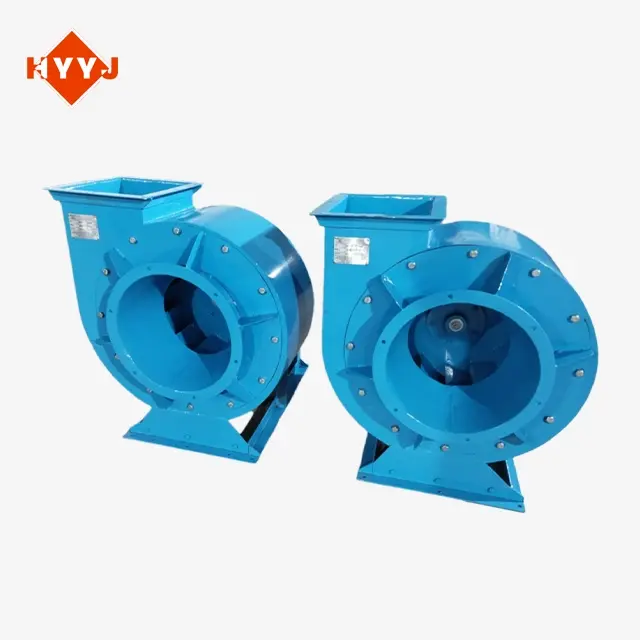
Understanding Industrial Reverse Blowers and Their Working Principle
What Defines a Reverse Blower System
By using a heavy-duty air device designed for cleaning filters in tough industrial settings, a reverse fan system does just that. Standard ventilation fans only move air in one direction. These units, on the other hand, create reverse airflow that can be pulsed or sustained and flows through filter elements. These designs have been improved by top manufacturers like Atlas Copco and Gardner Denver to work in harsh environments like steel plants and ore processing plants[1].
The main difference is that the blower can create enough backpressure, usually between 5 and 50 kPa, to change the direction of filtration. This pulse of pressurized air removes dust cakes from filter bags or cartridges, letting the gathered material fall into hoppers below for collection. The reverse-blowing solutions from Shaanxi Heyuan can reach flow rates of up to 80 cubic meters per minute, which meet the high-volume needs of systems that remove dust from metalworking.
How the Reverse Airflow Mechanism Works
The main idea behind how it works is to change the difference in pressure. In normal filtering, dirty air moves from the outside to the inside of the filter media, leaving particles on the outside. The reverse blower sometimes brings in clean, pressurized air from the filter's clean side, moving in the opposite direction of the normal flow. This opposite pulse puts stress on the dust layer, which stops it from sticking to the filter base.
A rotary blower or regenerative blower assembly with a precisely balanced impeller, a strengthened housing rated for continuous operation, and a drive system with motors that use little energy are some of the most important parts. Modern systems have variable frequency drives that change how hard the fan blows based on readings of the difference in pressure across the filter bank. High-temperature seals and bearings make sure that things work reliably in places where the temperature is above 60°C, which is common near electric arc furnaces and ladle furnaces[2].
Energy Efficiency and Noise Considerations
Using too much energy has a direct effect on operational costs, so motor efficiency is very important. When compared to regular designs, high-grade reverse blowing systems save more than 12% of energy thanks to improved fan shape and Class IE3 or IE4 motor technology. The motor power of Shaanxi Heyuan's equipment ranges from 0.55 kW to 200 kW, so it can be perfectly matched to each customer's dust collection needs without being too big, which would waste electricity.
Another important factor is the amount of noise. Units that keep sound output at or below 80 dB(A) are helpful for businesses that are close to residential areas or have to follow OSHA rules. The high level of performance comes from an aerodynamic impeller design that reduces turbulence, vibration-dampening mounting systems, and, when needed, acoustic enclosures. Low shaking also makes bearings last longer, which cuts down on repair needs and unplanned downtime.
The Advantages of Using Industrial Reverse Blowers for Filter Cleaning
Enhanced Cleaning Efficiency and Filter Longevity
When it comes to cleaning, reverse blowing technology works better than mechanical shaking methods. The pneumatic pulse goes deep into pleated filter cartridges and woven filter bags, getting rid of the fine particles that are stuck there by mechanical vibration. This thorough cleaning makes the filter more permeable again, so the whole dust collection system keeps its lower working resistance.
The life of a filter is greatly extended when cleaning cycles remove dust buildup before it sticks to the media. When industrial reverse blowers are set up correctly, the time between filter replacements is extended by 30 to 40 percent. This saves a lot of money on new media and work. Different types of dust can be blown with different intensities because the blowing strength can be changed. For example, light organic dust needs softer pulses than rough metallic fines made by steelmaking.
Energy Savings and Operational Cost Reduction
When less effective cleaning methods are replaced with reverse fans, operating costs go down in a number of ways. The main way the savings happen is by lowering the energy use of the fans. Since filters keep their resistance low, exhaust fans need less power to maintain the goal airflow volumes. When pulse-jet cleaning systems are replaced or added to with reverse blowing cycles, less compressed air is used, which saves money in other ways.
Shaanxi Heyuan's solutions for reverse blowing include precise flow rate matching, which cuts down on wasted energy. Instead of oversized systems running all the time at only part of their capacity, these units work at the most efficient points on their performance curves. When high-efficiency motors and smart control systems work together, they cut the total amount of energy used by 15-20% in most metallurgical dust collection situations. This efficiency is especially helpful for businesses that work 24 hours a day, seven days a week, because energy costs add up quickly[3].
Maintenance Requirements and Reliability
The strong construction and non-contact cleaning mechanism mean that it doesn't need much maintenance. In contrast to mechanical shakers that need to have their links and bearings oiled on a regular basis, backward fans don't have many parts that wear out quickly. Overload safety systems keep things from breaking down when they're not supposed to, and sealed bearings that can work for 20,000 hours or more cut down on service times.
Troubleshooting is easy to do when problems happen. Some common problems are low blowing pressure due to clogged inlet filters, too much vibration, which means the impeller is out of balance, or the motor getting too hot because of clogged cooling passages. There are specific steps that repair teams can take to fix each problem without having to go through special training. There is built-in protection against phase failure and overheating that keeps catastrophic failures from happening that would stop production.

Applications and Use Cases of Industrial Reverse Blowers in Filter Cleaning
Metallurgical Plant Dust Collection Systems
During charging, tapping, and polishing processes in electric arc furnaces, steel plants make huge amounts of dust. In these places, you need dust collection systems that can handle high-temperature off-gases that are full of fine particles and metallic oxides. This problem can be solved by reverse blowing technology, which keeps the filter working even when it's loaded with dust and the temperature changes.
Reverse fans are great for collecting dust from electric arc furnaces because they let you control the pressure steadily and change the strength. When there is a lot of melting and a lot of dust is being made, cleaning pulses that happen more often or with more power keep the airflow going. Between heats, cleaning the filter more gently keeps it in good shape while getting rid of built-up material. Reverse fans are different from fixed-cycle mechanical systems that can't change to changing process conditions because they can respond dynamically.
Mining and Ore Processing Facilities
Reverse fans are used in mining to move rock around and crush it. They are used in processes where fugitive dust can damage equipment and workers' health. In these situations, silica dust and mineral particles that are rough and quickly cover up filter media if cleaning isn't enough are common. Reverse airflow cleans very well and stops dust from sticking together, which permanently lowers the filter's ability to let air through.
When it comes to tough conditions, reverse blowing methods really shine in ferroalloy production. When submerged arc furnaces are run at 6,300 to 72,000 kVA, they make large amounts of off-gas that contain both fine dust and submicron fume particles. Shaanxi Heyuan's systems are good at dealing with these different particle sizes, keeping collection efficiency above 99.5% while allowing the oven to run continuously. Because the equipment works with existing dust collector designs, it makes retrofitting facilities that are already in use easier[4].
Chemical Processing and Manufacturing Environments
For chemical plants and factories to meet strict environmental rules, they need dust control systems that work with their production tools without any problems. These goals can be met with reverse fans because they work with different types of collectors. Baghouses, cartridge filters, and mixed systems can all benefit from pneumatic cleaning processes that keep their performance stable.
Pharmaceutical manufacturing is a specialized field where keeping things from getting contaminated is very important. Oil-free operation is a feature of properly designed reverse blowing systems that keeps the airstream free of lubricant contamination, meeting Class 0 air quality standards. Because of this, reverse fans can be used in situations where unwanted substances entering the system through the dust collector cannot affect the purity of the product.
Comparing Industrial Reverse Blowers with Other Blower Types for Filter Cleaning
Reverse Blowers Versus Centrifugal Fan Systems
Centrifugal fans are great at moving large amounts of air against modest resistance, but they don't have the directed pressure that is needed for reverse cleaning to work well. Centrifugal designs may be able to move more air overall, but they can't make the concentrated pressure pulses that break up dust cakes that are stuck to the filter surfaces. This limitation is clear in situations where fine, sticky dust is present and can't be removed by gentle wind alone.
It is better for cleaning with industrial reverse blowers because they focus energy into short, high-intensity pulses instead of a steady flow of low pressure. With regenerative blower technology, the pressure rise of 5 to 50 kPa is much greater than what centrifugal fans can do with the same amount of power. This focused force breaks the mechanical links between dust particles and filter surfaces. This cleans thoroughly, which keeps the system running well and extends the life of the filters[5].
Comparison with Positive Displacement Blowers
Positive displacement fans, such as rotating lobe and screw compressors, produce high pressures that are good for cleaning in the opposite direction. These units give the same output no matter how much resistance there is in the system. This makes them reliable for important tasks. However, they usually use more energy than regenerative fans for the same flow rates, and they need more upkeep because their mechanics are more complicated.
Depending on the needs of the application, displacement or regenerative systems may be the better choice. When very high pressures (above 50 kPa) are needed or when precise flow control at changing pressures is important, positive displacement units are useful. Regenerative blowers, like the ones made by Shaanxi Heyuan, use less energy in moderate pressure situations, are quieter, and are easier to maintain, all of which lower the total cost of ownership.
Selection Criteria for Optimal Performance
To choose the right blower setup, you need to look at more than just the original buy price. The necessary blowing pressure and regularity are affected by the dust's properties, such as its particle size distribution, ability to stick together, and abrasiveness. Facilities that collect fine ferroalloy fumes need different rules than those that gather larger bits of foundry dust or wood.
System integration issues also play a role in the choice. The blower's output must be equal to or greater than the total filter area, the regularity of the cleaning cycle, and the pressure drop that is allowed across the filter bank. During normal operation, units that are too big waste energy, and units that are too small can't clean well enough when dust production is high. So that they can find the best product for their dust collection system, procurement professionals should ask for performance curves that show flow rate versus pressure at different motor speeds.
Procurement Guide: Buying an Industrial Reverse Blower for Filter Cleaning
Evaluating Supplier Credentials and Support Capabilities
Long-term equipment success depends just as much on how reliable the supplier is as it does on the initial specs. Manufacturing certifications, such as ISO 9001 quality management systems, environmental safety certifications, and workplace health standards, should be checked by people who work in procurement. These credentials show that the company has a method in place to make sure that the standard of the products is the same across multiple production runs.
Support services after the sale are what set high-quality providers apart from average ones. Full service includes technical advice during system design, supervision during installation to make sure everything works right, and quick troubleshooting when problems happen with the system. This is shown by Shaanxi Heyuanxin Metallurgical Electric Furnace Equipment Co., Ltd.'s 24-hour after-sales support, which is backed by more than ten utility model patents and a lot of field experience from more than 400 projects completed around the world. The company has been around since 2008 and has improved its reverse blowing technology by investing in research and development and getting direct feedback from metalworking operations in South Korea, Vietnam, Thailand, Kazakhstan, and many other markets[6].
Custom Configuration Versus Standard Models
For simple tasks with common working conditions, standard blower setups are a good choice because they offer faster delivery and lower costs. These units work well in places where the dust and collection system designs are typical for the business. Standard models usually take between 4 and 8 weeks to arrive, but this depends on when they are made and how they are shipped.
Custom engineering helps find the best solutions for tough situations or special process needs. Facilities that are exposed to high temperatures, corrosive dust, or limited space benefit from designs that are specifically made for them. Shaanxi Heyuan's customizable method lets you change motor values (0.5–200 kW range), flow rates, building materials, and the way the control system is integrated. Lead times for custom projects are usually 10 to 14 weeks longer, but the performance benefits make the extra money worth it when standard solutions don't work.
Warranty Terms and Maintenance Contracts
A full guarantee guards against problems with the way the product was made and parts that break too soon. Manufacturers of good products give warranties that cover materials and labor for at least 12 months. For important installations, longer warranties are available. The warranty should cover important parts like motors, impellers, bearings, and control systems. It should also be clear what parts are not covered and how to file a claim.
Maintenance contracts make equipment last longer and keep it from breaking down when you least expect it. As part of these deals, there are usually regular checks, bearing re-greasing, inlet filter replacement, and performance tests to make sure that the specifications are still being met. Maintenance programs that transfer technical knowledge and make sure equipment works at its best are especially helpful for places that don't have their own experts on staff. The terms of the contract should include service call response times, guarantees that parts will be available, and emergency repair plans that keep production running as smoothly as possible.
Conclusion
Industrial Reverse Blowers are a tried-and-true way to keep dust collection systems working well in harsh mine, industrial, and factory settings. When you combine effective pneumatic cleaning with low energy use and little maintenance needs, you get measurable operational advantages over other filter cleaning methods. For factories that care about the environment and making things as efficiently as possible, choosing the right equipment based on things like dust traits, system integration factors, and support needs will ensure the best long-term performance and return on investment.
FAQ
1. How often should reverse-blowing cycles run for optimal filter performance?
The number of cycles varies based on how much dust is being loaded and how much pressure drop is reasonable across the filter media. During active production, most installations run cleaning cycles every 30 to 90 minutes, with 3 to 10 seconds of time spent on each filter segment. Automatic systems keep an eye on the difference in pressure and clean the filters when certain levels are reached. This extends the life of the filters and keeps the airflow at a steady level. Adaptive settings that change the cleaning strength on the fly are helpful in places where dust production changes a lot.
2. Can reverse blowers integrate with existing dust collection infrastructure?
Modern reverse-blowing systems work well with well-known designs for baghouses and cartridge collectors. Most of the time, integration only needs a few changes, like putting the blower assembly, connecting the discharge pipes to existing clean-air plenums, and connecting the control signals to the automation system of the dust collection. Low transformation ability cuts down on downtime during upgrades, which lets the improvements be done in stages without stopping production.
3. What energy savings can facilities expect from reverse blower technology?
Compared to traditional cleaning methods, 12–20% less energy can be used because thorough cleaning lowers the resistance of the filter, which lowers the power used by the main exhaust fan; efficient blower motors lower the energy used by the cleaning cycle; and less demand for compressed air eliminates energy waste. The actual savings depend on the number of hours the system is used, the type of dust it collects, and how well it works at first. In general, bigger sites save more money overall.
Partner with Shaanxi Heyuan for Advanced Dust Collection Solutions
Heavy industrial facilities and metallurgical plants need dust removal systems that are built to work all the time reliably, even in harsh conditions. Shaanxi Heyuan offers reverse blowing technology for businesses that has been tested in more than 400 installations around the world. Our systems have stable pressure control, an intensity range of 5 to 50 kPa, flow rates of up to 80 m3/h, and a guaranteed service life of more than five years. Our solutions meet world safety and performance standards and are certified to ISO quality and environmental management standards. They also operate with very low noise at < 80 dB. Our expert team is here to help you from the first meeting all the way through long-term after-sales service, whether you need custom engineering for a process that doesn't work with standard equipment or standard equipment that has been used successfully in the past. Find out how our Industrial Reverse Blower systems can help you meet environmental standards and cut down on operational costs. Email our metallurgical equipment experts at sxhyyj606@163.com to talk to an experienced Industrial Reverse Blower manufacturer about your dust collection needs.
References
1. Atlas Copco. (2020). Industrial Air Systems for Process Applications. Atlas Copco Compressor Technique. https://www.atlascopco.com/en-us/compressors/products/air-blowers
2. American Society of Mechanical Engineers. (2019). Performance Test Code on Fans and Blowers. ASME PTC 11-2019. https://www.asme.org/codes-standards/find-codes-standards/ptc-11-fans
3. U.S. Department of Energy. (2021). Improving Compressed Air System Performance. Industrial Technologies Program. https://www.energy.gov/eere/amo/compressed-air-systems.
4. Environmental Protection Agency. (2018). Fabric Filter Design and Performance in Industrial Applications. EPA Air Pollution Control Technology Fact Sheet. https://www.epa.gov/air-emissions-monitoring-knowledge-base/fabric-filter-operation
5. Fluid Handling International. (2019). Regenerative Blowers: Operating Principles and Applications. Fluid Handling Magazine, Vol. 28(3). https://fluidhandlingmagazine.com/regenerative-blowers-guide
6. International Organization for Standardization. (2022). ISO 5801:2017 - Fans - Performance testing using standardized airways. ISO Standards Catalogue. https://www.iso.org/standard/72764.html


YOU MAY LIKE