
Why Is an Industrial Furnace hood Essential for Fume Control?
October 9, 2026
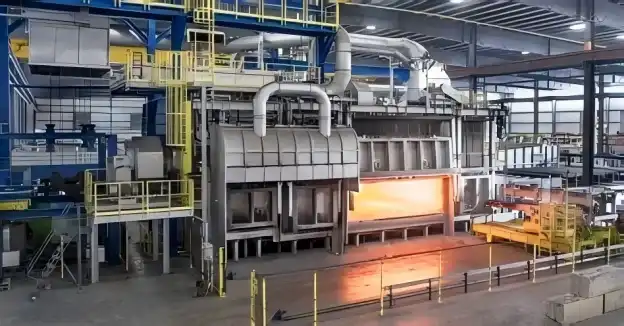
An Industrial Furnace hood serves as the frontline defense against hazardous emissions in metallurgical operations. Positioned directly above high-temperature furnaces, this specialized capture system extracts toxic fumes, particulates, and combustion gases before they disperse into the work environment. Unlike conventional ventilation systems, an Industrial Furnace Hood operates at extreme thermal loads—often exceeding 800°C—while maintaining capture efficiencies above 95%. This critical equipment protects worker health, ensures environmental compliance, and prevents costly production interruptions caused by inadequate fume control.
Key Design Standards and Ventilation Requirements for Industrial Furnace Hoods
When engineering teams look at hood specs, they have to deal with complicated compliance settings. When thermal engineering, workplace hygiene, and structural integrity come together, they create strict design requirements.
International Standards Governing Hood Construction
OSHA Standard 1910.252 sets minimum ventilation requirements for operations like cutting, welding, and brazing. These rules also apply to metallurgical furnaces. The standard requires certain capture velocities based on how poisonous the contaminants are and how fast they are being made. NFPA 86 talks about how to keep Industrial Furnace hood boilers safe from fire and explosions. It requires building materials and methods that can handle sudden changes in temperature without damaging the structure.
ISO 14123 gives safety advice for fixed guards and cages that are used with machines. This is useful when hoods serve as both physical barriers and guards. We go above and beyond these basic standards at Shaanxi Heyuan. We put our plans through a lot of tests to make sure they work. These include hydraulic pressure testing on all cooling circuits at 1.5× design pressure, non-destructive weld testing according to AWS D1.1 standards, and laser scanning technology for checking the accuracy of measurements.
Calculating Proper Airflow and Capture Velocity
To make the hood work, you need to be able to get your face moving fast enough to beat the thermal buoyancy of the hot gases. The gas calculation looks at the size of the furnace, the temperature of the emissions, and the characteristics of the production cycle. Electric arc furnaces that occasionally release high-intensity fumes need different rules than induction melting operations that happen all the time.
For each placement, our engineering team does computational fluid dynamics simulations. This simulation finds empty spaces where fumes could escape and figures out the best places to connect ducts so that the pressure drop is as small as possible. As a result, systems are made that keep their capture performance the same even when the furnace conditions change, without using big fans that waste energy.
Temperature Resistance and Material Selection
Specialized materials are needed for temperatures up to 800°C. Above 400°C, carbon steel loses its structural strength, and normal stainless types buckle under long-term thermal loads. We build our Industrial Furnace hoods with heat-resistant alloy liners in high-exposure areas and precision-engineered cooling systems that keep the wall temperatures within safe working ranges.
Water-cooled hood designs use a tubular membrane structure, like boiler walls, to move heat more efficiently while keeping the structure solid. Ceramic fiber insulation rated for constant 1,260°C exposure is used in air-cooled versions to protect the outer steel shell from heat damage. This multi-layered method guarantees year service life, even in the busiest steel mills that are open 24 hours a day, seven days a week.
Different Types of Industrial Furnace Hoods and How to Choose the Right One
The success of the original installation and long-term operating happiness depend on choosing the right hood configuration. When designs don't match, they lower the efficiency of capture and make upkeep more difficult.
Enclosure Hoods for Maximum Containment
Multiple enclosure hoods, which are also sometimes called canopy or capture hoods, surround the furnace on all sides, making a controlled space for extracting fumes. When used in an electric arc furnace, these designs work great because they can handle high temperatures and unpredictable emission patterns. The enclosed structure improves capture efficiency during important tasks like oxygen lancing and charging with scrap.
At Heyuanxin, our enclosure hoods have flexible high-temperature connections that let the furnace tilt while tapping is being done. The mechanical design allows movement between 30° and 45° without affecting the integrity of the seal. This keeps fumes from escaping during the production stages that produce the most emissions. This flexibility helps foundries that melt iron and aluminum, where the furnaces move around a lot.
Side-Draft and Downdraft Configurations
Side-draft hoods are good for situations where there isn't much room above or where crane access needs to stay clear. These systems create horizontal airflow patterns that pull pollution into collection tubes from the sides. Side-draft hoods are flexible in tight building plans, but they need higher volumetric flow rates than container designs.
Downdraft tables, which are mostly used in smaller businesses, pull fumes downward through cut work surfaces. This setup works well for induction melting units that can't hold more than 500 kg because it allows for limited capture without having to add a lot of ductwork. To find the best configuration, our engineering team looks at your facility's layout, the amount of production, and the infrastructure that is already there.
Specialized Designs for Ladle Transfer and Refining
Ladle processing processes have their own problems. The refractory-lined vessels are moved from one piece of steelmaking equipment to another on transfer cars, which means that fixed hood installations are not a good idea. We've made mobile hood systems that move with the ladle car and keep covering the transfer cycle during the catch phase. The estimated load capacity of these units is between 20 and 300 tons, and the speeds can be changed from 0.5 to 3 m/s. The track gauges can also be changed from 1435 to 2438 mm.
The ability to hold a lot of weight ensures that the position stays stable even during emergency stops. Both manual and automatic control modes give you options for how to run your business, and the small size keeps overhead cranes clear. The design is resistant to high temperatures and dust, which saves mechanical parts from the harsh climate of steelmaking and ensures they work reliably during ongoing production schedules.
These specialized mobile hoods work perfectly with fume extraction systems that are fixed in place. When the ladle gets to the processing station, flexible duct links instantly start working, sending the emissions to the main treatment plant. This unified method makes sure that fumes are continuously collected during the whole process of making steel, from the first melt to the final casting.

Maintenance Tips and Troubleshooting Common Problems
To keep working as designed, even the toughest Industrial Furnace hood needs regular maintenance. Schedules for proactive inspections keep small problems from getting worse and turning into expensive failures.
Establishing Effective Inspection Protocols
During planned breaks in production, we suggest visual inspections once a week. If you can see cracking on the hood panels, it means that the cooling isn't working right or the heat is getting too high. Check for cracks in flexible connections and expansion joints; thermal cycling wears down metal over time. Check for dust buildup on inside surfaces, which lowers airflow and raises the risk of a fire.
Water-cooled hoods should have their cooling circuit pressure checked once a month as part of their regular checkups. When the pressure goes below the design limits, it means that scale or sediment has built up and is blocking the flow. Our after-sales support team is available 24 hours a day, 7 days a week. They help with online diagnostics and look at working data to find problems before they cause shutdowns.
Addressing Common Operational Issues
Fume leaks around the edges of the hood are usually caused by sealing surfaces that aren't straight or by not enough negative pressure. Make sure that the exhaust fans maintain the volumetric flow rates that were set. If the belts slip or the motor breaks, the extraction capacity goes down. In multi-hood systems, check the settings of the dampers to make sure that the airflow is distributed evenly.
When condensation forms on the outside of the hood, it means that the surface temperature is below the dew point of the air. This happens when the temperature of the cooling water is too low or when the insulation layers have worn down. Change the modulation of the water flow to raise the wall temperatures while keeping the safe touch limits for people. To get back to normal thermal efficiency, replace any broken insulation parts right away.
When there are a lot of particles in the air, slag often builds up on the inside of the hood. Set up cleaning plans based on how much you produce. For example, high-volume businesses may need cleanings once a week, while batch processors can get away with cleanings once a month. Use the right abrasive tools that won't hurt the protective layers or the metal underneath.
Extending Service Life Through Preventive Maintenance
Replace parts that are wearing out before they break. When exposed to high temperatures all the time, flexible duct joints usually last between 12 and 18 months. During yearly shutdowns, seals and gaskets in the cooling circuit should be changed. Keep thorough records of all checks, fixes, and part replacements in maintenance logs. This information helps you figure out what maintenance will be needed in the future and makes the best use of your extra parts inventory.
Our service teams help with all aspects of launching and teach your maintenance staff the right way to do inspections and fix problems. We give you detailed maintenance manuals that are made just for your hood. These manuals include exploded-view diagrams and lists of recommended spare parts. This sharing of information makes sure that your team can handle simple problems on their own and know when to call factory help for more complicated ones.
Procurement and Supplier Considerations for Industrial Furnace Hoods
Your fume control investment will give you the returns you expect if you make smart decisions about what to buy. Total lifespan value must be taken into account when evaluating sellers, not just the original purchase price.
Assessing Manufacturer Capabilities and Track Record
Ask for proof of installs that have already been done that are similar to your program. Heyuanxin provides in-depth case studies from more than 400 sites in steel mills with electric arc furnaces, foundries for aluminum, and copper smelting plants. Our clients come from North America, Europe, Southeast Asia, and the Middle East. This shows that we can work in a variety of regulatory and operational environments.
Check certifications that go beyond the basics of ISO 9001 quality management. Check for ISO 14001 and 45001 certifications for environmental management systems and workplace health. These show that safety and environmental duties are handled in a planned way. Our business has provincial-level enterprise recognition and 3A-level credit enterprise status, which are signs of being financially stable and running an honest business.
Evaluating Technical Support and After-Sales Service
Suppliers who sell equipment are different from partners who help you succeed because they offer technical support. Check with providers during pre-sales engineering to see if they do site studies and offer unique designs instead of standard catalog items. When needed, our engineering team does 3D facility scanning to make sure that new structures and equipment will fit perfectly with the ones that are already there.
After-sales support should include help with setting up the machine, training for operators, and quick repairs. We have a skilled team of 400 people, including 11 top experts with decades of experience with metallurgical equipment. Because we have so much experience, you'll never have to wait days for answers when problems arise during production—our support team works around the clock to accommodate your plan.
Understanding Lead Times and Customization Options
Standard hood styles usually take 8 to 12 weeks to deliver from the time the order is confirmed. Large-scale systems or complex custom configurations may take 16 to 20 weeks, especially if they need special materials or have unique shapes. Plan your procurement plans carefully, especially if you need to work on projects to expand your building or planned shutdowns.
When your building has its own restrictions, being able to customize things is important. Our design team works with limited space, connects to existing ductwork, and changes geometries to fit different types of furnaces. We offer full design, manufacturing, installation, and commissioning services, so you don't have to worry about coordinating with multiple contractors. This "turnkey" method lowers the risk of the project and makes sure that everyone is responsible; you only need to talk to one person to get your fume control system set up.
Conclusion
An Industrial Furnace hood is more than just equipment for following the rules. This well-designed system keeps your workers safe, extends the life of your equipment, lowers energy use, and ensures that production keeps going. Investing in properly planned fume extraction pays off in a way that can be measured: lower insurance costs, lower upkeep costs, and better operating efficiency.
To choose the right hood design, you have to find a balance between thermal performance, capture efficiency, and the limitations of your building. Working with manufacturers who have a lot of experience will make sure that your system works reliably in the harsh conditions that are common in metallurgical operations. We've been designing these important systems for more than 15 years and have learned that to be successful, we need to understand both the technical details and the everyday operating problems our customers face.
FAQ
1. What is the typical lifespan of an Industrial Furnace Hood in continuous steel mill operations?
Heavy-duty water-cooled Industrial Furnace hoods usually last 5 to 10 years of reliable service in steel mills that are open 24 hours a day, seven days a week. Due to thermal wear, sheet metal designs that are cooled by air may need to have parts replaced or patched every one to three years in high-stress areas. The actual lifespan depends on the temperatures used, the amount of work that is done, the quality of maintenance, and the alloys that were used to build it. Heyuanxin promises that our basic configurations will last for 5 years if they are used within certain limits and kept according to our suggested schedules.
2. Can an Industrial Furnace Hood be retrofitted to existing furnaces with limited overhead clearance?
Of course. We are experts at making low-profile and side-draft designs that are perfect for retrofitting situations where there isn't much room above because of existing cranes or building structures. Our engineering team does thorough 3D scanning of the facility to find out where the clearance limits are and then creates custom hood shapes that make capture more efficient without having to change the structure. We've successfully modified hoods in places where standard designs were thought to be impossible. To get compliance-level performance, we used high-velocity capture zones and smart duct routing.
3. How do you prevent cooling efficiency degradation in water-cooled Industrial Furnace Hoods over time?
Mineral scale growth, which makes heat transfer inefficient, is the main reason why cooling circuit performance goes down. To keep scale from forming, we suggest closed-loop cooling systems that use treated water. Heat transfer coefficients are restored by descaling procedures that are usually done once a year during planned shutdowns. Our designs include inspection ports and cleaning connections that are easy to get to so that maintenance can be done without taking the whole thing apart. Water quality tracking and filter systems make it possible to clean the hood less often, so it will keep working at the same temperature for a longer time. [6]
Partner with Shaanxi Heyuan for Superior Fume Control Solutions
Shaanxi Heyuan New Metallurgical Electric Furnace Equipment Co., Ltd. can help you with even the most difficult emission control problems. Our Industrial Furnace hood systems provide high-level performance for businesses, along with full engineering support and quick after-sales service after the sale. Our team offers custom solutions that fit your exact operational needs, whether you're upgrading old equipment or planning brand-new buildings.
Metallurgical plants, steel mills, foundries, and industry workers are all welcome to try the Heyuanxin advantage. Our all-in-one services cover every step, from the initial planning consultation to ongoing technical help. As a reliable maker of Industrial Furnace hoods, we blend cutting-edge engineering skills with hands-on knowledge in a wide range of settings and uses.
Get in touch with our tech team right away at sxhyyj606@163.com to talk about your fume control problems.
References
1. U.S. Environmental Protection Agency. (2020). National Emission Standards for Hazardous Air Pollutants: Steel Pickling-HCl Process Facilities and Hydrochloric Acid Regeneration Plants. Federal Register, 85(191). Retrieved from https://www.epa.gov/stationary-sources-air-pollution/steel-manufacturing-national-emission-standards-hazardous-air
2. American Conference of Governmental Industrial Hygienists. (2019). Industrial Ventilation: A Manual of Recommended Practice for Design (30th ed.). ACGIH. Retrieved from https://www.acgih.org/industrial-ventilation-a-manual-of-recommended-practice-for-design-30th-edition/
3. National Fire Protection Association. (2019). NFPA 86: Standard for Ovens and Furnaces. NFPA Standards. Retrieved from https://www.nfpa.org/codes-and-standards/all-codes-and-standards/list-of-codes-and-standards/detail?code=86
4. Occupational Safety and Health Administration. (2021). Ventilation requirements for welding, cutting, and allied processes (1910.252). OSHA Standards. Retrieved from https://www.osha.gov/laws-regs/regulations/standardnumber/1910/1910.252
5. International Organization for Standardization. (2018). ISO 14123-1:2015 Safety of machinery — Reducing risks to health from hazardous substances emitted by machinery. ISO Standards Catalogue. Retrieved from https://www.iso.org/standard/51675.html
6. American Welding Society. (2020). AWS D1.1/D1.1M:2020 Structural Welding Code—Steel. AWS Standards. Retrieved from https://www.aws.org/standards/page/d1-1-structural-welding-code-steel


YOU MAY LIKE