
How to Optimize a Furnace Dust Removal Chamber for Your System?
October 9, 2026
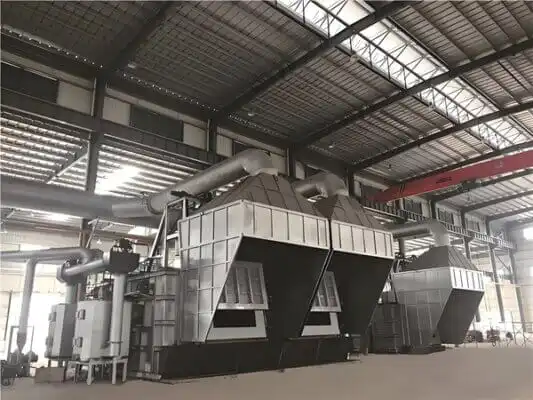
Optimizing your system begins with selecting the right filtration approach that matches your operational demands. A well-engineered Furnace Dust removal chamber captures particulates at the source—right where combustion and smelting processes generate the highest dust concentrations. By integrating a chamber directly into or near your electric arc furnace, intermediate frequency furnace, or boiler, you prevent dust diffusion throughout your facility. This proactive approach reduces the burden on downstream equipment, extends filter life, and maintains compliance with environmental standards. Achieving over 80% initial dust capture efficiency while operating at temperatures up to 1200°C demands careful attention to design, material selection, maintenance protocols, and system integration. Proper optimization translates into lower operating costs, improved air quality, and uninterrupted production cycles.
Analyzing Key Optimization Bottlenecks and Design Principles
Before making changes, you need to know where your system isn't working as well as it could. By measuring how well dust is removed, how fast air flows, and how much energy is used, you can get basic data that shows you where problems are hiding. A lot of facilities use Furnace Dust removal chambers that were either not the right size when they were first built or have bad airflow distribution that leaves dead spots and uneven filter loads.
Assessing Current System Metrics
Put in differential pressure gauges to keep an eye on the condition of the filter all the time. Keep an eye on the amount of dust coming in and going out to figure out how well the capture is really working. Keep track of how much energy you use to find spikes that happen when there is repair or when output changes. With this data-driven method, you can find specific bottlenecks instead of using general answers that might not work for your problems.
Identifying Design Constraints and Airflow Issues
When the chamber volume isn't big enough, gases move through the filters too quickly, which shortens the contact time and capture efficiency. When ductwork turns sharply or changes diameter quickly, it creates turbulence that settles particles too early or skips filter zones completely. When gases aren't spread out evenly across filter banks, some filters get too full while others don't get used enough. By looking at the layout of your system, you can see these limitations and make changes that improve speed without having to update the whole thing.
Real-World Case Studies from Heavy Industries
After adding an optimized chamber with better gas flow and high-temperature-resistant refractory lining, a steel mill in the Midwest cut its upkeep costs by 35%. By using pulse-jet cleaning and upgrading to PTFE membrane filters, a ferroalloy manufacturer made the filters last 18 to 36 months longer. These examples show how making strategic changes can give you a clear return on your investment while keeping production going.
Practical Engineering Principles for Overcoming Bottlenecks
Making your chamber the right size for the amount of dust you'll be using keeps it from getting too full and keeps gas speeds at their best. Putting in flow straighteners and distribution plates makes sure that the filter is loaded evenly and gets the most out of the media. Using more modern filter materials, like high-temperature glass fiber or PTFE-coated fabrics, makes the system last longer and collect more. Adding automated cleaning systems cuts down on the amount of work that needs to be done by hand and keeps performance consistent across production cycles.
Proven Techniques to Optimize Furnace Dust Removal Chamber Efficiency
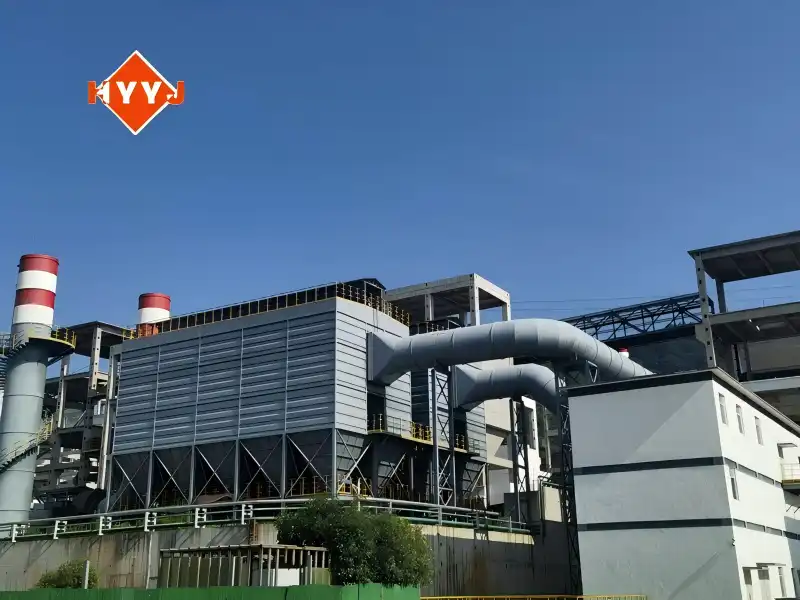
Maintenance schedules that are followed and smart use of technology are key to long-term success. Small problems can become expensive failures if you don't do regular inspections. Proactive monitoring, on the other hand, lets you fix problems before they affect production.
Routine Maintenance Best Practices
Check filters once a month for damage, dark spots, or signs of wear. To avoid sudden shutdowns, replace worn parts before they break totally. Check the levels of the hoppers often and empty them out to keep them from overflowing and reintroducing the dust that has been collected. To make sure cleaning processes are consistent, clean the pulse-jet nozzles and check the diaphragm valves. Keep detailed service logs that keep track of filter life, changes in pressure, and maintenance tasks so that you can find patterns and figure out the best times to replace filters.
Spare Part Management and Inventory Control
Keep important parts like new filter bags, gaskets, and pulse valves on hand to cut down on downtime during fixes. Get parts from trustworthy sellers who offer certified materials that meet standards for high temperatures and resistance to corrosion. Building links with makers that can quickly send out wear-and-tear parts guarantees quick help when needed most.
Evaluating Advanced Filtration Technologies
Modern baghouse systems are better at capturing gases and are more flexible in how they are used than older chambers. When cleaning, membrane filters coated with PTFE let out more dust, which keeps the differential pressure low and lowers the amount of energy used. Electrostatic precipitators can handle high temperatures and gases that are bad for the environment, but they need more complicated electrical systems and repair know-how. Making smart investment decisions means comparing these technologies to your specific operational needs.
Automation and Real-Time Monitoring Integration
Predictive maintenance strategies can be used by installing sensors that measure differential pressure, temperature, and emission opacity all the time. Instead of using set timers, automated cleaning systems change the pulse frequency based on the state of the filter. This makes the most of the filter's life and energy use. Remote tracking tools let workers know right away if something isn't normal. This keeps small problems from getting worse and stopping production. These smart technologies lower the cost of work while making systems more reliable and protecting the environment.
Environmental and Safety Compliance Optimization
Tougher rules on emissions call for better capture rates and lower concentrations at the exit. By improving your Furnace Dust removal chamber to reach 99.9% efficiency, you can make sure you're following EPA rules and avoid fines. Better dust control also makes your workers safer by lowering the amount of airborne particles in your building. Energy-efficient designs lower running costs and help companies reach their green goals, which is more valuable than just following the rules [1].
Comparing Different Furnace Dust Removal Solutions to Match Your System Needs
To choose the best solution, you need to carefully consider your operational needs, your budget, and your long-term maintenance needs. One design doesn't work for all uses; the best way to get the most out of your investment is to match the technology to the type of burner you have and the products you need to make.
Chambers Versus Cyclone Separators
Centrifugal force makes cyclone filters great at getting rid of large particles, but they're not so good at getting rid of small dust below 10 microns. They don't need filter media and can handle high temperatures, which makes them perfect as pre-cleaners that make baghouses further downstream less busy. Fabric filters in chambers are better at catching smaller particles, but they need to have their media replaced often, and the temperature carefully managed. Using both technologies together in staged systems captures the largest range of particles while reducing the amount of maintenance that needs to be done.
Electric Versus Gas Furnace Chambers
During tapping and charging operations, electric arc furnaces send out fast waves of high-temperature dust, which means that tanks need to be able to respond quickly and have strong refractory protection. Gas burners make steady amounts of dust at lower temperatures, which lets designers use simpler models and common filter materials. By being aware of these operational differences, you can make sure that the specifications for your chamber are based on real conditions instead of general industry standards.
Sizing and Capacity Matching
Undersized chambers work at speeds higher than intended, which lowers the efficiency of capture and speeds up filter wear. Systems that are too big lose money and energy and don't improve efficiency. Figure out how big the chamber needs to be based on the actual gas flow rates, the amount of dust, and the number of cleaning cycles you want. Our chambers have useful volumes that range from 0.5m³ to 50 m³, so they can be used with everything from small induction furnaces to large-scale electric arc operations. Custom tech makes sure that the volume matches perfectly without spending too much.[2]
Lifecycle Cost Analysis
The initial buying price is only a small part of the total cost of owning. Compare options by looking at how often filters need to be replaced, how much energy they use, how much upkeep work they need, and how much downtime costs. It may cost more up front for a chamber with better materials and automated features, but it will save you money in the long run because the parts will last longer and you won't have to do as much maintenance. Full cost modeling helps people make sure they're making smart purchasing choices that balance limited capital with high operating efficiency.
Procurement Insights: How to Source and Implement the Best Furnace Dust Removal Chamber
A successful procurement process includes more than just technical requirements. It also includes the dependability of the provider, expert support, and the continuity of service over the long term. If you pick the wrong partner, you might be stuck with less-than-ideal performance and few ways to improve.
Criteria for Selecting Trusted Manufacturers
Look for suppliers who have a lot of experience in the same industry as you. Manufacturers with multiple patents are constantly coming up with new ideas and are technical leaders. Having ISO quality management, environmental management systems, and workplace health credentials shows that you are dedicated to doing a great job. Companies with more than 400 successful installations around the world bring proven expertise that lowers the risks of implementation and speeds up the time it takes to start using the system.
Custom Solutions and Engineering Support
Generic off-the-shelf systems don't usually work with different furnace configurations and production needs. Manufacturers that give on-site studies, custom structural design, and custom construction plans make sure that the product fits and works perfectly. Metallurgical engineers know how to deal with the problems caused by EAF dust, ladle furnace fumes, and smelting emissions. They can come up with solutions that work in your real-world operations, not just in theory.
Installation Best Practices and Warranty Assurances
Professional installation by factory-trained technicians makes sure that systems work as planned from the start. Before handing over, thorough approval procedures check how the airflow is distributed, how the cleaning system works, and how well the emissions are controlled. When manufacturers guarantee the service life of key parts for three years, it shows that they are confident in their design and materials. Commissioning times that are short, usually 15 to 45 days, keep production running smoothly and speed up the return on investment.
Transparent Cost Structures and Negotiation Strategies
Ask for detailed quotes that break down the costs of the equipment, installation, commissioning, and replacement parts. Compare costs over the course of a product's life, not just the original price. Buying filter media and replacement parts in bulk lowers unit costs and makes sure that supplies don't run out. By forming long-term partnerships with manufacturers, you may be able to get better prices, faster expert help, and early access to next-generation technologies. When budget limits and performance standards are made clear, providers can come up with the best solutions that balance cost and capability.
After-Sales Support and Technical Servicing
Ongoing technical support is what sets exceptional suppliers apart from average ones. Manufacturers with regional service teams can quickly fix problems, which lowers the cost of downtime. When high-temperature wearing parts are delivered on time, long downtimes caused by waiting for custom parts are avoided. Having access to application engineers who know how your production processes work lets you keep improving and fixing problems with the system as long as it's in use[3].
Procurement Advantages from a Leading Furnace Dust Removal Chamber Manufacturer
Shaanxi Heyuan offers complete cleaning systems for dust that are designed to work well in tough metalworking situations. Our chambers work perfectly with electric arc furnaces, ladle furnaces, intermediate frequency furnaces, and industrial boilers. They collect the dust at its source more than 80% of the time. Our systems work consistently at temperatures up to 1200°C because they use high-temperature refractory materials and cutting-edge sealing technologies that keep leakage rates below 0.3%.
Our engineering team, which is made up of 11 top experts and nearly 400 technical pros, helps with everything from the initial site inspection to the final commissioning. Custom structure designs are made to fit your furnace model and mouth size, making sure that the capture process works well and that everything fits together well. We keep a lot of high-temperature wearing parts in stock, so we can change them quickly and keep production running as smoothly as possible.
We can help you with your dust control problems because we've done over 400 successful installations around the world and have multiple utility model patents protecting our inventions. Our ISO-certified quality management systems, environmental management credentials, and occupational health certifications show that we are dedicated to doing a great job and following the rules. Get in touch with our team at sxhyyj606@163.com to talk about your needs with a Furnace Dust removal chamber source who knows your production setting and can improve performance in a way that you can measure[4].
Conclusion
Improving the performance of your dust collection system means systematically checking how it's working now, finding specific problems, and putting tried-and-true answers into action in a planned way. Furnace Dust removal chambers that are good at capturing dust, have strong seals, and can clean themselves automatically improve air quality, machine efficiency, and compliance with regulations right away. By making sure that the design of the chamber fits your furnace type, production volume, and dust characteristics, you can get the most out of it without spending too much money. Working with skilled makers who offer unique planning, professional installation, and quick after-sales support speeds up commissioning and increases the long-term return on investment. Upgrading to more advanced filter technologies can help your plant maintain operating excellence and gain a competitive edge in tough metallurgical markets as emission standards get stricter and production demands rise.
FAQ
1. How often should I replace filter media in my system?
How often they need to be replaced depends on the type of dust, the operating temperature, and how well they clean. Instead of sticking to set schedules, keep an eye on changes in differential pressure. When pressure keeps going up even after cleaning processes, or when damage or blindness can be seen, the filter needs to be replaced. If you keep your equipment in good shape, high-quality PTFE or fiberglass bags should last between 24 and 48 months under average metallurgical conditions[5].
2. What indicators signal that my chamber needs upgrading?
Keep an eye out for consistently high differential pressure, falling capture efficiency (shown by higher outlet dust concentrations), frequent filter failures, and higher energy use. If you can see dust escape around seals or through bypass dampers, it means there are problems with the structure. If your production capacity has grown a lot since the chamber was first set up, it may not be big enough to handle the current loads. Citations from regulators or complaints from workers about the quality of the air are also signs of performance problems that need to be fixed right away.
3. Can system optimization reduce my energy costs?
Of course. Optimized airflow distribution lowers the amount of power needed by the fan while keeping the efficiency of capture the same. Pressure drop across filters is kept to a minimum by automated cleaning systems. This makes it easier for gases to move through the system. Low background resistance is maintained by high-efficiency filter media. Facilities that use full optimization programs usually cut the amount of energy used for dust collection by 15 to 30 percent. At the same time, they improve the performance of the capture system and lower the cost of maintenance.
Ready to optimize your dust removal system with proven engineering expertise?
Contact our technical team directly at sxhyyj606@163.com for a Furnace Dust removal chamber assessment of your facility's specific requirements. Our specialists will conduct a comprehensive site evaluation and propose tailored solutions that deliver measurable improvements in capture efficiency, energy consumption, and operational reliability.
References
1. U.S. Environmental Protection Agency. (2021). "National Emission Standards for Hazardous Air Pollutants: Steel Pickling-HCl Process Facilities and Hydrochloric Acid Regeneration Plants." Federal Register. https://www.epa.gov/stationary-sources-air-pollution/electric-arc-furnace-eaf-standards
2. Industrial Ventilation: A Manual of Recommended Practice for Design. (2019). American Conference of Governmental Industrial Hygienists (ACGIH), 30th Edition. https://www.acgih.org/
3. Seville, J.P.K., & Clift, R. (2020). "Gas Cleaning in Demanding Applications." Springer Series in Chemical Engineering. https://link.springer.com/book/10.1007/978-94-011-1336-5
4. ISO 9001:2015 Quality Management Systems. (2015). International Organization for Standardization. https://www.iso.org/iso-9001-quality-management.html
5. Iacovidou, E., et al. (2018). "Technical properties of biomass and solid recovered fuel (SRF) co-fired with coal: Impact of ash chemical composition and efficiency." Fuel Processing Technology, Volume 174, pp. 48-59. https://www.sciencedirect.com/science/article/abs/pii/S0378382017314236
6. Theodore, L., & Buonicore, A.J. (2019). "Air Pollution Control Equipment Calculations." John Wiley & Sons. https://www.wiley.com/en-us/Air+Pollution+Control+Equipment+Calculations-p-9780470209677


YOU MAY LIKE