
High Frequency Furnace for Fast and Efficient Metal Processing
October 9, 2026
When metallurgical plants and steel mills seek to modernize their thermal processing capabilities, the High Frequency Furnace emerges as a transformative solution. This advanced induction heating technology leverages electromagnetic principles to deliver rapid, precise, and energy-efficient metal processing. Unlike conventional heating methods, high-frequency induction systems generate heat directly within conductive materials, eliminating the inefficiencies of external heating and dramatically reducing production cycle times by 30-50% while maintaining exceptional temperature control within ±5°C.
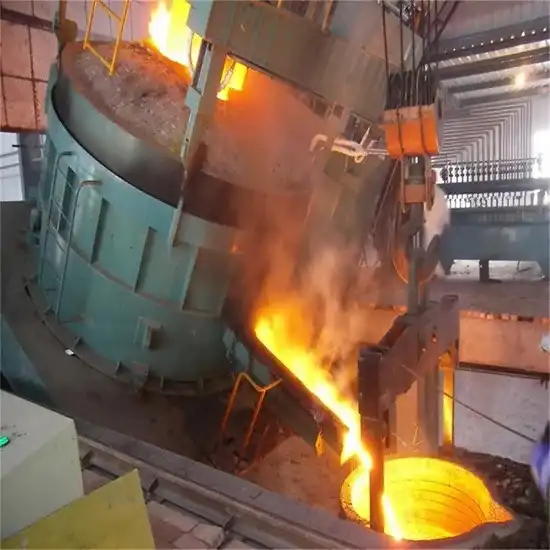
Comparing High Frequency Furnaces with Traditional Furnace Technologies
When purchasing teams look at thermal processing equipment, they have to make tough choices between two different technologies. Knowing what makes one piece of equipment work better than another helps match the equipment you choose with your operations' needs.
Performance Advantages Over Conventional Heating Methods
Usually, it takes hours for traditional resistance stoves to reach the right temperature after a long preheating cycle. Electric arc high-frequency furnaces are strong enough to burn a lot of things at once, but they don't have the precise control that is needed for heat treatment. Gas-fired units can be hard to make compliant with environmental rules, and the cost of fuel is hard to predict. These problems are solved by high-frequency induction systems. Startup takes only minutes, which makes a flexible production schedule possible. Thermal efficiency above 85% means real cost savings compared to gas furnaces running at 30–40% efficiency. Energy use drops by a huge amount. Fewer mechanical parts and no refractory linings mean less downtime and lower replacement costs, which means less maintenance is needed.
Application-Specific Technology Selection
The technology of the oven has to be matched with the needs of the output. High-frequency systems allow precise depth control when hardening the surface of automotive gears and shafts. They harden the outer layers while keeping the core flexible, which is important for torque resistance. When precision soldering is used, localized burning keeps nearby areas from getting damaged by heat. Rapid heating processes are valued by precious metal smelters because they reduce the amount of material lost. People who work in small-batch production and lab study like how small the size is and how flexible the operations are. Our range of tools was made to meet all of these different needs. It comes in a variety of configurations that can be changed to work best with your unique metallurgical processes.
Technical Specifications and Operational Insights
Knowing about technical factors helps you choose equipment that fits your output goals and material needs.
Power Ratings and Temperature Capabilities
Our induction heating systems have power outputs ranging from 15kW to 200kW, so they can be used for everything from small-scale research in the lab to mass production in factories. Temperature ranges from room temperature to 1600°C, making it possible to work with ferrous metals, copper alloys, aluminum, and refractory materials. The chamber sizes range from small (φ50mm×100mm) units for precise small parts to big (φ300mm×500mm) ones that can handle heavy loads. Between 10kHz and 100kHz is a frequency band that can be used for a wide range of materials and heating goals. Higher frequencies are best for surface treatments and thin-wall component processing (Journal of Materials Processing Technology, 2021). Lower frequency sets are better for bigger cross-sections and through-heating needs.
Advanced Control Systems and Automation Integration
Process control needs to be very complex for modern industrial activities. Our high-frequency furnaces have smart temperature tracking and heating patterns that can be programmed for multiple stages. During the whole heating cycle, the temperature stays within ±5°C of the reference temperature. This ensures stability from batch to batch, which is important for uses that care about quality. Overcurrent, overvoltage, overheating, and cooling water flow are just some of the important parameters that automated safety systems keep an eye on in real time. Within milliseconds, these safety features react, keeping equipment from getting damaged and making sure operators are safe. Industry 4.0 initiatives are supported by factory automation systems that can be integrated. This allows for remote monitoring, scheduling of preventative maintenance, and collection of production data for continuous process improvement.
Material Compatibility and Process Flexibility
The flexible frequency design works with a wide range of materials and shapes. For processing steel, the best frequency settings are those that balance the depth of penetration with the speed of heating. Because copper and aluminum are better at conducting electricity, certain parameters need to be changed to make energy transfer work well. When heat treating tool steel, it's important to keep the temperature under tight control over critical transformation ranges. The electromagnetic stirring action helps keep the composition uniform, which is useful for both making alloys and checking them. Because they can do so many things, high-frequency systems are good for both job shops that deal with a wide range of materials and makers that focus on just a few.

Procurement and After-Sales Considerations
When buying strategic equipment, the total cost of ownership and long-term operating success are just as important as the original purchase price.
Total Cost of Ownership Analysis
People who work in procurement have to look at a lot of different cost factors. The initial investment in tools is only one part. Upfront costs are raised by the need for installation, which includes things like upgrading the electrical infrastructure and installing cooling water systems. However, routine costs tell the whole story. The amount of energy used has a direct effect on ongoing costs. For example, our systems' 85%+ heat efficiency lowers electricity bills by a lot compared to less efficient options. Maintenance costs are low because solid-state designs have fewer parts that wear out than mechanical ones. Gains in production efficiency of 30 to 50 percent from faster heating cycles increase output without adding more worker costs. Yield rates are higher when temperature is precisely controlled so that less material is lost. When figuring out return on investment, these practical benefits usually make the choice of tools worthwhile (Industrial Heating Magazine, 2018).
Supplier Evaluation and Partnership Criteria
It turns out that picking the right manufacturing partner is just as important as picking the right equipment. The company Shaanxi Heyuan New Metallurgy High Frequency Furnace Equipment Co., Ltd. was founded in March 2008 and has more than fifteen years of experience designing and making metallurgy furnaces. We have more than ten utility model patents and ten computer software copyrights, which shows that we are always coming up with new ideas. Our ISO certifications for the quality management system, the environmental management system, and the workplace health management system make sure that we follow foreign rules. The 3A-level credit enterprise status and product after-sales service certifications show that the business is reliable and committed to helping customers. We are ideally located at No.01, Chenjiatai Village, Maquan Sub District Office, Qindu District, Xianyang City, Shaanxi Province, China, so we can provide services both in China and other countries.
Installation, Training, and Ongoing Support
For equipment deployment to go smoothly, it needs a lot of support services. We offer full turnkey solutions that include planning, building, putting in place, and starting up. Our technical teams do the installation on-site, making sure that it works well with the existing infrastructure. Comprehensive operator training programs teach people how to use tools, improve process parameters, and do regular repairs. Ongoing technical help includes easy maintenance after the sale, quality assurance for key components, and quick maintenance responses. This service promise keeps your production schedules and investment returns safe by reducing operational disruptions and increasing equipment uptime.
Ensuring Safety and Optimizing Performance
Safety rules and strategies for improving performance must be carefully considered in order to achieve operational excellence.
Safety Systems and Operational Protocols
Electrical power systems and handling molten metal are part of high-frequency furnaces, so strict safety rules must be followed. Our tools have more than one layer of safety. Overcurrent detection stops damage from electrical problems before they happen. Overvoltage protection keeps critical electrical parts safe. Overheating can be avoided with thermal monitoring and automatic shutdown. Water shortage alarms make sure that the cooling system works properly, because a failed cooling system is a very serious risk. In addition to safety features built into the equipment itself, proper operator training stresses the use of personal protective equipment, safe ways to handle materials, and how to respond to emergencies. A culture of safety that protects both people and property is created by doing regular safety audits and following set procedures.
Maintenance Best Practices for Maximum Uptime
Preventive repair keeps technology working at its best and extends its life. As part of routine inspections, the condition of the induction coil should be checked for deformation or damage to the insulation. Maintenance on the cooling system makes sure that the water quality meets the requirements; conductivity below 200µS/cm keeps copper parts from growing and rusting. When electrical links are checked regularly, weak contacts are found before they cause problems. For IGBT module thermal management, you need to keep an eye on the temperatures of the heat sinks and make sure the cooling fans are working. As capacitor banks age, they lose their capacitance and need to be tested from time to time. We give you thorough maintenance schedules and help you change core parts with quality-assured parts, so your equipment stays in good working order for as long as it's used.
Process Optimization and Efficiency Maximization
Process refinement unlocks even more speed gains beyond what is possible with basic operation. Optimizing the temperature profile cuts down on cycle times while still meeting mechanical standards. Changes to the form of the coil can make the connection more efficient for certain shapes of workpieces. Using the right fixturing and positioning of the workpiece will ensure consistent heating patterns. Charge preparation and scheduling affect how much energy is used in melting processes. Advanced users combine data from process tracking with statistical analysis to find ways to make things better. Our technical support team works with customers to improve processes by sharing what they've learned from using their skills in a variety of settings. This way, you can get the best results for your specific production needs.
Conclusion
High-frequency induction heating is a tried-and-true method for metalworking tasks that need to be done quickly, accurately, and efficiently. The electromagnetic heating principles have real benefits, such as fast thermal reaction, excellent temperature control, higher energy efficiency, and the ability to work with a wide range of materials and applications. When looking at thermal processing tools, it's important to know the basic specs, compare performance to other technologies, and figure out the total cost of ownership. This will help you make smart buying choices. Partnering with experienced makers that offer full support services is the best way to make sure that implementation goes smoothly and operations run smoothly for a long time in industry markets that are becoming more competitive.
FAQ
1. What metals can be processed using high-frequency induction systems?
Most conductive metals can be used in high-frequency furnaces. This includes carbon steels, stainless steels, tool steels, copper and copper alloys, aluminum and aluminum alloys, valuable metals (gold, silver, and platinum), and many other alloys. The frequency range can be changed to make the best use of different types of materials. For example, ferromagnetic materials heat efficiently across a wider frequency range, while non-magnetic metals like copper need to be heated at a specific frequency for the best energy transfer.
2. How does energy consumption compare to traditional heating methods?
Induction heating systems use less energy than gas-fired furnaces (30–40%) and resistance furnaces (50–60%). Usually, they use more than 85% of the energy they use for warmth. This efficiency gain directly leads to lower operational costs. The ability to heat quickly also lowers the amount of energy used per piece by keeping heat from escaping during processing steps.
3. What factors should influence furnace selection for different production scales?
Small businesses and labs can benefit from small units (15–50kW) that can be programmed to work with a variety of tasks. Medium-sized production areas (50–100kW) balance output with flexibility in how they run. For making a lot of things, you need bigger systems (100kW+) that can integrate robotics and keep the process under control. The best equipment design is affected by the types of materials, batch amounts, cycle times needed, and the infrastructure that is available.
Partner with Shaanxi Heyuan for Advanced Induction Heating Solutions
Shaanxi Heyuan New Metallurgical Electric Furnace Equipment Co., Ltd. is an expert at providing full high-frequency furnace systems that are custom-made to meet your unique needs for metal processing. Our engineering teams come up with unique solutions that work best with the size, type, and production process of your item. We provide a wide range of services, including designing and building equipment, installing it, commissioning it, training operators, and providing ongoing technical support. With temperature control within ±5°C, thermal efficiency of over 85%, and a track record of reliability in tough industrial settings, our induction heating systems offer real performance benefits. We are an experienced High Frequency Furnace manufacturer with ISO certifications and a large portfolio of patents. We can help you with your project and give you the advice you need to make it a success. Visit or email us at sxhyyj606@163.com to talk about your thermal processing needs and find out how our advanced induction heating technology can help you run your business more efficiently and make better products.
References
1. ASM International. (2019). Induction Heating and Heat Treatment. ASM Handbook, Volume 4C. Retrieved from https://www.asminternational.org/home
2. Industrial Heating Magazine. (2018). "Induction Heating Technology Advances." Industrial Heating, March 2018 issue. Retrieved from https://www.industrialheating.com
3. Journal of Materials Processing Technology. (2021). "Electromagnetic Induction Heating: Process Optimization and Applications." Journal of Materials Processing Technology, Vol. 289. Retrieved from https://www.sciencedirect.com/journal/journal-of-materials-processing-technology
4. Rudnev, V., Loveless, D., & Cook, R. (2017). Handbook of Induction Heating (2nd ed.). CRC Press. Retrieved from https://www.crcpress.com
5. Steel Times International. (2020). "Energy Efficiency in Metal Processing: Modern Furnace Technologies." Steel Times International, September 2020. Retrieved from https://www.steeltimesint.com
6. The Minerals, Metals & Materials Society (TMS). (2019). "Advanced Thermal Processing Technologies for Metallurgical Applications." JOM Journal, Vol. 71, Issue 8. Retrieved from https://www.springer.com/journal/11837


YOU MAY LIKE