
What Causes Common Electric Furnace Contactor Failures?
October 10, 2026
Electric furnace contactors are the workhorses of industrial heating circuits. They handle the heavy switching of power to furnace bodies, transformers, and cooling fans across metallurgical plants and steel mills every single day. When a contactor fails, it can halt an entire production line within seconds. Based on field data and engineering experience, the most common causes include electrical overload, contact erosion from arcing, improper installation, coil voltage instability, and environmental contamination. Understanding these failure modes helps procurement managers and plant engineers make smarter decisions before a breakdown occurs.
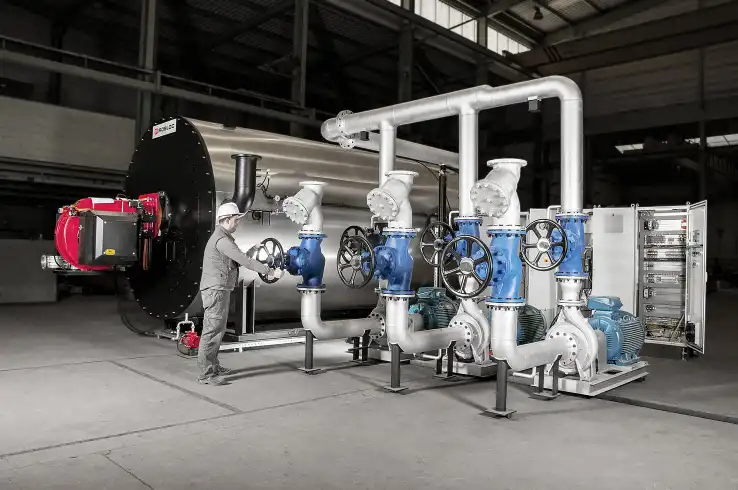
Understanding Electric Furnace Contactors and Their Failure Modes
What These Devices Actually Do
A furnace contactor is a switch that connects a control signal with low voltage to a power line with high voltage. In industrial burner systems, the contactor controls the processes of starting up, running continuously, and turning off the heating elements and other equipment. Heyuanxin's electric furnace contactors can work with AC 380V, 660V, and 1140V circuits and have rated currents from 100 A to 1000 A. They can be used in a wide range of metallurgical applications, from submerged arc furnaces to ladle refining units.
Heavy-Duty vs. Standard Contactors
Standard contactors work well for light-cycle tasks, but heavy-duty switching parts are needed in industrial settings. Heavy-duty contactors have arc chambers that are closed off, silver-tungsten contacts, and Class F coil insulation that can handle temperatures up to 155°C. The service life is directly affected by these design choices. Heyuanxin's contactor line has silver-tungsten contacts that can break at 50 kA. This limit stops contact welding when there is a lot of inrush current, which often happens in electric arc furnace work.
Early Warning Signs of Failure
Failure symptoms are often seen by operators before the whole thing breaks down. Keep an eye out for these signs:
- Loud humming or buzzing from the contactor housing during normal operation
- Intermittent furnace startup, where the heating circuit drops out unexpectedly
- Visible blackening or pitting on contact surfaces during routine inspection
- Coil overheating that is detectable by touch or infrared measurement
If you notice these signs right away, your repair team can change the part before it damages the whole circuit or shuts down production.
Root Causes of Electric Furnace Contactor Failures
Electrical Overload and Coil Voltage Instability
Uneven voltage is one of the worst things that can happen to a heater contactor in electric furnace contactors. When the supply voltage falls below the rated coil voltage, the contactor may "chatter," which means it opens and closes quickly. Each cycle creates a micro-arc. Over time, this speeds up the breakdown of coil insulation and contact erosion. A study in 2019's IEEE Transactions on Industry Applications proved that contactors that work at less than 85% of their maximum coil voltage have a 40% shorter electrical life expectancy.
Contact Erosion from Arcing
At the moment of stoppage, every switching action makes an electrical arc between the contacts. This arc is normal, but every cycle it wears away the contact surface and adds carbon to it. Contact degradation speeds up in high-frequency switching situations, like controlling the temperature in processing furnaces. Blackened or pitted contacts aren't just an eyesore; they make the contact less resistant, create heat in one area, and eventually cause contact welding. The right way to fix damaged contacts is to replace them instead of cutting them down.
Improper Installation and Wiring Errors
When terminal connections aren't tight, resistance spikes form. These spots get too hot over time, which damages the insulator. If you use the wrong pole setup, like a 1-pole contactor when a 2-pole break is needed, one power leg stays connected at the load even when the contactor is open. This can be dangerous for both people and the equipment. A big part of early failures is caused by wiring mistakes that don't follow the manufacturer's instructions. Heyuanxin includes a detailed inspection report and installation manual with every contactor it ships. This helps to cut down on mistakes made during commissioning on-site.
Environmental Contamination and Moisture Ingress
Metallurgical companies release a lot of dust, metal particles, and steam into the air. These particles get stuck inside the housings of contactors, blocking the connection between the magnetic yoke and armature and weakening the electrical insulation. The most common reason a contactor makes a buzzing sound is that dust gets stuck between the magnet yoke and the armature. Adding moisture to contact surfaces speeds up oxidation, which raises resistance and makes switching less reliable. Heyuanxin's contactor design works in temperatures ranging from -20°C to 60°C and has dust-proof housing structures that are suitable for open-furnace industrial settings.
Troubleshooting and Preventive Maintenance Tips
Systematic Fault Isolation Workflow
If you see signs that a heater contactor isn't working right, do these things in the right order. First, compare the incoming voltage at the coil terminals to the value on the nameplate. Second, use a voltmeter to check the coil's resistance to see if it is open or shorted. Third, look at the contact surfaces and measure the resistance. Values above 50 milliohms mean the parts are worn and need to be replaced. Fourth, look for junk between the yoke and the frame.
Maintenance Schedule Recommendations
A proactive maintenance program makes the life of contactors much longer. These are some of the things that work training helps with:
- Monthly: Visual inspection of contact surfaces, terminal tightness check, and housing cleaning with dry compressed air
- Quarterly: Coil voltage measurement under load, contact resistance testing, and inspection of arc chambers for carbon buildup
- Annually: Full electrical life assessment, replacement of contacts if erosion exceeds manufacturer tolerances, and review of wiring diagram compliance
These steps are the basis of any reliable furnace repair program. They protect production plans and cut down on unplanned downtime.
Reading Wiring Diagrams Correctly
Misreading a wire diagram is a common way for mistakes to happen during the installation process. Before choosing electric furnace contactors, you should always make sure that the load is resistive (heating elements) or inductive (motors, transformers). When it comes to electric stoves, the RES (resistive amps) number on the label is more important than the FLA motor rating. Heyuanxin's technical consultation team can look over your circuit diagrams before sending out the equipment to make sure they are set up correctly for your furnace's needs.

How to Choose the Right Electric Furnace Contactor to Prevent Failure
Match Electrical Specifications to Your Circuit
The contactor's maximum current, coil voltage, and switching frequency must all match the burner circuit's specs to the letter. Contactors that are too small and are working close to their temperature limits quickly break down. If you need currents above 600 A in metallurgical applications, you should use heavy-duty models with silver-tungsten contacts instead of general-purpose industrial contactors. Heyuanxin lets you change the current ratings from 100 A to 1000 A, and the auxiliary contact arrangements can be changed to fit the needs of complex control circuits.
Supplier Reliability and After-Sales Support
A common buying mistake is choosing an equipment provider based only on price per unit. Cost of ownership is affected by lead time, availability of replacement parts, quality of technical documentation, and response time after the sale. Heyuanxin has sent more than 400 sets of burner equipment all over the world. Standard contactor models are delivered within 15 to 20 days, and each one comes with a quality inspection report. This gives procurement managers a clear, written standard for the state of the property when it arrives.
Certifications and Quality Standards
Contactors used in circuits for industrial furnaces should meet quality and safety standards that are known to be reliable. Electric furnace contactors should also have more than ten utility model patents and be certified in the ISO quality management system, the environmental management system, and the occupational health management system. These qualifications give buyers proof that the product is designed correctly and is made consistently.
Enhancing Long-Term Performance and Reducing Downtime
Address Voltage Stability at the Source
If the same circuit conditions cause contactors to fail over and over, the problem is usually further up the line, with an unstable power supply or a transformer that is too small for the control circuit. By adding a voltage balancer and making sure the transformer is the right size for the furnace load, you can avoid coil undervoltage situations that cause chattering and early wear.
Size for Peak Demand, Not Average Load
It is important for contactors to be rated for both steady-state working current and high inrush current. Electric arc furnaces and ladle furnaces use a lot of current when the electrodes are being placed and when the furnace is heating up. If you size the contactor for the average load, it will work beyond its design limits when demand spikes, which will shorten its electrical life by a lot.
Leverage Smart Monitoring Where Applicable
Condition monitoring systems are becoming more common in modern plant environments. When a good contactor is paired with temperature sensors and operational cycle counters, maintenance teams can replace parts based on actual wear data instead of set times. This method cuts down on both replacing parts that don't need to be replaced and failures that come up out of the blue.
Conclusion
Contactor problems in industrial furnace systems are usually caused by things that can be controlled, like power fluctuations, contact wear, mistakes made during installation, and contamination from the environment. Taking care of these in a planned way, such as by making sure the specs are right, scheduling upkeep, and doing research on the provider, protects both the equipment and the output. The electric furnace contactors made by Heyuanxin are designed to work in the toughest electrical and temperature environments, like steel mills, mines, and refineries. The best way for a plant engineer or procurement manager to save money is to buy the right switching component from the start.
FAQ
What causes a furnace contactor to hum loudly?
Humming typically indicates debris trapped between the magnetic yoke and the armature, preventing a complete seal. It can also result from a broken shading coil on the pole face. The shading coil maintains a continuous magnetic field through the AC zero-crossing point; without it, the armature vibrates audibly at line frequency.
How often should furnace contactors be inspected?
Monthly visual inspections and quarterly electrical tests are standard practice in metallurgical plant environments. Replace contacts when surface erosion exceeds manufacturer tolerances or when contact resistance climbs above 50 milliohms.
What is the difference between a contactor and a relay in a furnace circuit?
A contactor is designed for high-amperage power switching with arc-extinguishing chambers and heavy silver-alloy contacts. A relay handles low-current control signals. Using a general-purpose relay in place of a furnace-rated contactor risks contact welding, overheating, and fire hazard.
How do I select the correct current rating?
Match the contactor's resistive amp (RES) rating to the furnace heating element load, not the motor FLA rating. Account for inrush current multiples during startup — typically 1.5× to 3× the steady-state current for resistive loads.
Partner with Shaanxi Heyuan for Dependable Furnace Switching Solutions
Shaanxi Heyuan, a manufacturer of electric furnace contactors, has shown that their products can switch between AC 380V and 1140V circuits and handle currents of 100A to 1000A. They can also break 50kA. Our team has been making metallurgical equipment for 11 years and is ISO-certified. We can help you with technical questions, make unique setups, and get your orders to you quickly so that your furnace circuits can keep running. Please email us at sxhyyj606@163.com to talk about your circuit needs right away.
References
1. IEEE Transactions on Industry Applications — "Effect of Supply Voltage Variations on Contactor Life Expectancy," 2019.
2. NEMA Standards Publication ICS 2 — "Industrial Control and Systems: Controllers, Contactors, and Overload Relays," National Electrical Manufacturers Association, 2021.
3. Electrical Construction & Maintenance (EC&M) Magazine — "Troubleshooting Motor Control Contactors," 2020.
4. Plant Engineering Magazine — "Preventive Maintenance Strategies for Industrial Switchgear," 2022.
5. UL 508 Standard for Industrial Control Equipment — Underwriters Laboratories, 2020 Edition.
6. Iron & Steel Technology (AIST) — "Electrical Equipment Reliability in Electric Arc Furnace Operations," 2021.


YOU MAY LIKE