
What Is an Industrial Hydraulic Station and How Does It Work?
October 10, 2026
An industrial hydraulic station — also called a hydraulic power unit (HPU) — is a self-contained system that converts electrical energy into hydraulic energy to drive industrial machinery. It generates controlled fluid pressure, which then moves actuators such as cylinders and motors to perform lifting, clamping, and tilting actions. In metallurgical settings like arc furnaces, pouring machines, and metallurgical cranes, the industrial hydraulic station acts as the central power source. Its ability to deliver stable, high-pressure output under continuous operating conditions makes it a standard choice across steel mills, mining plants, and heavy manufacturing facilities.
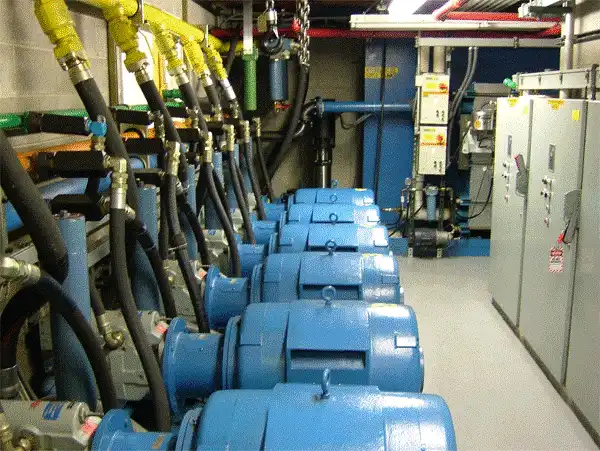
Understanding Industrial Hydraulic Stations
What Is a Hydraulic Power Unit?
A hydraulic power unit is a packaged electromechanical assembly. A motor, pump, reservoir, valve manifold, filters, and coolers are all built into one unit. The motor turns the pump, which applies pressure to the hydraulic fluid and moves it through the circuit. At the end of the circuit, actuators turn that pressure into mechanical force. This design makes it possible for a small station to run multiple machine systems at the same time.
Key Internal Components
Every part of the system has an effect on how well it works. This is what you need to know:
- Hydraulic pump: Draws fluid from the reservoir and pressurizes it for delivery to the circuit.
- Control valves: Regulate pressure, flow direction, and speed with precision.
- Oil reservoir: Stores hydraulic fluid and allows heat and air bubbles to dissipate before recirculation.
- Filtration system: Removes particles to maintain ISO 4406 cleanliness standards, protecting components from wear.
- Heat exchanger: Stabilizes oil temperature, keeping viscosity in the 15–100 cSt range for consistent performance.
These parts work together to make sure that the pressure output is reliable even when the load changes. If even one of them doesn't work right, the whole circuit could break.
Types of Hydraulic Station Configurations
There are three main types of industrial hydraulic stations. With centralized systems, hydraulic power is sent from one station to the whole production line. Sections can be added or taken away from modular systems depending on the output needs. Heyuanxin makes custom-built stations that are made to exact specifications for each client, including the flow rate, pressure range, motor power, and physical footprint. These are all based on the client's equipment and process needs.
How Industrial Hydraulic Stations Work: Step-by-Step Process
Fluid Power Generation
As soon as the electric motor starts to run, it starts the process. The pump moves oil into the pressure line by taking it from the tank. The working pressures for Shaanxi Heyuan's hydraulic stations are between 10 and 31.5 MPa, and the motor power ranges from 5.5 to 200 kW. This range includes both light-duty and heavy-duty metalworking tools.
Flow Control and Pressure Regulation
Control valves decide where the fluid moves and how fast it moves once pressure builds up in the circuit. With proportional and servo valves, speed can be changed without steps, and motion parameters can be changed to within a millimeter. Pressure release valves let out extra pressure before it does any damage, keeping the system from being overloaded. This level of accuracy cuts down on waste and raises the standard of the goods made on the factory floor.
Energy Transfer to Actuators
When the pressurized fluid gets to the actuators, like cylinders or hydraulic motors, it turns back into mechanical work. This powers systems that lift electrodes in arc furnaces. It controls the tilt angles of pouring machines. In industrial cranes, it controls how the load is clamped. All of these actions are kept constant and repeatable by the industrial hydraulic station, which is very important for making a lot of steel.
Benefits and Maintenance of Industrial Hydraulic Stations
Core Operational Advantages
It is clear that hydraulic stations work better than gas or purely mechanical drive systems in a number of ways. Here are the main benefits of this kind of gear:
- High force density: Hydraulic systems generate large forces in compact assemblies, which is ideal for space-constrained factory floors.
- Precise speed control: Variable flow rates (10–500 L/min) allow smooth acceleration and deceleration without mechanical shock.
- Low operating noise: Shaanxi Heyuan's units maintain noise levels at or below 75 dB, reducing workplace fatigue and supporting compliance with occupational safety regulations.
- Temperature resilience: Operating range of -10°C to 80°C means the system performs reliably in both cold startups and sustained high-heat environments.
While steel mills and metallurgical plants run equipment 24 hours a day, seven days a week, these benefits directly help them meet their production needs.
Common Problems and How to Fix Them
Systems need care even if they are well made. The most common reason why parts in hydraulic circuits break is contamination. About every three to six months, fluid samples should be checked for rust, water content, and particle levels. Every week, you should check the differential pressure indicators on your filters and replace the elements before they go bad. Check that the suction line limits and intake strainers are clear for cavitation. Most problems are caught before they cause downtime when the fluid level and temperature are checked every day.
Maintenance Best Practices
Hydraulic systems don't have to stop for no reason when they are maintained regularly. Hoses, fittings, and seals should be checked for external leaks once a month. For proper cooling and de-aeration, the volume of the reservoir tank should be three to five times the flow rate of the pump per minute. Putting Variable Speed Drives (VSD) on the motor cuts energy use by up to 40–50% during partial-load cycles and heat production by a large amount.

Comparing Industrial Hydraulic Stations With Other Hydraulic Solutions
Industrial vs. Mobile Hydraulic Stations
Mobile hydraulic stations can be put on vehicles or frames that can be moved around. They care more about being small and light than having a high steady power output. Industrial hydraulic units, on the other hand, are designed for fixed locations with ongoing job cycles. They have more powerful motors, bigger tanks, and better filtering systems. When used in a steel plant, the industrial version is always the best choice.
Industrial Stations vs. Standard HPUs
A lot of the time, standard HPUs come in packages and have set specs. When you get a custom-built industrial hydraulic station, you can change the pressure, flow rate, and layout of the manifolds. This adaptability is important for putting the station together with other tools, like EAF electrode control systems or ladle turning mechanisms. Strong HPU goods are made by Bosch Rexroth, Parker, Eaton, and Danfoss, but they all stick to standard catalogs. Heyuanxin plans and builds exactly what your process needs, and they'll be there to help you start using it.
Selecting the Right Solution for Your Plant
The best choice relies on three things: the duty cycle, the needed pressure range, and the complexity of the integration. It is better to buy a custom-built industrial hydraulic station from a specialized maker than to use an off-the-shelf unit in metallurgical applications where uptime is important and process conditions are tough.
Procurement Guide: How to Choose the Right Industrial Hydraulic Station
Technical Specifications to Confirm
Before you buy, check with your supplier about the following factors:
- Working pressure range (confirm it covers your peak load requirements, up to 31.5 MPa)
- Motor power rating (5.5–200 kW range for most metallurgical applications)
- Flow rate capacity (10–500 L/min typical for furnace and crane systems)
- Operating temperature compatibility (-10°C to 80°C minimum)
- ISO 4406 cleanliness rating for delivered fluid
Supplier Evaluation Criteria
A good industrial hydraulic station supplier should have ISO quality management certification, show proof of factory tests, such as hydrostatic pressure tests at 1.5× operating pressure, and provide accurate noise level readings. They also have more than ten utility model patents and ISO quality, environmental, and workplace health approvals. Since 2008, the company has completed more than 400 projects around the world using furnace equipment.
Cost and ROI Considerations
Total lifecycle cost is more important than initial unit cost. A well-designed hydraulic power unit with good filtration and heat control will last a lot longer than a cheaper one. Think about the availability of spare parts, the time it takes for technical support to respond, and the warranty coverage. Heyuanxin offers after-sales service 24 hours a day, seven days a week, and fast delivery of hydraulic oil and repair parts. This directly lowers your risk of having to pay for unplanned downtime costs.
Conclusion
An industrial hydraulic station for industry is more than just a pump and a motor held together with bolts. It is a well-thought-out system that turns electrical input into controlled mechanical force. It can power the toughest machinery in heavy manufacturing and metallurgy settings. Procurement managers and engineers can make better buying choices when they know how each part works, from the pump to the filter system to the control valves. If you buy and take care of the right hydraulic station, it will work reliably for years without any major repairs.
FAQ
How often should I change hydraulic fluid?
The life of a fluid depends on how it is used. Every 3 to 6 months, you should analyze the oil. If the oxidation (TAN value) level is high, the chemicals are low, or the water content is too high, the fluid should be replaced. A set schedule on a calendar is not enough to get things done.
Can an industrial hydraulic station be configured for my specific equipment?
Yes, Shaanxi Heyuan makes sure that the pressure range, flow rate, motor power, and manifold layout are just right for each client's needs. This includes making sure that arc furnaces, metallurgical cranes, and pouring machines work properly.
What causes cavitation in a hydraulic circuit?
Cavitation usually happens when suction lines are too short, inlet strainers get clogged, or air gets in through loose intake fittings. Compare the suction head pressure to the rated limits set by the pump maker, and check all the connections on the input side.
How do I reduce energy consumption on my hydraulic station?
Putting a Variable Speed Drive (VSD) on the motor can cut energy use by 40–50% during times of low demand. It also cuts heat output significantly, which makes fluids and parts last longer.
What safety features should a hydraulic station include?
A well-designed system has over-pressure alarms, oil level sensors, and pressure relief valves to protect against overload. These keep people and tools safe when unexpected loads happen.
Get a Custom Industrial Hydraulic Station Quote from Shaanxi Heyuan
From 2008 to now, Shaanxi Heyuan has helped steel mills and metallurgical plants on four continents with their industrial hydraulic station needs. As a reliable company that makes industrial hydraulic stations and has more than ten current patents and ISO certification, we can design, build, install, and start up your station all from one source. To get a setup review and price, please email our engineering team at sxhyyj606@163.com right now.
References
1. Esposito, A. Fluid Power with Applications. Pearson Education, 2014.
2. Hydraulics & Pneumatics Magazine. Industrial Hydraulic Systems: Design and Maintenance Standards. Penton Media, 2019.
3. International Organization for Standardization. ISO 4413: Hydraulic Fluid Power — General Rules and Safety Requirements for Systems and Their Components. ISO, 2010.
4. International Organization for Standardization. ISO 4406: Hydraulic Fluid Power — Fluids — Method for Coding the Level of Contamination by Solid Particles. ISO, 2021.
5. Merritt, H. E. Hydraulic Control Systems. John Wiley & Sons, 1967.
6. Parker Hannifin Corporation. Hydraulic Power Units: Engineering and Application Guide. Parker Hannifin, 2020.


YOU MAY LIKE