
Why is an Automatic vibratory feeder Important in Material Handling?
July 13, 2026
An automatic vibratory feeder is crucial in material handling because it ensures consistent, precise delivery of materials to production lines without manual intervention. This electromechanical device uses controlled vibrations to move parts along custom-designed tracks, eliminating sorting errors, reducing cycle times, and maintaining steady feed rates that prevent line starvation. In metallurgical operations, smelting processes, and continuous production environments, these feeders handle a wide range of materials, from powders and granules to complex metal components, providing reliability that manual methods cannot match. The technology transforms chaotic bulk materials into organised, production-ready streams, making it indispensable for modern industrial automation.

Understanding Automatic Vibratory Feeders and Their Role in Material Handling
Today’s manufacturing processes require tools that are both accurate and reliable. These needs are met by vibratory feeding technology, which uses complex mechanical design and smart control systems.
Core Operating Principles
These methods for feeding things work by using electromagnetic waves or motors to create controlled pulses that move things forward. The vibration mechanism is made up of several important parts that all work together: drive units that make the motion, feeder boxes or bowls that move the materials around, and control systems that change the frequency and volume. When electricity flows through electromagnetic coils, it forms magnetic fields that interact with parts that are placed on springs and cause them to vibrate in a rhythmic way. Depending on the needs of the application, this resonance moves things along fixed routes at speeds between 30 and 60 Hz. Because this movement is so precise, workers can easily change the speed of production by controlling the flow of materials at rates ranging from 1 to 100 cubic meters per hour.
Types and Industrial Adaptability
Bowl feeders are great at putting small parts in the right place by moving them along circular tracks that gradually position the parts correctly. On the other hand, linear feeders move things along horizontal tracks in a straight line. They are particularly effective for moving large amounts of materials in mining processes. Track feeders use both methods together, making them flexible for shapes with many angles. Pharmaceutical companies depend on these systems to handle fragile capsules without breaking them, and car plants use heavy-duty versions to handle bolts that are covered in oil. At Heyuanxin, where we do metallurgy work, we've seen how these feeders work with charge systems for electric arc furnaces. Precise material flow has a direct effect on how well the melt works and how much energy it uses. A stainless steel building meets strict hygiene standards, which is particularly beneficial for food preparation facilities. This study shows that the technology can be used in a variety of fields.
Automation Benefits in Continuous Operations
Automation gets rid of the differences that come with moving things by hand. When humans do the same food jobs over and over, they get tired, make mistakes, and pose safety risks. Vibratory systems keep flow rates constant for long periods of time, so they can handle 24/7 production plans without losing performance. In ongoing smelting processes, where breaks in the flow of materials can cause temperature changes, quality problems, and equipment damage, this consistency is very helpful. Modern feeds have anti-blocking features that keep materials from getting stuck, which would otherwise stop production lines. This cuts down on downtime from hours to minutes when problems do happen.
Benefits of Using Automatic Vibratory Feeders in Your Operations
When you invest in modern feeding technology, you can see real gains in many areas of your business. Knowing about these benefits helps buying teams make smart choices that support long-term business goals.
Operational Efficiency and Cost Reduction
Vibratory feeders speed up production cycles by making sure that later equipment always has enough materials. Compared to hand-feeding methods, they take up to 60% less work, which frees up workers to do more important jobs. Precision control over feed rates cuts down on material waste, which is critical when working with expensive metals or rare earth materials in industrial settings. These systems are economically viable because they only use small amounts of energy—between 0.25 and 5 kW of power, based on their size. Lower noise levels, usually below 70 decibels, make the workplace better and cut down on the need for a lot of hearing protection.
From making mining tools before, we know that a consistent feed rate directly affects product quality. By putting charged materials into electric arc furnaces at regular times, workers can better control the temperature, get more accurate melt times, and use fewer electrodes. These changes lead to real cost savings that quickly pay for the starting costs of buying new equipment.
Material Versatility and Custom Solutions
Vibrating feeding devices can handle a huge range of materials without any problems. Fine dust, rough granules, fragile electronic parts, and heavy metal pieces can all move smoothly through feeders that are set up correctly. Different production sizes, from small test operations to large-scale manufacturing lines, can use hoppers with volumes ranging from 10 to 500 litres. Applying polyurethane coats or Teflon to surfaces prevents damage and reduces noise and friction. Customisable track designs ensure that parts with odd shapes are orientated correctly, eliminating the need for extra sorting. Because they are so flexible, vibrating feeders can be used for a wide range of tasks, from moving medicinal tablets to sorting scrap metal in recycling plants.
Maintenance Advantages and Equipment Longevity
Another great benefit is that upkeep tasks are made easier. Modern Automatic Vibratory Feeders have self-cleaning features that keep material from building up and affecting their performance. Visual checks, regular cleaning, and adjusting spring tension are the main tasks of routine maintenance. Maintenance teams can do these jobs quickly and easily without any special training. When properly set, high-quality spring steel parts don't wear out and often work effectively for years before you need to replace them. Heyuanxin uses strong building standards and products that are approved for use in industrial settings to make sure that our tools can handle tough working conditions. This longevity lowers the total cost of ownership and keeps output from stopping for no reason.
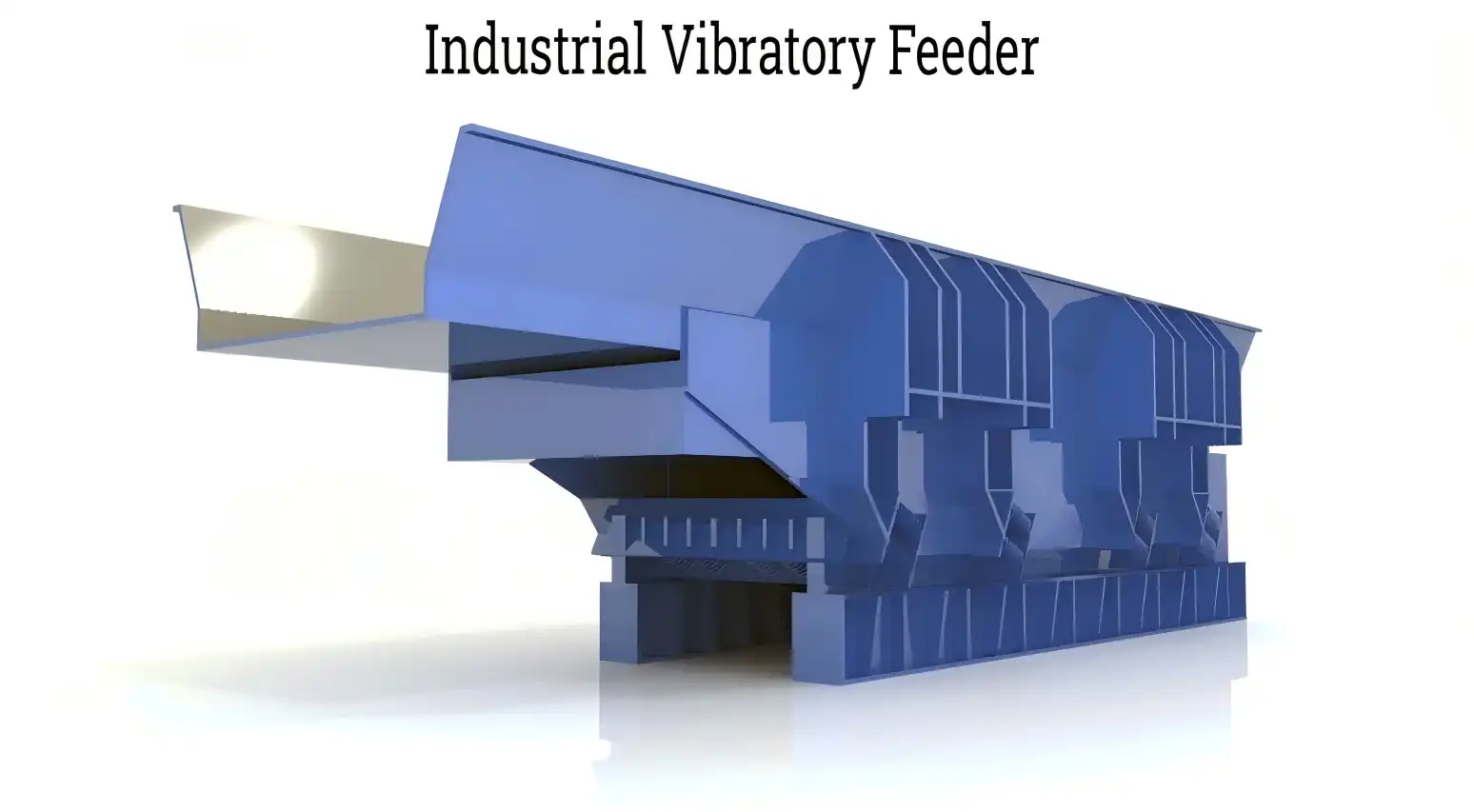
Choosing the Right Automatic Vibratory Feeder for Your Business Needs
To choose the right feeding tools, you need to carefully weigh the technical specs against the operational needs. This choice will have a big effect on how well production works and how much it costs to run in the long run.
Technical Selection Criteria
When considering vibrating feeders, procurement teams should look at several important factors. Feed rate ability must meet or go beyond peak production needs, with some extra space for growth in the future. Some things to think about when it comes to material suitability are the particle size, how rough it is, how sensitive it is to temperature, and how likely it is to clump or bridge. Different tasks have different precision needs. For example, pharmaceutical processes may need positioning accuracy within a few thousandths of a millimetre, while handling large amounts of material can tolerate more differences. When actions go on all the time, even small differences in power use add up over time, making energy economy important. Integration with current control systems, such as compatibility with PLCs and Industry 4.0 tracking tools, protects investments against losing their usefulness as technology changes.
Comparative Analysis of Feeding Technologies
Knowing the differences between food systems helps buyers choose the best ones. Using standard mains frequencies for cost-effective operation, electromagnetic drives work well with big loads and for general-purpose tasks. When working at high speeds with small, light parts, piezoelectric motors offer better accuracy and allow for more precise frequency control without magnetic field interference. We make motor-driven systems at Heyuanxin that take the best parts of both methods and combine them into one. These systems give you exact control over the speed of the charge conveying and are made of materials that won't get clogged, so they can be used in smelting and chemical continuous production processes. Rotary feeders are better at moving sticky or solid materials, but they can't move things in the right direction as vibrating systems can. Each tool fits into a different part of the material handling environment as a whole.
Manufacturer Evaluation and Support Services
When you work with well-known makers, you can get technical help, quality control, and long-term support. Reliable sellers have the right certifications, like ISO quality management systems, environmental management standards, and workplace health credentials, which show they are dedicated to making the best products possible. Shaanxi Heyuanxin Metallurgical Electric Furnace Equipment Co., Ltd. has more than ten utility model patents and more than ten computer software copyrights. This indicates that we are always coming up with new ways to create metallurgical equipment. Provincial-level company recognition and 3A-level credit enterprise standing give people even more faith in our business's stability and honesty. After-sales service that includes installation help, commissioning assistance, and technical fixing makes sure that technology works at its best from the start. When adding feeds to complicated production systems, where the right setting makes a big difference in the results, these services are especially helpful.
Troubleshooting and Maintaining Your Automatic Vibratory Feeder for Optimal Performance
Preventative maintenance and effective troubleshooting cut down on unexpected downtime and make devices last longer. Building up internal knowledge in these areas makes the company less reliant on outside service providers and speeds up the solving of problems.
Common Issues and Diagnostic Approaches
The function of an Automatic Vibratory Feeder is often affected by several problems. Usually, inconsistent feed rates are caused by electromagnetic coils expanding and changing the air gaps or springs wearing out and changing the resonance frequencies. Variable frequency controls that can auto-tune can account for these changes and keep working the same, even when the temperature changes. Strange noises could mean that bolts are loose, bearings are worn, or material has accumulated on the tracks. Noise sources are usually easy to find by carefully checking fixing points, drive parts, and material flow lines. Visual analysis and performance tracking can show you where parts are wearing out, especially on tracks and springs. Dealing with these problems right away keeps small issues from getting worse and turning into big fails that need more downtime to fix.
Preventive Maintenance Programs
Structured maintenance plans keep machinery running well and reliably. Visual checks every day find clear problems, such as spilt materials, strange movements, or strange sounds. Every week, cleaning gets rid of built-up dirt and grime that could get in the way of material flow or wear out faster than expected. Every month, the state of the drive unit, spring tension, and fastener pressure are checked, and changes are made according to the manufacturer's instructions. Following recommended plans and product specs, bearings and moving parts should be oiled every three months. Every year, full inspections check the general state of the equipment and find parts that are getting close to the end of their useful life and need to be replaced during regular maintenance times. This layered method strikes a balance between thoroughness and practical disturbance, making sure that equipment stays usable while also ensuring its long-term dependability.
Technology Integration for Predictive Maintenance
More and more, modern vibrating feeders have sensors built in and can automatically track their use. Feed rate monitors give workers up-to-date information about how well they are doing, so they can make changes before they affect the quality of the work. Vibration sensors pick up on changes in vibration patterns that show that mechanical problems are starting to happen. Keeping an eye on the temperature of electromagnetic bands can help you avoid heat-related failures. When you connect it to facility management systems, you can use data to schedule repairs based on the state of the equipment instead of just picking random times. These technological advances support planned and unexpected shutdown minimisation strategies that make the most of equipment utilisation and return on investment.
How Do Automatic Vibratory Feeders Drive Strategic Business Value in Material Handling?
In addition to helping with operations right away, vibrating feeding technology also helps with bigger business goals like controlling costs, improving the supply chain, and getting ahead of the competition.
Total Cost of Ownership Reduction
To figure out how much technology really costs, you have to look at more than just the initial buy price. Automatic Vibratory Feeders cut down on labour costs by automating tasks, on material waste by precisely measuring it, and on production stops that waste time and money. Energy-efficient designs use less power than other ways of feeding, which lowers the cost of running the equipment over its lifetime. Less complicated repair needs lower the cost of items and the time technicians spend working. Metallurgical companies that use our vibratory feeders in their charging systems usually see a return on their investment in 18 to 24 months through savings in all of these areas. Because they make good money, vibrating feeders are good investments even in places where money is tight, and big capital purchases are closely watched.
Supply Chain and Production Optimisation
Reliable material feeding speeds up output, which helps facilities meet orders more quickly and better handle their stock. Consistent feed rates make it easier to plan production more accurately, which lowers the need for spare stock and the costs that come with it. Accurate delivery of materials leads to better quality, lower refusal rates, and lower rework costs, which raises total equipment efficiency measures. These improvements have an effect on the whole supply chain, making deliveries faster and customers happier. When it comes to competing with companies that still use old or manual methods, manufacturing facilities that keep a tight grip on their material handling processes have an edge.
Future Trends and Industry 4.0 Integration
The move toward smart factory environments opens up new uses for vibrating feeding technology. When you connect to industrial IoT platforms, you can watch, analyse, and automatically improve performance from afar. Machine learning systems look at patterns of feeding to find ways to make things more efficient and to guess what repairs need to be done before they happen. Innovations in energy saving keep cutting down on power use and damage to the environment, making activities more in line with sustainability goals. New technologies for reducing noise make workplaces better and give facilities more installation choices. Because of these changes, vibrating feeders are now important parts of digital transformation projects because they connect standard mechanical equipment with advanced data analytics and AI tools. Companies that buy modern food systems today get tools that help them be more flexible in their operations and gain a competitive edge in global markets that are changing all the time.
Conclusion
Automatic Vibratory Feeders are an important part of modern infrastructure for moving materials in many different industries. Their ability to provide a steady flow of materials gets rid of the fluctuations that hurt production efficiency and product quality. Because the technology is so flexible, it can be used for a wide range of things, from delicate pharmaceutical parts to heavy metals. Different designs can be made to meet specific operating needs. There are more strategic benefits than just increased output. These include lower total capital costs, better supply chain performance, and alignment with digital transformation efforts for Industry 4.0. Manufacturing companies are under more and more pressure to be more efficient while also having less of an effect on the environment. Vibrational feeding technology offers tried-and-true methods that produce measured results. When you buy good tools from well-known brands, you can be sure that they will work well and last a long time.
FAQ
How do I figure out what kind of vibratory feeder will work best for my material?
Several features of the material affect the choice. Bowl feeders work best for small parts that need orienting, while linear feeders suit ongoing processes with large materials. Check the particle size, how well it flows, how rough it is, and how sensitive it is to temperature. Certain track shapes or shaking patterns may be needed for materials that tend to clump or bridge. Talking to experienced makers like Heyuanxin makes sure that the properties of the material and the requirements of the tools are a suitable match.
What maintenance practices ensure uninterrupted feeder operation?
Do eye checks every day to identify obvious problems early. Cleaning once a week keeps material from building up and affecting function. Checking the pressure and tightness of the springs and fasteners once a month keeps the machines in the right position. Manufacturers recommend that bearings be oiled every three months. Every year, thorough reviews find worn-out parts that need to be replaced. This organised method strikes a balance between thorough repairs and interruptions to operations, making the most of the equipment's availability.
Can vibratory feeders be retrofitted into existing production lines?
Most Automatic Vibratory Feeders are straightforward to connect to other machines. Standard electrical connections and mounting arrangements make installation easier. Most control systems can talk to standard PLCs and automation tools. Custom connectivity solutions are made to fit the needs of each location. Suppliers with extensive experience provide assistance with installation and testing services that keep things running smoothly during implementation. With the right planning, integration goes smoothly and doesn't get in the way of current activities.
Partner with Shaanxi Heyuan for Superior Automatic Vibratory Feeder Solutions
We at Shaanxi Heyuan New Metallurgical Electric Furnace Equipment Co., Ltd. have been making Automatic Vibratory Feeders for more than ten years and know a lot about metalworking. Our electromagnetic and motor-driven systems let you precisely control the speed at which charges are moved, and they are made to avoid blocking, so they can be used in mining and chemical continuous production processes. As a well-known company that makes Automatic Vibratory Feeders and has more than ten utility model patents and a wide range of quality certifications, we offer solutions that can be tailored to your needs and work smoothly with your current production lines. Our state-of-the-art factory in Xianyang City uses strict quality control throughout the whole production process. This ensures that the buildings last and can be used 24 hours a day, seven days a week. Email our expert team at sxhyyj606@163.com to discuss your unique material handling needs and find out how our low-noise, energy-efficient feeding systems can help you run your business more efficiently and save you money.
References
1. Johnson, M. R., & Thompson, K. L. (2021). Industrial Material Handling Systems: Design and Implementation. Manufacturing Technology Press.
2. Peterson, A. D. (2020). "Vibratory Feeding Technology in Modern Production Environments," Journal of Manufacturing Systems and Automation, Vol. 45, No. 3, pp. 287-304.
3. Chen, W., & Rodriguez, J. (2022). Metallurgical Equipment Engineering: Principles and Applications. International Industrial Publishing.
4. National Institute of Standards and Technology (2023). Guidelines for Material Handling Equipment Selection in Industrial Applications. U.S. Department of Commerce.
5. Williams, S. T. (2019). "Electromagnetic Feeding Systems: Performance Analysis and Optimisation Strategies," International Journal of Production Engineering, Vol. 62, No. 8, pp. 1142-1159.
6. European Committee for Standardisation (2022). Safety Requirements for Material Feeding Equipment in Continuous Production Processes. CEN Technical Report 156-2022.


YOU MAY LIKE