
Calcium Silicon Furnace Design Features You Should Know?
July 14, 2026
When specifying equipment for silicon-calcium alloy production (Ca 28–31%, Si 55–65%), understanding the core design attributes of a Calcium Silicon Furnace is critical to achieving deoxidation goals and improving alloy quality in steelmaking. These submerged arc furnace systems are engineered to sustain temperatures between 1,500°C and 1,800°C, enabling the carbothermic reduction of silica and lime. Selecting a furnace with robust thermal management, precise electrode regulation, and efficient burden porosity control directly impacts production yield, energy consumption, and operational longevity—making design knowledge indispensable for procurement managers and metallurgical engineers.
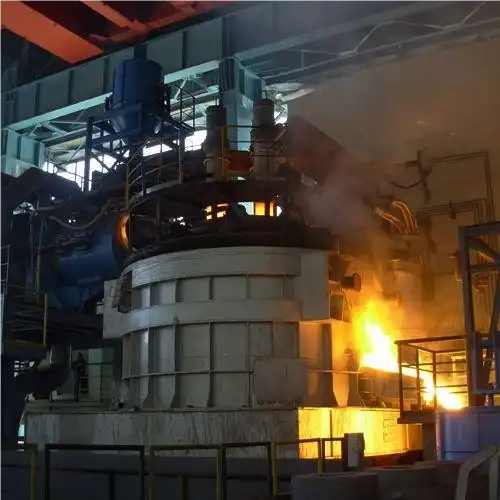

Understanding Calcium Silicon Furnace: Core Design and Functionality
Structural Components and Their Roles
Three basic parts make up a well-designed furnace: the furnace shell, the refractory covering, and the electrode assembly. The shell keeps the structure together and holds the electrical parts. The refractory lining, usually made of high-density carbon blocks or ramming paste, protects against the harsh conditions posed by molten calcium and high-basicity slags. Because regular shutdowns can shorten lining life from five years to less than three, these materials must withstand temperature fluctuations without cracking.
Pay close attention to the wire setup. Because of its higher electrical resistance, Calcium Silicon Furnace production needs to go deeper into the charge than ferrosilicon furnaces. We use graphite or self-baking carbon electrodes with steel covers that are strengthened to keep them from breaking when the load falls. With automated hydraulic slipping mechanisms, the electrode depth can be changed to within a millimetre. This keeps carbon from getting into the final metal, which is a typical problem when controls are operated by hand.
Operational Principles and Thermal Dynamics
Quartz (SiO₂) and lime (CaO) are reduced in the furnace at temperatures above 1,700°C when carbonaceous materials are present. The hard part is keeping the reaction zone steady while dealing with the strong release of CO gas. These days' designs use systems that control porosity and load, and wood chips, coke, and charcoal are often mixed. This "fluffing agent" stops charge sintering, which can trap high-pressure gases and cause dangerous explosions, which is a major safety issue in plant operations.
Temperature consistency is achieved by using special heating element setups that spread the heat load evenly across the hearth. This part of the design keeps the alloy's chemistry constant and reduces the number of hot spots that speed up refractory wear. Modern units have sensors that track changes in temperature in real time. This lets workers change the power input on the fly and keep the operating range between 1,500°C and 1,800°C.
Safety Systems and Gas Control
Built-in safety features deal with the fact that calcium release can change quickly. When there are sudden changes in pressure, emergency shutdown systems quickly cut off power and start gas transfer procedures. Off-gas handling systems with baghouse filtering catch amorphous silica dust and keep particulate emissions below 20–50 mg/Nm³ to meet environmental guidelines. Not only do these systems keep workers safe, but they also keep upkeep costs low by keeping dust off of transformers and circuits.
Comparing Calcium Silicon Furnace Types and Their Design Variations
Submerged Arc Furnace (SAF) Dominance
The buried arc design is the standard in the industry because it can handle the heavy, deep resistive load needed for calcium oxide reduction. SAF designs have short-net electrical structures that lower reactance and increase power supply to the response zone. This means that energy economy rates are getting close to 95%, which is a lot higher than other options. Most SAF sites can handle more than 10,000 tonnes of weight per year, which makes them perfect for big steel mills and facilities that only make alloys.
One important difference in design is how the transformers are tapped. Standard ferroalloy furnaces have higher power factors (0.65–0.75) than units designed to make Calcium Silicon Furnace alloys. To make up for it, makers add series capacitor banks to the high-voltage side. This makes the grid more efficient and lowers the fines for reactive power. Teams in charge of buying things should make sure that the transformers they're looking at have on-load tap changers (OLTC) that can handle 120% overload conditions during 'furnace boil' events, when gas pressure temporarily rises.
Specialised Electric Resistance Options
Electric resistance furnaces are sometimes used by smaller businesses or those that make special metal types. These units have lower initial costs and make managing electrodes easier, but they don't have the deep hearth benefit of SAF systems. Because of lower heat efficiency, energy use usually goes up to 11,000 to 13,000 kWh per tonne. Resistance furnaces are good for places that don't have a lot of power or that need to change the grade often because the starting up and stopping down processes put less heat stress on the refractory.
Matching Design to Operational Requirements
Which type of furnace to use depends on the properties of the raw materials, the amount of output that needs to be produced, and the availability of repair facilities. SAF setups work best for operations that use high-purity quartz and pre-calcined lime because the stability of the materials allows for better process control. On the other hand, places that deal with different types of fuel may like resistance furnaces because they are more flexible in how they can be used. Long-term cost modelling should take electrode usage rates into account. Graphite electrodes in SAF systems should last 8–12 months under ideal conditions, but carbons of lower quality may need to be replaced every 4–6 months, which has a direct effect on production downtime.
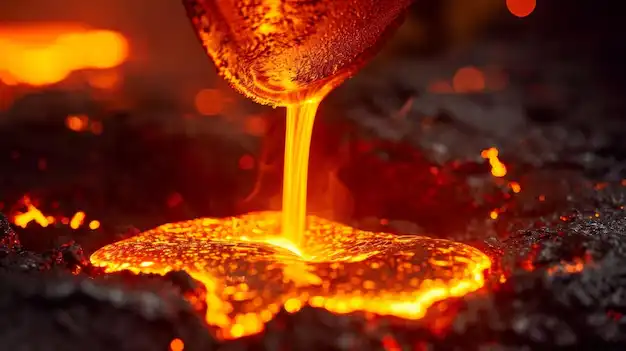
Advantages of Advanced Calcium Silicon Furnace Design Features
Modern furnace engineering makes measurable improvements in how much energy it uses, how consistent the output is, and how easy it is to do upkeep. These improvements fix the problems that past systems had, like temperature changes that were hard to control and frequent component failures that made it hard to make money.
Energy Efficiency Through Insulation Innovation
Newer refractory materials have ceramic fibre layers and microporous insulation plates that make the shell 30% less likely to lose heat than older designs. This heat preservation lowers the amount of power needed to make one ton of alloy, which directly lowers the cost of doing business. Overall plant efficiency goes up a lot when energy recovery systems are added that use waste heat from off-gases to heat up raw materials. Steel plants that use these technologies say their energy costs go down by 15–20% over three years of operation of a Calcium Silicon Furnace.
Precision Control for Alloy Composition
To keep to strict requirements, improved PLC-based control systems constantly check electrical factors, load descent rates, and off-gas composition. To make clean steel, you need to be able to make ISO-grade CaSi alloys (Ca₃₁Si₆₀, Ca₂₈Si₆₀) with carbon contents that are always less than 1% and few sulphur or phosphorus flaws. In real time, automated systems change where the electrodes are placed and how much power they receive to account for changes in the reactivity of the raw material. This is something that can't be done with human settings.
Modular Design Simplifying Maintenance
Using modular design for burner parts makes the tools last longer than ten years. With quick-change refractory plates, the downtime for replacing the lining is cut from weeks to days. Standardised mounting interfaces on electrode holders make it possible to change them in a single shift without the need for special lifting tools. These features help steel plants avoid unexpected downtime, which can cost them $50,000 to $100,000 a day in lost production. Designs that are easy to maintain also cut down on the need for specialised contractors, so in-house technical teams can safely handle regular fixes.
Maintenance, Safety, and Operational Tips for Calcium Silicon Furnaces
Routine Inspection Protocols
Setting up a plan for regular maintenance can help your heater last longer and avoid major problems. Thermal imaging checks done once a week find refractory points before they get penetrated. Ultrasonic testing done once a month checks the stability of the carbon block joints and finds early signs of "run-out" situations that let molten metal leak. Electrode analysis focuses on the state of the tip; silicification (a glassy layer) means that the charge is not conducting properly, and the burden needs to be adjusted right away.
Tap-hole kits are important wear parts that need to be replaced every 200 to 300 taps, based on the alloy temperature and slag basicity. After every campaign, oxygen lance devices used to open tap holes should be checked for tip erosion. Every three months, the fluid in hydraulic systems that power electrode control devices needs to be checked for contamination that slows down the response time and could cause electrodes to break in a Calcium Silicon Furnace.
Safety Protocols and Personnel Training
Safety rules must be followed to the letter when working with dangerous products. When the amount of radiant heat is too high, operators must wear aluminised heat-reflective suits and face covers while touching. When calcium is working at normal temperatures, its high vapour pressure makes it dangerous to breathe in. Continuous gas tracking systems should sound alarms if calcium vapour amounts get close to certain limits.
Furnace blowouts occur when held CO gas violently ejects load material, and comprehensive training programmes should cover them in detail. Setting up blast screens and exclusion zones around the furnace saves people during these rare but dangerous events. Teams must be able to follow shutdown steps within the 15-second window that is usually available before the pressure builds up and cannot be controlled.
Troubleshooting Common Design-Related Issues
Electrode consumption rates higher than 8 kg per tonne of metal are often a sign of bad burden permeability. Normal decline patterns can be restored by changing the amounts of wood chips or charcoal grades with less ash. When there isn't enough electrical resistance (low voltage, high current), it means that the charge is too conductive. Adding quartz fines raises resistivity. Problems with quality that don't go away, like too much carbon in the finished metal, are often caused by not having the right fire temperature. These chemistry errors are usually fixed by checking the transformer tap settings and the state of the refractory.
Procurement Insights: Choosing and Buying the Right Calcium Silicon Furnace
Evaluating Manufacturers and Suppliers
When choosing a furnace partner, you need to check their technical qualifications and working history. Look for companies that have ISO 9001 certification for quality management, ISO 14001 certification for environmental management, and workplace health management qualifications. These certificates show that design, production, and customer service are done in a planned way. Patent portfolios show how innovative a company is in engineering. For example, companies that have utility model patents for electrode regulation systems or burden-sharing methods show that they are still investing in research and development.
The system for after-sales help is just as important. Check to see if the maker has area service centres that can handle problems with commissioning within 48 hours. Ask for examples from setups that have been used in similar situations before. You can also talk to plant managers to find out how fast support is during the critical startup phases and how long-term parts availability is.
Balancing Cost and Feature Sets
Prices for complete Calcium Silicon Furnace systems range from $800,000 to $2,500,000 right now, based on the system's capacity (5,000 to 20,000 tonnes per year), amount of automation, and environmental controls. Options that are less expensive might not have energy return systems or use regular transformers without OLTC, which limits how they can be used. Mid-level packages usually come with basic off-gas treatment and automatic electrode control, which works well for businesses that have a steady source of raw materials.
Premium systems have monitors that can predict repair needs, advanced data analytics, and backup safety systems. These are necessary for places where unplanned downtime costs more than $75,000 per day. Standard coverage lasts for 12 months on electrical parts and 24 months on refractory materials. For an extra 10–15%, you can get an extended warranty that covers major sections for up to five years.
Logistics and Installation Considerations
From placing an order to commissioning the finish, the furnace purchase process takes 8 to 14 months. It takes 5–7 months to make something, and another 6–8 weeks to ship it by ocean freight. Preparing the site for utilities and building the base (usually 500 to 800 cubic yards of reinforced concrete for big units) should start while the units are being made. The electrical system must handle 15–30 MVA transformer loads, which usually means upgrading the centre.
When you buy tools along with installation services, the chance of commissioning is lower. It takes 8–12 weeks for experienced installation teams to finish mechanical erection, 3–4 weeks for refractory lining, and 2 weeks for electrical tie-in. A supervised startup that lasts for 4 to 6 weeks checks performance against certain factors and teaches plant staff how to follow operating procedures before the vendor leaves.
Conclusion
Making calcium silicon alloys correctly depends on kiln designs that balance how well they use heat, how safe they are to use, and how easy they are to maintain. Understanding basic design elements, like choosing the right refractory and electrode systems, as well as managing the load porosity, helps make smart purchasing choices that are in line with long-term output goals. When you compare furnace types, you can see that submerged arc setups use less energy for large-scale operations, while specialised options are better for specific tasks. Modular building and automatic controls are examples of advanced features that directly lead to lower running costs and better alloy quality. Metallurgical companies get reliable equipment that can keep them ahead in the tough steel and alloy markets by focusing on makers with a history of success, a full support infrastructure, and approved quality systems.
FAQ
What temperature range do calcium-silicon furnaces operate within?
During normal operation, these specialised submerged arc furnaces keep reaction zones between 1,500°C and 1,800°C. Near the electrode tips, some hot spots can reach 2,000°C. This temperature range lets the carbothermic reduction of calcium oxide happen while stopping too much calcium vaporisation, which lowers output.
How does energy consumption compare to ferrosilicon production?
The amount of electricity needed to make a calcium silicon mixture is much higher than the amount needed to make ferrosilicon, which is only 8,000 to 9,000 kWh per tonne. The higher energy need is because calcium oxide is more thermodynamically stable, and calcium has a high vapour pressure, which means that extra energy has to be added to make up for the energy lost through evaporation.
What safety precautions are essential during operation?
Radiant heat and hot metal splash risks mean that operators must keep restriction zones clear during tapping operations. Continuous gas tracking systems detect dangerous buildups of carbon monoxide and calcium vapour. To stop pressure-related blow-outs that can violently release load material, emergency shutdown procedures should be able to be carried out within 15 seconds.
Can existing furnaces be converted for calcium-silicon production?
It is possible to physically change from making ferrosilicon to making calcium silicon, but it needs a lot of changes. There are big differences between the deep-hearth design, the high-voltage transformer tappings, and the load distribution methods that are best for making calcium. Making these changes before converting lowers efficiency and increases the risk of equipment damage from operating pressures that are higher than what was intended.
Partner With Shaanxi Heyuan for Reliable Calcium Silicon Furnace Solutions
Choosing the right Calcium Silicon Furnace maker has a direct effect on how productive, safe, and profitable your facility is over many years of use. Shaanxi Heyuan New Metallurgical Electric Furnace Equipment Co., Ltd. has more than 11 years of experience developing, building, and starting up furnace systems that meet the strict needs of current alloy and steel production. Our engineering team has more than ten utility model patents that cover electrode control systems, refractory setups, and dust removal technologies. These are new ideas that will make your operations run more smoothly.
We offer full turnkey solutions that include planning, building, installing, testing, and ongoing expert support. Each heating system goes through strict quality control that is backed up by ISO 9001, ISO 14001, and workplace health certifications. This makes sure that the systems meet international standards for safety and the environment. Our designs use 95% less energy, our control systems are fully automatic, and our buildings are built in modules. This lowers running costs and makes equipment last longer than ten years.
Email our engineering team at sxhyyj606@163.com to talk about your unique production needs. We offer unique engineering solutions that are based on the properties of your raw materials, your capacity goals, and the conditions of the place. You can find detailed specs and request a full quote from a reliable Calcium Silicon Furnace seller at hyyjfurnace-supply.com. They are dedicated to your business success.
References
1. Gasik, M. Handbook of Ferroalloys: Theory and Technology. Butterworth-Heinemann, 2013.
2. Olsen, S.E., Tangstad, M., and Lindstad, T. Production of Manganese Ferroalloys. Tapir Academic Press, 2007.
3. Electric Furnace Conference Proceedings. Submerged Arc Furnace Operation and Design Optimisation. Association of Iron & Steel Technology, 2019.
4. Turkdogan, E.T. Fundamentals of Steelmaking. The Institute of Materials, 1996.
5. International Chromium Development Association. Best Available Techniques Reference Document for the Ferrous Metals Processing Industry. European Commission, 2018.
6. Outotec Oyj. Calcium Silicon Production Technology: Process Design and Equipment Selection Guidelines. Technical White Paper Series, 2021.


YOU MAY LIKE