
How to Optimize Output in an Electric Submerged Arc Furnace Operation?
July 14, 2026
To achieve the best results with an electric submerged arc furnace, you need a complete plan that considers energy efficiency, the quality of the raw materials, and precise operating control. The electric submerged arc furnace works by sinking the electrode tips deep into the charge material. This process generates heat through electrical resistance and micro-arcs, which is necessary for producing ferroalloys. To optimise something, you need to keep the electrode penetration depth stable, control the burden resistance by using the right material sizes, use advanced automation to make changes in real time, and set strict maintenance protocols to avoid costly downtime and maximise energy efficiency and product yield.
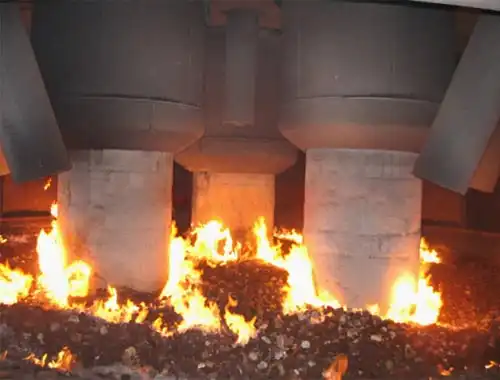

Understanding Electric Submerged Arc Furnace Operation
An electric submerged arc furnace is a special type of metalworking equipment that is used to reduce the temperature of ferrosilicon, ferromanganese, and other similar iron alloys. For any optimisation attempt to succeed, you must first understand how the furnace works.
Core Operational Mechanics and Temperature Ranges
The furnace works by putting electrodes under the charge material. The slag and load, along with micro-arcs at the electrode tips, heat the area up mostly through electrical resistance. Operating temperatures can be anywhere from 1,500°C to over 2,000°C with this set-up, based on the metal being made. The hidden arc design keeps radiant heat loss to a minimum, making it more thermally efficient than open-arc systems. The charge on top works like a blanket, holding heat and preheating materials that are going down. This approach makes much better use of energy. This method of operation creates the strong reducing environment needed to remove oxygen from silicate and chromite ores.
Materials Processed and Temperature Control Considerations
These furnaces are particularly effective at working with ferroalloys like ferrosilicon (FeSi), ferrochrome (FeCr), and silicomanganese (SiMn). They can also handle calcium carbide and a number of matte smelting tasks. Controlling the temperature is crucial because even small changes can affect the chemistry and quality of the end product. To keep the right temperature, you need to carefully balance the amount of electricity coming in, the makeup of the raw materials, and the rate at which the load falls. Whether you use self-baking Söderberg electrodes or pre-baked carbon electrodes affects how stable the temperature is and how hard it is to operate. Operators must monitor the temperature profile throughout the boiler to ensure there are no cold spots that slow down work or hot spots that could damage the refractory.
Common Operational Challenges
Using these ovens comes with its own set of problems that have a direct effect on output. The amount of energy used is a big problem, and the costs of electricity often make up 30 to 40 per cent of all output costs. It's harder to do maintenance because the working conditions are so poor. Electrodes, refractories, and cooling systems are constantly under chemical and heat stress. Safety rules call for constant attention because the high temperatures, molten metal, and possible gas escapes make the situation dangerous. Effects on the environment, especially when it comes to managing off-gases and particle pollution, require advanced systems for collecting dust and cleaning gases. These problems get worse as equipment gets older or as operating factors move away from their best settings.
Identifying Core Bottlenecks Limiting Production Efficiency
Figuring out the exact things that make the electric submerged arc furnace work less well lets you make focused improvements that have measured effects.
Electrical Efficiency and Arc Stability Issues
Electrical waste comes from several places, but reactive power losses in the short net (busbar system) are the main issue. Low power factors, often below 0.85 without any compensation, are caused by the naturally high inductive load. This loses energy and raises electricity costs. When electrode positioning doesn't keep the right plunge depth, current flow changes and heating patterns aren't even. This is called arc instability. Contact resistance at electrode links makes hotspots that waste power and speed up the wear on parts. Electrical problems cause temperature changes that hurt the quality of the product directly, leading to chemistry that doesn't meet specifications and needing expensive reworking or downgrading.
Material Feed and Slag Management Inefficiencies
When the load isn't spread out evenly across the furnace area, raw material feed methods often cause bottlenecks. Material sizing that isn't uniform lets fines move downhill while bigger particles create bridges, which stops the controlled descent that is needed for best operation. When viscosity gets too high or too low, it makes it hard to handle slag because it affects phase separation and metal recovery rates. By damaging refractories, bad slag chemistry can make electrodes use more energy and shorten the life of a campaign. The load resistance, which is based on the properties of the raw material, needs to stay within certain limits. If it's too low, the electrodes will rise and lose heat through radiation; if it's too high, the electrodes will penetrate too deeply and damage the bottom.
Root Causes of Energy Wastage and Downtime
Degradation of equipment speeds up the loss of energy, and refractory erosion makes it easier for heat to escape through the furnace's walls and bottom. When there are problems with the cooling system, like scale buildup or low flow rates, workers have to lower the power to keep the system from burning. This limits the amount of work that can be done. When maintenance plans are out of date and depend on reactive fixes instead of proactive strategies, unexpected failures happen that stop production for long periods of time. In Söderberg systems, if an electrode breaks because of heat shock or bad paste quality, production stops right away, and it takes hours to fix the problem. In addition to stopping output, these downtimes throw off the temperature balance, which takes more time and energy to fix so that operations can resume normally.
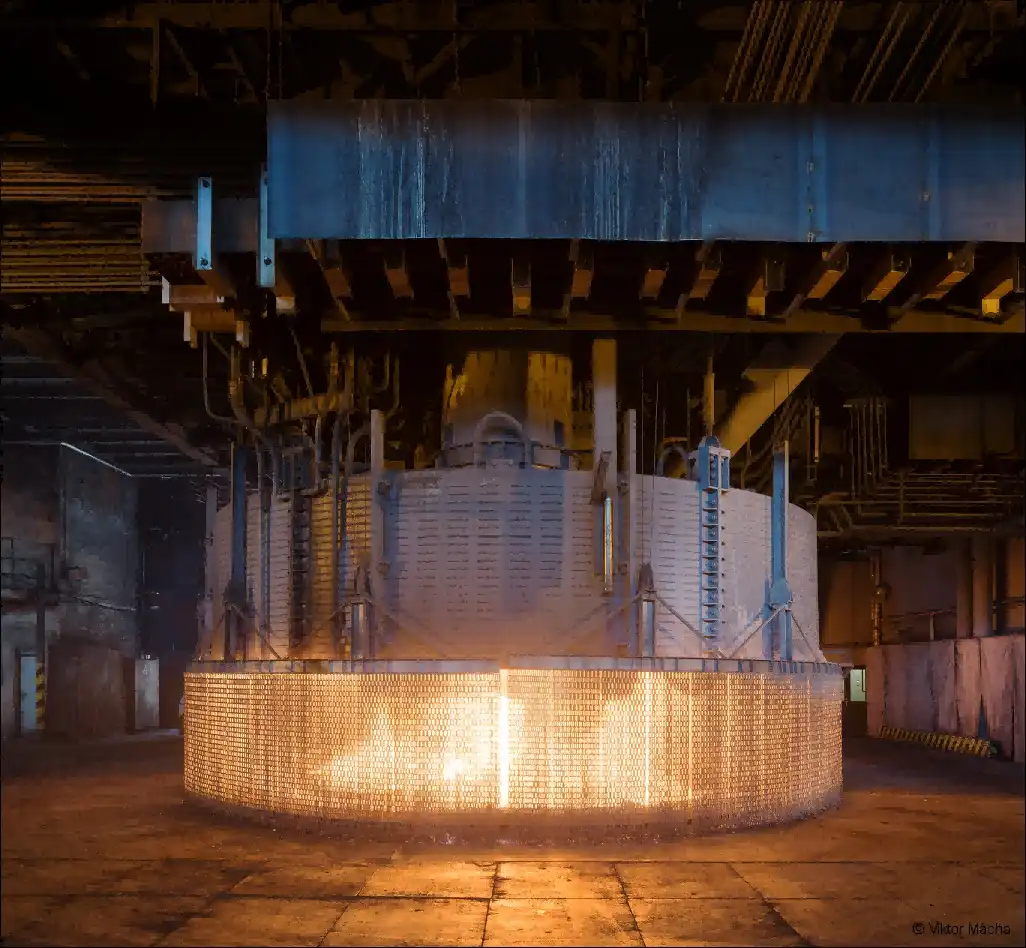
Implementing Principles and Strategies to Optimise Furnace Output
Real-world optimisation strategies fix the problems they find by steadily making operational control and equipment performance of the electric submerged arc furnace better.
Energy-Efficient Temperature Control Principles
To be energy efficient, you must first keep the temperature fixed so that power changes are kept to a minimum. Using modern electrode placement control systems ensures that the depth of immersion stays the same, which stabilises the patterns of current flow and heat generation. When the load goes down, the control system has to react constantly by changing the height of the electrodes to keep the best resistance levels. Using capacitor banks to raise the power factor, whether at a high voltage or a low voltage, lowers reactive power losses and can cut energy costs by 8–12%. Getting the furnace's short net shape just right by arranging the secondary busbars in a triangle cuts down on inductive reactance. These electrical changes work well with thermal management strategies like making the cooling system more efficient and choosing the right refractory to keep the temperatures fixed while lowering the amount of energy used per tonne of product.
Advanced Monitoring and Automation Integration
Modern automatic systems make running a furnace more like a science by letting you see important factors in real time. PLC-based control systems with SCADA connections let workers keep an eye on the current, voltage, position, and slipping rate of the electrodes all the time. In key spots throughout the furnace structure, temperature monitors give early warning of any heating problems. Using this data to make real-time changes to the process lets you react right away to differences before they affect the quality of the product or the security of the equipment. Predictive analytics programmes can find trends that point to problems that are about to happen, such as the chance of an electrode breaking or of refractory wear, so that they can be fixed before they happen. Modern systems have a potential range from 6300kVA to 72000kVA, which lets the exact amount of electricity used be matched to the needs of production, resulting in higher load factors and better operating efficiency.
Best-Practice Maintenance Protocols
Switching from reactive to preventive maintenance cuts down on unplanned downtime by a huge amount and makes equipment last longer. Setting up regular checks for important parts like hydraulic systems, cooling circuits, electrical connections, and refractory state helps find problems early, when they are easier to fix and cost less. Problems can be avoided before they happen in the oven by strictly controlling the quality of products like electrode paste and raw materials. Keeping detailed repair logs lets you look at patterns that show long-lasting problems that need engineering answers. The water-cooled roof and shell systems need extra care. It's important to keep an eye on the flow rate and pressure to make sure that no one area gets too hot. Keeping the combined dust collection system in good shape is important for protecting worker safety and following environmental rules.
Optimised Raw Material Selection and Feed Management
The quality of raw materials has a big effect on how well a boiler works and how much product it makes. Choosing ores and fluxes with uniform chemistry and the right size makes the variation in load resistance and fall rate less noticeable. Setting standards for particle size distribution stops too many fines that cause problems with permeability, or too much material that causes bridging. Keeping an eye on the amount of water in the charge stops problems caused by steam and makes the electricity work better. Management of feed rates must find a balance between production needs and furnace capacity. They must avoid either overfeeding, which can make the furnace unstable, or underfeeding, which loses built capacity. Strategically choosing Coke gives reduction processes the carbon they need while also helping to provide the best load resistance. When it is possible, preheating the material restores waste heat from off-gases and lowers the amount of electricity needed to heat the material to reaction temperature.
Production Gains from Real-World Applications
Producers of ferroalloys who have put in place thorough optimisation plans have seen specific increases in output. One ferrochrome process increased output by 8% while lowering specific energy use by 11%. This was made possible by better control of the electrodes and adjustment of the power factor. By using predictive maintenance and better refractory materials, a ferromanganese plant increased cycle life from 18 to 26 months, which greatly increased annualised output. When makers of silicon metal used advanced technology and optimised specs for raw materials, they were able to get 15% higher yields and better product consistency. These results show that thorough optimisation can help your business make money by increasing output, lowering energy costs, lowering upkeep costs, and making products better.
Leveraging Advanced Technologies and Supplier Solutions
Electric submerged arc furnace technology and robotics are changing quickly, which means that performance can be improved by upgrading equipment and forming smart partnerships with suppliers.
Benefits of Modern Furnace Designs
Modern burner designs include improvements that work around problems that older generations had. Advanced electrode control systems allow for placing precision down to the micron level, keeping the best immersion even when the load conditions change. New furnace shell designs with better cooling features keep heat in longer while protecting the structure's stability. Modular design makes it easier to make changes and updates without having to redo the whole furnace. This extends the life of the asset and protects financial investments. Tilt systems that use hydraulics to move the furnace from 0° to 12° improve the efficiency of tapping and the control of slag. With these technological developments and a range of capacity choices, from small-scale operations to large industrial setups, companies can find the right tools to meet their needs and plan for future growth.
Selecting Reliable Equipment Suppliers
Picking the right source turns out to be just as important as picking the right tools. Shaanxi Heyuan New Metallurgical Electric Furnace Equipment Co., Ltd. has been designing and making ferroalloy and metallurgical furnaces for more than ten years. Our wide range of skills covers the whole lifecycle of a project, from the initial planning to manufacturing, installation, testing, and ongoing expert support. Several important factors should be used by producers to judge possible sellers. The supplier's engineering skills show whether they can make custom solutions that meet specific output needs instead of making compromises with standard designs. Quality control measures during production, such as ISO 9001, ISO 14001, and OHSAS 18001, make sure that equipment works well and lasts a long time.
Our company has more than ten utility model patents and more than ten computer software copyrights, which shows that we are always coming up with new ideas and being a leader in technology. With sites from South Korea to Paraguay, the global footprint has a history of success in a wide range of working situations and regulatory settings. Full after-sales help, and easy access to extra parts keep equipment from being down for long periods of time when parts need to be replaced, which becomes more important as the equipment ages. There is a difference between sellers who see sales as transactions and partners who care about the long-term success of their customers when it comes to warranty support and technical service responsiveness.
Comparative Technology Assessment
When makers compare the electric submerged arc furnace to other technologies, it helps them make smart investment choices. When compared to blast furnaces, the buried arc design gives you better control over the chemistry of the product and costs less when you work on smaller scales. The submerged arc method works better with reduction reactions than induction furnaces and is more cost-effective for processing lower-grade raw materials. Modern designs let you choose between closed or semi-closed setups that allow off-gas capture for energy recovery, which raises the total thermal efficiency. Understanding these trade-offs between efficiency and environmental impact is important for choosing the best technology based on production needs, the supply of raw materials, energy costs, and environmental rules.
Ensuring Long-Term Optimisation and Sustainable Operation
For performance improvements to last, electric submerged arc furnace optimisation concepts need to be built into the mindset and operations of the company.
Continuous Improvement Frameworks
When you use methods for continuous improvement, optimisation stops being a one-time job and becomes a regular practice. Putting together cross-functional teams with people from operations, maintenance, engineering, and quality gives you a lot of different ideas for how to make things better. By comparing real results to benchmarks on a regular basis, performance reviews find areas that need more work. Finding the root cause of differences, whether they are quality problems or lost productivity, stops problems from happening again. When applied to furnace operations, lean production principles get rid of wasteful methods and make work run more smoothly. Making a culture where operators feel free to suggest improvements and try out controlled process changes speeds up creativity and increases operational ownership.
Data Analytics for Predictive Maintenance
Modern tracking systems create huge amounts of data that can be analysed in complex ways to find out when equipment will break down before it does. Machine learning algorithms that have been trained on historical data can spot trends that show signs of bearing wear, refractory deterioration, or cooling system degradation. This ability to predict the future lets repairs be scheduled for planned outages instead of having to happen during emergencies. Real-time analytics-based adaptive operational changes improve performance as the properties of raw materials or the environment change. The investment in these critical skills pays off because they cut down on downtime, extend the life of tools, and make better use of capacity.
Environmental and Safety Compliance
Getting the most work done can't come at the cost of protecting the environment or workers' safety. To meet stricter standards for air quality, modern furnaces have dust collection systems built in to catch particulate emissions. Off-gas control systems in closed furnaces make it possible to collect energy while keeping gases from escaping into the air. Cooling circuit water treatment systems keep water from becoming thermally polluted and allow water to be recycled. Safety rules for working with liquid metal, high-voltage electrical systems, and entering tight spaces keep people safe and make sure that rules are followed. Producers who see good environmental and safety performance as an asset to their business rather than a problem can gain a long-term economic edge through lower regulatory risk, better community ties, and higher happiness among their workers.
Conclusion
To get the most out of an electric submerged arc furnace, you need to pay attention to how well the electricity works, how you handle the raw materials, how automated the furnace is, and how you do maintenance. The buried arc design naturally has thermal benefits, but to fully realise its potential, electrode control, power factor correction, load management, and forecast maintenance must all be done in a planned way. Modern tracking and automation technologies make real-time optimisation possible, which wasn't possible before. Strategic partnerships with suppliers give you access to new equipment designs and technical know-how. Long-term success comes from making continuous growth a part of the organisation's mindset, using data analytics to make predictions, and always meeting safety and environmental standards as well as productivity goals.
FAQ
What are the most effective ways to reduce energy consumption in furnace operations?
Power factor adjustment with capacitor banks is the first step to using less energy. This can cut electricity costs by 8–12%. Placing the electrodes in the best way possible keeps the resistance fixed and cuts down on the heat loss from surface radiation. Increasing the uniformity of the raw materials cuts down on temperature variation and wasted energy. Better refractory performance and more efficient cooling systems cut down on heat loss through furnace structures. Degradation that leads to derating of the electrical input can be avoided with regular upkeep.
How does maintenance frequency affect product quality and furnace lifespan?
Preventive upkeep has a direct effect on both quality and durability. Inspections done on a regular basis find refractory wear before it causes temperature instability that changes the chemistry of the product. Hotspots that damage buildings and throw off the temperature balance can be avoided by keeping cooling systems in good shape. Maintaining the electrode system makes sure that the current flows evenly and the arc works steadily. Campaign life can be extended from 18 months to over 26 months with proper upkeep. This increases asset productivity and lowers capital costs per tonne created by a huge amount.
What factors should guide the choice between different furnace technologies?
The choice of technology is based on the needs of the product, the properties of the raw materials, the size of the production run, and the cost of energy. Submerged arc furnaces are great for reducing ferroalloys and can easily work with lower-grade materials. The best furnace size depends on how much power it needs to produce. These days, choices range from 6300kVA to 72000kVA. Environmental laws might favour closed designs that let off-gassing be captured. Instead of just looking at the original capital costs, choices should be based on the total cost of ownership, which includes things like energy use, maintenance needs, and operational complexity.
Partner with Shaanxi Heyuan for Electric Submerged Arc Furnace Excellence
To get the most out of your ferroalloy production, you need to do more than just make changes to how things are run. You need to partner with a reputable electric submerged-arc furnace maker who is committed to your long-term success. Shaanxi Heyuan offers full solutions that include designing, producing, installing, and commissioning. They have more than ten utility model patents and a lot of quality standards, such as ISO 9001, ISO 14001, and OHSAS 18001. Our custom heating systems, which have advanced PLC controls that work with SCADA and power factors above 0.92, use the least amount of energy possible while also being durable and having little downtime. We give your operations the reliability they need by having setups that work well in foreign markets and offering full after-sales support, such as access to spare parts and expert service. Visit hyyjfurnace-supply.com or email our team at sxhyyj606@163.com to talk about how our knowledge can help you increase your output capacity and operating efficiency.
References
1. Gasik, M., & Lyakishev, N. (2013). Theory and Technology of Ferroalloy Production. Moscow: Metallurgy Publishing.
2. Jones, R. T. (2015). Principles and Practice of Submerged Arc Furnace Operations for Ferroalloy Production. Journal of the Southern African Institute of Mining and Metallurgy, 115(8), 679-689.
3. Kadkhodabeigi, M., & Tveit, H. (2014). Mechanisms of Electric Energy Consumption in Industrial Submerged Arc Furnaces. Metallurgical and Materials Transactions B, 45(5), 1121-1137.
4. Tangstad, M. (2013). Ferroalloy Production and Energy Efficiency. In Energy Technology 2013: Carbon Dioxide Management and Other Technologies. Hoboken: John Wiley & Sons.
5. Kleynstuber, A., & Curreli, L. (2018). Advanced Process Control for Submerged Arc Furnaces in Ferroalloy Production. IFAC-PapersOnLine, 51(21), 241-246.
6. Barcza, N. A., & Koursaris, A. (2012). Design and Operation of Submerged Arc Furnaces for the Production of High-Carbon Ferromanganese. Proceedings of the Twelfth International Ferroalloys Congress, Helsinki, Finland.


YOU MAY LIKE