
What Makes a High Carbon Ferromanganese Furnace Highly Energy Efficient?
July 14, 2026
In a High Carbon Ferromanganese Furnace, using modern submerged arc technology, exact electrode control, and smart thermal management are key to making it energy efficient. Modern furnaces use up to 95% less energy than older ones because they use low voltage and high current and have closed burner designs that collect and reuse waste gases. Optimised refractory linings, automatic tracking systems, and effective slag management keep heat loss to a minimum and lower specific energy use to 2,200–3,000 kWh per tonne of alloy. This is a big improvement over the old ways of using blast furnaces.
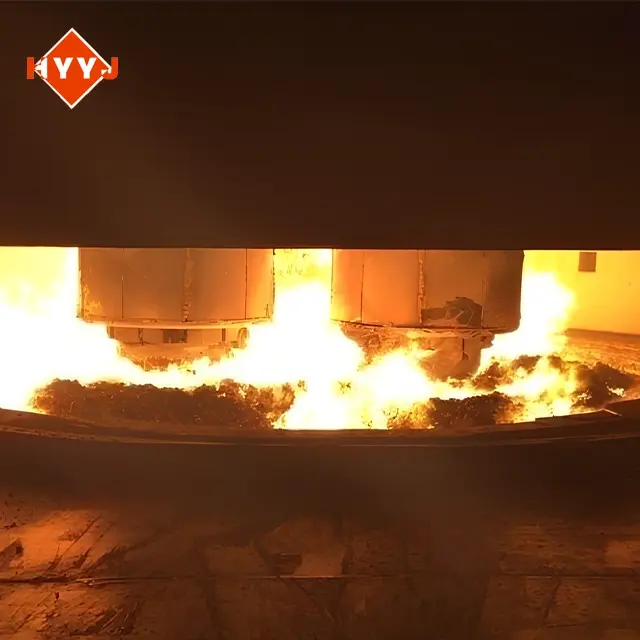
Key Factors Contributing to Energy Efficiency in High-Carbon Ferromanganese Furnaces
To get a better energy economy, you need to combine new technologies in electrical systems, process control, and materials engineering. Each part does its own thing to keep energy waste to a minimum and productivity to a maximum.
Electrode Control Systems and Electrical Optimisation
The electrode system is the main way that energy is delivered to the cells. Advanced control technology constantly changes the position of the electrodes to keep the arc length and current spread at their best. In some setups, exact mechanisms for electrode slipping react within milliseconds to changes in the load level. This stops arc instability, which loses energy and damages equipment, before it happens.
Modern High Carbon Ferromanganese Furnaces work with low voltage and high current. Typical voltages are 150 to 300 volts, and currents can hit 60,000 to 100,000 amperes. This setup keeps the energy supply focused on the reaction zone instead of spreading it out over longer electrical lines. High-quality pre-baked graphite electrodes or self-baking Söderberg electrodes reduce contact resistance, which lowers energy loss at connection points.
Another important factor is meeting the transformer's ability. When transformers are the right size (between 9 MVA and 85 MVA, based on the production scale), they provide stable power while also being able to handle the changing loads that come with buried arc operations. Devices for power factor correction ensure that energy is used efficiently, which lowers demand charges and improves the general economics of the plant.
Refractory Engineering and Thermal Management
The furnace cover maintains liquid material at high temperatures and prevents heat loss. Conductive carbon-based refractories aid hearth reduction. They increase heating efficiency and defend against basic slag chemical attacks. The sidewalls are insulated with alumina-magnesia bricks without damaging the building.
Workers can detect liner wear hotspots with thermal imaging before a severe breakdown. This planning prevents unexpected shutdowns that waste energy on cooling and heating. Quality refractory systems can now last 18–24 months without relining and maintain heat performance during long manufacturing runs.
Shell carefully designs its water-cooling systems. Cooling prevents steel shell breakage, but excessive water flow wastes heat. Optimised cooling circuits keep equipment safe without overcooling it with calculated flow rates and temperature tracking. More energy stays in the working response zones.
Intelligent Process Monitoring and Automation
Real-time data analytics revolutionised furnaces. Sensors monitor load level, electrode current distribution, off-gas temperature and makeup, and shell temperature profiles in the boiler. Advanced algorithms evaluate these data streams to find efficiency improvements that people may miss.
Automatic burden charging systems prevent irregular material flow. Intelligent systems adjust reductants and flux to maintain the optimal slag chemistry and reduction rates when raw material composition varies, which happens often with natural ores.
Energy management systems can plan high-power operations for low-cost periods, as when the heating is off. Smart load movement can reduce energy expenses by 10–15% without reducing heater performance. These technologies have helped steel factories reduce energy use while maintaining or increasing production.
Comparative Analysis of Furnace Types for Energy Efficiency
Different types of furnaces work differently when it comes to energy efficiency. When buying, teams know about these differences, they can choose equipment that fits their output needs and budgets.
Submerged Arc Furnace Performance
Submerged arc furnaces are the most frequent ferromanganese-making method since they consume less energy. Closed designs provide 80–85% thermal efficiency, whereas current systems recover all off-gas energy to achieve 90–95%. Energy use ranges from 2,200 to 2,800 kWh per tonne of metal, depending on the ore and procedure.
The stable, buried arc creates stable reaction conditions, reducing energy loss with temperature changes. Continuous tapping maintains the steady-state temperature, avoiding group processing energy losses. Gas-cleaning systems collect dust levels of 5-10 mg/Nm³. It allows clean burning for energy recovery without violating environmental laws.
Shaanxi Heyuanxin Metallurgical Electric Furnace Equipment Co., Ltd.'s High Carbon Ferromanganese Furnaces demonstrate these efficiency standards. Our 6300kVA to 72000kVA equipment utilises up to 95% less energy while producing. This process enables clean burning for energy recovery while complying with environmental laws. It satisfies ASTM A99 and ISO 5446 quality standards.
Electric Arc Furnace Considerations
Traditional electric arc furnaces are flexible, but they aren't excellent at making ferromanganese continuously. Radiation and turbulent heat movement cause open arc designs to lose a lot of energy. Specific energy use often goes over 3,000 kWh per tonne, and heat efficiency can only reach 60–70% without major changes.
Arc furnaces are useful for factories that make many different alloys or for making smaller amounts of something. In batch mode, they can quickly switch between products, but this method gives them more freedom at the cost of using more energy during heating and cooling processes. Due to oxidation in the open air, electrode usage rates tend to be higher, which raises operating costs.
Return on Investment Analysis
When purchasing an energy-efficient furnace, procurement workers need to consider both the initial cost and the savings they will make over time. Advanced submerged arc systems usually cost 20 to 30 per cent more at first than simple setups, but they save a lot of money over time.
Changing the specific energy usage per tonne from 3,000 to 2,400 kWh could save a plant that makes 50,000 tonnes per year about $2 to 3 million in electricity costs, assuming that the cost of electricity is $0.08 to $0.10 per kWh. More money is saved because fewer electrodes are used, less upkeep is needed, and the product output is higher. Most systems pay for themselves in two to four years, and the cost savings continue for many years after that because the equipment lasts longer than fifteen to twenty years.
Compliance with environmental laws is another ROI factor. When furnaces are energy-efficient, they produce fewer emissions per tonne of production. This could help companies avoid paying carbon taxes and get ready for future rules. Modern furnace technology makes it easier for facilities that want to get ISO 14001 environmental approval to keep up with regulations and lower their total carbon footprint.
Practical Strategies for Maximising Energy Efficiency in Furnace Operation
The maximum efficiency level is set by the equipment, but the real performance is determined by how it is used. The most value can be gotten from High Carbon Ferromanganese Furnace purchases by using systematic optimisation methods.
Temperature Control and Process Optimisation
Keeping the boiler temperature constant prevents energy loss. Operators should monitor tap temperatures for high-carbon ferromanganese, which are normally 1,450°C to 1,520°C. They should also adjust the power supply to reduce superheat and segregate slag and metal. High temperatures consume energy and wear refractories faster.
Using recovered off-gas for burden preheating improves thermal performance. The kiln needs less electricity when manganese rock and reductants are heated at 400–600°C instead of room temperature. This procedure alone can save 200 to 400 kWh per tonne, saving a lot of money during a year's production.
Slag management affects energy efficiency. Working in controlled basicity ranges (CaO/SiO₂ ratio 1.2-1.4) enhances reduction rates and minimises slag. Less slag means less energy is squandered boiling and melting useless material. Fluxless operation, which uses manganese-rich waste to make silicomanganese, enhances manganese recovery across the system and reduces energy use per unit of final product.
Maintenance Practices for Sustained Performance
Scheduled preventative maintenance keeps gadgets energy-efficient throughout their lifespan. Electrode contact clamps are electrically and thermally stressed. Arcing damage or water flow restrictions are found weekly to maintain existing transfer efficiency. If used hard, high-quality copper-forged clamps should be replaced every 12–24 months. This decreases energy loss by lowering link resistance.
Thermal imaging and inspection holes regularly detect wear tendencies in the refractory. Targeted refractory repairs during planned production breaks are cheaper than emergency shutdowns and keep heat in by maintaining shell insulation. Sites should keep detailed records of their refractory performance to see long-term wear patterns and find the optimal lining designs for their slag chemistry and temperature profiles.
Transformers and electricity systems need maintenance. Every year, thermographic studies discover energy-wasting issues, including weak connections, old insulation, and inefficient cooling systems. Power quality monitoring finds harmonic distortions or phase mismatches that reduce transformer efficiency and elevate working temperatures. Capacitors or active adjustment devices keep the power factor over 0.90 in the energy distribution system, minimising reactive power losses.
Environmental Compliance and Sustainability Integration
In modern metallurgical processes, using less energy and being good to the earth work hand in hand. By collecting and cleaning off-gas, unwanted emissions are removed, and the energy value is returned. Facilities that use full gas collection systems lower particulate pollution to below 10 mg/Nm³, which is well below EPA limits. They also recover 150 to 300 kWh of energy for every tonne of alloy they make.
Getting rid of carbon emissions is becoming more and more important in purchasing decisions. Furnaces that use 20 to 25 per cent less electricity to produce the same amount of heat cut CO₂ emissions from power production by the same amount. This measure is especially important in places that are switching to renewable energy sources, because lower overall usage means less damage to the environment.
Recycling water in cooling systems cuts down on wastewater outflow and pumping energy. Closed-loop cooling systems with heat exchanges keep equipment safe while using 70–80% less water than designs that only cool once. This method solves the problem of not having enough water in many commercial areas while also lowering energy costs and making it easier to follow environmental rules.

Selecting and Procuring an Energy-Efficient High-Carbon Ferromanganese Furnace
Picking the correct High Carbon Ferromanganese Furnace source is very important for long-term business success. To make sure that the total cost of ownership is as low as possible, procurement choices need to take into account more than just the initial buy price.
Supplier Evaluation Criteria
Reputation and practical knowledge are major supplier evaluation factors. Companies that specialise in metallurgical furnaces know the nuances of manufacturing ferromanganese that common tool makers may miss. We've solved real-world difficulties with global production facilities and invested in R&D to gain expertise. Over 11 years, we've served the global steel and alloy industry.
Leading vendors employ technology differently from commodity enterprises. Modern electrode control systems, slag management methods, and unique refractory designs boost performance. Our advanced tracking and control technologies ensure exact operations, and the modular design streamlines installation and allows for future capacity development without rebuilding the structure.
Quality standards and certification ensure supplier qualification. ISO 9001 quality management ensures consistent production processes, while ISO 14001 environmental certification confirms the company's commitment to environmental sustainability. Occupational health management systems and 3A credit firm status are among our certifications. Procurement teams trust our operations' honesty and financial stability.
Customisation and Technical Support
Standardised tools may not suit a job's needs. Leading providers may change the electrical system size, create refractories for local raw materials, and integrate automation with plant control systems. Our team provides design, installation, testing, and technical support to ensure the equipment works properly in your context.
Quick service responses maintain production consistency. Unexpected equipment failures during nonstop operations cost thousands of dollars an hour in lost productivity and energy. Our 24-hour on-site service promise reduces downtime, and our global distribution and full-process logistics support deliver replacement parts to any plant swiftly.
Plant workers learn operating skills via training. How well operators read process conditions and make changes affects energy economics. If your team are trained to start up, monitor normal function, correct problems, and do preventative maintenance, their equipment purchase will be most effective.
Investment Considerations and Procurement Process
To balance the costs of capital with the benefits of speed, you need to do an organised financial analysis. To figure out the total cost of ownership, you need to know how much energy will cost over the equipment's 15–20-year life cycle, how much electrode and refractory will be used, how much repair work will be needed, and how much production you expect. Even though they cost more at first, designs that use less energy often pay for themselves over time through practical savings that grow every year.
Options for financing and payment terms affect the viability of a project, especially those that aim to increase capacity. Staged payment arrangements are common among sellers. A deposit is required when the order is placed, payments are made as the product is manufactured, and the final payment is due after the product has been successfully commissioned. This method spreads out the cash flow needs and protects the buyer's interests by checking the work before final payment.
Warranty support and service agreements after the sale lower the risk. Full guarantees that cover the main parts (transformers, electrode systems, and structure elements) for 12 to 24 months keep things from breaking down too soon. After the initial warranty time is over, extended service agreements that include regular checks, efficiency optimisation advice, and priority access to parts continue to provide value.
Conclusion
When making high-carbon ferromanganese, smart process control, modern technology, and excellent operating practices make it possible to use less energy. Modern submerged arc furnaces work very well thanks to automated electrodes, new temperature control technologies, and full off-gas energy recovery. Specific energy usage below 2,500 kWh per tonne, along with 95% thermal efficiency, changes the economy of production and helps reach environmental sustainability goals. Partnering with experienced providers that offer tried-and-true technology, full support services, and real customisation options that match equipment specs to specific site needs and production goals is key to successful procurement.
FAQ
What specific energy consumption should we expect from a modern High Carbon Ferromanganese Furnace?
Modern submerged arc furnaces use between 2,200 and 3,000 kWh of energy per tonne of metal. This is called specific energy usage (SEC). The actual performance relies on the type of manganese rock used, how well the charge is heated up, how the slag is managed, and how the furnace is designed as a whole. Advanced systems that fully recover the energy from off-gas can get SEC values near the lower end of this range. This is much cheaper than older methods that use 3,200 to 3,500 kWh per tonne.
Can we upgrade existing furnaces to improve energy efficiency?
Many systems that are already in place can be made more efficient without having to buy all new equipment. Upgrading refractory designs, adding off-gas capture equipment, retrofitting advanced electrode control systems, and putting in place intelligent tracking systems can all cut energy use by 15 to 20%. How feasible and cost-effective it is depends on how the boiler is set up now, how old it is, and how good it is. We suggest thorough technical assessments to find specific chances and create personalised upgrade plans that give your building the best return on investment.
How do advanced control systems contribute to energy savings?
Based on data taken in real time, intelligent control systems are always finding the best places for electrodes, power input, and load charging. These systems act faster and more regularly than human operation. They keep temperatures stable so that changes in temperature don't waste energy. Automated systems can also find ways to be more efficient by analysing data and offering changes to operations that use less energy while keeping or even increasing production rates and product quality.
Partner with Shaanxi Heyuan for Superior Ferromanganese Production Solutions
Choosing the right High Carbon Ferromanganese Furnace maker is the first step to improving your ability to make alloys. Shaanxi Heyuanxin Metallurgical Electric Furnace Equipment Co., Ltd. has been in business for more than 11 years and has over ten utility model patents and ten computer software copyrights. Up to 95% of the energy used by our modern boilers is saved, and they can produce anywhere from 20 to 200 tonnes of goods every day, depending on your needs. We offer full turnkey solutions, from planning to completion, along with fast service response around the world 24 hours a day. You can email our engineering team at sxhyyj606@163.com or visit hyyjfurnace-supply.com to talk about how our cutting-edge electrode control systems and smart tracking technology can help you save money on energy costs, make your products better, and follow environmental rules.
References
1. Olsen, S.E., Tangstad, M., and Lindstad, T. (2007). Production of Manganese Ferroalloys. Trondheim: Tapir Academic Press.
2. Gasik, M. (2013). Handbook of Ferroalloys: Theory and Technology. Oxford: Butterworth-Heinemann Publishing.
3. International Manganese Institute. (2019). Energy Efficiency in Ferromanganese Production: Best Practices and Technological Advances. Paris: IMnI Technical Report Series.
4. American Society for Testing and Materials. (2020). ASTM A99: Standard Specification for Ferromanganese. West Conshohocken: ASTM International.
5. Seetharaman, S., McLean, A., Guthrie, R., and Sridhar, S. (2014). Treatise on Process Metallurgy: Industrial Processes. Oxford: Elsevier Publishing.
6. United States Environmental Protection Agency. (2021). Available and Emerging Technologies for Reducing Greenhouse Gas Emissions in the Iron and Steel Industry. Washington: EPA Climate Change Division Report.


YOU MAY LIKE