
Positive Pressure Dust Collector Maintenance Tips for Long-Term Use?
July 13, 2026
To keep a Positive Pressure Dust Collector working well, you need to know how it's put together. The fan is upstream and forces dusty air through the filter media under pressure. In this setup, you must carefully maintain the fan impellers, housing seals, and filter elements. Regular checks of pressure differences, replacing filters with PTFE membranes at the right time, and mechanical care of moving parts keep expensive breaks to a minimum and guarantee that the equipment's filtering efficiency stays above 99.9% for its entire working life.
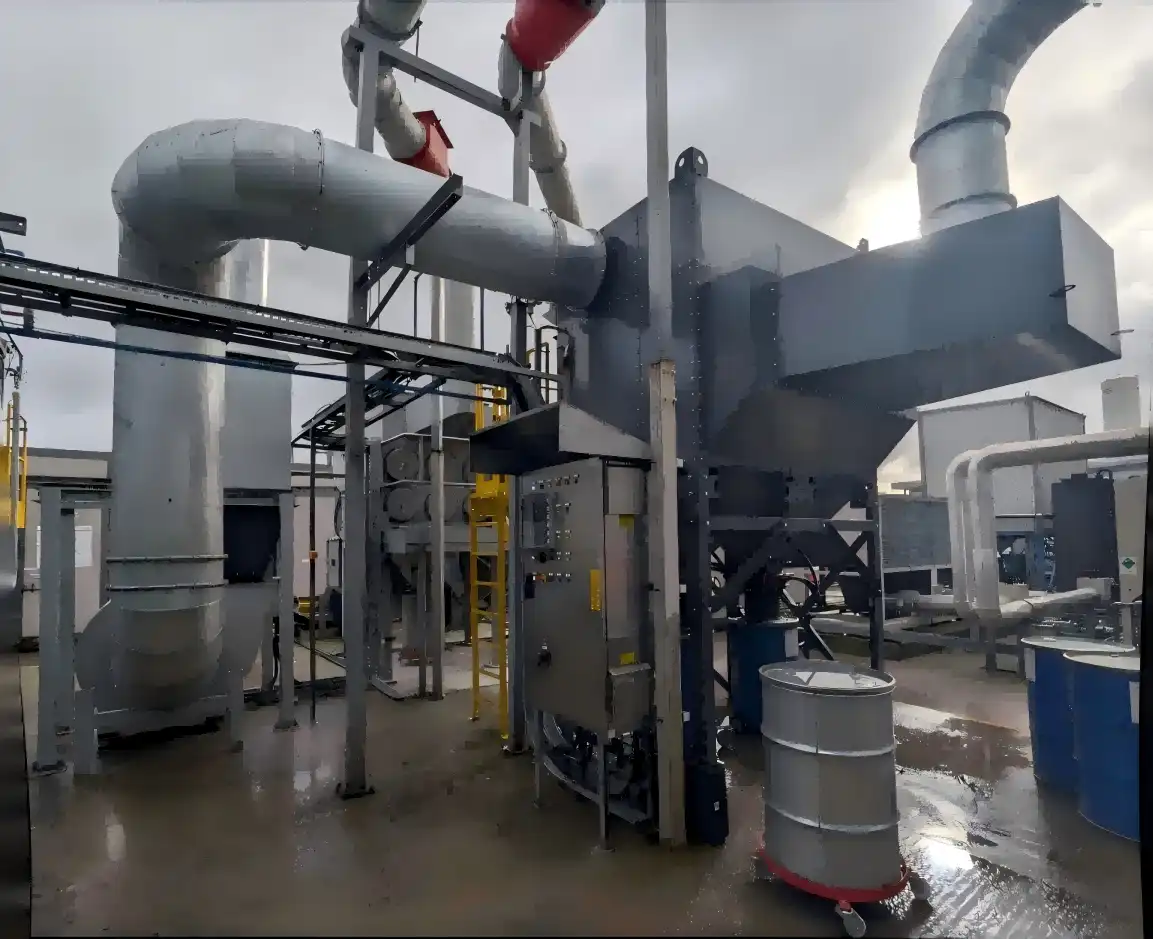
Understanding Positive Pressure Dust Collectors for Optimal Maintenance
The Core Architecture Behind Positive Pressure Systems
Dust catchers are essential in metallurgy to remove particles from electric arc furnaces and ladle processes. Dust collectors under positive pressure differ greatly from those under negative pressure. A fan or blower in front of the filter chamber pushes filthy air through the media instead of pushing it through. The building operates under higher pressure than atmospheric, changing structural and maintenance needs.
Shaanxi Heyuanxin Metallurgical Electric Furnace Equipment Co., Ltd.'s systems address steel mill dust issues. The compact structure collects electric furnace dust well, but it stresses the fan elements mechanically. Knowing this trade-off helps maintenance staff check wear-faster areas.
Key Components Requiring Regular Attention
Repairs require three primary considerations. Unfiltered air directly affects the turbine, wearing it down with abrasive particles. Any housing seal breakage releases fugitive emissions into the air instead of drawing them in. Filter media, mainly PTFE membranes, gather dust cake under different pressures than hoover collectors.
They need each other to work. When the filter media is full, the system pressure rises. This makes the fan work harder, accelerating rotor wear. Understanding these relationships allows maintenance to progress from repairing problems after they happen to planning for future problems and extending equipment life.
How Airflow Dynamics Influence Maintenance Strategies
The way your dust collection device works can be seen in the pressure differences. Our tools have PLC tablet controls that keep an eye on pressure drops in the water gauge, which are standard and range from 1 to 6 inches. When numbers go above the design limits, it means that the filter is saturated or there are breathing restrictions that need to be fixed right away.
The setting with positive pressure brings its own problems. In negative systems, small leaks close themselves up through suction. But in positive setups, dust is pushed through any weak spots in gaskets or seams that are welded. As part of routine maintenance, leaks must be carefully found, especially around access doors, filter compartments, and hopper connections, where dust can escape and harm the quality of the air in the workplace and the rules that must be followed.
Essential Maintenance Tips to Prolong Your Positive Pressure Dust Collector's Life
Establishing Routine Inspection Protocols
Good repair begins with scheduled checkups based on operation volume. Weekly eye checks in continuous-shift metallurgical businesses detect new issues before they worsen. Check the fan housings for abnormal shaking patterns, listen for bearing noise changes and make sure all Positive Pressure Dust Collector access doors are sealed throughout these walkthroughs.
Monthly thorough examinations should record filter, hopper, and rotary valve conditions. Our systems can withstand 1,000 to 100,000 CFM, so dust buildup depends on when things need to be done. Busy steel mills need more frequent inspections than intermittent mills.
Maintenance teams benefit from standardised fan motor amperage, filter pressure drop, and discharge conveyor function plans. These performance baselines reveal a steady decrease that isn't visible at first glance. Documentation helps you decide whether it's cheaper to replace a part than to fix it.
Filter Media Management and Replacement Best Practices
Filter replacement is the most typical positive-pressure collector maintenance. PTFE membrane technology captures particles as fine as 0.3 microns, yet dust cakes build up and hinder movement. Abrasiveness and moisture content of electric boiler fumes vary from industry fumes; therefore, when to replace something depends on the dust.
Examine the tube sheet for damage and test the cleaning tools before installing new filter elements. Handle bag-style filters carefully to avoid tears when installing them. Cartridge filters need a gasket fitting to prevent unfiltered air from passing through the media. Maintenance may be done during production downtime without protracted shutdowns thanks to our flexible architecture.
Find replacement filters with the same characteristics. Cheaper aftermarket solutions may use lower-quality materials that fail too rapidly under positive pressure. Too many replacements and output delays erase savings. To ensure equipment compatibility and longevity, we have a comprehensive choice of spare parts.
Mechanical Component Care and Lubrication Schedules
In positive-pressure situations where they constantly deal with dusty air, fan bearings are put under a lot of stress. Follow the bearing manufacturer's advice for lubrication plans. For heavy-duty metallurgical settings, this is usually done every 2,000 to 3,000 hours of operation. Over-lubrication is just as bad as not lubricating enough; it can cause seal failure and pollution risks.
To check for impeller wear, the fan has to be taken apart every so often. Check for wear patterns on the leading ends of the blades, loss of thickness, and loss of balance. Our designs that tilt backwards are less likely to wear out than radial blade shapes, but the rough electric furnace dust still does damage over thousands of hours of use. Minor erosion can be fixed through planned maintenance, which keeps major failures from happening during production runs.
Drive parts like belts, couplings, and motor bolts need to be checked every three months as part of routine maintenance. Belt strain changes how well power is transferred and how much the motor is loaded. When bolts aren't tight, they cause vibrations that go through the whole system and speed up wear on many parts at once. When these seemingly small details are ignored, they add up to big problems with stability.
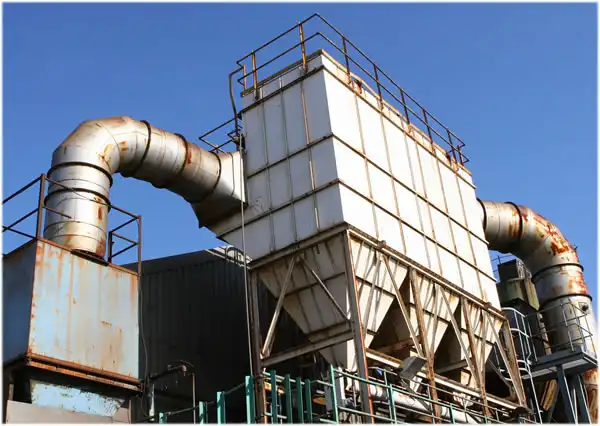
Troubleshooting Common Issues in Positive Pressure Dust Collectors
Diagnosing Pressure Drop Abnormalities
Unexpected filter system pressure increases indicate problems that need immediate diagnosis. Slow rises over weeks indicate normal filter loading, but abrupt spikes indicate trouble. Most problems are caused by clogged filters; however, restrictions down the line, damaged media, or airflow problems in the Positive Pressure Dust Collector ducting can also cause issues.
Compare the present differential pressure to startup or maintenance readings to find out what's wrong. If the surge is due to manufacturing plan modifications, the extra dust may require more frequent cleaning. Pressure spikes unrelated to production signal mechanical concerns like stuck cleaning valves or crumpled filter bags that obstruct airflow.
Our sophisticated pressure control systems monitor things in real time and spot issues before they escalate. Operators receive alerts for abnormal parameters. They can act during scheduled repair windows instead of shutting down the system in an emergency. This proactive approach reduces reactive repair plan production delays.
Addressing Leaks and Emissions Problems
If you can see dust coming out of the housing seams or access panels, that means the seal is failing and needs to be fixed right away. Because of the positive pressure setup, any structural weakness can become a release point. This could cause problems with regulatory compliance in addition to equipment performance issues. Use smoke tests or infrared images to find leak sources while the machine is running, and mark trouble areas so they can be fixed when the machine is shut down.
Temperature changes and mechanical stress can break down a gasket naturally. Replacement during yearly maintenance stops problems from getting worse and turning into emergencies. Pay close attention to rotary valve seals because they are more likely to wear out than static seals, as they are exposed to gritty dust and mechanical motion. Our housing choices made of carbon steel and stainless steel have designed gasket channels that make replacement easier and extend the life of the seal.
Resolving Mechanical Noise and Vibration Concerns
When dust accumulates, hopper discharge issues can appear as leaks. Please ensure that the rotating airlock valve clearances and speeds are set correctly. Bridging in hoppers creates backpressure that pushes fumes unintentionally. During repair breaks, clear the hoppers to avoid accumulation.
Technical difficulties may arise if your dust collector makes odd noises. Bearings grind or squeal as they wear out, getting louder. Because impeller erosion unbalances the fan, it vibrates at spinning frequencies. If loose parts rattle while the machine runs, please address the fixing of the hardware.
Set vibration baselines with portable analysers during operation. Periodic tests reveal alterations that aren't visible or felt until the damage is severe. Bearing frequencies, blade pass signals, and structure resonances provide diagnostic clues. This analysis method prioritises actual concerns over random part replacement based on hours consumed.
Fixing vibrations immediately prevents failures from spreading. Unbalanced fans stress bearings, misalign connections, and break welds through cyclic loads. Comprehensive vibration analysis programmes are affordable compared to significant failures that destroy many parts and halt production.
Comparing Positive Pressure Dust Collectors With Alternatives: Making the Right Choice
Design Differences Between Pressure Configurations
Before choosing between positive and negative pressure systems, learn how to install, run, and maintain them. Even if a seal fails, negative pressure collectors produce a vacuum that traps dust inside. Positive Pressure Dust Collector systems push air through media, requiring lighter building materials but superior seal integrity to prevent rogue emissions.
Positive pressure units are cheaper and easier to build, making them preferable for outdoor mining with non-toxic dusts. Tools are lighter than vacuum-rated vessels due to their 12–14 gauge steel construction. Despite the upfront cost, firms that must control harmful particles should use negative pressure methods.
Different setups use energy differently. Positive pressure systems benefit from less ducting friction loss after filters on clean air. Negative collectors accelerate dust through ducts, requiring greater fan power. You must compare the initial cost of the tools to energy and maintenance expenditures over several years to calculate the total cost of ownership.
Matching Collector Features to Application Requirements
Dust characteristics determine the approach more than anything else. Heat-resistant media and building materials are needed for usage above 400°F. Heat or insulate high-moisture gases to prevent mist from blocking filters. Negative pressure setups with clean air enhance fan life since abrasive dusts wear down parts faster.
Our research team evaluates each application individually, including output quantities, particle size distributions, and regulations. A construction shop that only works occasionally produces less dust than a 500-tonne-per-day steel mill. Right-sizing tools prevents cash overspending and capacity shortages, which can impair performance.
OSHA, EPA, and international regulations affect tool specifications. varying industries and localities have varying safety, pollution, and workplace air quality requirements. We use ISO 9001, ISO 14001, and OHSAS 18001-certified design, production, and documenting techniques to ensure our dust-collecting systems comply with all regulations.
Key Safety Features and Compliance Guidelines for Positive Pressure Dust Collectors
Protecting Personnel During Operation and Maintenance
Safety at work goes beyond air quality. It also covers repair workers' hazards. Lockout-tagout prevents equipment from starting accidentally during internal checks. Air loss and dust collection make filter sections and hoppers unsafe; hence, there are guidelines. Even with the Positive Pressure Dust Collector functioning, replacing filters requires respirators.
Burnable dust is an issue when working with metal. Metal fines in electric boiler dust might catch fire, requiring explosive venting and separation. Positive pressure can spread internal fires quickly, so be careful. NFPA 68-compliant blast vents exist in our systems. This protects the structure against dust ignition.
Repair crews that understand the risks associated with certain equipment adhere to safety rules. Standard dust collector training doesn't include positive pressure devices, where failing seals pose emission concerns not present in negative pressure units. We provide experienced assistance, including designing safety protocols tailored to your facility's operations and regulations.
Regulatory Compliance Through Proactive Maintenance
Environmental laws see equipment used to collect dust as pollution control equipment that needs to be licensed and have its performance checked. Opacity limits, particulate pollution rates, and exposure guidelines for the workplace all depend on how well systems are maintained. When equipment isn't taken care of, it fails safety tests, which can lead to fines or orders to stop production.
During government checks, documentation is very important. Keep detailed records of all the mechanical upkeep, pressure tracking, and filter replacements that you do. These records show that people tried their best to use the equipment the way it was meant to be used, which often affects how enforcement decisions are made when small compliance changes happen. Because they automatically log data and show trends, our PLC control systems make paperwork easier.
The new standard for collecting industrial dust is sensor-based tracking and predictive maintenance systems. IoT-enabled systems give you access to real-time performance data from afar, so you can plan repairs based on how the equipment is actually working instead of just following a routine. By investing in these changes during regular maintenance, facilities can get ahead of stricter government rules while also making operations more reliable.
Conclusion
A deep understanding of how Positive Pressure Dust Collectors work is needed to keep them in good shape. The placement of the upstream fan, the pressurised living environment, and the way leaks move outward mean that different repair methods are needed than those that use negative pressure. Regular checks, following strict rules for replacing filters, and taking care of mechanical parts all add years to the life of equipment and keep it filtering efficiently. Fixing systemic problems like odd pressure, emission issues, and shaking issues stops small maintenance mistakes from turning into expensive production delays. It is important to know when positive pressure setups are better for your metallurgical application than other options. This will help you choose the right tools. When you combine these technical maintenance methods with strict safety rules and legal requirements, you get reliable dust collection that protects both the quality of the air in the workplace and your business's ability to make money over many years of service.
FAQ
What makes positive pressure dust collectors different from standard filtration systems?
The main difference is where the fans are placed. In Positive Pressure Dust Collector units, the fan is placed upstream, and dirty air is pushed through filters under pressure. Negative pressure systems, on the other hand, pull air through media to make an internal vacuum. The positive design makes it possible to build lighter housings, but the seals must be very strong because leaks send dust outward instead of drawing clean air in. This design works well for non-toxic dust uses where containment is easy to handle. It also saves money for outdoor installs.
How often should filter media be replaced in metallurgical applications?
How often they need replacing depends on the amount and type of dust and how long they are used. Electric furnace dust filters should be replaced every 12 to 18 months with continuous use, but monitoring pressure differentials provides a more accurate indication of when to change them. When the pressure drops below 6 inches on the water gauge, even after cleaning processes, the pump needs to be replaced. In metallurgical settings with a lot of dust, filters may need to be changed more often, but processes that happen only sometimes can make filters last a lot longer.
Can positive pressure collectors handle combustible dust safely?
They can, but they have to follow important safety rules. Systems that handle flammable dusts need explosion venting that meets NFPA 68 standards, isolation valves that stop flames from spreading, and close attention to areas around equipment that aren't allowed to be in contact with it. When there is positive pressure, internal deflagrations can quickly push fires outward, which can cause problems. To lower the risk of combustible dust in industrial applications, our engineering team uses the right safety measures, such as grounding, spark monitoring, and placing vents in the right place.
What maintenance records should facilities keep for regulatory compliance?
Records should include filter replacement dates, corresponding pressure readings, fan bearing and drive component check logs, cleaning cycle frequencies, emissions tracking results, and any repairs or upgrades. Automated data logging through PLC systems makes keeping records easier and shows that operations are always following the rules. These records are very helpful during EPA or OSHA checks because they show that the equipment is maintained within allowed limits.
Partner With a Trusted Positive Pressure Dust Collector Manufacturer
Shaanxi Heyuan New Metallurgical Electric Furnace Equipment Co., Ltd. brings specialised expertise to dust collection challenges facing metallurgical plants and steel mills worldwide. Our Positive Pressure Dust Collector systems use modern PTFE membrane technology to handle airflows from 1,000 to 100,000 CFM and achieve a filtration rate of over 99.9%. We offer unique solutions that meet OSHA, EPA, and foreign safety standards. Our team has more than twenty patents and software copyrights, and more than ten years of experience in metallurgical research and development. Get in touch with our expert team at sxhyyj606@163.com to talk about how our strong, energy-efficient designs can help you save money on costs while keeping production going in tough industrial settings. You can look at our full line of dust cleaning equipment for electric arc furnaces, ladle furnaces and mining operations at hyyjfurnace-supply.com. We are a dependable provider dedicated to delivering total solutions with full expert support.
References
1. American Conference of Governmental Industrial Hygienists. (2019). Industrial Ventilation: A Manual of Recommended Practice for Design, 30th Edition. Cincinnati: ACGIH Publications.
2. National Fire Protection Association. (2018). NFPA 68: Standard on Explosion Protection by Deflagration Venting. Quincy: NFPA.
3. Occupational Safety and Health Administration. (2021). Combustible Dust in Industry: Preventing and Mitigating the Effects of Fire and Explosions. Washington: U.S. Department of Labour.
4. Cooper, C.D. & Alley, F.C. (2020). Air Pollution Control: A Design Approach, 5th Edition. Long Grove: Waveland Press.
5. Industrial Ventilation Systems Engineering Team. (2017). Maintenance Best Practices for Industrial Dust Collection Systems. Journal of Environmental Engineering and Management, 27(4), 312-328.
6. Metallurgical Plant Operations Research Institute. (2022). Dust Control Technologies in Steel Manufacturing: Performance Analysis and Optimisation Strategies. International Journal of Metallurgical Engineering, 11(2), 145-167.


YOU MAY LIKE