
Why Choose a High Carbon Ferrochrome Furnace for Production?
October 21, 2026
When your facility needs a dependable source of chromium units for stainless steel or high-alloy applications, the high carbon ferrochrome furnace stands out as the most direct and cost-effective production route. Unlike general-purpose electric furnaces, this specialized submerged arc furnace performs carbothermic reduction of chromite ore at temperatures between 1900°C and 2100°C, delivering chrome content ≥60% and carbon ≥8%. For procurement managers weighing capital investment against long-term output reliability, choosing the right ferrochrome furnace determines both product quality and operating margins across every production cycle.
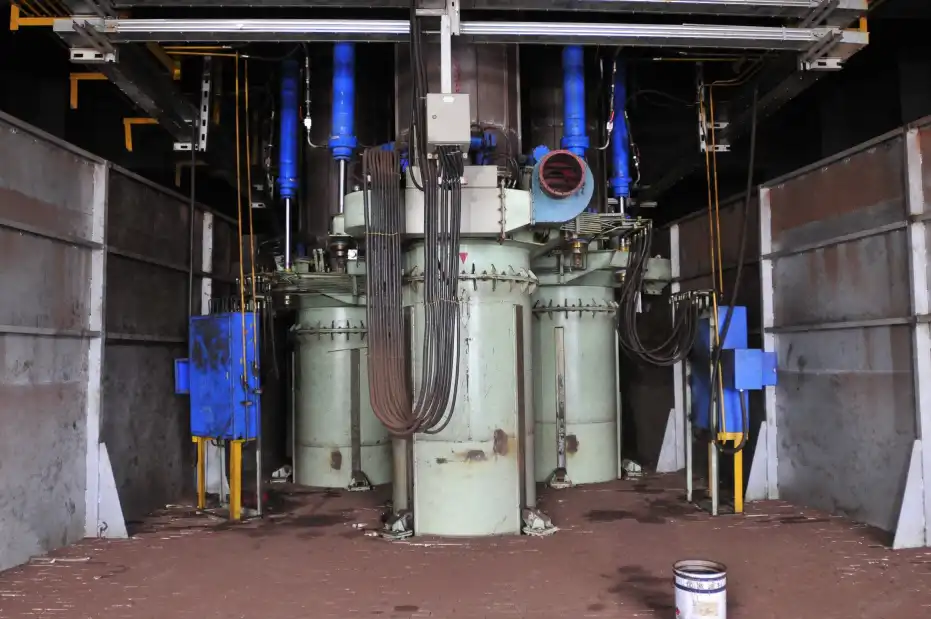
Understanding High Carbon Ferrochrome Furnaces
A high carbon ferrochrome furnace is a submerged arc furnace (SAF) purpose-built for smelting chromite ore into ferrochrome alloy. Its operating logic differs from standard electric arc furnaces because the electrodes remain buried within the charge mix, generating resistance heat rather than arc heat at the surface.
Core Operating Parameters
Heyuanxin's ferrochrome furnace operates at 1900°C–2100°C, well above the threshold needed for complete chromite reduction. Transformer capacity ranges from 25 MVA to 80 MVA and can be configured to match your exact production scale. These parameters are not estimates — they reflect real equipment specifications validated across multiple industrial installations.
Electrode and Refractory Design
Electrode diameter runs from 600 mm to 1,000 mm, supporting high current density (3–6 A/cm²) with an integrated holder system that reduces contact resistance. The hearth uses carbon-block lining, while magnesia bricks line the sidewalls. Together, these refractory materials withstand aggressive slag chemistry for campaign lifespans of 5–10 years before a major reline is needed.
How the Furnace Fits Your Workflow
The sealed high carbon ferrochrome furnace design captures CO-rich off-gas with a calorific value of approximately 2.5 Gcal per ton of alloy. Your plant can redirect this gas stream toward preheating raw materials or generating electricity, directly lowering net energy costs. Chromium recovery rates exceed 92%, meaning less chrome reporting to slag and more value in your tapped metal.
Benefits of Using High Carbon Ferrochrome Furnaces
It is not only a technical choice to use a ferrochrome smelting furnace instead of other tools; it is also a financial one. There are clear benefits to using the high carbon ferrochrome oven that come from the way it was built.
Here are the main benefits this equipment brings to production:
- High metal recovery: With chrome recovery exceeding 92% and chrome content ≥60% in the tapped alloy, less material is lost to slag. This reduces raw material costs per ton of finished ferrochrome and improves your margin on every heat.
- Lower emissions compliance: Advanced dust control systems keep particulate emissions at ≤10 mg/m³. The sealed furnace construction prevents chrome dust from escaping into the workplace, protecting worker health and satisfying EPA and international environmental standards without costly add-on treatment.
- Energy cost offset through gas recovery: Closed-top furnace designs capture combustible off-gas that would otherwise be flared. Feeding this gas back into plant operations can offset a significant share of the 3,000–3,500 kWh per ton of alloy typically consumed, reducing your effective energy spend.
- Extended refractory life: Carbon-based hearth linings and magnesia sidewall bricks support 5–10-year campaigns. Longer refractory life means fewer shutdowns for relines and lower annualized maintenance costs compared to furnaces with shorter campaign cycles.
These benefits help with the problems that most ferroalloy and stainless steel mills have every day, like keeping production lines going, keeping energy costs down, and meeting environmental goals. All three problems can be solved at the same time by a ferrochrome production furnace that is properly designed.
Comparing High Carbon Ferrochrome Furnaces with Alternatives
A lot of the time, procurement teams compare the high carbon ferrochrome furnace to either low-carbon ferrochrome furnaces or regular EAFs. There are clear differences between each technology that can be used in different business situations.
High Carbon vs. Low Carbon Ferrochrome Furnaces
To lower the carbon content, low-carbon ferrochrome needs an extra step of refining, usually an argon oxygen decarburization (AOD) converter. The high carbon variant, on the other hand, goes straight into high carbon ferrochrome furnace processes, where carbon oxidation produces exothermic energy that lowers the cost of fuel used to refine steel. If your plant uses AOD converters, it is cheaper to get high-carbon ferrochrome than low-carbon ferrochrome.
Ferrochrome Furnace vs. Electric Arc Furnace
It is not possible to use a regular electric arc furnace to reduce chromite ore using carbothermic change. EAFs make arc heat above the charge, which is not as good for the deep reduction chemistry needed for ferrochrome smelting. The buried arc mode of a specialized ferrochrome furnace creates a more concentrated high-temperature zone within the charge bed. This makes sure that the reaction is complete and that more metal is recovered than with an EAF that was modified to do the same job.
Cost and ROI Comparison
The exact amount of energy that a modern ferrochrome kiln needs is between 3,500 and 3,000 kWh per ton. Operations above 4,000 kWh/t usually mean that the feed wasn't prepared properly or that the electrodes weren't managed properly. On the other hand, converting a normal EAF to make ferrochrome often uses more energy than this limit and has lower recovery rates, which lowers the overall return on investment (ROI).
How to Choose the Right High Carbon Ferrochrome Furnace for Your Production Needs
To choose a ferrochrome furnace, you need to make sure that the technical specs match your production goals and that the supplier can deliver more than just the equipment.
Assess Capacity and Configuration
Figure out the transformer's grade by going backward from your yearly output goal. You can choose from 25 MVA to 80 MVA configurations from Heyuanxin. You can also change the electrode size, feed systems, and gas recovery layouts. If your plant works with chromite fines instead of lumpy rock, the feed system needs to include pre-treatment like briquetting, pelletizing, or sintering to keep the charge from getting stuck and dangerous gas explosions from happening.
Evaluate Supplier Credentials
Make sure that the company that sells you the high carbon ferrochrome furnace has the right quality certifications. Heyuanxin has more than ten application model patents and is certified by the ISO quality management system, the environmental management system, and the workplace health management system. These references show that the engineering is sound, which means that the tools on your production floor will work well.
Consider After-Sales Support
As important as the furnace itself is, so are on-site installation and commissioning, help with process optimization, and long-term support after the sale. Not having enough spare parts or badly setting up the machine can cause it to break down, which costs a lot more than any price difference between suppliers. Shaanxi Heyuan takes care of everything, from planning to commissioning and ongoing expert support.

Optimizing Production with High Carbon Ferrochrome Furnaces
Once your ferrochrome furnace is operating, performance depends on disciplined process management and attention to key operational variables.
Monitor Slag Basicity and Temperature Daily
Slag basicity — the ratio of (MgO + CaO) to SiO2 — controls metal-slag separation efficiency. Incorrect basicity causes metal entrapment in slag, raising chrome loss and eroding the refractory prematurely. Daily slag analysis and flux adjustment keep basicity in the target range and protect your recovery rate.
Protect Electrode Integrity
Electrode breaks are the most expensive unplanned downtime events in ferrochrome production. Testing electrode paste for volatile matter content, plasticity, and electrical resistivity before baking prevents structural failures. Current density should stay within the 3–6 A/cm² range to avoid overheating electrode columns.
Use Infrared Monitoring on the Furnace Shell
Continuous infrared thermography of the furnace shell detects hot spots before a refractory failure develops into a metal breakout. Identifying a localized temperature anomaly early allows your team to intervene with targeted cooling or localized repair, avoiding a full furnace shutdown.
Conclusion
The fastest and most direct way to make chrome alloy for casting, high-alloy industrial steel, and stainless steel is in a high carbon ferrochrome furnace. This ferrochrome production equipment can meet the needs of current steel mills and ferroalloy smelters. It has recovery rates above 92%, protected low-emission construction, and transformer capacities ranging from 25 MVA to 80 MVA. With Heyuanxin's certified equipment and design-to-commissioning service coverage, procurement teams can be sure that their investment will work well for a long time.
FAQ
What is the typical energy consumption for a ferrochrome smelting furnace?
Modern submerged arc furnaces made to make ferrochrome use around 3,500 to 3,000 kWh of electricity for every ton of alloy they make. Consumption above 4,000 kWh/t usually means that the raw materials weren't prepared properly or that the electrodes weren't managed properly, not that the equipment wasn't working right.
Can the furnace handle chromite fines?
For gas to flow properly through the charge bed, standard ferrochrome burners need rock that isn't smooth. Before feeding fines, they need to be pre-treated by briquetting, pelletizing, or sintering. If you skip this step, your charge could get stuck and dangerous gas could blow into the oven.
How long does the refractory lining last?
As long as the slag chemistry is managed correctly, the carbon-block hearth covering and magnesia brick sides should last between 5 and 10 years before they need to be completely redone. The length of a campaign rests a lot on how well the slag is managed and how well the temperature is controlled.
How is phosphorus controlled in the final alloy?
During burning, phosphorus can't be taken away because it belongs to the metal itself. Finding low-phosphorus chromite ore and reducing agents like coke or coal before the charge goes into the furnace is important for quality control. Dephosphorization after the furnace is scientifically possible, but it would be too expensive to do on a large scale.
Connect with Shaanxi Heyuan — Your High Carbon Ferrochrome Furnace Manufacturer
Shaanxi Heyuan has been designing and making industrial ferrochrome furnaces since 2008. They have ISO certification, several utility model patents, and a history of successfully commissioning furnaces on-site. Our team of high carbon ferrochrome furnace suppliers takes care of the whole process, from engineering design to long-term maintenance. Get in touch with us right away at sxhyyj606@163.com or visit hyyjfurnace-supply.com to talk about your production needs and get a setup quote.
References
1. Infacon XV: Proceedings of the International Ferro-Alloys Congress — SAIMM, 2018.
2. Electric Furnace Steelmaking — The Iron and Steel Society, 1985.
3. Handbook of Ferroalloys: Theory and Technology — Elsevier, 2013.
4. ISO 5448: Ferrochromium — Specifications and Test Methods — International Organization for Standardization, 2014.
5. ASTM A101: Standard Specification for Ferrochromium — ASTM International, 2019.
6. Journal of the Southern African Institute of Mining and Metallurgy: Submerged Arc Furnace Operations for Ferrochrome Production —SAIMM, Vol. 116, 2016.


YOU MAY LIKE