
How to Select a Waste Heat Power Generation Device?
October 22, 2026
Selecting the right waste heat power generation device is one of the most impactful procurement decisions an industrial plant can make. These systems capture thermal energy from flue gases, cooling water, and exhaust streams — energy that would otherwise be lost — and convert it into usable electricity. For steel mills, cement plants, glass manufacturers, and chemical processors, the right device can recover 70% or more of wasted thermal energy, cut electricity costs significantly, and support environmental compliance targets. This guide walks you through every stage of that selection process.
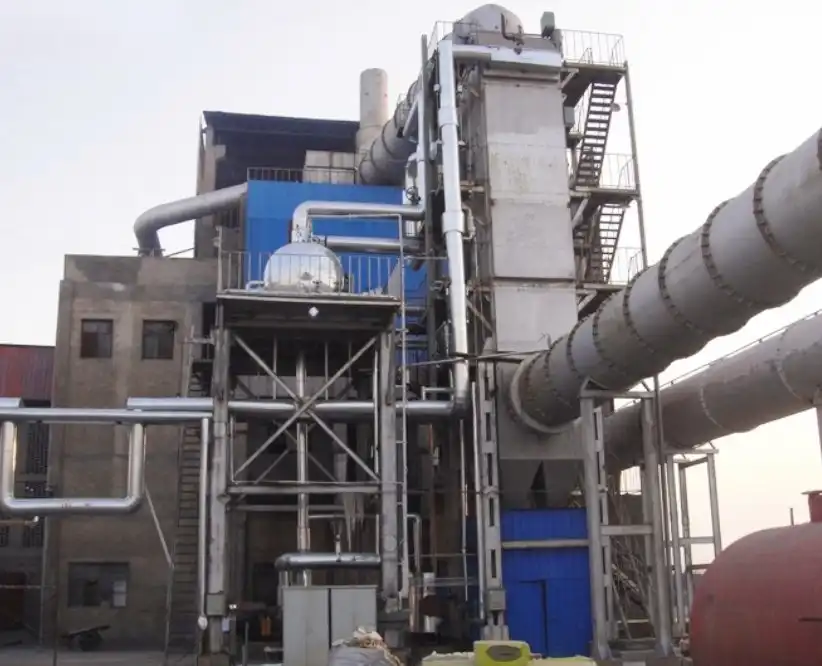

Understanding Waste Heat Power Generation Devices
How These Systems Work
A waste heat power generation device takes high-temperature process or exhaust heat and sends it through a heat exchanger, where it changes into a working fluid. That fluid turns a turbine that is connected to a generator, making electricity without using any more fuel. The system then sends the cool fluid back to the cycle, where the process starts all over again. 20–50% of the energy that goes into an industrial plant is wasted as rejected heat. This makes recovery a very valuable opportunity.
Common Technology Types
There are three main thermal processes used in business today. The Steam Rankine Cycle works well with high temperatures above 350°C and has a high level of isentropic efficiency. The Organic Rankine Cycle (ORC) works well with sources that are between 80°C and 300°C and use organic working fluids that have lower boiling points. A mix of ammonia and water is used in the Kalina Cycle to make it work better at medium temperatures. Each technology works best with a different type of heat source and plant layout.
Environmental and Financial Value
When plants use a waste heat power generation device, they usually get their money back in three to five years. For high-temperature setups, this time frame is often cut in half to three years. These systems not only save money, but they also cut down on greenhouse gas emissions and help buildings meet Scope 1 and Scope 2 carbon reduction requirements. Tougher rules are being put on industries like steel and cement, which makes heat-to-power technology more important for staying in line and making money.
Core Criteria for Selecting the Right Waste Heat Power Generation Device
Performance Metrics: Efficiency and Output
The first standard is thermal exchange efficiency, which can be anywhere from 25% to 40% based on the type of heat. It makes sense that higher intake temperatures lead to more power being released. Make sure that the rated power generation capacity matches the amount of heat that is available at your plant. Devices on the market today range from 1MW to 50MW. An effective return rate of at least 70% is what you should expect from a well-designed system.
Compatibility With Your Existing Heat Source
It's not true that every device works with every process. Which technology is used depends on the waste heat's temperature, amount, and uniformity. Electric arc furnaces and sintering lines make high-grade heat that changes all the time. To keep the output of the turbine stable, adaptive control logic is needed. In cement plants, rotary kilns make exhaust streams that are more stable. Before choosing a system, you should carefully look at the thermal resources. This should include the temperature range (200°C to 1200°C is good for steam-based systems), the flow rate, and the amount of contamination, like dust or corrosive gasses.
Reliability, Safety, and Total Cost of Ownership
People in charge of buying things should look at more than just the price. If you plan to do maintenance every 30,000 to 40,000 hours, a well-built waste heat generation unit can last for 15 years or more. Look for systems that have full safety features, automatic monitoring, and low scores for operating risk. Before sending the goods, make sure the supplier does Factory Acceptance Testing, rotor dynamic balancing to ISO 1940-1 Grade G2.5, and hydrostatic pressure testing at 1.3x–1.5x design pressure.
Comparing Waste Heat Power Generation Technologies
ORC vs. Steam Turbine Systems
The temperature of the heat source is a big factor in deciding between ORC and steam engine technology. When temperatures are above 400°C, steam turbines produce more power, and they have been used successfully in large-scale metallurgical and cement processes. ORC systems come in modular, skid-mounted designs with automatic PLC controls, which makes it easy to add them to systems that are already in place. When there are several heat sources at different temperatures in a plant, the most efficient way to use energy can be a flexible method that takes energy from several streams at the same time, such as a waste heat power generation device.
Practical Challenges Buyers Should Anticipate
The difficulty of the installation is a real factor. For heat exchangers that deal with a lot of dust, like those used in cement and sintering, soot blowing or hammering systems must be built in to keep them from getting clogged. Exhaust gasses that are corrosive need heat exchangers made of metals that can handle the chemicals in the environment, like duplex stainless steel or titanium alloy. Plan for the cost of civil work, piping integration, and connecting to the power grid when you figure out how much the whole project will cost.
Matching Technology to Your Industry
This is how choosing technologies fits into different areas:
- Steel and Metallurgy: High-grade, discontinuous heat from EAF and sintering processes requires adaptive control to handle batch cycles. Steam-based systems with variable inlet management perform well here.
- Cement Manufacturing: Consistent kiln exhaust makes this sector highly suited to steam turbine systems. Specialized dust-handling equipment is non-negotiable.
- Chemical Processing: Multiple heat streams at varying temperatures favor modular ORC configurations that capture energy at several points simultaneously.
- Glass Production: Furnace exhaust exceeding 800°C offers strong thermal potential. High-efficiency steam systems significantly reduce facility electricity consumption in this application.
The difference between a profitable placement and one that doesn't work well is matching the type of device to the real heat profile of your plant.
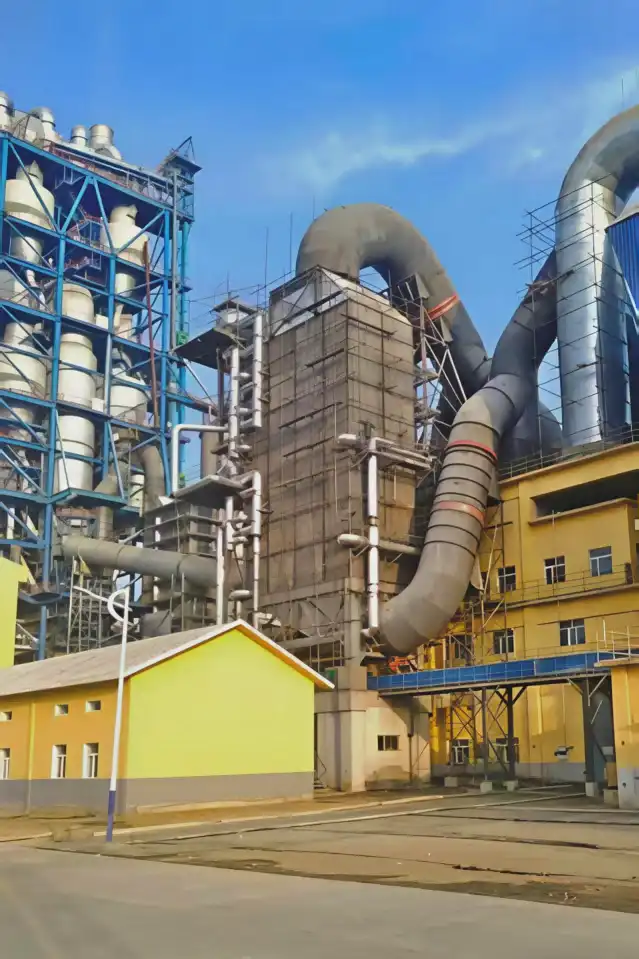
Procurement Considerations: How to Buy and Implement Your Device
Evaluating Supplier Credibility
Choose a supplier of waste heat power generation devices that has a track record of completed projects, relevant certifications, and manufacturing experience that can be checked. Base standards include ISO 9001 approval for quality management, ASME BPVC compliance, and certification for an environmental management system. Suppliers with utility model patents show a lot of knowledge in signal engineering. A team of senior thermodynamics and metallurgy experts shows that the seller can do more than just catalog goods for complicated, non-standard installs.
Installation, Commissioning, and Customization
Professional hiring is a must. Starting up a turbine incorrectly can damage its parts and lose guarantees. The best suppliers offer complete services that include evaluating resources, designing a scheme, customizing equipment, installing it, and starting it up. All of these things are included in one package. OEM customization is important for companies that don't use standard heat sources. Check lead times. Reliable manufacturers usually deliver within 15 to 45 days, but this depends on how complicated the configuration is.
After-Sales Support and Long-Term Partnership
A system for recovering heat from waste can work for many years. Give more weight to suppliers who can provide long-term technical support, planned maintenance, spare parts, and training for operators. A provider who cares about how well your plant works after it's been installed is worth more than one who offers the lowest price at first. Ask directly about the ability to watch from afar, how quickly technical problems can be fixed, and whether on-site engineering help is available.
Summary and Key Takeaways for B2B Buyers
To choose the best industrial heat recovery system, you need to make sure that the device specifications match your actual heat source profile, check the credentials of the supplier and the quality of the manufacturing, and plan for the total cost over the product's lifetime instead of just the purchase price. It is recommended that procurement managers look at scores for efficiency, temperature compatibility, safety standards, and the level of after-sales service all at the same time. Long-term relationships with technically skilled suppliers always lead to better operating results than one-time deals. If you properly set up and take care of the right device, it will produce clean electricity for at least 15 years, helping your facility reach its goals for sustainability and cost savings.
Conclusion
Choosing an industrial waste heat recovery system is an investment that will pay off in the long run. The best financial and environmental returns are always seen in plants that carefully match device specifications to their heat source profile, choose suppliers with a track record of strong engineering skills, and spend money on professional commissioning. If you run a steel mill, a cement plant, a glass factory, or a chemical processor, the right waste heat power generation device will cut costs, help you meet your emission reduction goals, and give you clean electricity for decades. First, get a clear picture of your thermal resources. Then, find a supplier who can give you the whole package.
FAQ
What is the minimum temperature for a waste heat power generation device?
Modern ORC systems can work in businesses at temperatures as low as 80°C to 90°C. Systems that use steam work best when they are above 350°C. Most industrial heat recovery systems work best between 200°C and 1200°C, which is the temperature range where steam engines work best.
What is a realistic payback period?
Most high-temperature installations in steel and cement pay for themselves in two to three years. Lower-temperature ORC systems usually pay for themselves in three to five years, though this depends on the cost of electricity in the area and how many hours the plant is run.
Can these systems retrofit onto existing plants?
Yes. Modular, skid-mounted designs are made to be used in repair situations. Before choosing equipment, it's best to do a full thermal audit of the site to make sure it can be integrated.
How do environmental regulations affect device selection?
Industries are moving toward heat-to-power technology because of stricter Scope 1 and Scope 2 pollution rules. Devices that lower a facility's use of electricity from the grid directly lower its carbon footprint and can help with regulatory compliance paperwork.
What maintenance does a waste heat recovery system require?
Every 30,000 to 40,000 operational hours, planned maintenance is usually done. Important jobs include adding more working fluid to ORC systems, checking the mechanical seals and bearings, and cleaning the heat exchangers in places with a lot of dust.
Connect With Shaanxi Heyuan — Your Trusted Waste Heat Power Generation Device Supplier
Shaanxi Heyuan New Metallurgical Electric Furnace Equipment Co., Ltd. has more than 400 skilled workers, over 11 years of experience in metallurgical engineering, and a portfolio of more than 400 furnace installations that were successfully commissioned around the world. We offer solutions for waste heat power generation devices that cover the whole project lifecycle, from figuring out the thermal resources to providing long-term O&M support. To get a personalized advice and project price right away, email our engineering team at sxhyyj606@163.com or visit hyyjfurnace-supply.com.
References
1. Quoilin, S., Van Den Broek, M., Declaye, S., Dewallef, P., & Lemort, V. — Renewable and Sustainable Energy Reviews, 2013.
2. Tchanche, B. F., Lambrinos, G., Frangoudakis, A., & Papadakis, G. — Renewable and Sustainable Energy Reviews, 2011.
3. Sprouse, C., & Depcik, C. — Applied Thermal Engineering, 2013.
4. Lion, S., Vlaskos, I., & Taccani, R. — Renewable and Sustainable Energy Reviews, 2020.
5. Wang, J., Yan, Z., Wang, M., & Dai, Y. — Energy, 2013.
6. U.S. Department of Energy, Industrial Technologies Program — Waste Heat Recovery: Technology and Opportunities in U.S. Industry, 2008.


YOU MAY LIKE