
Why Choose a High-Performance Industrial Air Sealing Valve?
October 22, 2026
Choosing the right industrial air sealing valve is one of the most consequential decisions a procurement manager or plant engineer can make. A high-performance industrial air sealing valve controls and isolates gas media—coal gas, natural gas, inert gas—inside metallurgical, chemical, and industrial heating systems. When a valve fails, pressure drops, gas escapes, and production halts. The financial and safety consequences are severe. This guide walks through every factor that matters when selecting, comparing, and sourcing an industrial air sealing valve for demanding B2B environments.
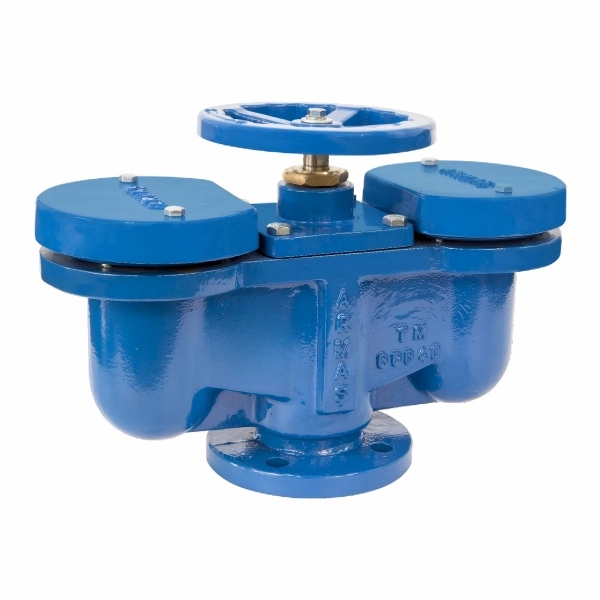
Understanding Industrial Air Sealing Valves: What, How, and Why
Before you compare products, it's helpful to know what an industrial air sealing valve does on a technical level.
What Is an Industrial Air Sealing Valve?
An industrial air closing valve is a precise control device that separates different areas of high pressure in gas systems that are under pressure. It stops gas from flowing backward, stops air from leaking, and keeps the pressure in the system fixed. In mining plants, this means making sure that coal gas or natural gas stays inside the boiler pipes and doesn't leak out into other areas of the plant.
How Does It Work?
A metal seal on both sides is used by most high-performance gas isolation valves. When the valve shuts off, controlled pressure presses two metal closing faces together, stopping any leaks. The Heyuanxin industrial air sealing valve closes all the way in less than 5 seconds. This makes it perfect for automated control systems that need to go from open to closed quickly and accurately.
Why Does Performance Level Matter?
Standard shutoff valves may work well when the pressure is low or the temperature is normal. But in a steel mill that works at 600°C and up to 4 MPa of pressure, the only gas seal valve that will work reliably over time is one that was made just for that environment and has been tested for temperature and pressure. The American Petroleum Institute (API) 598 says that valves in critical service uses must be tested for seat leakage under rating pressure. Buyers should make sure they have this paperwork before they buy.
Types and Materials: Choosing the Right Industrial Air Sealing Valve
A productive installation is different from an expensive one because it uses the right type of valve and the right mix of materials.
Valve Types for Industrial Gas Sealing
Rotating valves, slide gate valves, and poppet-style sealing valves are the three most common types used for gas isolation. When used in automated systems, rotary designs work well for continuous cycling. Slide gate valves are good for pipes with a lot of flow that need to be shut off every so often. Poppet-style valves can switch quickly—less than one second—and are often used in regenerative thermal oxidizer (RTO) systems. The Shaanxi Heyuan industrial air sealing valve comes in nominal widths ranging from DN50 to DN1000, so it can fit a lot of different pipe types.
Material Selection for Harsh Environments
The material of the valve body determines how long the device will last in service that is corrosive or rough. For electric arc furnace (EAF) systems that use coal gas lines, bodies made of carbon steel with metal-to-metal covering surfaces can handle both wear and heat. 316L stainless steel is better at resisting rust when used with natural gas in chemical processes. Shaanxi Heyuan engineers choose materials based on the real gas type, temperature, and pressure, not on default values.
Matching Specifications to Application
Here are the most important technical details to check before placing an order:
- Operating Temperature: The valve must be rated beyond the system's peak temperature. Shaanxi Heyuan gas sealing valves cover -40°C to 600°C.
- Working Pressure: Valves must handle the maximum system pressure without seat deformation. The rated range here is 0.1 MPa to 4.0 MPa.
- Nominal Diameter: Confirm pipeline size against available DN50–DN1000 options to avoid adapter costs and flow restriction.
The most important thing to do before making a procurement choice is to make sure that these specs match the way your process works.
Comparing Industrial Air Sealing Valves: Making the Informed Choice
Not every gas valve on the market can handle the needs of metalworking that goes on all the time. Here's how to compare two or more products:
Sealing Performance Benchmarks
As a reliable standard, the ANSI/FCI 70-2 leakage classification system works well. For soft-seated valves, Class VI (bubble-tight) is the highest standard. For metal-seated valves, specific volumetric flow limits are used to test them. Buyers should ask for written leaking test results instead of just hearing what the maker says. The Shaanxi Heyuan industrial air sealing valve has two-sided metal sealing technology that stops any leaks. This was proven by factory pressure testing.
Response Speed and Automation Compatibility
The speed at which a valve responds is not a secondary factor for automatic heating control systems; it is the main factor. Because it takes 30 seconds for the valve to close, it can't protect against a sudden rise in pressure. Shaanxi Heyuan gas seal valves open and close in less than 5 seconds, which is the same amount of time that electric arc furnace and ladle furnace control cycles take.
Total Cost of Ownership vs. Purchase Price
Over three years, a cheap gas isolation valve that needs to be serviced more often will cost more than a more expensive one that stays sealed for five years or more. Ask about how often seals need to be replaced, how long bearings last, and what the guarantee covers when you are comparing providers. Shaanxi Heyuan offers professional maintenance services for all of its industrial air sealing valves after the sale. This lowers the total cost of ownership by a large amount.

Installation, Maintenance, and Safety Best Practices
Even the best gas sealing valve will underperform if installed or maintained incorrectly.
Correct Installation Procedures
Align the valve with the pipeline axis before torquing any flange bolts. Misalignment creates uneven stress on the sealing faces, which leads to early leakage. For high-temperature service above 400°C, account for thermal expansion by using appropriate flange gaskets and torque sequences. Always verify that the actuator is properly calibrated to deliver the correct closing force—insufficient actuator force is the most common cause of post-installation blow-by.
Routine Inspection Schedule
The maintenance cycle for a gas seal valve depends on service conditions. In 24/7 abrasive or high-pressure gas service, monthly visual inspections are appropriate. In cleaner low-pressure applications, quarterly checks are typically sufficient. Predictive maintenance using vibration analysis on the actuator and bearing assembly can detect early-stage wear before it causes leakage.
Safety Compliance and Documentation
All gas isolation valves operating in hazardous atmospheres must comply with applicable safety standards. For facilities in the United States, NFPA 86 governs industrial furnace safety, and EPA regulations govern fugitive emissions from process equipment. Keep valve test certificates, material certifications, and maintenance logs accessible for audit purposes. Heyuanxin holds ISO quality management system, environmental management system, and occupational health management system certifications—making documentation straightforward for compliance audits.
Procurement and Supplier Selection Strategies for Industrial Air Sealing Valves
It takes more than comparing catalog prices to find a reliable industrial air sealing valve supplier.
Evaluating Supplier Credentials
Make sure the company that made the product has certificates that can be checked. The most common ones are ISO quality management, environmental management, and product after-sales service certification. Patents show real scientific investment, not just renamed copies of common goods. Shaanxi Heyuan has more than ten utility model patents and more than ten computer software copyrights. They also have more than 20 years of experience with metallurgical tools and a 400-person team with 11 top technical experts.
Customization and Technical Support
Standard catalog valves don't always work perfectly for every process. A good provider of industrial air sealing valves should be able to make valves that are specific to the type of gas, the pressure grade, the temperature range, and the pipe diameter. Shaanxi Heyuan engineers work directly with buyers to make sure that the valve configurations they choose are right for the specific operating conditions, not just any service class.
After-Sales Service as a Procurement Factor
Support after delivery has a direct effect on uptime. The risk of early failure is lower if the supplier offers installation advice, help with commissioning, and regular maintenance contracts. When looking at proposals, you should check how quickly they promise to respond and whether replacement parts are available.
Conclusion
A high-performance industrial air sealing valve is not a common item to buy; it is an important part of the production process that affects safety, energy efficiency, and following the rules. The operational and financial costs of early valve failure can be avoided if buyers check the sealing performance, material specs, and seller references before making a decision. Shaanxi Heyuan makes gas sealing valves with temperatures ranging from -40°C to 600°C and sizes DN50 to DN1000. These valves are guarantyd to leaklessly and come with full after-sales support. Choosing the right partner for this part is an investment that will pay off for the life of your building.
FAQ
How often should the seals be replaced in an industrial air sealing valve?
Replacement intervals depend on service severity. In continuous high-pressure or abrasive gas service, monthly inspection is recommended, with seal replacement typically needed every 12 to 18 months. In lower-duty applications, annual inspection is standard practice. Predictive maintenance data from vibration sensors can extend intervals by catching wear early.
Can a gas sealing valve handle temperatures above 400°C?
Yes, but the valve must include specific design modifications. These include increased rotor-to-housing clearances to account for thermal expansion, metal-to-metal or graphoil packing in place of standard elastomers, and external shaft cooling where applicable. Shaanxi Heyuan gas seal valves are rated to 600°C with these features built in as standard for high-temperature configurations.
What causes leakage in a gas isolation valve and how is it corrected?
Leakage typically results from worn sealing faces, insufficient actuator closing force, or thermal distortion of the valve body. Corrective action includes resurfacing or replacing the metal sealing faces, recalibrating actuator pressure, and verifying that the correct valve material was specified for the operating temperature. Regular inspection prevents minor wear from becoming a leakage event.
Is customization available for non-standard pipe diameters or gas compositions?
Yes. Heyuanxin engineers customize industrial air sealing valves for specific gas types, pressure ratings, temperature ranges, and pipe diameters.
Partner With Shaanxi Heyuan for Your Industrial Air Sealing Valve Needs
A gas sealing valve that is built to last should be part of your production system. Shaanxi Heyuan is a real company that makes industrial air sealing valves. They have more than ten active utility model patents, ISO certifications, and more than 20 years of experience making metallurgical equipment. No matter if you need one unit or a lot for an EPC job, our experts will help you with everything from the specifications to the commissioning. You can email us at sxhyyj606@163.com or go to hyyjfurnace-supply.com right now to get product information or a personalized price.
References
1. American Petroleum Institute. API 598: Valve Inspection and Testing. API Publishing Services, 2022.
2. American National Standards Institute / Fluid Controls Institute. ANSI/FCI 70-2: Control Valve Seat Leakage. FCI, 2013.
3. National Fire Protection Association. NFPA 86: Standard for Ovens and Furnaces. NFPA, 2023.
4. International Organization for Standardization. ISO 5208: Industrial Valves — Pressure Testing of Metallic Valves. ISO, 2022.
5. Nayyar, Mohinder L. Piping Handbook. McGraw-Hill Education, 2000.
6. Smith, Peter, and R.W. Zappe. Valve Selection Handbook. Gulf Professional Publishing, 2004.


YOU MAY LIKE