
How to Select the Best Ferro Silicon Aluminum Furnace?
October 21, 2026
Selecting the right ferro silicon aluminum furnace is one of the most consequential decisions a steel plant or ferroalloy producer can make. The wrong choice leads to energy waste, inconsistent alloy composition, and costly downtime. The right furnace—sized correctly, built to spec, and backed by solid technical support—delivers stable output, lower operating costs, and alloy quality that meets demanding steel grades. This guide walks procurement managers and engineers through every factor that matters, from technical parameters to supplier vetting.
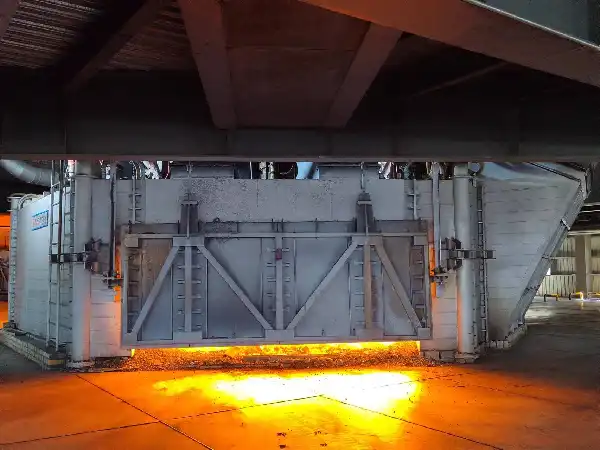
Understanding Ferro Silicon Aluminum Furnaces: Key Concepts and Benefits
What Is a Ferro Silicon Aluminum Furnace?
It is a special kind of submerged arc furnace (SAF) that is made to reduce silica, alumina, and iron sources using carbothermic reduction. It changes bauxite, silica quartz, and steel chips into FeSiAl ferroalloys, which are then used as composite deoxidizers in the steelmaking process. Carbon electrodes are sunk deep into the charge mix in the furnace. Electrical resistance and arc heating raise the temperature to between 1700°C and 2000°C.
Core Operating Principles
Inside the furnace room, the reduction processes are driven by three-phase electrode heating. A low-inductance short-net electrical system keeps voltage losses to a minimum and sends as much power as possible to the arc zone. Electrode control devices change the depth of insertion with millisecond accuracy. This keeps the stability of the arc constant even when the conductivity of the slag changes during production.
Key Industrial Benefits
When steel plants and ferroalloy smelters use the ferro silicon aluminum furnace, they like it because it makes alloys that lower the oxygen activity in molten steel better than pure aluminum alone. Alloys from this furnace create aluminosilicate particles that float to the surface and clean the steel. This keeps the opening from getting clogged during continuous casting. When the equipment is properly defined and kept, it can be used for more than 8,000 hours per year.
Core Criteria to Evaluate When Choosing a Ferro Silicon Aluminum Furnace
Not every furnace works well in every production setting. The engineering and procurement teams should carefully look at four areas before sending out a purchase order.
Temperature Range and Power Capacity
During the reduction cycle, the ferro silicon aluminum burner has to keep its temperature between 1700°C and 2000°C. Power ranges from 10 MVA to 60 MVA, depending on the size of the batch and the throughput goals. Undersizing power capacity slows down work and costs more; oversizing it wastes money and makes energy bills go up.
Alloy Composition Accuracy
Changes in composition have a direct effect on the quality of steel. For mills that keep alloy variation to ≤±0.5%, look for them. For this level of accuracy, you need a high-tech system for controlling the electrodes, a well-thought-out refractory covering made of pure materials, and better temperature field management that helps the melt in a ferro silicon aluminum furnace respond fully and evenly.
Energy Consumption and Lining Service Life
The biggest cost of making ferroalloys is the energy used. A well-designed furnace shouldn't use more than 8,000 kWh of power for every ton of alloy it makes. If the covering is used continuously for at least one and a half years, it should last that long. When linings last less long, they need to be replaced more often, which costs more money and time in missed production. All of these things lower ROI.
Environmental and Safety Compliance
Today's ferro silicon aluminum furnaces have to meet strict rules for pollution. A lot of silica fume and alumina dust are made by the off-gas system. If a facility wants to keep emissions below 20 mg/Nm³, it has to have a high-capacity baghouse dust collector with pulse-jet cleaning that can handle sub-micron particles. Environmental risk is also lower with closed-loop systems that collect and reuse off-gases.
When these four factors are looked at together, they give procurement teams a full picture of the total cost of ownership and how well the product will work in the long term before they sign any contract.

Comparing Ferro Silicon Aluminum Furnaces with Alternative Solutions
At first, many plants think about normal ferrosilicon furnaces or induction furnaces as cheaper options. When full production needs are taken into account, the data tells a different story.
Submerged Arc vs. Induction Furnace
At moderate temperatures, induction furnaces are good for melting and alloying, but they can't handle temperatures between 1700°C and 2000°C, which is what is needed to reduce alumina. It is not technically possible to make FeSiAl on a large scale in an induction furnace. The submerged arc design, especially the ferro silicon aluminum furnace setup, is the only one that can handle the high-alumina slag viscosity that comes with making FeSiAl.
Ferro Silicon Aluminum Furnace vs. Standard FeSi Furnace
A normal ferrosilicon burner works at lower temperatures and needs about 8,500 kWh/MT. Because it takes more heat to break the bonds between aluminum and oxygen, the ferro silicon aluminum furnace needs more energy—usually 8,000 to 13,000 kWh/MT depending on the Al content goals. The composite deoxidizer output, on the other hand, sells for more money, and the single furnace replaces two separate steps in ladle metallurgy for adding alloys.
ROI Considerations
Plants that switched from older SAF designs to a more modern ferro silicon aluminum furnace configuration saw improvements in both throughput and alloy consistency that could be seen. There is a higher cost for the equipment up front, but it is balanced out by less electrode use, longer lining repair intervals, and fewer ladle metallurgy changes later on.
How to Source and Procure the Best Ferro Silicon Aluminum Furnace
To find a ferro silicon aluminum furnace supplier, you need to do more than just compare prices. For this kind of complicated equipment, suppliers must go through a lot of tests.
Here are the main qualifications that buying teams should check for:
- Patents and certifications: Prioritize manufacturers holding multiple utility model patents and ISO quality, environmental, and occupational health management certifications. Certification history signals consistent manufacturing discipline.
- Factory Acceptance Testing (FAT): A credible ferro silicon aluminum furnace manufacturer conducts PLC logic simulations, transformer load tests at 120% overload, and short-net resistance testing to confirm electrical asymmetry stays below 5% before shipment.
- Customization capability: Chamber size should be configurable to match your specific alloy ratios and production volumes. Fixed-geometry furnaces rarely fit complex production schedules.
- Delivery timelines: Standard models should ship within 15–20 days; custom configurations within 30–45 days. Longer lead times without justification suggest capacity or quality-control issues.
- After-sales support: On-site commissioning, technical training, and long-term maintenance agreements are as important as the equipment itself. Verify what service the ferro silicon aluminum furnace supplier commits to contractually.
These steps help purchasing managers weed out sellers whose equipment doesn't come with quality proof that can be checked and support after delivery.
Practical Case Studies and Success Stories in Furnace Selection
Steel Plant Productivity Upgrade
A mid-sized steel plant operating an aging submerged arc furnace replaced its equipment with a 30 MVA ferro silicon aluminum furnace. After commissioning, the facility recorded a 12% increase in annual alloy output and reduced ladle oxygen correction events by 30%, directly cutting alloy additive costs per heat.
Energy Cost Reduction Through Equipment Modernization
A ferroalloy producer running a 20-year-old furnace faced energy consumption above 12,000 kWh/MT. After switching to a redesigned ferro silicon aluminum furnace with a low-inductance electrical system and advanced refractory lining, energy consumption dropped to below 8,500 kWh/MT—a reduction that translated to significant annual savings at industrial production volumes.
Environmental Compliance Achievement
One EPC contractor managing a greenfield ferroalloy plant specified a ferro silicon aluminum furnace with an integrated closed-hood dust removal system. The facility passed environmental inspection on first submission, recording emissions of 17 mg/Nm³—well below the 20 mg/Nm³ regulatory threshold.
Conclusion
To pick the best ferro silicon aluminum furnace, you need to make sure that the technical specs match your production goals, check the qualifications of the supplier, and think about the total cost over the furnace's entire life, not just the purchase price. The temperature range, power capacity, energy use, durability of the refractory, and support after the sale all have a direct effect on how well the plant works in the long term. Companies that use organized evaluation criteria and work with qualified, experienced makers always get better alloy quality, lower costs, and fewer breaks in production.
FAQ
What temperature range does a ferro silicon aluminum furnace operate at?
Temperatures between 1700°C and 2000°C are used. During carbothermic reduction, this range is needed to lower both alumina and silica at the same time.
How does energy consumption compare between furnace types?
Depending on the aluminum content goals, making FeSiAl takes between 8,000 and 13,000 kWh/MT, while making standard ferrosilicon 75 only needs about 8,500 kWh/MT. The extra heat energy needed to break the bonds between aluminum and oxygen is reflected in the higher energy input.
Can a ferro silicon aluminum furnace be reconfigured for other alloys?
Yes, with some conditions. The transformer and lining structure can be used to make ferrosilicon and calcium silicon, but the secondary current parameters and voltage tap settings need to be changed to fit the new burden material's resistance profile.
What causes electrode breakage in this furnace type?
Thermal shock is caused by hard runs that happen because of high slag resistance. Another cause is an improper Soderberg paste formulation for environments with aluminum reduction, and an imbalance in the phases is also a factor. Using the right paste specifications and keeping an eye on the phase lowers the number of breaks.
What after-sales support should I expect from a supplier?
A good ferro silicon aluminum furnace maker should offer on-site setup, training for operators, spare parts, and support for regular maintenance. Suppliers should only be held to contractual service commitments, not personal promises.
Request a Quote from Shaanxi Heyuan — Your Trusted Ferro Silicon Aluminum Furnace Manufacturer
Since 2008, Shaanxi Heyuan New Metallurgical Electric Furnace Equipment Co., Ltd. has sent more than 400 furnaces all over the world. The power range of our ferro silicon aluminum furnace for sale is from 10 MVA to 60 MVA, and the alloy variation is ≤±0.5%. The coating service life is ≥1.5 years. You can talk to our engineering team about your production needs and get a detailed plan by emailing sxhyyj606@163.com or visiting hyyjfurnace-supply.com.
References
1. Journal of Iron and Steel Research International — 2021
2. ISIJ International (Iron and Steel Institute of Japan) — 2020
3. Minerals Engineering — 2019
4. Metallurgical and Materials Transactions B — 2022
5. Electric Furnace Steelmaking, AIST (Association for Iron & Steel Technology) — 2018
6. Ironmaking & Steelmaking — 2023


YOU MAY LIKE