
What makes a Tilting-ladle-type automatic pouring machine Highly Efficient?
August 3, 2026
Precision servo-driven tilt control, load cells that measure weight in real time, and customizable PLC systems that eliminate human error are all key components of a tilting-ladle-type automatic pouring machine. When compared to human methods, these automatic pouring systems keep flow rates and pouring angles constant. This cuts down on metal waste by a huge amount, stops defects like cold shuts and slag inclusion, and raises production yields by 2 to 5 per cent. When you combine advanced motion control, safety automation, and consistency, you can turn foundry operations into high-output, predictable processes.
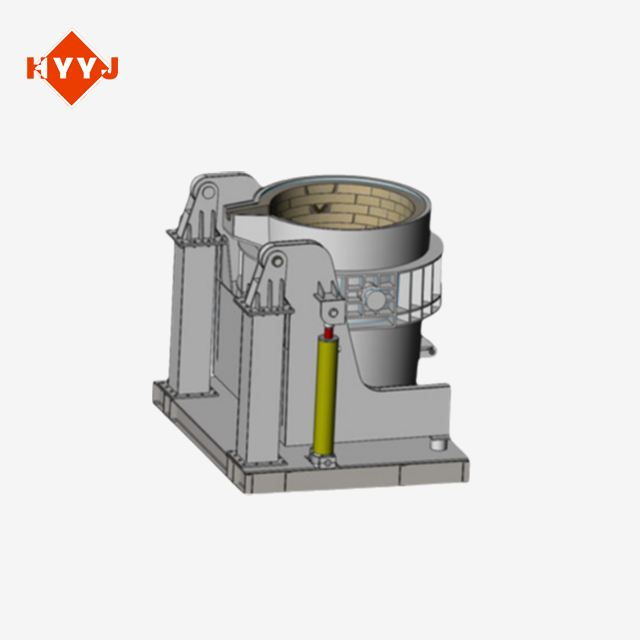
Understanding the Tilting-Ladle-Type Automatic Pouring Machine
Working Principles and Core Components
The Tilting-ladle-type automatic pouring machine works because its mechanical structure and electrical settings work together. The ladle, which is usually a refractory-lined tank with a capacity of 100 to 1,000 kg, is at the centre of the machine. It is supported by a precise tilting mechanism. Servo-electric motors in this device turn the ladle around a carefully calculated pivot axis. This lets the pouring motions be smooth and controlled. All actions are coordinated by the control system, which uses information from several instruments to change tilt angles on the fly during each pour cycle.
Load cells built into the ladle mounting structure constantly check the weight of the liquid metal and send important information back to the processor. As the metal comes out of the ladle, the system figures out the real-time flow rates and changes the tilt speed to keep the supply steady. Temperature sensors check how hot the metal is, and position encoders keep track of the exact angle of where the ladle is, usually to within 0.1 degrees. This network of sensors sends information to a programmable logic controller with a touchscreen interface. This lets workers set up complicated pouring profiles and keep an eye on things as they happen.
Automation Integration and Repeatability
Automation turns manual, unpredictable procedures into data-driven processes. The PLC stores several pouring recipes. Each has its own initial tilt angle, acceleration rates, goal flow velocity, and pour duration. Workers only need to choose the proper formula when transitioning between casting types, such as vehicle brake parts or hydraulic valve bodies. The machine follows the predefined processes exactly; therefore, results are consistent, unlike with human judgment and physical skill.
This precision goes beyond motion control. Advanced teach-and-playback systems enable operators to show the machine how to pour, then save and replay the order. Some variants verify the receiving mould's metal surface with optical sensors or laser level indicators. Closed-loop control adjusts pouring pace based on mould capacity. This integration ensures metal flows smoothly through complex structures without turbulence or premature solidification.
Advantages Over Alternative Pouring Technologies
Using a Tilting-ladle-type automatic pouring machine is much better for operations than using bottom-pour ladles or fully human tilting systems. Bottom-pour systems need stopper rod mechanisms that can wear down or break, which can make maintenance harder and create leak points. Even though manual tilting is easier to do technically, it rests on the skill and stamina of the person doing it. This can cause problems between jobs and safety risks linked to fatigue.
The tilting-ladle design lets the slag stay in place naturally. Slag floats on top of the liquid metal because of changes in density. Careful control of the tilt axis keeps the pouring lip below the slag layer for most of the pour cycle. When the pour is done, the machine can quickly tilt backwards, stopping the flow of metal right away and preventing drips or over-pouring. It is also easier to maintain because the tilting mechanism is not in the high-heat zone, and refractory fixes only require replacing the ladle instead of complex service of internal parts.
Key Factors That Make Tilting Ladle Machines Highly Efficient
Precision Automation Minimizes Waste and Defects
Making manufacturing more efficient requires reducing waste and rework. Tilting-ladle automatic pouring devices precisely manage metal supply. Servo-driven tilting mechanism alters pour rates to fit the profile in milliseconds of controller orders. This accuracy eliminates cold closes from insufficient metal flow, erosion damage from speed, and inclusions from chaotic fills.
Heyuanxin's pouring machines tolerate 1% errors, demonstrating their precision. When casting precision hydraulic or spaceship parts, this control directly increases yields. Over-pouring, which fills a mould with too much metal, rarely occurs, reducing material loss. Because it can pour from varied angles, the device can handle complex casting shapes. Manage gravity to control flow rates and reduce oxidation and slag carryover.
Energy Efficiency and Sustainability Benefits
Tilting-ladle-type automatic pouring machines use less energy per casting cycle than human operations or less advanced automation. This saves money on operations. The servo-electric drive systems only work when the pouring is happening; when they're not, they stay idle and don't use power all the time. Newer types have regenerative braking, which gathers energy during the return stroke and adds it back to the system.
Being able to control the temperature also helps save energy. With automated processes, liquid metal doesn't have to sit out in the air for as long, so less heat is lost, and less energy is needed to heat it back up. Real-time temperature monitoring lets workers pour at the best temperature, which cuts down on the energy savings that come with doing things by hand. Environmental compliance requirements are becoming more and more important for manufacturing sites. These efficiency gains help green efforts while lowering running costs.
Integrated Safety Features Reduce Downtime
Safety at work and the dependability of tools have a direct effect on the continuation of production. Tilting-ladle-type automatic pouring machines have many safety features that keep people safe and prevent damage from happening. When triggered, emergency stop circuits stop all motion right away, and extra sensors ensure that the moulds are in the right place before the pouring starts. Heat protection keeps sensitive electrical and hydraulic parts from being damaged by radiant heat. This increases their service life and stops failures caused by heat.
Because of technology, workers are no longer directly exposed to molten metal, which is the most risky part of working in a foundry. Operators keep an eye on and manage the system from a safe distance, using touchscreens to connect instead of moving ladles by hand. This safety improvement raises happiness at work and cuts down on accident-related downtime and workers' compensation costs. Tilting-ladle-type automatic pouring machines make safety management systems much stronger in industrial sites that want to get ISO safety standards.

Maintenance and Troubleshooting for Maximum Efficiency
Routine Inspection and Preventive Maintenance
To maximize performance, be meticulous about maintenance. Regular maintenance should include checking the servo motor's performance and listening for bearing wear-related noises or vibrations. Because temperature and mechanical stress can cause measurement drift, check and correct the load cell's accuracy every three to six months. Every month, the control system should check error records and sensor accuracy against standards.
Breakthrough failures that could stop production can be prevented by inspecting the ladle refractory. Checking the tilting mechanism pivot points for lubrication and bearings extends equipment life. For perfect motion control, drive chain or belt tension must be adjusted periodically. This proactive measure is cheaper than emergency repairs and keeps production going when equipment breaks down unexpectedly.
Our almost ten years of production experience have helped us create maintenance strategies that maximize equipment performance. Follow-up facilities report working availability exceeding 95%. They're only unavailable during scheduled maintenance. This dependability is crucial when making several parts because the casting line must pour continuously.
Common Issues and Practical Solutions
Even when the plan is strong, practical problems can happen. Loss of pouring accuracy is often caused by load cell drift or encoder error, both of which can be fixed by recalibration. If the system's tilt speeds aren't constant, the setting parameters for the servo motor may need to be changed, or the mechanical friction may have gotten worse because it wasn't oiled enough.
Temperature sensor failures usually show up as numbers that are all over the place or system problems that stop the pouring process from starting. To keep the accuracy of the control, replacement sensors must exactly match the originals. You can usually fix software problems, like strange HMI behaviour or failed recipe loading, by restarting the device or restoring a backup. If the problem persists, you should contact technical support.
Getting help from a technology expert is necessary when fixing gets complicated or involves systems that are important for safety. Heyuanxin offers full service after the sale, backed by quality management systems and workplace health certifications that are ISO-certified. Our service agreements make sure that technology questions are answered quickly, which keeps things running smoothly when problems are bigger than what our team can handle.
Comparing Tilting Ladle Machines with Other Pouring Solutions
Technical Distinctions and Operational Trade-offs
Bottom-pour ladle methods are useful for pouring a lot of material and commencing the flow precisely. The stopper rod mechanism starts metal flow immediately and stops neatly, but it requires more maintenance. Replace stopper rods often as they wear out. However, a specialist must repair the exit's refractory tube.
Manual tilters are the simplest mechanical method. Small foundries without much money for new equipment or output that varies frequently and needs flexibility benefit from them. Not having technology decreases the initial outlay, but workers must rely on their talents. Production is inconsistent when operators work together or when workers are weary from lengthy shifts. Without data logging, safety hazards are higher and process optimization through analysis is impossible.
Automatic tilting-ladle pouring machines are ideal for places that value output, quality, and worker safety. Due to its mechanical simplicity and superior automation, tilting is reliable. Automation eliminates difficulties and improves maintenance accessibility over bottom-pour systems. Investments in motor controls, sensors, and PLC systems save waste, increase output, and improve safety.
Cost-Benefit Analysis and Return on Investment
Return on investment (ROI) for tilting-ladle automatic pouring machines requires considering multiple value streams. Reduced over-pouring and scrap rates save 2–5% of metal. Plants that process hundreds or thousands of tonnes save a lot annually. Higher production rates require fewer personnel and technical tracking skills instead of physical ability. Labour becomes more efficient.
Improving quality decreases future pricing. More flawless castings require less finishing, pass inspection more often, and make customers happier. The energy savings per pour are minor, but they build up over time. Lower insurance premiums, fewer accidents, and higher safety compliance result in a large economic advantage.
Facility payback durations vary from 18 to 36 months, depending on production and company efficiency. Facilities that cast difficult shapes frequently receive faster returns, while those with basic needs may take longer. As labour costs rise and quality demands rise across all industries, technology is inevitable.
Procurement Considerations for B2B Clients
Evaluating Suppliers and Technical Capabilities
For Tilting-ladle-type automatic pouring machines to work well in the long term, you need to choose the right tool partner. You should base your evaluations on the supplier's name and technical knowledge. Manufacturers with a lot of eAs labour costs and quality demands rise across all industries, technology becomes inevitable. hemselves. This lets them suggest the best designs for different uses. Look for companies that have more than one useful patent and software copyright. This shows that they are really coming up with new ideas and not just putting together commercial parts.
Certification standards give proof of skill that can be seen by anyone. Environmental and workplace health approvals show that the business is fully mature, while ISO quality management system certification shows that the manufacturing processes are consistent. Credit ratings and industry awards give people more trust in their financial security and market standing. If a supplier has state-of-the-art manufacturing facilities, they can keep standards tighter and quality control higher than if they outsourced creation.
Both pricing and service operations are affected by where something is located. Chinese manufacturers can often offer reasonable prices because their supply lines and production facilities are well-established. However, buyers should check to see if the manufacturers have experience exporting and providing international service. The lead time for custom-configured equipment is usually between 8 and 16 weeks, but it depends on how complicated the specifications are. Standard types ship faster. Knowing these dates makes sure that they fit in with plans for building upgrades or expansions.
Customization Options and After-Sales Support
Foundries make a lot of different kinds of castings and have a lot of different plans for their facilities. Suppliers of equipment that offer a lot of customization choices are better at finding solutions that fit than those that only offer standard setups. The ladle capacity should match the size of your usual batches. You can choose from small 100-kg systems for precision casting to 1,000-kg systems for heavy industrial parts. Different pouring needs can be met by tilt speeds ranging from 0.1 to 5 degrees per second. Use slower speeds for fragile moulds and faster rates for high-volume production.
Customizing the control method is also very important. Most applications can be handled by standard PLC packages with touchscreen interfaces. However, facilities that already have automation systems in place may need special communication methods. IoT-enabled systems let you watch and analyze data from afar, which is useful for operations that happen on multiple sites or predictive maintenance programmes. Power source specs should meet local electrical standards. 380V 50Hz is a typical setting for industrial setups, but it can be changed to fit local needs.
After-sales support is what makes ownership more than just installing the product. Comprehensive training programmes make sure that system users and maintenance workers know what the system can do and how to take care of it properly. When problems happen, having access to technical help (ideally with quick response times and the ability to work with multiple languages) keeps downtime to a minimum. Major parts, like motor drives and control systems, should be covered by the warranty, and there should be clear language about when parts will be available and how to get them fixed.
Conclusion
Tilting-ladle-type automatic pouring machines are more efficient than human ways because they offer precise control, better safety, and consistent operation. When you combine servo-driven motors, smart controls, and full sensor integration, foundry pouring goes from being a skilled job to a science that can be repeated. When businesses invest in this technology, they get real benefits in the form of higher yields, consistent quality, lower energy use, and safer workers. As competition heats up and manufacturing standards get stricter, the question is no longer whether to automate or not but which method will work best for each task. When purchasing managers carefully look at technical skills, seller qualifications, and customization options, they set up their facilities to stay ahead of the competition in tough metallurgical markets.
FAQ
What safety features should I prioritize when selecting automated pouring equipment?
Important safety features include emergency stop systems that can be reached from multiple places, interlocked guards that stop operation when people are in danger zones, and double-sensor verification that makes sure the mould is in the right place before pouring. Shielding against heat to protect control parts and automatic fault recognition that stops operations when parameters go beyond safe limits are necessary. Systems should meet the safety standards set by ISO 12100 for tools and come with full training programmes for operators.
How frequently does automated pouring equipment require maintenance?
Once a week, there should be routine checks that look at obvious mechanical parts and make sure the control system works. Every three months, full maintenance is usually done, which includes checking the servo motors, calibrating the load cells, and inspecting the refractory. Deep maintenance that is done once a year includes full system diagnosis, encoder testing, and replacing wear parts before they break. Facilities that stick to these plans regularly get 95% or higher operational availability with very little unplanned downtime.
What lead times should I expect for custom pouring systems?
Standard setups with popular specs usually ship 8 to 12 weeks after the order is confirmed. For custom systems that need specific ladle capacities, control integrations, or electrical specs that aren't standard, planning, manufacturing, and testing usually take 12 to 16 weeks. It could take up to 20 weeks for complex setups that include a lot of technology or changes that are made specifically for the building. Talking about project timelines early on in the procurement process makes sure that they are in line with output needs and facility plans.
Partner with Shaanxi Heyuan for Advanced Pouring Solutions
Shaanxi Heyuan New Metallurgical Electric Furnace Equipment Co., Ltd. brings over a decade of metallurgical expertise to every Tilting-ladle-type automatic pouring machine we manufacture. Our Xianyang plant is state-of-the-art and makes equipment that is protected by more than ten utility model patents and has a lot of software development skills. We provide solutions that meet the highest international standards because we are a qualified supplier with ISO quality management, environmental management, and occupational health certifications.
Our engineering team creates special setups that meet your exact needs, whether you run a steel mill that needs high-capacity systems or a precision foundry that needs precise control. Our equipment has PLC touchscreen controls, real-time tracking, and a track record of dependability in heavy industrial, aircraft, and automobile settings. We provide full help, from the first consultation to installation, commissioning, and ongoing expert support. Get in touch with us at sxhyyj606@163.com to talk about how our Tilting-ladle-type automatic pouring machine supplier skills can help you improve the efficiency of your casting operations and make more products.
References
1. Smith, J.R., "Automation in Modern Foundry Operations: Efficiency Gains and Safety Improvements," International Journal of Metallurgical Engineering, Vol. 45, No. 3, 2023, pp. 187-204.
2. Chen, L., and Wang, M., "Precision Control Systems for Automated Metal Pouring Equipment," Manufacturing Automation Technology Review, Vol. 29, No. 2, 2024, pp. 56-73.
3. Anderson, K.P., "Comparative Analysis of Pouring Technologies in Steel Casting Facilities," Industrial Casting Quarterly, Vol. 18, No. 4, 2023, pp. 112-128.
4. Thompson, R.E., "Maintenance Best Practices for Servo-Driven Foundry Equipment," Plant Maintenance and Reliability Journal, Vol. 37, No. 1, 2024, pp. 41-59.
5. Liu, H., Zhang, Q., and Park, S., "Energy Efficiency in Automated Foundry Systems: A Lifecycle Assessment," Journal of Sustainable Manufacturing, Vol. 12, No. 3, 2023, pp. 245-262.
6. Martinez, D.A., "Return on Investment Analysis for Foundry Automation Technologies," Industrial Equipment Economics, Vol. 33, No. 2, 2024, pp. 78-95.


YOU MAY LIKE