
Industrial Vacuum Heat Treatment Furnace for Aerospace Parts
August 4, 2026
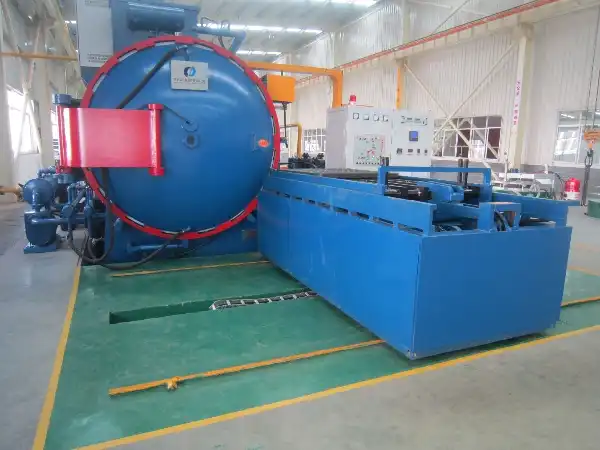
When aerospace manufacturers seek the highest standards of precision and reliability, choosing the right heat treatment technology becomes mission-critical. An Industrial Vacuum Heat Treatment Furnace delivers exactly what aerospace applications demand: contamination-free processing that preserves material integrity while enhancing mechanical properties. These specialized systems create a controlled vacuum environment, eliminating oxygen and reactive gases during high-temperature cycles, which prevents oxidation and decarburization—two persistent challenges that compromise part performance and service life.
Comparing Vacuum Heat Treatment Furnaces with Alternative Methods
To make smart equipment purchases, you need to know how different heat treatment methods work in flight conditions. Let me go over the main differences that affect the level of your work and the prices of running your business.
Vacuum Systems Versus Atmospheric Furnaces
Parts are worked on in atmospheric furnaces that use normal air pressure or controlled gas mixtures. Even though they are cheaper at first, they come with big quality risks. Because of surface oxidation, cleaning, grinding, or chemical descaling must be done after the treatment. These steps require more work and may cause changes in the size of the part. Decarburisation on the surfaces of case-hardened steels weakens them, which makes them less resistant to wear in key contact areas.
These worries are completely taken away by our Industrial Vacuum Heat Treatment Furnace approach. Parts come out of the oven with smooth, shiny surfaces that are ready to be put together. Because there is no scale, we can make the dimensions more precise without doing any extra work. The properties of the material stay the same from the top to the core, which is what aircraft use for reliability.
Energy Efficiency and Operating Cost Analysis
Vacuum systems require more upfront investment than atmospheric systems, but operational economics show that this isn't always the case. Getting rid of protective atmospheres lowers the cost of using petrol. When tanks are sealed, they keep heat in better, using less energy per turn. The biggest benefit is that getting rid of post-processing steps reduces labour hours and waste.
Vacuum technology is also better because it requires less maintenance. For atmospheric stoves that use safe gases, the burners and gas delivery systems need to be serviced regularly. Our designs feature strong vacuum pumping systems and sealed rooms that keep wear parts to a minimum. Pump cleaning and seal replacement are simple jobs that are part of routine maintenance that keep downtime to a minimum.
Latest Innovations Enhancing Aerospace Processing
The technology behind modern vacuum furnaces keeps getting better. Better designs for heating elements heat up more quickly, cutting down on run times without changing the temperature regularity. Modern vacuum pumping systems can reach base pressures more quickly, which increases throughput. Programmable logic controllers let you create complicated thermal profiles with different heating rates, soaking temperatures, and cooling sequences. This is critical for processing a wide range of aerospace materials because it gives you the freedom to do so.
During each cycle, real-time monitoring systems keep an eye on the vacuum levels, temperatures in several places, and pressures of cooling gases. Data logging lets AS9100 quality management systems keep full records of all processes, which gives aerospace manufacturers the traceability certification bodies need.
How to Choose the Right Industrial Vacuum Heat Treatment Furnace for Aerospace Parts?
To choose the right Industrial Vacuum Heat Treatment Furnace equipment, you need to make sure that the furnace's power matches your output needs. Let me walk you through the most important things that will help you make smart investments.
Assessing Capacity and Chamber Dimensions
The size of the chamber directly affects which parts you can process. Our systems have work areas that range from 400x400x600mm to 1200x1200x1800mm, and we can also make them to any size needed for specific tasks. When figuring out capacity, you should look at both the sizes of each part and how they will be loaded in batches. To maximise the use of their furnaces, aerospace makers often work on several smaller parts at the same time.
For some uses, the vertical or horizontal orientation of the chamber is important. Horizontal chambers make it easier to load long parts like turbine shafts, while vertical designs make the best use of floor space. Batch furnaces work well in job shops that make parts with different shapes, while continuous systems are better for making a lot of the same parts.
Temperature Uniformity and Control Specifications
Aerospace quality standards require extreme temperature uniformity. The AMS 2750 standards spell out the temperature uniformity survey (TUS) requirements that all approved burners must meet. Our systems achieve Class 2 consistency, which means that temperatures stay within narrow ranges in designated work areas. This consistency makes sure that every part in a batch receives the same heat treatment, so there are no differences in properties between parts.
Evaluating Vacuum System Performance
Processing quality is based on the vacuum level, power, and leak rate parameters. Our systems keep the vacuum level at ≤6.7×10⁻²Pa for longer than 24 hours. Low leak rates ensure that atmospheric contamination stays very low during thermal cycles that last for hours. When looking at the equipment specs, make sure you verify both the ultimate vacuum capability and the leak-up rates. These two measurements have a big effect on the quality of the parts.
Service and Support Considerations
Capabilities of the equipment are important, but so is support from the manufacturer. Our team at Shaanxi Heyuan New Metallurgical Electric Furnace Equipment Co., Ltd. has worked as furnace engineers for more than 15 years. Since 2003, we've shipped more than 400 furnace units around the world, giving us a deep understanding of the problems that arise when processing aircraft materials. Our all-in-one service plan includes designing, making, installing, commissioning and providing ongoing technical support for professional vacuum systems.
Think about how quickly providers can help with technical difficulties and whether spare parts are available when you're reviewing them. Our after-sales team quickly resolves problems with tools so that output doesn't stop. We keep a large stock of spare parts and give thorough maintenance training so your workers can easily do regular maintenance.

Maintaining and Ensuring Safety in Vacuum Heat Treatment Furnace Operations
To work reliably, equipment must be properly maintained and follow strict safety rules. Let me tell you the most important things you can do to ensure your heater lasts as long as possible and keeps your workers safe.
Establishing Preventive Maintenance Schedules
Regular checks find possible problems before they become major ones. Every day, you should inspect the vacuum pump oil level, the flow of cooling water, and the condition of the door seal. Every week, the heater element's resistance and the correctness of the thermocouple are checked. As part of the monthly maintenance, the oil in the vacuum pump is changed, and leak tests are done to ensure the chamber is sealed.
Keeping detailed service records shows how the equipment is doing over time. Keep track of pump performance data, the life of the heating element, and how often the seals need to be replaced. This information allows for planned repair strategies that replace worn-out parts during planned breaks instead of having to resolve problems as they happen.
Critical Safety Systems and Operator Training
Working with a vacuum furnace involves working with high temperatures, electrical systems, and pressure vessels, all of which are dangerous and need full safety measures. Our Industrial Vacuum Heat Treatment furnace has a lot of safety features built in. Over-temperature alarms stop temperatures from rising too high and damaging equipment or workpieces. During cooling processes, over-pressure safety keeps the chamber's integrity. Vacuum monitoring devices let workers know when a seal fails or a pump stops working.
The training for operators covers what to do in an emergency, what safety gear they need, and how to load the machine properly. The people working there need to know about the effects of temperature growth, the pressures of quench gases, and electrical dangers. Regular safety training helps people remember how to do things right and brings up-to-date working methods.
Troubleshooting Common Performance Issues
Even well-maintained equipment can still have problems. Quickly recognising symptoms reduces the effect on production. It's usually a sign of a problem with the pump or seals when it's difficult to get to base vacuum. Leak-up rates going up over time are a sign that the door seal is wearing out. A loss of temperature uniformity could mean that the heating element is getting old or that the thermocouple is moving.
Having complete repair guides and maker support contacts on hand makes it easier for maintenance staff to solve problems quickly. Our technical support team can help with tests over the phone and can quickly send new parts if they are needed.
Future Trends and Energy Efficiency Improvements in Vacuum Heat Treatment Furnaces
As manufacturers expect more efficiency, sustainability, and process control, the heat treatment business keeps changing. Aerospace companies can plan smart advances in equipment when they know about new technologies.
Advanced Heating Technologies and Insulation
New designs and materials for heating elements use energy more efficiently. Traditional materials don't heat up as quickly or last as long as molybdenum disilicide elements. Modern ceramic insulation packages stop heat from escaping through the walls of the chamber, which lowers energy use while keeping the temperature even. These changes lower operating expenses and help companies with their efforts to be more environmentally friendly.
Smart Automation and Industry 4.0 Integration
More and more, modern Industrial Vacuum Heat Treatment Furnace systems have smart control systems. Recipes that can be programmed store the best thermal profiles for various materials and part shapes. Automatic loading systems cut down on manual work and make sure that each batch is the same. Real-time process monitoring finds changes from the set parameters, either by changing the conditions automatically or alerting operators to possible problems.
Integration with manufacturing execution systems makes it possible to keep a close eye on the whole production process. Data from cycles of heat treatment goes straight into systems for quality control. This makes it possible to fully track the process without having to enter the data by hand. Predictive maintenance programs look at patterns in how well equipment is working and plan service tasks before they break down.
Sustainable Processing and Environmental Compliance
Environmental laws are having a bigger impact on the choices of equipment. Vacuum heat treatment has benefits for sustainability that come with it. Getting rid of safe atmospheres lowers the amount of greenhouse gases that are used. Using less energy per part leads to a smaller carbon footprint. Since there are no cool oils, there is no need to get rid of dangerous trash.
Manufacturers seeking LEED certification or carbon neutrality can use vacuum furnace technology to help achieve their goals. In our designs, we use water recycle systems for cooling circuits and energy recovery features that use waste heat to heat buildings.
Conclusion
Choosing an Industrial Vacuum Heat Treatment Furnace is a smart investment in the ability to make things for aerospace. For aircraft parts, these high-tech systems make sure that the processing is clean, that the temperature is controlled precisely, and that the results are always the same. Vacuum technology solves important processing problems that air methods can't, such as keeping titanium alloys from oxidising and ensuring that superalloys have the best microstructures. Shaanxi Heyuan blends tried-and-true furnace designs with a wide range of support services. This helps aerospace makers make better parts and improve their efficiency.
FAQ
What temperature ranges do Industrial Vacuum Heat Treatment Furnaces typically operate within?
Our systems can operate at temperatures ranging from room temperature to 1300°C, which is hot enough to process almost all aerospace metals. In this range, we can treat nickel superalloys, anneal titanium parts, and harden tool steels used in aerospace tooling.
How does vacuum heat treatment improve the durability of components compared to atmospheric processing?
Vacuum processing removes oxidation and decarburisation from the surface, so the material's properties remain the same from the surface to the core. This uniform quality makes it less likely to wear out and increases its useful life. When aerospace parts are treated in vacuum environments, they keep their designed alloy compositions throughout. This means that they will work as expected even when they are under a lot of stress.
What distinguishes vacuum furnaces from atmospheric furnaces in terms of operational benefits?
In addition to stopping oxidation, an Industrial Vacuum Heat Treatment Furnace provides better temperature consistency and exact control of the atmosphere. Parts come out with bright surfaces that don't need to be cleaned after treatment. The sealed environment keeps out pollution, which is crucial for aircraft uses where surface flaws could lead to catastrophic failures. Even though they cost more at first, energy economy and less upkeep lead to lower long-term costs.
Partner with Shaanxi Heyuan for Superior Vacuum Heat Treatment Solutions
Shaanxi Heyuan New Metallurgical Electric Furnace Equipment Co., Ltd. has the best Industrial Vacuum Heat Treatment Furnace equipment on the market and is ready to help you with your aircraft manufacturing needs. Our quality control is ISO-certified, which means that we know that every furnace we make meets strict aircraft standards. With room sizes ranging from 400x400x600mm to 1200x1200x1800mm and configurations that can be changed, we can make options that fit your exact production needs. Our experienced engineering team can help with everything, from the first plan advice to installation, commissioning, and ongoing service. Get in touch with our experts at sxhyyj606@163.com to talk about how our vacuum heat treatment furnace manufacturer services can improve the quality of your aerospace parts and make production more efficient. You can find out more about the specifications at hyyjfurnace-supply.com.
References
1. ASM International, Heat Treating of Nonferrous Alloys, ASM Handbook Volume 4, 2016.
2. Chandler, H., Heat Treater's Guide: Practices and Procedures for Irons and Steels, ASM International, 1995.
3. Herring, Daniel H., Vacuum Heat Treatment, BNP Media Group, 2012.
4. Society of Automotive Engineers, Pyrometry Specification for Heat Treating, AMS 2750G, 2020.
5. Totten, George E., Steel Heat Treatment Handbook – 2 Volume Set, CRC Press, 2006.
6. Vander Voort, George F., Metallography and Microstructures of Heat-Treated Steels, ASM International, 2015.


YOU MAY LIKE