
Electrotherm Induction Furnace for Modern Steel Plants
August 4, 2026
Modern steel production demands equipment that delivers consistent performance while reducing operational expenses and environmental impact. The Electrotherm Induction Furnace is a game-changing technology in metallurgical operations, using electromagnetic induction to melt ferrous and non-ferrous metals with unmatched precision. Unlike traditional combustion-based systems, this equipment generates heat directly within the metal charge using controlled eddy currents, which removes the inefficiencies found in conventional arc furnaces. Steel mills worldwide increasingly adopt this technology to achieve superior energy utilization and production consistency.
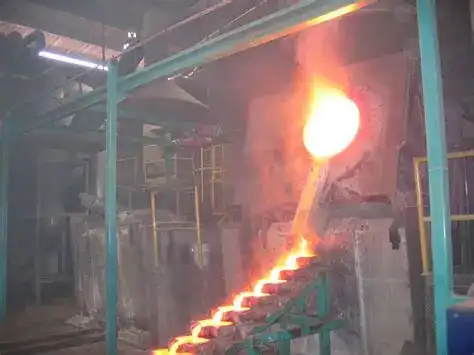
Understanding Electrotherm Induction Furnaces: Technology and Benefits
Induction melting technology works by using copper coils that are cooled by water to create an electric field. When alternating current flows through these coils, it creates magnetic fields that pass through conductive metal charges and initiate currents that rapidly heat a very small area. The heating parts don't come into close contact with the material during this process. This makes the melts cleaner and lowers the risk of contamination.
Core Working Principles and Technical Architecture
Faraday's law of induction tells us how the electric heating system works. As a transformer turns, the copper coil assembly is the main winding and the metal charge is the secondary circuit. This arrangement creates Joule heating within the substance, resulting in a uniform temperature throughout the melt. The system has a heat efficiency of more than 82%, which is much higher than resistance-based furnaces, which usually only hit 60–70% efficiency.
Shaanxi Heyuan's induction systems use solid-state power supply units with cutting-edge IGBT technology to precisely control the frequency from 50Hz to 10kHz, based on the properties of the charge. The power range of 10kW to 1000kW makes it suitable for everything from small foundries to large steel mills. Temperatures can be set anywhere from room temperature to 1800°C, and sophisticated monitoring systems maintain control accuracy within ±1°C.
Energy Efficiency and Environmental Advantages
In metallurgical operations, the amount of energy used has a direct effect on the cost of production. Electric arc furnaces normally use 400 to 500 kWh of electricity for every tonne of steel they melt. Induction systems, on the other hand, use only 350 to 420 kWh per tonne. This decrease will save a lot of money over the life of the facility, especially ones that process hundreds of tonnes of material every day.
The clean heating environment removes all the byproducts of combustion. Since there is no burning of fuel, there are no direct CO₂ emissions, particulate matter emissions, or sulphur oxide emissions from the melting process. This trait makes it easier for steel plants to follow the stricter environmental rules in the US and around the world. The electromagnetic stirring effect that comes with induction heating makes sure that all the chemicals are mixed evenly without having to do extra mixing, which saves even more energy.
Applications Across Steelmaking Operations
In integrated steel plants and specialised foundries, induction technology is used in several different ways. The main uses are making billets from direct reduced iron (DRI) and scrap, where precise temperature control stops too much oxidation loss. Automotive foundries use these methods to make ductile iron, and because they don't pick up carbon, they can keep strict metallurgy standards for safety-critical parts.
Induction refining is very effective for secondary metallurgy operations. This method works very well for making low-carbon stainless steel and nickel-based superalloys, which would not be as pure if electrode pollution from arc furnaces were used. The exact temperature control and controlled atmosphere make it possible to make speciality alloys that meet the standards of the aircraft and medical device industries over and over again.

Electrotherm Induction Furnace vs Other Melting Solutions: A Clear Comparison
Strategic purchasing decisions are based on knowing how different pieces of equipment perform. When you directly compare induction systems to other technologies, you can see that they work in very different ways, which can affect their long-term value.
Energy Consumption and Operating Efficiency
In electric arc furnaces, high-voltage electrical arcs between the metal charge and the graphite electrodes melt the metal. Even though this method works for large-scale tasks, it has a number of problems. Electrode use increases ongoing material costs, and radiant heat loss through refractory walls lowers the overall thermal efficiency. For making steel, arc furnaces usually need 450 to 500 kWh per tonne.
Coke combustion is what makes gas-fired cupola furnaces, which are common in old foundries, hot. These devices have a thermal efficiency of between 50 and 55%, but they lose a lot of heat through the waste gases. Concerns about the environment over particulate pollution and carbon monoxide creation make them less useful in modern buildings.
Induction systems work the same way even when the charge makeup changes. The electromagnetic stirring effect spreads heat evenly, which stops spots from getting too hot and keeps melt losses to a minimum. Facilities record power factors close to 0.95 to 0.98 when they carry out upgrades correctly, which makes the best use of the electrical infrastructure.
Maintenance Requirements and Operational Costs
When equipment breaks down, it limits production and reduces revenue. Arc furnaces need to have their electrodes changed often—usually every 6 to 8 heats, but this depends on how they are being used. In arc furnaces, refractory repair is a big part of the maintenance cost. The sidewall and roof sections often need fixing because slag and thermal shock damage them.
Maintaining an Electrotherm Induction Furnace is mostly about taking care of the refractory layer and making sure the cooling system works right. Modern versions use modular coil construction, which lets you change just one section without taking the whole system apart. For steel uses, silica ramming mass linings usually last 20 to 50 heats before they need to be fixed. Following the right sintering steps can extend their lifespan even further. Since there are no disposable electrodes, there are no costs for moving, storing, or getting rid of them.
Environmental Impact and Regulatory Compliance
Regulatory environments are putting more and more emphasis on reducing pollution and making workplaces safer. Electromagnetic radiation from arc furnaces is strong and needs to be shielded. Noise levels often exceed 85 dB, so hearing protection is needed. Filtration systems are needed for the dust that is made when electrodes are used up.
Induction systems make a lot less noise—usually less than 75 decibels—which improves the workplace without requiring a lot of soundproofing. The sealed heating environment lowers stray emissions, and the lack of open arcs reduces oxidation fumes. These traits make it easier for businesses to get ISO 14001 environmental management approval and OSHA compliance with less money spent on prevention.
Procurement Guide: How to Buy the Right Induction Melting System
To buy strategic equipment, you need to carefully look at what your operations need and what the supplier can do. Implementations that go well match technical requirements with production goals and make sure that long-term assistance is available.
Assessing Production Requirements and Capacity Needs
To determine the right furnace capacity, you should first look at your material flow goals and working plans. A facility that processes 50 tonnes of goods every day over two 8-hour shifts needs different tools than one that runs nonstop and aims to process 200 tonnes of goods every day. Power ratings should take into account the desired melt rates and the electrical equipment that is already in place.
The makeup of the material has a big effect on the choice of tools. Non-ferrous metals, like aluminium or copper, need different frequency bands than ferrous metals, like carbon steel. Variable frequency systems give facilities that work with many different alloys the freedom to be flexible in how they run their operations during different production runs.
Evaluating Supplier Credentials and Support Capabilities
Working with experienced manufacturers gives you access to tried-and-tested designs and reliable technical support. The fact that Shaanxi Heyuan New Metallurgical Electric Furnace Equipment Co., Ltd. has over ten utility model patents and software copyrights shows that they are always coming up with new furnace technologies. Our ISO quality management certification, environmental management system compliance, and workplace health certifications show that we make high-quality products.
Offering a wide range of services sets skilled providers apart from equipment vendors. Our integrated method includes engineering design, manufacturing, on-site installation, training for operators, and help after the sale 24 hours a day, 7 days a week. We know what American steel plants need because we've done over 400 installations in 15 countries with a wide range of operational environments and regulatory requirements.
Understanding Pricing Structures and Total Cost of Ownership
The initial cost of the tools is only one part of the long-term costs of ownership. Differences in energy efficiency lead to significant changes in the costs of running equipment over its lifetime. At normal industrial electricity rates, a furnace that uses 50 kWh less per tonne would save $500,000 in energy costs over ten years for a building that processes 100 tonnes of steel every day.
Financing options work with industrial clients' limited capital planning needs. Leasing and deferred payment plans align the purchase of equipment with the production of income, which improves the project's economics. The warranty should cover major parts like power sources, coil assemblies, and control systems, and it should clearly state service reaction times.
Maintenance and Operational Best Practices for Longevity and Efficiency
Disciplined preventive maintenance protocols and operational discipline are needed to maximise equipment uptime and performance. Systematic approaches to furnace care increase the life of the refractory, stop unplanned shutdowns, and keep equipment energy-efficient over its entire lifecycle.
Preventive Maintenance Schedules and Inspection Routines
Every month, maintenance checks the resistance of the coil's insulation with a megohmmeter to make sure the dielectric is intact between the parts that carry current and the ground potential. Readings below 50 megohms should be looked into because falling resistance means that water is getting in or the insulation is breaking down. To keep pouring operations running smoothly, hydraulic turning mechanisms need to have their fluid levels checked once a month and their whole fluid replaced once a year.
Every year, thorough exams check the state of the refractory by carefully looking at it and measuring its thickness. Finding trends of wear lets you change the lining during routine maintenance windows instead of having to make repairs right away. Electrical testing of power source capacitor banks once a year keeps them from breaking down during production runs.
Energy Management and Performance Optimization
Tracking objective performance over time is possible by keeping an eye on specific energy consumption (kWh per tonne). Increasing energy needs are a sign of growing flaws that need to be fixed, like refractory thinning that lowers thermal insulation or power source component wear and tear that lowers conversion efficiency.
Automated power control tools help make the best use of energy during all stages of production. Modern controllers lower power during holding periods so that the melt temperature stays the same between pouring operations with the least amount of energy input. This feature stops wasteful use during production delays or changes to the plan.
Charge preparation has a big effect on how well melting works. Sorting scrap ahead of time by size and composition makes sure that it melts consistently and cuts down on processing time. Getting rid of contaminants like water, oil, and non-metallics saves energy that would otherwise be wasted on heating that isn't needed and cuts down on the amount of slag that needs to be thrown away.
Troubleshooting Common Operational Issues
Earth leakage faults usually mean that there is water in the refractory ramming material or that there is conductive bridging across the insulation of the coil. Isolating the power right away and testing each coil segment in a planned way find the damaged areas. Moisture-related problems can be avoided by following the right sintering steps during initial starting. To get rid of absorbed water, the machine needs to be slowly heated over 24 to 36 hours.
If the power factor goes down, it means that the capacitor bank is getting worse or that the current charge features are not being tuned correctly. By keeping an eye on the power supply on a regular basis, these problems can be found and fixed before they hurt production. Consulting factory technical support gives you access to diagnosis help and the specs for new parts.
Future Trends and Innovations in Induction Melting Technology
The capabilities of metallurgical equipment are always changing as technology improves. New technologies make operations more accurate, leave smaller footprints on the environment, and boost the bottom line for steel companies that use next-generation systems.
IoT Integration and Automation Advancements
Internet of Things sensor networks let dozens of operating factors be tracked at the same time and in real time. Temperature differences in refractory linings, the amount of power drawn by each coil section, and the chemistry of the cooling water are all examples of data streams that can be used by predictive maintenance algorithms. Machine learning models can spot small changes in patterns that point to problems that are starting to happen days or weeks before regular tracking methods can.
Enterprise resource planning software works with automated charge management systems to coordinate the flow of materials from scrap yards to melting operations and finally to casting operations for finished products. This integration makes the best use of production plans, cuts down on work-in-process goods, and makes the whole building run more smoothly.
Advanced Materials and Durability Improvements
The main goals of developing refractory technology are to make linings last longer and work better at high temperatures. Nano-scale chemicals added to advanced ramming materials improve them at sintering and make them more resistant to heat shock. These materials make typical linings last 30 to 40 per cent longer, which cuts down on maintenance needs and the production losses that come with them.
Innovations in coil production use better soldering methods and improved copper alloys that carry heat better. These improvements make coils last longer while keeping their electrical performance. This means they don't need to be replaced as often and cost less over their entire lifetime.
Sustainability and Renewable Energy Integration
More and more, efforts to lower carbon emissions in the steel industry are focusing on making the production process electric. Because their power source is easily compatible with renewable energy sources, Electrotherm Induction Furnaces simply fit in with this change. By purchasing wind power credits or installing solar panels, businesses can directly reduce their carbon footprints without needing to change any of their equipment.
Adding batteries to a system lets you shift the load, which means that furnaces can run when power prices are lower or when green energy production is higher than grid demand. This adaptability lowers running costs and helps keep the power grid stable. In the future, smart power control systems that connect real-time energy markets to production schedules will make these skills even better.
Conclusion
Induction melting technology is used more and more in modern steel production because it saves energy, is accurate, and is good for the environment. These systems work better than traditional arc and gas-fired furnaces in a number of ways because they use electromagnetic heating. When facilities invest in this technology, they become more competitive because their running costs go down, the quality of their products goes up, and they are better able to follow the rules. By carefully choosing a provider, you can get access to tried-and-true designs, full support, and ongoing innovation that will help your business succeed in the long run.
FAQ
How does induction melting handle high percentages of sponge iron in the charge?
Systems made for DRI processing have bigger furnace bodies that make it easier to handle slag and the ability to change the voltage to control bridge formation during melting. The electromagnetic stirring effect helps move heat through sponge iron, which is not very conductive. However, DRI charges usually need 10-15% more specific energy than scrap-based charges because of the way the material is made.
What factors determine refractory lining life in production environments?
The longevity of the lining relies on how it is used, such as the right way to sinter it at first, how to control the heating rates to avoid thermal shock, and how to handle the slag to avoid chemical attack. For steel uses, silica ramming mass usually lasts 20 to 50 heat cycles, while special linings for non-ferrous metals can last 100 cycles or more. Consistent operational procedures have a big effect on how long a service lasts.
Can facilities integrate induction systems with existing electrical infrastructure?
Most factories have enough electricity to put an induction furnace, but the capacity of the local transformer and the ratings for the service entry need to be checked. Harmonic filtering is built into modern power supplies to keep overall harmonic distortion below 5% and avoid problems with grid compatibility. During project planning, electrical engineering analysis finds any infrastructure improvements that need to be made.
Partner with Shaanxi Heyuan for Your Induction Furnace Investment
Choosing the right supplier of induction melting equipment has been a factor in the success of businesses for many years. Heyuanxin offers full metallic solutions backed by a lot of engineering know-how and a track record of success around the world. Our induction systems can precisely control temperatures to within ±1°C and have a thermal efficiency of over 82%, giving your facility the operational base it needs.
As a well-known company with many certifications and more than 400 installations around the world, we know what technical needs and help American steelmakers are looking for. Our engineering team creates unique system designs that meet your exact production needs, facility limitations, and material standards. Every installation comes with full user training and help with setup, so you can start using it right away.
Email our technical team at sxhyyj606@163.com to talk about your production needs and get detailed information on the equipment that will help you reach your operational goals. You can look at our full line of products and read case studies from facilities like yours at hyyjfurnace-supply.com. Heyuanxin is ready to be your trusted Electrotherm Induction Furnace supplier, providing turnkey solutions for modern steelmaking whether you're planning to install new furnaces or increase the capacity of existing ones.
References
1. Rudnev, V., Loveless, D., Cook, R., & Black, M. (2017). Handbook of Induction Heating. CRC Press, Boca Raton, Florida.
2. Dutta, P. & Saha, R. (2021). Comparative Analysis of Energy Efficiency in Steel Melting Technologies. Journal of Metallurgical Engineering, 8(3), 145-162.
3. American Foundry Society (2022). Induction Melting Best Practices for Ferrous Castings. Schaumburg, Illinois.
4. Nicodème, T. (2020). Environmental Impact Assessment of Electric Steelmaking Technologies. International Journal of Sustainable Manufacturing, 14(2), 88-104.
5. Institute of Electrical and Electronics Engineers (2019). IEEE Standard 519: Harmonic Control in Electrical Power Systems. IEEE Standards Association, New York.
6. Toulouevski, Y. N. & Zinurov, I. Y. (2023). Innovation in Electric Arc Furnaces and Induction Systems. Springer Nature, Berlin.


YOU MAY LIKE