
Need a Custom High Frequency Furnace for Your Foundry?
August 5, 2026
When your foundry faces unique production challenges—unusual workpiece sizes, specific heating profiles, or specialized alloy requirements—a custom high-frequency furnace becomes essential. Unlike off-the-shelf equipment, customized induction heating systems address your exact operational needs, delivering precise temperature control, optimised chamber dimensions, and tailored power outputs. Custom furnaces solve critical issues like capacity mismatches, inconsistent heating patterns, and energy inefficiencies that standard models cannot resolve. Investing in a custom high-frequency furnace ensures your foundry achieves superior product quality, reduced downtime, and enhanced productivity aligned with your specific metallurgical processes.
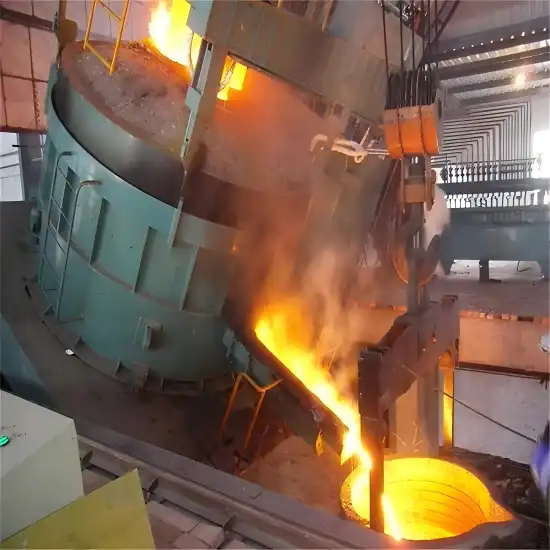
Understanding High-Frequency Furnaces: Principles and Benefits
How Electromagnetic Induction Powers Modern Metal Heating
The way foundries work with metals has changed a lot because of induction heating technology. A copper coil is used to create a rapidly changing magnetic field by passing high-frequency alternating current through it. When conductive materials come into this field, eddy currents form inside the workpiece. These currents cause strong localised heating through resistance. This way of heating without flames gets rid of the waste products of combustion, keeping the work area cleaner while sending heat straight into the material. The electric moving effect that comes with induction systems makes sure that the temperature is the same all over the melt. This stops the uneven compositional changes that happen with other heating methods.
Rapid Heating Capabilities Transform Production Efficiency
When it comes to manufacturing, speed is important. Induction furnaces that work at frequencies between 10 kHz and 100 kHz can heat things 30–50% faster than regular resistance or fuel-fired systems. This speeding up is caused by energy being transferred directly into the workpiece, not by heating the air or materials that are difficult to work with. Your production processes get a lot shorter, which lets you make more batches per shift without lowering the quality. Because it can start up and stop quickly, you can react to urgent orders without having to wait through long preheat processes that slow down equipment and use energy when they're not in use.
Precision Control Delivers Consistent Metallurgical Results
Accuracy in temperature has a direct effect on the quality of the final product. Modern induction heating systems keep temperature differences across the whole piece of work within ±5°C, which is a level of accuracy that older technologies couldn't reach. Programmable heating patterns with multiple stages let foundry workers repeat complicated heat treatment steps like quenching, tempering, and annealing the same way every time. This precision is very beneficial when making parts that need to meet strict metallurgy standards or when working with expensive materials where changes in temperature could lead to expensive rejects. Smart tracking systems constantly change the power flow to account for things like changes in charge size or changes in the temperature of the environment.
Comparing High-Frequency Furnaces with Alternative Melting Technologies
Energy Consumption and Operational Cost Analysis
Modern induction systems are different from older technologies because they are more thermally efficient. Induction furnaces are more than 85% efficient, which means they turn electrical energy into heat with very little waste. Even though electric arc furnaces are good for making a lot of steel, they only work at 60 to 70% efficiency and need a lot of electricity to run. Since coke and other carbonaceous fuels are used in cupola furnaces, the costs of fuel and controlling emissions are going up. Flue fumes and radiant losses cause gas-fired stoves to lose a lot of energy. Over five years of use, the energy saved from induction heating can more than cover the higher cost of the initial equipment. This is especially true for foundries that work with speciality metals or do more than one melt every day.
Melting Speed and Production Throughput Considerations
The required production amount affects the choice of technology. When melting quickly, induction systems work well because they can bring charges from room temperature to pour temperature in minutes rather than hours. Electric arc furnaces are good at melting large amounts of material, but they take longer to melt and cause a lot of electromagnetic radiation. Resistance furnaces heat things slowly and evenly, which is particularly beneficial for delicate materials but slow enough for high-throughput tasks. Cupola furnaces can melt things continuously, but they can't be used for everything because of batch chemistry limits and environmental compliance issues. Foundries that need to be flexible and switch between different metals quickly gain a lot from the fast heating and cooling of induction technology.
Maintenance Demands and Equipment Longevity
Maintenance costs accumulate over the life of a piece of equipment. When compared to arc furnace electrode systems or cupola charge devices, induction furnaces have solid-state power electronics with fewer mechanical wear points. Because direct flame contact doesn't break down the refractory, the crucible lasts a lot longer. Water-cooled induction coils need to be inspected, and their cooling systems need to be maintained on a regular basis. However, these jobs are much easier to do than replacing electrodes or relining refractories. Using temperature sensors and current monitoring in predictive maintenance protocols finds potential failures before they become major problems. This cuts down on unplanned downtime that affects production schedules and delivery commitments.
Why Choose a Custom High-Frequency Furnace? Tailoring Solutions to Your Foundry Needs
Addressing Capacity Mismatches Through Custom Chamber Design
Standard tools often force people to choose between workpiece size and chamber capacity. When rooms are too big, they waste energy heating space, and when they are too small, they limit output or force workpieces to be orientated in awkward ways. Custom high-frequency furnaces get rid of these problems by carefully engineering chamber sizes that fit your unique task. Customised chamber sizing makes the best use of energy while meeting your specific operational needs, whether you're working with φ50mm×100mm lab samples or φ300mm×500mm production parts. This customisation is especially helpful for foundries that work with non-standard casting shapes or special tools that require their own heating settings.
Customizable Power Outputs for Diverse Material Requirements
Different metals need different ways to be heated. Usually, processing steel needs more power than melting aluminium or copper. For precious metal operations, you must heat slowly and control the process to keep vaporisation losses to a minimum. Commercially available gear forces you to use set power levels that might be too high or too low for some tasks. Custom high-frequency furnace specifications let you match the power exactly, from 15 kW units for jewellery shops to 200 kW systems for getting metal ready for forging. The frequency can be changed to work with a wide range of materials, from high-resistance metals that need lower frequencies to go deeper into the material to thin-section parts that do better with high-frequency surface heating.
Automation Integration for Consistent Quality Control
Modern foundries increasingly rely on automatic processes to maintain high quality while reducing labour costs. Induction heating systems work with the production control systems you already have in place without any problems. Programmable logic controllers coordinate heating cycles with stations that move materials upstream and process them downstream. Recipe management systems keep track of tried-and-true heating settings for various metal groups. This way, operators don't have to change setups between shifts. Every thermal cycle can be recorded using data logging, which makes quality assurance records that meet the certification needs of the aerospace, automotive, or medical device industries. These automation features, which were custom-built into the equipment during the planning phase, give operating benefits that can't be added to standard machines after the fact.
Customising equipment goes beyond changing its actual specs; it also includes full service packages. At Shaanxi Heyuan, we know that the success of a high-frequency furnace rests a lot on how well it is installed, how well it is trained to run, and how well it gets ongoing technical help. As part of our custom furnace projects, we include detailed commissioning protocols that make sure the furnace works at its best from the very first production run. Operators learn how to use technology, how to keep it in excellent shape, and how to fix problems by doing things themselves. This sharing of information gives your team the power to get the most out of their tools while still following safe work practices.
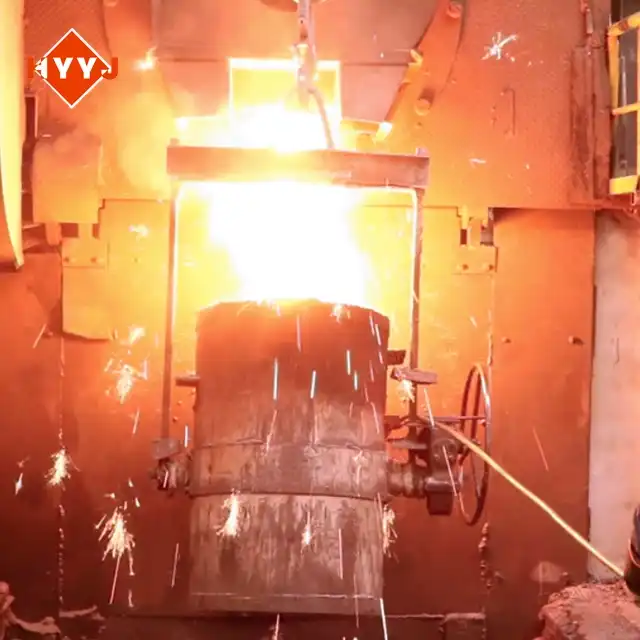
Navigating the Procurement Process: How to Buy Your High-Frequency Furnace?
Evaluating Supplier Credentials and Quality Certifications
The choice of supplier has a big effect on long-term equipment satisfaction. In addition to the original price, you should also look at the qualifications of the manufacturer, their production capabilities, and their quality control systems. Reliable providers keep their ISO 9001 certification, which indicates that they have systematic methods for controlling quality. Getting an ISO 14001 approval for an environmental management system shows that a company is committed to using sustainable production methods. Occupational health certifications show that a workplace is safe and responsible. Shaanxi Heyuanxin Metallurgical Electric Furnace Equipment has all of these certifications, as well as provincial-level company recognition and 3A-level credit standing. This gives procurement workers faith in the supplier's dependability and stability.
Understanding Warranty Coverage and After-Sales Service
Equipment warranties protect your investment against early breakdowns or manufacturing problems. Long-term warranties that cover important parts like power electronics, induction coils, and control systems show that the maker is confident in the product's reliability. Refer to the infrastructure for service after the sale as well as the warranty terms. Does the supplier have authorised technicians or service centres in different areas who can quickly fix equipment problems? Are replacement parts easy to obtain or do they take a long time to ship internationally? Can online tests resolve small problems without having to go to the site? When bidding on tools, these service factors often mean more than small price differences.
Balancing Custom Versus Standard Equipment Options
Limited funds sometimes force buyers to choose stock equipment, even if they sacrifice some functionality. This choice needs to be carefully thought through. Standard units have shorter lead times and lower initial costs, but the production process may need to be changed to work with the limitations of the equipment. Custom High Frequency Furnaces take longer to make—usually 8 to 16 weeks, based on how complicated they are—and cost more up front, but they fit perfectly when they're used. Figure out the total cost of ownership, which should include differences in energy use, gains in production efficiency, and lower rates of scrap. Many foundries find that special equipment pays for itself in 18 to 24 months by improving their operations in ways that aren't possible with standard options.
Making the Right Choice: Selection Criteria and Decision Support for Foundry Managers
Defining Production Goals and Material Specifications
A thorough review of your operations is the first step in selecting the right equipment. Write down your current and planned production amounts, types of materials, and quality standards. Will you mostly work with non-ferrous metals or ferrous alloys? Are they used for melting, heat treating, or for specialised processes like brazing? In what temperature ranges does the equipment need to work? Does it need to be able to handle standard ranges up to 1200°C or extended ranges up to 1600°C? Clear specification development prevents costly mismatches between what the equipment can do and what it needs to do its job. This study done up front saves a lot of time and money compared to finding limits after the equipment has been installed.
Assessing Total Cost of Ownership Beyond Purchase Price
The price of the tools is only one part of their total cost. Estimate your electricity needs based on your production levels and the utility costs in your area. When it comes to temperature efficiency, induction systems that are above 85% use a lot less power than those that are only 60–70% efficient. Maintenance needs, including how often, how hard, and how much parts cost, build up over the life of an item. Factors that affect labour productivity are also important to consider. For example, rapid heating cycles let workers do more useful work while they wait for the equipment to reach the right temperature. Environmental compliance costs are having a bigger effect on foundries' profits. Flameless induction heating gets rid of the costs of controlling emissions that come with systems that use combustion.
Recognizing Manufacturer Innovation and Industry Trust
Industry leaders are different from commodity suppliers because they come up with new technologies. Companies that have more than one utility model patent and software copyrights show that they are constantly investing in new products and not just using old designs. Heyuanxin has more than ten utility model patents and ten software copyrights. These reflect the company's philosophy of continuous improvement, which helps customers by making equipment work better, be more reliable, and have more useful features. Companies that have been trusted by the industry for decades through successful setups offer procurement security that younger sellers who haven't been tested can't match. This basis for a good image is especially helpful when buying equipment that is costly and necessary for your foundry to make things.
To choose the best induction heating provider, you need to look at all of the services they offer. Leading suppliers do more than just make good tools; they also offer design consultations to help you get the best specifications for your individual needs. Installation and testing services make sure that technology works as it should from the start. Long-term satisfaction levels depend on ongoing technical help, such as teaching on how to use equipment, advice on how to keep it in excellent shape, and quick answers to technical questions. These wide-ranging service options set real partners apart from transactional providers whose only goal is to sell tools.
Conclusion
FAQ
What is the typical lifespan of a high-frequency induction furnace?
When properly cared for, induction heating systems usually last 15 to 20 years or longer. Power electronics and induction coils need to be serviced at certain times. For IGBT modules, this interval is usually every 40,000 to 60,000 hours of operation, and for water-cooled copper coils, it's every 5 to 7 years, depending on the duty cycle and working conditions. Regular maintenance, such as checking the cooling system, tightening electrical connections, and testing capacitor banks, makes equipment last a lot longer. Shaanxi Heyuanxin gives customers thorough repair schedules and training to make sure that their equipment lasts as long as possible by following the right care instructions. What is the average amount of time that a high-frequency furnace lasts?
Can custom furnaces accommodate different metals and production volumes?
Customisation takes into account different types of materials and different amount requirements. Frequencies can be changed between 10 kHz and 100 kHz, which lets you work with a wide range of materials, from steel and iron to copper, aluminium, and valuable metals. The sizes of chambers range from small ones used in labs for small study samples to huge ones used in factories for large production runs. Power output specifications (15 kW to 200 kW) meet your throughput needs. Because it can do so many things, a single custom high-frequency furnace can often replace several specialised units. This makes operations easier and saves money on capital equipment.
What are realistic lead times for custom furnace orders?
Custom induction heating equipment usually takes 10 to 14 weeks from the time the order is confirmed until it is finished in the plant. This time includes detailed planning, buying parts, putting the equipment together, and testing it thoroughly. If the specifications are complicated and include odd chamber layouts or unique automation features, the lead time could be up to 16 weeks. Sometimes, depending on how busy the factory is and how many parts are available, it is possible to stick to a tighter schedule. Planning to buy equipment well before you need it for urgent production keeps you from having to rush, and it gives customer teams and engineering staff more time to meet and work on improving the design.
Partner with Shaanxi Heyuan for Your Custom High-Frequency Furnace Needs
Shaanxi Heyuan New Metallurgical Electric Furnace Equipment Co.,ltd has been creating and making tailored induction heating solutions for tough metallurgical uses for more than 15 years. Our engineering team works closely with your technical staff to turn operational needs into the best equipment specifications for your specific problems. We work with you from the first meeting to make sure your custom high-frequency furnace gives your foundry the performance, reliability, and productivity gains it needs. This includes installation, commissioning, and ongoing technical support. We have been making high-frequency furnaces for a long time and have many patents, ISO certifications, and a 3A-level credit standing. This means that we have the technical knowledge and manufacturing quality that procurement workers need when they buy important production equipment.
To discuss your unique furnace needs, email our expert sales team at sxhyyj606@163.com. Visit hyyjfurnace-supply.com to see all of our equipment options and get access to specific technical tools that will help you choose the right equipment. Whether you need a small 15 kW lab unit or a large 200 kW production system, Heyuanxin can help you with a unique solution and exceptional service.
References
1. American Foundry Society. (2021). Induction Melting and Heating: Principles, Applications, and Best Practices. Schaumburg: AFS Technical Publications.
2. Davies, E.J. (2019). Conduction and Induction Heating. London: Institution of Engineering and Technology.
3. Rudnev, V., Loveless, D., Cook, R., & Black, M. (2017). Handbook of Induction Heating (2nd ed.). Boca Raton: CRC Press.
4. International Electrotechnical Commission. (2020). IEC 60519-3: Safety in Electroheat Installations - Part 3: Particular Requirements for Induction and Conduction Heating and Melting Equipment. Geneva: IEC Publications.
5. Zinn, S., & Semiatin, S.L. (2018). Elements of Induction Heating: Design, Control, and Applications. Materials Park: ASM International.
6. Foundry Management & Technology. (2022). Energy Efficiency and Sustainability in Modern Metal Melting Operations. Cleveland: Penton Media Industrial Group.


YOU MAY LIKE