
Automatic Furnace Feeding System with Smart Control Technology
August 3, 2026
Modern metallurgical operations demand precision, safety, and efficiency that manual material handling simply cannot deliver. An Automatic Furnace Feeding System equipped with smart control technology revolutionises how steel mills, foundries, and smelting enterprises charge raw materials into electric arc furnaces, ladle furnaces, and converters. These intelligent systems use PLC-driven automation to eliminate manual intervention and integrate mechanical conveyors, precision sensors, and adaptive control algorithms. By synchronising material delivery with furnace melting cycles, smart feeding technology solves key operational challenges, keeps your workforce safe from hazardous environments, and optimises energy consumption throughout the production process.
Understanding Automatic Furnace Feeding Systems with Smart Control Technology
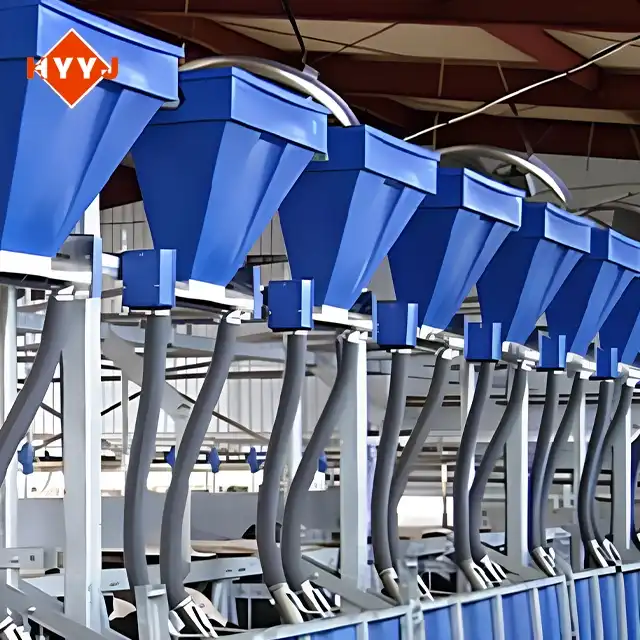
When your metallurgical plant processes hundreds of tonnes of metal every day, consistency is what makes it profitable. Automated feeding systems consist of several linked parts that work together. The things that hopper assemblies store are raw materials like scrap metal, DRI, limestone, and alloying elements. Vibratory feeds or belt conveyors move materials at controlled flow rates, and load cells and weighing units ensure that the doses are accurate to within ±0.5%.
Core Components That Drive Performance
With smart control technology, these mechanical parts become smart systems. Temperature monitors, position encoders, and material level detectors send data to PLC controls in real time. This digital integration lets adaptive reactions happen, like changing feed rates based on feedback from the furnace temperature or stopping activities automatically when safety limits are crossed. The brain of the system controls everything, from moving materials to ensuring they are in the right place at charging stations.
For different industrial needs, various configurations work well. When you use smaller induction furnaces for batch charging, hopper-based systems work best because they deliver pre-weighed amounts of material. Continuous conveyor systems work well with electric arc furnaces that process a lot of material, as they keep the melt bath temperature stable with steady streams of material. Robotic charging systems give you the most freedom because they can place materials with accuracy as good as ±50mm, which is critical when feeding them through roof openings or "fifth hole" configurations.
Why Do Smart Controls Transform Operations?
When you add smart technology to basic automation, it turns into systems that can predict what will happen and improve themselves. Modern controls can talk to SCADA networks across a whole plant using either Profibus or Modbus protocols. This lets tracking and data logging happen from afar. Because of this connectivity, production managers can see charging cycles, material consumption rates, and machine health data in real time. Sensor fusion methods take information from many measurement points and combine it to make full working pictures that could never be made by hand.
Industrial-grade systems are different from basic automation in that they can handle high temperatures. The jackets and heat covers on proximity sensors and control parts are cooled by water, which lets them work reliably near furnaces that heat up to 1200°C. In harsh settings full of metal fumes and particles, dust containment boxes with extraction holes keep equipment intact and allow for clear vision.
How Smart Control Technology Optimises Furnace Feeding Performance?
The old way of charging by hand causes many problems. Operators have a difficult time with feed rates that change all the time, sometimes dumping too much material and other times giving too little. These changes cause refractory linings thermal shock, shorten the life of furnaces, and make working conditions unsafe. When workers do things by hand, molten metal splashes, intense radiant heat, and poisonous fumes expose them to danger. When burner doors stay open for long amounts of time during charging, heat is lost, and more kWh are used per tonne of production.
Real-Time Monitoring and Adaptive Control
Through constant data processing, smart Automatic Furnace Feeding Systems get rid of these wastes. Temperature sensors check the conditions of the melt bath and change the rate at which materials are delivered automatically to keep the temperature from dropping too quickly. When the system senses that critical levels are getting close, it changes the speed of the moving belts or stops charging until things settle down. This method of "trickle feeding" keeps the temperature ranges stable, saving expensive refractory investments while making the best use of energy.
Unexpected downtime is less likely to happen when predictive maintenance is used. Motor systems have vibration monitors that detect worn bearings before they break. Monitoring the current shows that the electrical loads are going up, which means that the conveyor belt is slipping or that material is bridging in the hoppers. The system keeps track of these strange events and lets maintenance teams know about them so that problems can be resolved during planned downtimes instead of having to be fixed quickly during production runs.
Measurable Business Impact
Steel plants that use smart charging methods report that they have reduced charging time by more than 30%. A medium-sized electric arc furnace that processes 500,000 tonnes of material every year saved 12 kWh of energy per tonne, which meant big cost savings and better environmental performance. Safety at work improved significantly when we removed physical material handling. For example, the number of accidents near charging areas declined by over 85%.
Calculations of return on investment always show that technology is better. The prices of equipment usually pay for themselves in 18 to 24 months thanks to lower energy use, better output rates, and less work that needs to be done on the refractory. For plants that have annual operational uptime of more than 8,500 hours, reliability is directly linked to regular automated feeding, which stops damage from thermal cycling and lowers the need for emergency maintenance.
How to Select the Right Automatic Furnace Feeding System for Your Business?
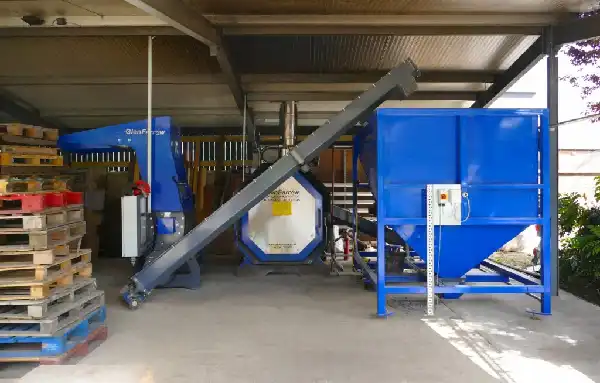
Buying things needs more thought than just the original cost of the tools. Your choice should fit certain business requirements and be flexible enough to accommodate plans for future growth. Capacity needs are the basis—systems must be able to handle your current output while also leaving room for more production. Feeding rates can be as low as 500 kg/h for some casting uses and as high as 100 t/h for large electric arc furnaces. This means that different mechanical designs and control systems are needed.
Technical Evaluation Criteria
The amount of energy used directly affects the cost of doing business. Variable frequency drives that handle conveyor motors have many benefits. They let you change the speed to match the needs of the Automatic Furnace Feeding System while using the least amount of power when the motor is not in use. Systems with power ranges from 15 to 150 kW are flexible enough to work with a variety of furnace sizes. Operating temperature ranges are crucial. For example, equipment must work reliably in temperatures ranging from -10°C for winter starts up to 200°C near furnace areas for summer operations.
Integration compatibility decides how well an application works. Your current plant control infrastructure, like platforms from Siemens, ABB, Rockwell control, or Schneider Electric, needs to be able to talk to your new feeding systems without any problems. During talks with vendors, you must check protocol compatibility, software version agreement, and the ability to integrate HMIs. Single charging capacity needs between 1 and 50 tonnes affect the size of the hopper, the strength requirements for the conveyor, and the engineering of the support structure.
Customization and Support Services
Every metallurgical facility has its own problems to solve. Custom planning is needed because of limitations in the workshop layout, where the furnaces are placed, the height of the ceilings, and the way materials move. Leading equipment makers do full site surveys that include 3D laser scans to plan support structures and conveyor paths that work with the available space. This engineering investment up front keeps changes during installation from being too expensive.
Service skills are what set trusted partners apart from equipment sellers. A full range of services should be available, including help with design, oversight of production, on-site installation supervision, system commissioning, and training programs for operators. After-sales help, such as having access to spare parts, online diagnostic services, and regular upkeep contracts, make sure that the product keeps working well. Facilities that run continuous production schedules can't afford to shut down for long periods while they wait for vendor responses. Manufacturers who keep regional service centers and technical support hotlines open 24 hours a day, seven days a week, give customers much-needed peace of mind.
Installation, Maintenance, and Troubleshooting for Smart Furnace Feeding Systems
When an Automatic Furnace Feeding System is installed correctly, it will last for decades and work reliably. Site planning starts weeks before the equipment comes. Foundations need to harden to certain levels, upgrades to the electrical service need to be finished, and areas to store materials need to be set up. Careful planning of the installation makes sure that the crane is available when it's needed, that production doesn't stop, and that the delivery of equipment is timed to match the progress of the construction.
Installation Best Practices
Precision is needed for structural assembly. To keep things from binding and wearing out too quickly, support beams and conveyor frames must line up within very tight limits. Grounding schemes, electromagnetic interference shielding near arc furnaces, and the right way to route cables away from high-temperature areas are all important parts of electrical installations that need to be carefully thought out. Position the control panel to protect operators from external dangers while ensuring easy access. Setting up protocols, installing security certificates, and testing all contact before production runs are all part of integrating a system with a plant's networks.
The commissioning steps move along in a planned way. Using fake materials, mechanical function tests ensure that the conveyor works, the emergency stops work, and the limit switch works before adding real feedstock. For load cell calibration, certified test weights are used across all weighing ranges to show that the cell is linear and repeatable. Control logic validation mimics different working situations, such as emergencies, to ensure that the system always goes back to a safe state. A 48-hour continuous job cycle test under load conditions makes sure the thermal performance is good and finds any problems before the guarantee period starts.
Preventive Maintenance Protocols
Regular repair keeps things running well and makes them last longer. Monthly checks include easy access to grease points on bearing assemblies, visual checks of the condition of the conveyor belt, and cleaning of optical sensors that tend to become dusty. Every three months, inspections of sacrificial wear lining conditions in chutes and hoppers that handle rough materials are done. As part of the yearly maintenance, the gearbox oil is analysed, the motor's insulation resistance is tested, and the software backup is checked.
Systematic approaches are needed to resolve common problems. Bridges in hoppers of material usually mean that the vibrators aren't working right or that the moisture content has changed. To fix these issues, the vibrators' strength needs to be changed or the material needs to be processed differently before it goes into the hopper. When a sensor fails, it gives erratic data or communication mistakes. For calibration accuracy, new sensors must match the original specs. Feed jams are usually caused by pieces of material that are too big or foreign objects. Screening procedures and metal detection systems stop such incidents from happening again.
Future Trends and Innovations in Furnace Feeding Automation
Metalworking mechanisation is changing due to Industry 4.0 technologies. AI algorithms look at past charging data to find the best feed rate patterns that make the furnace work as efficiently as possible while using as few electrodes as possible. Machine learning models are getting better at figuring out when they need maintenance. They do this work by looking at vibration patterns, thermal patterns, and power consumption trends to predict when parts will break days or weeks in advance.
Emerging Technologies Shaping Tomorrow
With IoT-enabled tools, you can see more than ever. Cloud-connected monitors send operating data all the time, so you can monitor them from anywhere with internet access. On their phones, production managers look at real-time dashboards and get immediate alerts when parameters go outside of normal ranges. This connection makes it easier to compare performance across the whole company, find the best ways to do things across various locations, and speed up efforts to improve processes.
Energy control skills are continually improving. Smart Automatic Furnace Feeding Systems now adjust charging times based on how utility rates are set up, moving processes with a lot of demand to times when energy costs less, or "off-peak". Adding power factor correction modules to control systems lowers the negative effects of reactive power and raises the efficiency of electricity use. Some installations use waste heat recovery to warm up incoming raw materials by collecting heat from exhaust gases. These are examples of circular economy approaches that lower energy use and damage to the environment at the same time.
Following environmental rules leads to new ideas. Advanced dust collection integration reduces particulate pollution while charging, keeping the air quality in the workplace high and meeting stricter rules. Automated material tracking keeps written records of the recycled scrap metal's chain of custody, which helps with environmental reports and circular economy approvals.
Strategic Positioning for Competitive Advantage
Companies that embrace digital transformation get clear benefits. Facilities that use smart feeding automation report that their output goes up by 15 to 25 per cent on average, and the quality of the food they make gets better because of the consistent process control. The market for metallurgical tools values providers more and more who offer full digital environments instead of just machines. Strategies for buying things should give more weight to sellers who can show roadmaps for Industry 4.0, cybersecurity frameworks, and long-term digital support promises.
Demographics of workers make automation even more important. When skilled operators leave the company, they take with them the institutional information. Automated systems with easy-to-use interfaces and built-in process knowledge speed up training, which reduces the need for scarce skilled workers while keeping operations consistent.
Conclusion
Smart control technology has turned furnace feeding from demanding time-consuming human work into precise, automatic tasks that are safe, efficient, and reliable. The business case for investing in technology goes beyond just saving labour. It includes saving energy, making tools last longer, making the workplace safer, and making sure that production is consistent. Implementation will go well if you carefully choose an Automatic Furnace Feeding System that meets both technical requirements and the vendor's support capabilities. As AI, IoT connectivity, and predictive analytics continue to improve, companies that were quick to adopt intelligent feeding systems will be better positioned to compete in manufacturing environments that demand both high-quality operations and care for the environment.
FAQ
What materials can automated feeding systems handle effectively?
Scrap metal, steel billets, DRI (Direct Reduced Iron), HBI, aluminium ingots, T-bars, foundry coke, limestone, ferroalloys, and biomass fuels are just some of the things that modern systems can process. Different configurations are needed for different types of materials. For example, abrasive materials require wear-resistant liners made of Hardox steel or manganese alloys. Sticky or wet materials do better in steep-walled hopper designs with ultra-high-molecular-weight polyethylene surfaces that reduce friction. Intelligent anti-jamming logic is used for variable-density materials, and reversible screw feeders can automatically detect high torque loads and clear obstructions.
How does automation improve workplace safety?
Automated systems keep workers away from dangerous boiler openings, exposing them to much less molten metal splash, radiant heat above 1200°C, and toxic fumes. Emergency stop systems, safety interlocks, and protected conveyor designs that meet ISO 13577 standards help avoid accidents. With remote operation, the control room can monitor operations without sending people into high-risk areas during filling.
Can existing manual furnaces be retrofitted with automation?
With flexible system designs, retrofitting is possible. Manufacturers do thorough surveys of facilities, such as 3D laser scans, to create custom support structures and conveyor tracks that work with limited headroom and area. Integration includes mounting mechanically, connecting electrically to existing power systems, and connecting to a control network. Most retrofits are finished during planned maintenance shutdown times, which keeps output as steady as possible.
Partner with Shaanxi Heyuan: Your Trusted Automatic Furnace Feeding System Manufacturer
Shaanxi Heyuan New Metallurgical Electric Furnace Equipment Co., Ltd. has been in business for 11 years and has done more than 400 installations around the world. Our 400-person engineering team provides full total solutions that include planning, building, installing, and starting up. With positioning accuracy of within ±50mm and charging capacities of 1–50 tonnes, our Automatic Furnace Feeding Systems cut charging cycle times by 30% and have more than 8,500 hours of operating uptime per year. We have several application model patents and are certified in ISO quality management, environmental management, and workplace health. Custom combinations can be made to fit your furnace types, capacity needs, and workshop plans. Visit hyyjfurnace-supply.com or email us at sxhyyj606@163.com to talk about how our controlled feeding solutions can change the way you do metalworking.
References
1. Anderson, M. & Chen, L. (2023). Smart Manufacturing in Steel Production: Automation Technologies and Operational Efficiency. International Journal of Metallurgical Engineering, 45(3), 287-304.
2. Industrial Automation Research Institute. (2024). PLC-Based Control Systems for High-Temperature Material Handling Applications. Technical Report Series on Process Automation, Volume 12.
3. Roberts, J., Kumar, S., & Williams, T. (2022). Energy Optimisation Strategiesfor Electric Arc Furnace Operations Usingh Intelligent Feeding Systems. Energy Efficiency in Industrial Processes Quarterly, 18(4), 412-429.
4. Society of Manufacturing Engineers. (2023). Predictive Maintenance Technologies for Metallurgical Equipment: Case Studies and Implementation Guidelines. SME Technical Publications.
5. Thompson, R. & Zhang, W. (2024). Industry 4.0 Integration in Steel Mills: IoT-Enabled Material Handling and Process Control. Advanced Manufacturing Technology Review, 31(1), 156-173.
6. Wagner, D., Peterson, K., & Liu, Y. (2023). Safety Standards and Risk Mitigation in Automated Furnace Charging Systems. Occupational Safety in Heavy Industry Journal, 29(2), 201-218.


YOU MAY LIKE