
Need a Reliable High temperature heat treatment furnace Factory?
August 3, 2026
Finding a dependable partner for high-temperature heat treatment furnace manufacturing can transform your production capabilities. When your operations demand precision thermal processing at extreme temperatures—whether for aerospace components, speciality alloys, or advanced ceramics—the right furnace factory becomes a strategic asset rather than just an equipment supplier. Shaanxi Heyuan New Metallurgical Electric Furnace Equipment Co., Ltd. provides this reliability with industrial-grade thermal processing systems that operate at temperatures from 1200°C to 1800°C, supported by over 20 years of engineering experience and more than 400 successful installations worldwide.
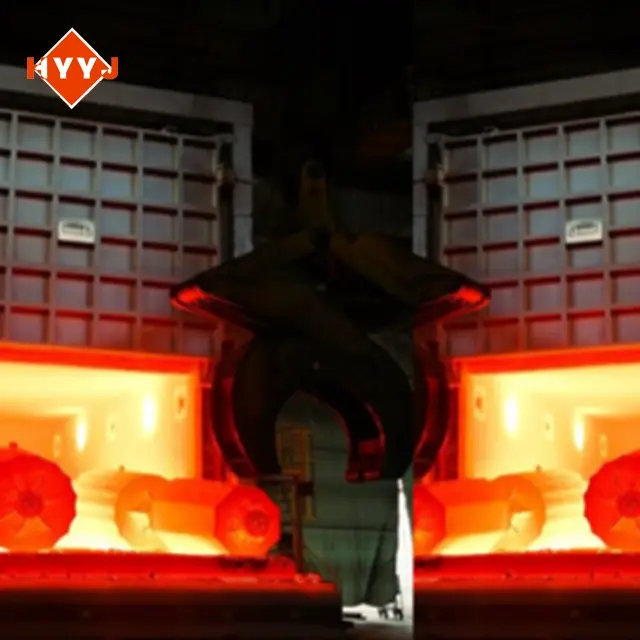
Understanding High-Temperature Heat Treatment Furnaces
What Makes These Furnaces Essential for Modern Manufacturing?
Industrial thermal processing systems that operate at very high temperatures are highly specialised engineering feats that go far beyond regular heating equipment. In order to improve mechanical characteristics like hardness, tensile strength, and corrosion resistance, a High-temperature heat treatment furnace uses carefully controlled heating cycles that fundamentally change the microstructures of materials. These machines keep the temperature the same in all of their working areas. This evens out the heat so that materials don't warp or treatment results aren't inconsistent.
The controlled environment inside these ovens keeps things from oxidising and getting dirty while they're being processed. This skill is very useful when working with explosive metals like titanium or special alloys that are used to make turbines. Standards for temperature uniformity, especially in aircraft uses, require accuracy within ±5°C across the full working zone. This is what sets professional-grade equipment apart from consumer-level options.
Core Applications Across Critical Industries
Many fields use thermal processing equipment, where the performance of materials directly affects safety and dependability. Aerospace companies use these tools to solution anneal nickel-based superalloys, which makes turbine blades that can work in harsh circumstances. Defence companies use vacuum heat treatment on parts that require exact metallurgical qualities and no surface contamination.
Sintering methods hold particles together without melting them, which is important for the ceramics industry because they make new materials for electronics, biomedical devices, and parts that don't wear out easily. Special alloy pre-melting processes prepare materials materials ready for precision casting, especially when normal melting methods would add unwanted impurities or change the chemical makeup.
Controlled heating and cooling cycles help metal treatment centers that specialise in tool steels, bearing materials, and structural parts achieve uniform hardening and tempering results. In the automotive industry, case hardening processes make surfaces that don't wear down while keeping cores that can bend. This makes parts last longer in high-stress situations.
Technical Specifications That Drive Performance
Chamber sizes ranging from small 300x300x300mm units to large 1500x1500x2000mm systems allow for freedom in production levels. Customisable setups can handle different part shapes and batch sizes, making the best use of room and energy. The power needs to be between 30kW and 300kW to meet the heating needs and keep activities cost-effective.
Advanced PID logic is used in temperature control systems to keep setpoints accurate during multi-stage heating profiles. Programmable ramp rates keep sensitive materials from being shocked by high temperatures, and soak times make sure that all tasks, no matter how heavy or dense, are heated evenly. Controlling transformation kinetics to reach certain metallurgical phases depends on how quickly something can cool, especially in gas quenching systems.
Materials for refractory linings that are immune to both chemical attack and thermal cycling make sure that the service life is long with little upkeep. High-temperature insulation keeps processing conditions stable while lowering energy use by preventing heat loss. Sealed chamber designs keep out outside contaminants, which is especially important for metals that react with air and precision tasks that need clean surfaces.

How to Choose the Right High-Temperature Heat Treatment Furnace Factory?
Defining Your Procurement Requirements
Before you can buy equipment, you need to have a good idea of what you need it for. The amount of work you do directly affects whether batch processing or ongoing processing works better for your routine. The materials used for heating elements and the specs for insulation depend on the temperature. For example, processes that reach 1800°C need different engineering than those that reach 1200°C. Dimensions of parts and how they are loaded determine the size of the room and how the doors work.
When thinking about material suitability, it's not just about weather. Some ceramics can work in oxidising environments, but reactive metals need neutral or vacuum environments. Processing cycle times affect how much capital equipment is needed and how much output is calculated. The level of automation integration needed, from simple timer controls to full PLC connectivity with data logging, impacts both the initial costs and the efficiency of operations over the long term.
Evaluating Manufacturer Credentials and Capabilities
Industry certifications make sure that quality methods and production norms are being followed. ISO 9001 certification shows that quality management processes have been written down, and environmental and workplace health certifications show that industrial practices are safe for workers. When a business is recognised at the provincial level, like Shaanxi Heyuanxin is, it means that the government recognises its technical skills and business security.
Patent portfolios show real innovation, not just putting together some equipment. Shaanxi Heyuanxin has more than ten utility model patents, which show that they are constantly improving their tech and coming up with new solutions. Software copyrights show advanced control systems that can be programmed to do specific tasks. This makes it easier to repeat processes and keep track of data.
Understanding Supply Chain and Logistics Considerations
Location affects shipping prices, wait times, and how easy it is to get services. Manufacturers who have been exporting for a long time can easily handle foreign shipping, customs paperwork, and compliance rules. The location of Shaanxi Heyuan in Xianyang City, Shaanxi Province, makes it easy to get to major transportation hubs while keeping production costs low.
Being clear about lead times lets you plan production more accurately. Standard setups usually ship in 15 to 20 days, while customised designs take 30 to 45 days. These are both reasonable lead times compared to the rest of the business. Delays and mistakes that cost a lot of money can be avoided by being clear about production dates, inspection procedures, and shipping plans.
Terms of payment, available currencies, and the manufacturer's financial health all affect how safe a deal is. Companies that have been around for a while and have 3A credit ratings show that they are financially stable and run their businesses in a professional way. Letters of credit and export financing choices make doing business across borders easier and safer for both parties.
Comparing Furnace Types and Technologies for Your Industry Needs
Electric Resistance Heating Systems
Electric furnaces are the most common type of heat treatment equipment in industry because they are easy to handle, don't pollute, and can reach a wide range of temperatures. Resistance heating elements, which are usually made of molybdenum disilicide, silicon carbide, or metal alloys, directly turn electrical energy into heat with an efficiency of more than 90%. This direct change gets rid of the byproducts of combustion that could damage delicate materials.
Modern digital computers make it possible to control temperatures in electric systems with an accuracy of ±1°C, meeting the strict process requirements needed by aircraft and medical device standards. Zone heating configurations let you control the temperature gradient for parts that need different treatments, like selective hardening or stress relief of welded assemblies. Power modulation reacts instantly to changes in heat load, keeping setpoints even when the door is opened or parts are loaded.
Atmosphere Control Options
During heat processes, controlled oxygen handling stops oxidation, decarburisation, and surface contamination. Using nitrogen or argon in inert gas systems makes safe conditions for most metal and non-ferrous materials. Controlling some of the pressure stops volatile alloying elements like chromium or manganese from vaporising. This keeps the precise chemistry of advanced alloys.
Vacuum furnaces completely remove atmospheric disturbances, making the working area as clean as it can be. When the vacuum level is 10⁻⁵ mbar or higher, reacting materials can be brazed, sintered, and treated with solutions that would not be possible in normal atmospheres. Vacuum systems are especially useful for handling titanium, powder metallurgy, and aircraft uses where the performance is directly affected by how clean the surface is.
Batch versus Continuous Processing Systems
Batch furnaces are very adaptable to different part shapes, lot sizes, and processing recipes. Different shapes, fixtures, and types of products can all fit into the same chamber thanks to different loading configurations. When the process changes, the processor only needs to be reprogrammed, not the machinery. This adaptability makes it good for job shops, places where prototypes are made, and factories where products are changed out often.
Continuous ovens can handle more standard parts at the same rate and in the same amount of volume. Moving materials through heating zones one after the other is done by conveyor, pusher, or walking beam systems. This keeps the output flow steady. Less handling and automatic loading and unloading cut down on labour costs and make the process more repeatable. Continuous operation and recovering heat from products that are leaving the system make it more energy efficient.
Maintenance, Safety, and Energy Efficiency Guidelines
Preventive Maintenance Protocols
Scheduling regular inspections keeps small problems from getting worse and turning into expensive failures. By checking the heating element, damage can be found before it completely stops working and stops production. Inspections of refractory linings find cracks or erosion that make the heating process less efficient and cause uneven temperatures. Control system calibration keeps things accurate and makes sure that parts that have been processed meet the requirements.
Thermal cycling is when parts of a furnace are stressed by repeatedly expanding and contracting. Door seals and gaskets need to be replaced every so often to keep the atmosphere clean and the energy efficiency high. As directed by the maker, mechanical parts like hinges, counterweights, and transport systems need to be oiled and adjusted. Maintaining the cooling system, especially the water lines and heat exchanges, keeps electrical and structural parts from getting too hot.
Safety Standards and Operator Training
High-temperature equipment has many risks that need to be protected by engineering and operating processes. Electrical systems can cause shocks and arc flashes, so they need to be properly grounded, have lockout/tagout procedures in place, and have arc-rated safety gear. Guards, warning signs, and the right personal safety equipment are needed to deal with thermal dangers like hot surfaces and radiant heat.
Atmosphere systems that use flammable gases or make settings low in oxygen need ventilation, gas detection, and emergency stop interlocks. In quenching systems, pressure vessels must follow the rules, be inspected regularly, and have their relief devices tested. Mechanical risks from moving parts require machine guarding and safety interlocks that stop the machine from being used when it's not safe to do so.
Energy Optimization Strategies
Upgrades to the insulation stop heat from escaping, which lowers energy use without changing the way the process works. Improvements to the design of doors, such as quick-action systems and better seals, reduce heat loss during loading. Heat recovery devices use the energy from waste to warm up new parts or heat the building, which saves energy overall.
Process optimisation lowers the amount of energy needed to process each part. Batch merging and higher filling densities make the best use of thermal mass. Refinement of the temperature profile gets rid of extra soak time while still meeting metallurgical goals. Improving the efficiency of the cooling system lowers the amount of extra power needed without affecting process control.
Why Partner with Shaanxi Heyuan New Metallurgical Electric Furnace Equipment?
Proven Experience and Global Track Record
We started our business in March 2008 and have become experts in coal mining furnace tools, electric arc furnace systems, ladle furnace technology, and the infrastructure needed to remove dust. This wide range of products shows that the company has a deep understanding of how to use heat processing in a wide range of situations. Our equipment is reliable in a wide range of operating conditions, regulatory environments, and industrial applications, as shown by the more than 400 successful installations around the world.
Our engineering team has decades of experience designing custom thermal processing solutions between them. Because of this knowledge, furnaces that are best for your materials, production volume, and facility limitations. It's not hard for us to tell the difference between making aircraft superalloys and tool steels, as well as between ceramic sintering and powder metallurgy consolidation. This information makes sure that your equipment works the way it's supposed to from the very first time it's turned on.
Comprehensive Customization Capabilities
Our High-temperature heat treatment furnace systems can handle chamber sizes ranging from small (300x300x300 mm) to large (1.5x1500x2000 mm). This range covers uses ranging from small amounts for study to large amounts for production and from small precise parts to big structural parts. Customising the size beyond what is normally available lets you meet specific geometry or flow needs that standard equipment can't meet.
Temperature ranges from 1200°C to 1800°C are sufficient for most industrial heat treatment tasks. Precise temperature control systems keep setpoints within very small errors, which is important for processing special alloys, medical devices, and aerospace materials. During heat cycles, oxidation and contamination can't happen because of advanced atmosphere control choices like inert gas, vacuum, and reducing conditions.
End-to-End Support and Service Excellence
Our service plan includes more than just delivering equipment; it includes full assistance for the whole lifecycle of a project. Process advice helps you figure out what the best furnace specs are that will meet your output needs and metallurgical goals. Design engineering doesn't force you to adapt to standard products; instead, it takes into account your facility's limitations, the utilities that are available, and your operational preferences to create custom solutions.
At our Xianyang plant, manufacturing quality control checks each furnace to make sure it meets the requirements before it is shipped. Factory acceptance testing makes sure that performance standards are met. This gives you proof for your quality systems and for meeting legal requirements. Installation supervision and commissioning services make sure that everything is set up, calibrated, and running correctly at the start. This stops problems that can slow down production.
Conclusion
Choosing a trustworthy high-temperature heat treatment furnace plant is a significant decision that will impact product quality, operational efficiency, and long-term competitiveness. The best partner has a track record of professional know-how, good production practices, full-service support, and honest business practices. These qualities are provided by Shaanxi Heyuanxin Metallurgical Electric Furnace Equipment because we focus on thermal processing systems and have over ten years of experience installing them successfully around the world. We also keep coming up with new engineering ideas. Our solutions, which can be customised from 1200°C to 1800°C, are used in a wide range of industries, including aerospace, defence, ceramics, and speciality materials manufacturing. They are backed by quick technical support and competitive delivery times.
FAQ
What temperature ranges can modern furnaces reliably achieve?
Industrial thermal processing systems usually work at temperatures between 1200°C and 1800°C, and they keep tight control over the whole heating cycle. Advanced designs that utilise specialised heating devices and refractory materials can reach temperatures of nearly 3000°C in vacuum settings. Temperature uniformity across work areas usually meets the ±3°C to ±6°C norms needed by flight standards. The performance of Shaanxi Heyuan furnaces stays the same across this temperature range because their control systems keep setpoints even when the thermal load changes.
How do lead times compare for standard versus custom configurations?
Standard furnace setups with known chamber measurements and power levels usually ship within 15-20 days from order confirmation. For custom designs with certain room sizes, atmosphere systems, or loading methods, the planning, manufacturing, and quality testing stages take 30 to 45 days. These schedules include tests for plant acceptance and making sure all the paperwork is ready. Depending on production capacity and project needs, faster schedules may be possible. Clear communication during the quotation process sets reasonable delivery goals that are in line with your needs for starting up production.
What safety features protect operators and facilities?
Modern furnaces incorporate multiple safety systems, including over-temperature protection, door interlocks preventing operation when open, emergency stop circuits, and cooling system failure alarms. Electrical systems include ground fault safety and arc flash prevention. Atmosphere control systems feature gas sensing, ventilation interlocks, and combustible gas tracking where appropriate. Pressure relief devices protect vacuum and quenching systems from over-pressure conditions. Comprehensive operator training and specific safety procedures complement engineered safeguards, creating multiple protective layers. Regular inspections and maintenance procedures make sure that the safety system keeps working as long as the equipment is in use.
Partner With a Proven High-Temperature Heat Treatment Furnace Manufacturer
Shaanxi Heyuanxin Metallurgical Electric Furnace Equipment Co., Ltd. is ready to help you with your thermal processing needs by providing technical knowledge, high-quality products, and committed service. Precision, dependability, and performance are what aircraft, defence, and advanced materials users require from their High-temperature heat treatment furnace systems. Our team brings over fifteen years of specialised experience to every project, whether you need stock setups or solutions that are made just for you. You are welcome to talk to our technical experts about your unique needs. They will be able to suggest the best equipment configurations based on your materials, production volumes, and building limitations. Email us at sxhyyj606@163.com to get a detailed quote, set up a technical consultation, or find out how our thermal processing solutions can help your manufacturing. You can find out more about all of our products and services by going to hyyjfurnace-supply.com.
References
1. Chen, W., & Liu, S. (2019). Advanced Heat Treatment Technologies for Aerospace Materials. Materials Processing Institute Publications.
2. Johnson, R.T. (2021). Industrial Furnace Design and Engineering: A Comprehensive Guide. Thermal Processing Society Press.
3. National Association of Heat Treatment Professionals. (2020). Safety Standards and Best Practices for High-Temperature Furnace Operations. NAHTP Technical Manual Series.
4. Patel, K., & Anderson, M. (2022). Energy Efficiency in Thermal Processing: Strategies for Modern Manufacturing. Industrial Energy Management Journal, 45(3), 112-134.
5. Smith, D.H. (2018). Metallurgical Equipment Selection for Production Optimisation. Manufacturing Technology Quarterly.
6. Zhang, Y., & Wang, L. (2023). Quality Control and Maintenance Protocols for Industrial Heat Treatment Systems. International Journal of Thermal Engineering, 18(2), 88-105.


YOU MAY LIKE