
What Makes a High Frequency Furnace Ideal for Precision Heating?
September 23, 2026
A High Frequency Furnace excels in precision heating because it employs electromagnetic induction principles to generate heat directly within conductive materials, achieving rapid temperature response and exceptional uniformity. Operating between 10 kHz and 100 kHz, these furnaces deliver thermal efficiency exceeding 85% while maintaining temperature accuracy within ±5°C—critical for metallurgical applications demanding consistent quality and minimal energy waste.
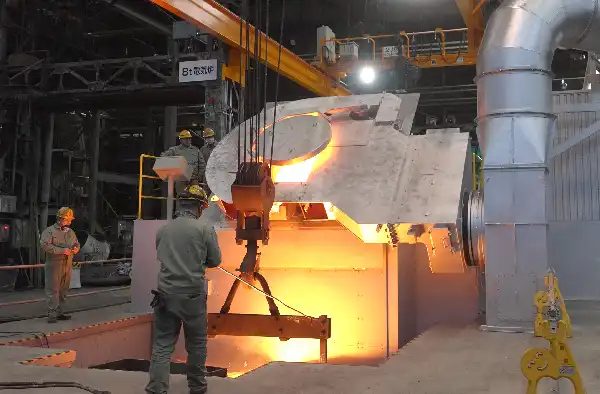
Understanding High Frequency Furnaces and Their Precision Heating Capabilities
The Electromagnetic Induction Principle
The way that high-frequency induction stoves make heat is very different from how other heating equipment does it. A changing magnetic field can pass through conductive materials when alternating current flows through an induction coil at frequencies between 10 and 100 kHz. This field creates eddy currents inside the material. The metal's electrical resistance turns these currents into heat energy through Joule heating.
This creates direct heat inside the object without using a spark or thermal transfer. At Shaanxi Heyuan, our systems use advanced IGBT inverter technology to exactly control the frequency and power delivery. This lets workers target different heating depths and rates based on the type of material and the needs of the process.
Core System Components
Modern induction heating systems have a number of important parts that work together. The power supply machine changes regular line-frequency electricity into high-frequency current. Depending on the size of the machine, it can output anywhere from 15 kW to 200 kW. Copper induction coils that are custom made for each workpiece shape focus the electromagnetic field on the parts that need to be heated.
Programmable logic controllers and temperature sensors keep an eye on the temperature in real time and change the power output to keep setpoints within ±5°C during the whole heating cycle. During continuous operation, water cooling systems keep coils and electronics safe from thermal damage. If coolant pressure drops below safe levels, automatic alarms stop the equipment from breaking down.
Temperature Range and Chamber Specifications
Our induction systems can work in a wide range of temperatures, from room temperature to 1600°C, so they can be used in a variety of metalworking processes. The chamber sizes range from small (φ50mm×100mm) ones that are good for lab work and melting valuable metals to bigger ones that can handle bigger production batches (φ300mm×500mm).
This scalability lets metallurgical plants perfectly match the custom-made type of their equipment to the amount of work they need to do. This way, high-frequency furnaces that are too big don't run at full capacity, and units that are too small cause production to slow down.
Key Benefits of High Frequency Furnaces in Precision Heating Applications
Induction heating has many operational benefits that go beyond just better performance. It directly addresses problems that procurement professionals look for when they are deciding what equipment to buy.
Superior Thermal Efficiency and Energy Savings
Induction systems have thermal rates of more than 85%, which is a lot higher than gas-fired or resistance furnaces, which lose a lot of energy to solar heat and exhaust gases. The electromagnetic field sends energy straight into the gases, lowering the amount of energy lost in transfer and the heat load on the equipment around it.
These improvements in efficiency lead to real drops in costs. Metallurgical companies say that their heating processes are 30–50% faster than older ways. This means that less energy is used per processed unit while throughput goes up. Over the course of several years of use, these savings often cover the cost of the initial equipment purchase, giving a strong return on capital expenditure.
Exceptional Temperature Uniformity
Temperature differences cause internal stresses and uneven material properties that lower the quality of the final product. The electromagnetic stirring effect of induction heating keeps the temperature of liquid metals constant, which stops the layering that happens in resistance-heated crucibles.
Power delivery is constantly changed by real-time monitoring tools to keep setpoint accuracy within ±5°C at all steps of the process. This level of accuracy is especially useful for heat treatments like quenching and tempering, where specific temperature patterns decide the end hardness and toughness. This controlled heating is especially helpful for steel mills that work with high-grade alloys because it lowers the number of rejects and the cost of rework.
Clean, Flameless Operation
Induction systems don't make any exhaust emissions, smoke, or combustion byproducts like furnaces that use combustion. This flameless heating makes the workplace safer for workers and makes it easier to follow environmental rules. Facilities don't have to deal with the complicated permits and high costs of controlling emissions that come with gas-fired equipment.
The clean process also keeps the quality of the workpiece's surface safe. Oxidation and decarburization can happen in combustion atmospheres, and the affected material needs to be machined away afterward. These flaws on the surface can be fixed with induction heating in controlled atmospheres or vacuums. This cuts down on material waste and finishing tasks.
Rapid Start-Stop Capability
Traditional stoves need a long time to heat up before they can be used, and they can't be turned off fast without risking thermal shock. Induction systems react instantly to changes in power. They reach their goal temperatures in seconds and cool down quickly when they are turned off.
This responsiveness helps with flexible production scheduling by letting operators heat materials only when they are needed instead of keeping the furnace running all the time when it's not being used. The quick reaction also improves process safety because emergency shutdowns happen right away without having to wait for long cooling periods.
Versatile Material and Process Compatibility
Different materials and temperature needs can be met by frequency bands that can be changed. Lower frequencies can reach deeper into bigger pieces of work, making them good for heating steel billets all the way through before they are forged. Higher frequencies focus energy close to the surface, making them perfect for case hardening mechanical parts or brazing jobs that need to heat a joint in one place without affecting nearby areas.
For precision casting, pre-forging heating, heat treatment, surface hardening, and annealing, among other things, our systems can work with ferrous metals, copper, aluminum, valuable metals, and specific alloys. Because of this, facilities can handle a wide range of product mixes without having to keep up with multiple burner types.

Comparing High Frequency Furnaces with Alternative Heating Solutions
When procurement teams know how induction technology stacks up against other heating methods, they can make choices that meet their business needs.
Performance Versus Resistance Furnaces
In resistance furnaces, heat is sent to workpieces through electrical elements or heated lines. The heat is transferred through conduction and radiation. When compared to induction's direct internal heating, this indirect transfer causes heating rates to be slower and temperature gradients to be bigger. It takes more energy to run a resistance system because heat escapes through the furnace walls and vent holes.
When fast heating, exact temperature control, and low energy use are important, induction heaters are the best choice. Resistance heaters can still be used for tasks that need consistent soak temperatures over long periods of time and where the heating rate is not as important.
Performance Versus Gas-Fired Furnaces
When the price of natural gas is low, gas-fired furnaces are very efficient and produce a lot of power. However, combustion atmospheres lead to surface rust, pollution regulations make operations more difficult, and temperature control accuracy isn't as good as it is in induction systems.
High-frequency induction works better in situations where the surface needs to be protected, the temperature profile needs to be exact, and the operation needs to be clean. Metallurgical companies that work with high-value alloys or in places with strict environmental rules find that the higher starting cost of induction systems is worth it because they make operations easier and make it easier to follow the rules.
Performance Versus Arc Furnaces
Electric arc furnaces use high-current electrical arcs to melt large amounts of metal, and they are the most common way to make steel on a ton scale. Arc furnaces are good at working with very large batches, but they can't control the temperature very precisely and make noise and electromagnetic interference.
There are different types of customers for induction furnaces. They work best for smaller batches, precious metals, and processes that need to be very precise with the temperature. Even though they have a smaller capacity, induction systems are preferred by facilities that work with specialty metals, research, or quality-critical parts.
Maintenance Considerations
All types of furnaces need preventative maintenance, but each type has different needs. Water cooling circuits, coil insulation integrity, and power electronics must be checked on an ongoing basis in induction systems. For coils, the main part that wears out is their lifespan, which depends on how often they are heated and cooled, and how well the cooling system works.
Gas stoves need regular upkeep on the burners, fixes to the refractory, and calibration of the combustion control. Replace the heating element and keep the insulation in good shape in a resistance heater. In arc high-frequency furnaces, electrodes and refractory wear down over time. Overall, the amount of upkeep needed is about the same for all technologies as long as systems are properly configured and run within their design limits.
Choosing the Ideal High Frequency Furnace for Your Business Needs
To choose the right tools, you need to make sure that the technical specs match the production needs and that the supplier has the skills that will ensure long-term operating success.
Defining Application Requirements
Start by writing down the materials you work with, the average batch size, the temperatures you need to heat them to, and the rate of production. When you melt steel or iron, you need a different frequency range than when you melt copper or refine valuable metals. When working on larger pieces, you need to use lower frequencies to get enough entry depth. When working on the surface, you need to use higher frequencies for small heating zones.
The need for automation also affects the choice. Programmable controllers that can store recipes and run cycles automatically are helpful for factories that do a lot of the same work. When research labs need to be able to change the way they do experiments, they prefer direct control and a wide range of parameter settings.
Power Rating and Chamber Size
The heating capacity and cycle time are based on the power supply. Our 15 kW units are good for lab work and small precision casting jobs, while our 100–200 kW systems are good for working metal on a large scale. The chamber's size must be big enough to fit your biggest pieces of work, with room for thermal expansion and positioning tools.
Undersized equipment always works at full capacity, which shortens its life and makes it harder to change how the process works. Furnaces that are too high cost more to buy and use more energy to heat up. Matching production capacity to real needs maximizes the economics of both the original investment and the running of the business.
Evaluating Supplier Capabilities
Technical specifications don't guarantee that implementation will go well on their own. Long-term equipment performance is greatly affected by how well the supplier knows how to design furnaces, help with commissioning, and provide service after the sale. Heyuanxin makes unique furnace designs based on the shape of the item and the needs of the process. This makes sure that the coils are set up correctly and that the right amount of power is delivered.
As part of our launch services, we oversee the installation, teach people how to use the equipment, and find the best settings for the process. Technicians work with your operators to come up with heating plans that get the job done quickly and effectively. This hands-on help speeds up your return to output and gives operators faith in the new technology.
Warranty and Service Support
Your investment is protected by a solid guarantee and quick repair help. Check to see what parts are protected, how long the guarantee lasts, and how quickly the seller responds to service requests. When service needs to be done, we make sure that core components are of high quality and respond quickly to maintenance requests so that production isn't interrupted.
It's also important to be able to get new parts. When compared to suppliers who need longer lead times for critical parts, those who keep enough spare parts in stock reduce equipment downtime. We keep essential consumables and wear parts in stock to help you get back to production quickly.
Cost-Performance Analysis
Even though induction stoves cost more up front than some other options, they usually end up being cheaper in the long run. Find the amount of energy that will be saved by being more efficient, the amount of work that will be done faster, and the amount of waste that will be reduced by improving quality. These operational benefits usually pay for themselves in two to four years, and if they are properly maintained, the tools will last longer than fifteen years.
Custom-engineered solutions may cost more up front, but they work better in the long run than standard units that don't have the best coil design or control features. If you buy the right tools, you won't have to pay more to replace systems that don't work right or deal with production that isn't as efficient as it could be.
Maintenance, Safety, and Operational Best Practices
To keep precision and equipment working for a long time, you need to follow proactive repair practices and operating guidelines that keep people and assets safe.
Preventive Maintenance Schedules
Inspections done on a regular basis find problems before they become major problems. Checks should be done once a week to look at the water flow rates for cooling, the state of the coil insulation, and the electrical connections for signs of burning. Once a month, the power electronics are checked for dust buildup, and test procedures are used to make sure the protection circuit works.
Every year, maintenance checks the coils carefully for cracks or deformation, descales the water system if needed, and makes sure that all temperature sensors and controllers are properly calibrated. Keeping accurate maintenance logs helps find patterns that can be used to figure out when to replace parts. This way, planned interventions can happen during planned downtime instead of emergency repairs stopping production.
Safety Protocol Implementation
High frequency systems have electrical risHigh-frequencyratures, and cooling systems that are under a lot of pressure, so they need strict safety rules. Before they can do any repair, operators must get a lot of training on how to shut down in an emergency, what safety gear is needed, and how to use lockout-tagout methods.
Our systems have many safety features, such as overcurrent and overvoltage protection, as well as water shortage alarms that turn off the power automatically if the flow of coolant is interrupted. Regular testing makes sure that these safety systems work properly, so they can protect you reliably if something goes wrong.
Energy Optimization Strategies
Even very energy-efficient machines can be made to use less energy when they are being used. By combining heating tasks into one process, batch processing cuts down on the number of heat-up and cool-down cycles that waste energy without producing anything. The high frequency and placement of the iterisks, high temperatures, and efficiency, which means that the least amount of electromagnetic energy is lost.
Temperature setpoint optimization finds the best mix between the needs of the process and the amount of energy used. Heating to the lowest suitable temperature instead of a too-high safety range cuts down on energy use that isn't needed. Multi-stage heating programs can warm up at lower power levels before the final high-power heating. This lowers thermal stress and makes the best use of all the energy.
Conclusion
Induction heating technology has clear benefits for metalworking tasks that need precise temperature control, low energy use, and flexible production. The electric heating concept achieves fast reaction, very even temperature, and clean operation that can't be matched by resistance or combustion methods. Heyuanxin's systems combine tried-and-true induction technology with engineering that is tailored to each application. This way, we can give you equipment that fits in perfectly with your work setting and helps you meet your quality and efficiency goals. Choosing the right power ratings, high-frequency furnace ranges, and chamber sizes for your process will ensure the best performance. Working with suppliers who offer full commissioning and maintenance support will protect your investment for as long as it is in use.
FAQ
1. What industries benefit most from induction heating systems?
Induction technology is used in steel and custom alloy processing plants to melt, heat treat, and get metal ready for shaping. Case hardening of gears and shafts is done with these methods by companies that make parts for cars. Refineries that work with precious metals gain from heating metals quickly and safely, with little loss through oxidation. Electronics companies use induction for soldering and heating wires in places where accurate, focused heating is needed. This technology is useful for any job that needs to repeat heating processes and keep the temperature very close to the target.
2. How do temperature ranges compare with other furnace types?
Our induction systems can work at temperatures ranging from room temperature to 1600°C, which is sufficient for most metallurgical processes. Gas furnaces can get to the same high temperatures, but they react more slowly and are harder to control precisely. Most resistance furnaces can only go up to 1400°C. Arc furnaces can melt large amounts of steel at temperatures above 1600°C, but they don't offer the fine control that induction does. This makes induction perfect for uses that need to be precise within its temperature range.
Partner with Shaanxi Heyuan for Advanced Induction Heating Solutions
The Shaanxi Heyuan New Metallurgical Electric Furnace Equipment Co., Ltd. has more than ten utility model patents and ISO quality certifications, which show that they know a lot about thermal processing equipment. We build reliable High Frequency Furnaces with induction heating systems ranging from high-frequency High Frequency Furnaces operating at frequencies between 10 and 100 kHz, and room sizes ranging from 50 mm x 100 mm to 300 mm x 500 mm. Custom design, manufacturing, installation, commissioning, and long-term technical support are all part of our full service. Email our tech team at sxhyyj606@163.com to talk about your needs for precise heating.
References
1. ASM International. (2014). ASM Handbook Volume 4C: Induction Heating and Heat Treatment. Materials Park, OH: ASM International. https://www.asminternational.org/home/-/journal_contheirt/56/10192/06333G/PUBLICATION
2. Rudnev, V., Loveless, D., & Cook, R. (2017). Handbook of Induction Heating (2nd ed.). Boca Raton, FL: CRC Press. https://www.routledge.com/Handbook-of-Induction-Heating/Rudnev-Loveless-Cook/p/book/9781466553958
3. Zinn, S., & Semiatin, S. L. (1988). Elements of Induction Heating: Design, Control, and Applications. Materials Park, OH: ASM International. https://www.asminternational.org/search/-/journal_content/56/10192/06958G/PUBLICATION
4. Lucia, O., Maussion, P., Dede, E. J., & Burdio, J. M. (2014). Induction heating technology and its applications: Past developments, current technology, and future challenges. IEEE Transactions on Industrial Electronics, 61(5), 2509-2520. https://ieeexplore.ieee.org/document/6544382
5. Davies, E. J. (1990). Conduction and Induction Heating. London: Peter Peregrinus Ltd. https://digital-library.theiet.org/content/books/po/pbpo004e
6. International Electrotechnical Commission. (2010). IEC 60519-3: Safety in electroheat installations - Part 3: Particular requirements for induction and conduction heating and melting installations. Geneva: IEC. https://webstore.iec.ch/publication/2426


YOU MAY LIKE