
What Features Should a Furnace Dust Removal Chamber Have?
July 31, 2026
A high-performance Furnace Dust removal chamber requires several essential features to effectively manage industrial emissions. At its core, this specialized equipment must demonstrate exceptional high-temperature resistance—typically operating safely at temperatures up to 1200°C—while maintaining capture efficiency rates exceeding 80%. The chamber should integrate seamlessly near or within electric arc furnaces, intermediate frequency furnaces, or boilers, featuring robust sealing mechanisms that limit leakage below 0.3%. Modern systems incorporate online ash cleaning capabilities that allow continuous furnace operation without production interruptions. Durable refractory materials resistant to corrosion and thermal shock ensure longevity, while flexible sizing options ranging from 0.5m³ to 50m³ accommodate diverse industrial applications and dust load requirements.
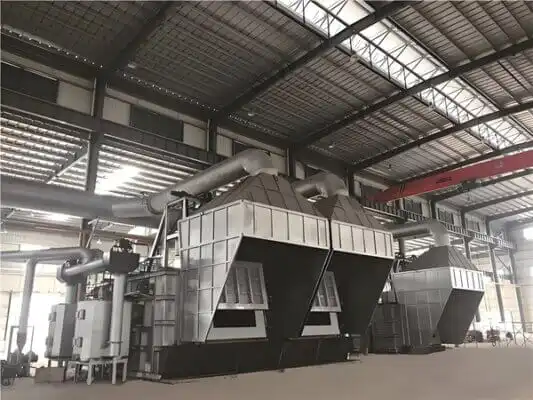
Understanding the Core Features of Furnace Dust Removal Chambers
Industrial smelting and combustion processes generate massive volumes of particulate matter that traditional pollution control systems often fail to capture effectively. Your metallurgical operation demands dust control technology that addresses emissions at their source while maintaining productivity and regulatory compliance.
Working Principles and Airflow Management
Dust removal chambers for furnaces catch particulates before they spread throughout your building. The velocity-reduction chamber receives high-temperature flue gases from the furnace mouth. Controlled deceleration lets heavier particles descend by gravity while specialised filtration media collect tiny particles. Airflow design prevents turbulence that would re-entrain settled dust, ensuring separation efficiency throughout the operational cycle.
Chamber geometry greatly affects capture. Smelting creates a pressure differential that units near furnace openings use. Before gases cool and dispersion patterns become more complex, this proximity maximises particulate interception. The chamber's baffles and deflectors optimise gas flow and residence time, enhancing dust separation.
Popular Design Configurations
Industrial applications require customised chambers. Baghouse-style chambers use fabric filter material to capture over 99% but must be temperature-controlled to avoid filter breakage. Cyclones use centrifugal force to separate high-temperature and abrasive particles with less maintenance. Electrostatic chambers gather particles without pressure decrease; however, they need dry gas and steady electrical systems.
Single-unit hybrid arrangements integrate numerous separation techniques. An initial chamber may use cyclonic separation to remove coarse dust and reduce thermal load before gases enter a secondary baghouse for fine particulate capture. This tiered technique increases filter life and efficiency across dust concentrations and particle sizes.
Material Selection and Structural Durability
Extreme working conditions need cautious material selection. High-grade carbon steel (Q235B/Q345B) is strong enough for many applications, whereas stainless steel (304/316L) resists acidic flue gas corrosion. In dusty environments, ceramic liners or wear-resistant plating protect internal surfaces. Protections prolong chamber lifespan beyond three years of continuous operation.
Refractory materials are important in direct thermal exposure. Castable or refractory brick lining protects the chamber shell from severe temperatures while retaining structural integrity. Properly constructed refractory systems reduce thermal expansion and heat loss, improving energy efficiency. Ultrasonic or X-ray inspections verify welded seam integrity under negative pressure.
Sizing Considerations for Optimal Performance
Chamber volume impacts retention and separation. Undersized units have high gas velocities that re-entrain settled dust, lowering collection rates and overloading downstream filtration. Chambers that are too big lose money and demand more infrastructure. Sizing should consider furnace capacity, dust generation, gas temperatures, and goal collection efficiency.
Scalable designs allow production growth without system replacement. Modular architecture permits parallel chamber installation to enhance capacity without disrupting operations. Flexible metallurgical applications are offered by effective volumes from 0.5m³ for tiny intermediate frequency furnaces to 50m³ for big electric arc furnaces.
Key Performance and Safety Features Every Chamber Must Have
Selecting the right dust collection equipment requires understanding which performance characteristics directly impact your operational success and workforce safety. These critical features separate basic systems from industrial-grade solutions that deliver reliable long-term performance.
Thermal Efficiency and Emission Compliance
Effective furnace dust removal chambers reduce gas treatment heat loss, improving furnace thermal efficiency. Insulated chambers preserve thermal energy, lowering auxiliary fuel use for process temperatures. Saved heat means lower operational expenses and better energy use across your facility.
Today's industry must comply with environmental laws. Equipment must maintain emission levels below 10 mg/Nm³ to meet EPA and state-level guidelines in the US. Chambers with over 80% initial capture effectiveness lower the secondary filtration system's particulate load, assuring system compliance. Third-party testing verifies emission performance for regulatory submissions and permit renewals.
Critical Safety Mechanisms
Combustible particles in oxygen-rich conditions increase the risk of explosions in industrial dust collection systems. NFPA-sized explosion relief vents in properly constructed chambers provide safe pressure release paths for structural integrity and nearby personnel. These vents react within milliseconds of pressure anomalies, preventing catastrophic equipment failure.
Spark arrestors stop incandescent particles before they reach dust. Strategically placed water spray nozzles or mechanical baffles cool hot particles, removing ignition sources. This protective characteristic is crucial in ferroalloy and steel production, where dust-laden exhaust streams carry molten metal droplets.
Pressure relief valves keep chamber pressure within design limits during upsets. Charging or unanticipated chemical reactions can cause furnace pressure changes. While running safely, automatic pressure regulation prevents structural damage. Real-time pressure readings from integrated monitoring systems warn operators of potential safety hazards.
Access Design and Monitoring Integration
Access to maintenance affects equipment uptime and ownership costs. Strategic access doors and inspection ports allow routine cleaning and component replacement without substantial disassembly in well-designed chambers. Quick-release latches on hinged panels allow fast access while maintaining seals during regular operations.
Modern installations use sensor networks to measure differential pressure, temperature, and particle concentration. These real-time monitoring devices identify filter degradation, seal failures, and abnormal operating circumstances. Predictive maintenance scheduling and resource allocation are possible with early warning systems. Connection to plant control systems automates anomaly reactions like cleaning cycles when differential pressure limits are exceeded.

Practical Maintenance and Troubleshooting Features to Look For
Equipment longevity and operational reliability stem from a thoughtful, maintenance-friendly design. Systems that simplify routine servicing reduce lifecycle costs while maximizing production uptime through faster fault resolution and component replacement.
Cleaning Technologies and Dust Disposal Systems
Online ash cleaning advances the furnace. Dust removal chamber technology. Reverse pulse-jet systems use compressed air bursts to clean filters without stopping furnace operations. Continuous cleaning preserves airflow and pressure, preventing a gradual loss of filter loading performance. Differential pressure sensors automate cleaning cycles to extend filter life and save energy.
Manual cleaning requires chamber access and dust removal, which stops production. Although simpler mechanically, this strategy increases both downtime and labour costs. Gravity settling chambers with bottom-mounted hoppers simplify pneumatic or mechanical dust extraction. Well-designed hoppers have steep angles and smooth interior surfaces to prevent bridging and ensure dust discharge without user intervention.
Comparing cleaning technologies shows operational advantages. Dust handling is safer and less laborious with automated systems. They require compressed air infrastructure and advanced control systems. Manual cleaning may work for intermittent furnaces, but continuous production requires automated solutions to sustain throughput.
Common Issues and Diagnostic Features
Airflow decreases as filters clog, limiting capture efficiency and fan energy use. Clogging is detected early via filter bank differential pressure monitoring, preventing performance decline. Increased pressure decrease suggests insufficient cleaning frequency, dust-incompatible filter media, or moisture contamination causing filter-blindness.
Dust leaks from access doors, filter mounting plates, and structural joints indicate seal problems. Dust escape plumes are visible during operation. Internal borescope inspection without system disassembly is possible with strategic diagnostic ports, speeding up troubleshooting. Controlled fluorescent powder leak testing detects invisible seal degradation before leakage.
Built-in troubleshooting simplifies maintenance. Simple filter replacement with colour-coded components ensures the correct media selection. Diagnostic indicator panels show functional status to help technicians locate issues. Control system interfaces have structured maintenance checklists that standardise maintenance quality across shifts and among workers.
Modular Design Advantages
Component modularity simplifies overhauls and replacements. Removable cartridge filter banks allow quick media changes without tools or training. Replacement parts fit precisely thanks to standardised mounting interfaces, saving time. Maintenance is shorter with plug-and-play, minimising production disruption.
Practical maintenance intervals depend on wear component accessibility. Chambers needing substantial scaffolding or equipment removal for service delay maintenance. Strategic component positioning allows routine service from ground level or standard work platforms, encouraging maintenance schedules. Compressed air lines and hopper discharge systems use quick-disconnect connectors for speedier component isolation during servicing.
Maintenance methods built into chamber design lessen service personnel's learning curve. Maintenance, lubrication, and adjustment instructions are clearly labelled on equipment surfaces. Tools are always available in permanently placed tool storage, which avoids maintenance delays. Over years of use, these deliberate design elements increase reliability and save ownership costs.
Comparing Furnace Dust Removal Chambers: Features that Influence Procurement Decisions
Selecting dust collection equipment requires evaluating multiple technologies against your specific operational requirements and constraints. Recognising the basic differences between available systems enables informed procurement decisions aligned with long-term facility objectives.
Technology Comparisons and Operational Trade-offs
Dedicated chambers for removing dust from furnaces differ from baghouse and cyclone separator systems. Integrated chambers at the dust source collect over 80% of particulates before they scatter, relieving downstream equipment. Using source capture reduces fugitive emissions across your plant, increasing air quality and lowering cleaning needs. Remotely located systems use ductwork to transport dust-laden gases, which allows particle settling and reduces collection efficiency.
Cyclone separators remove coarse particles better than fabric filters and operate at higher temperatures. Abrasive dust streams don't wear down their simple mechanical design, reducing maintenance. Cyclones catch little tiny particle matter, requiring further filtration for regulatory compliance. Pre-separators remove coarse, abrasive particles to increase downstream filter life.
Baghouse arrangements catch tiny particles at 99% efficiency but require temperature management and filter maintenance. When exposed to temperatures above their rating or molten particles, fabric filters disintegrate quickly. Gas conditioning systems that cool exhaust streams before baghouse entry increase system complexity and capital cost but allow high-temperature baghouse use.
Energy Efficiency Considerations
Power usage for dust collection comes from the fan operating against system pressure loss. Low-turbulence chamber designs and smooth interior geometry reduce resistance and fan horsepower. Variable frequency drives that adjust fan speed based on airflow needs reduce energy consumption by 30% or more during normal manufacturing cycles.
Smart control integrates real-time furnace action to optimise system performance. Automated controllers limit airflow to maintain capture velocity during charging when dust formation is low. Peak airflow resumes during high-emission melting and refining, balancing energy economy and continuous emission management. Compared to fixed-speed systems, dynamic operation saves annual electrical expenses.
Sustainable material selection improves lifecycle environmental performance. Using recyclable steel helps recover end-of-life materials, boosting the circular economy. Equipment production emits less carbon due to energy-efficient manufacturing and local sourcing. Environmental product declarations from progressive suppliers quantify cradle-to-gate implications for corporate sustainability reporting.
Customization and Supplier Capabilities
Standardised equipment often fails to optimise furnace designs and dust characteristics. Capable suppliers differ from commodity equipment sellers in their customisation. Site assessments of furnace mouth dimensions, operational temperature ranges, dust generation rates, and spatial constraints enable customised chamber designs to maximise capture efficiency within installation constraints.
Design, production, installation, and commissioning in one package simplifies project execution. Single-source responsibility eliminates vendor coordination issues and operationalises design intent. Suppliers with hundreds of successful installations anticipate site-specific issues, saving commissioning time and boosting ROI.
Warranty terms and after-sales service affect TCO greatly. Equipment guarantees for structural integrity and performance align supplier and buyer expectations. Rapid issue resolution is possible with responsive technical support and extensive equipment documentation and spare parts inventories. Suppliers with regional service facilities and spare parts supply can replace components in days, reducing unplanned downtime expenses.
Future-Proof Features and Innovations in Furnace Dust Removal Chambers
Industrial emission control technology continues advancing, driven by tightening environmental regulations and digital transformation initiatives. Investing in equipment incorporating emerging capabilities positions your operation for long-term competitiveness and regulatory compliance.
Next-Generation Filtration Materials
Advanced filter media engineering improves performance and lifespan. PTFE membrane-coated fabrics combine filter textile strength with fluoropolymer membrane chemical resistance and non-stick characteristics. This allows functioning in moisture-laden, chemically hostile settings where standard textiles degrade quickly. Cleaning cycles release dust more fully from membrane surfaces, lowering pressure drop and energy consumption throughout the filter lifecycle.
Ceramic and metallic filter media exceed fabric temperature limits. In ultra-high-temperature applications, these stiff filter elements can endure temperatures above 500°C without gas cooling. This mechanical resilience resists abrasive dust erosion that rapidly damages cloth filters in some metallurgical operations. While pricier than fabric media, their multi-year service life without replacement lowers lifetime filtering expenses.
Nanofibre surface treatments improve fine particulate collection without pressure drop. The ultrathin fibre layers on base filter substrates use depth filtration to capture submicron particles. The outcome optimises the energy-efficiency trade-off of the dust collection system, achieving system-level efficiency and cyclone-level pressure.
Digital Integration and Predictive Maintenance
IoT sensor integration turns furnace dust removal chambers into data-driven, dynamic processes. Multiple sensors monitor temperature, pressure, flow rate, and vibration throughout the system, generating continuous operational data. Cloud-based analytics tools enable condition-based maintenance scheduling, optimising resource allocation by identifying subtle performance trends before equipment failure.
Predictive maintenance algorithms improve predictions of component lifespan by analysing historical performance. Machine learning algorithms find processes that increase or decrease component lifespan by comparing operational data with maintenance occurrences. These data enable proactive cleaning scheduling, airflow control, and process parameter modifications, maximising equipment availability and reducing maintenance costs.
Remote monitoring lets experts evaluate equipment performance and diagnose faults without visiting the facility. Equipment manufacturers and service providers can access operational data in real time via secure network connections, speeding troubleshooting and decreasing downtime. Remote software updates improve performance and capabilities, extending device life and preventing obsolescence.
Regulatory Compliance and Sustainability Features
Industrialised nations are tightening emission limits, focusing on fine particulate matter and heavy metal emissions from metallurgical processes. As standards change, equipment developed above statutory requirements ensures compliance. With a capture efficiency of 95% and exhaust emissions below 5 mg/Nm³, operations can anticipate regulatory changes and avoid costly retrofits.
Eco-friendly design includes raw material procurement and disposal. With standardised components, modular construction allows maintenance rather than replacement, minimising waste. Recycling and design-for-disassembly provide high material recovery rates when equipment is retired, supporting circular economy goals increasingly crucial to business sustainability.
Third-party certification verifies environmental and quality claims. ISO 14001 certification shows systematic environmental-effect reduction throughout equipment production. Product-specific emission performance and safety certificates objectively support permit applications and regulatory compliance documents. Choose authorised vendors with OEM ties and demonstrated field performance to reduce procurement risk and ensure long-term support.
Conclusion
Effective Furnace Dust removal chambers represent critical investments in operational efficiency, regulatory compliance, and workforce safety across metallurgical industries. Essential features including high-temperature resistance up to 1200°C, capture efficiency exceeding 80%, robust sealing limiting leakage below 0.3%, and online cleaning capabilities define industrial-grade performance. Material selection emphasising corrosion resistance and thermal durability ensures multi-year service life, while modular designs facilitate maintenance and capacity expansion. Advanced capabilities such as IoT integration, predictive maintenance, and next-generation filtration media future-proof installations against evolving requirements. Procurement decisions balancing initial capital investment against lifecycle costs, customization capabilities, and supplier support infrastructure position operations for sustained competitiveness in increasingly regulated industrial environments.
FAQ
What temperature range can dust removal chambers handle safely?
Industrial-grade Furnace Dust removal chambers designed for metallurgical applications typically withstand continuous operating temperatures up to 1200°C using specialized refractory materials and ceramic liners. Material selection varies based on specific furnace exhaust temperatures, with high-grade stainless steel and protective coatings extending durability in corrosive environments. Proper thermal design prevents structural degradation while maintaining capture efficiency across temperature fluctuations during different production stages.
How often do filters require replacement in furnace dust chambers?
Filter replacement intervals depend on dust characteristics, operating temperatures, and cleaning system effectiveness. Advanced chambers with automated pulse-jet cleaning and premium filter media typically achieve 18 to 36 months of service before replacement becomes necessary. Regular differential pressure monitoring indicates when cleaning effectiveness diminishes, signalling that the filter is approaching the end of its life. Facilities with abrasive dust or high particulate loading may need to change filters more often, but proper pre-separation can significantly extend filter life.
Can existing furnaces be retrofitted with improved dust collection systems?
Retrofitting existing furnaces represents a cost-effective approach to improving emission control without complete equipment replacement. Experienced suppliers conduct detailed site assessments to measure available space, existing ductwork configuration, and furnace mouth geometry, which helps them design compatible chamber systems. Modular chamber construction enables installation during scheduled maintenance outages, minimizing production disruptions. Retrofits typically deliver capture efficiency improvements of 30% or more compared to outdated collection systems while ensuring current regulatory compliance.
What maintenance activities do dust chambers require?
Routine maintenance includes periodic filter cleaning or replacement depending on system configuration, seal inspection and replacement as needed, hopper emptying on schedules matching dust accumulation rates, and compressed air system checks for pulse-cleaning mechanisms. Well-designed systems incorporate diagnostic features simplifying troubleshooting and wear component accessibility, enabling rapid service completion. Establishing preventive maintenance schedules based on manufacturer recommendations and operational monitoring data maximizes equipment availability while preventing costly emergency repairs.
Partner with Shaanxi Heyuan for Superior Dust Collection Solutions
Shaanxi Heyuan New Metallurgical Electric Furnace Equipment Co., Ltd. brings over fifteen years of specialized expertise in designing and manufacturing high-performance dust removal systems for demanding metallurgical applications. Our engineering team holds more than ten utility model patents and software copyrights, reflecting continuous innovation in emission control technology. We deliver complete turnkey solutions encompassing on-site surveys, custom chamber design tailored to your exact furnace configuration, precision manufacturing using premium refractory materials, professional installation, and comprehensive commissioning services.
As a certified Furnace Dust removal chamber manufacturer with ISO quality, environmental, and occupational health management certifications, we guarantee equipment performance meeting stringent international standards. Our chambers achieve dust capture efficiency exceeding 80% while operating reliably at temperatures up to 1200°C with leakage rates below 0.3%. With nearly 400 technical professionals supporting over 400 successful global installations, we ensure rapid project execution typically completed within 15 to 45 days from order confirmation.
Contact our technical team today at sxhyyj606@163.com or visit hyyjfurnace-supply.com to discuss your specific dust collection requirements. Our applications engineers will evaluate your furnace configuration and operational parameters, and recommend optimised chamber specifications that maximise capture efficiency while integrating seamlessly with your existing infrastructure. Experience the Heyuanxin advantage through responsive technical support and readily available high-temperature wear parts, ensuring minimal downtime throughout your equipment's operational life.
References
1. Smith, J.R., & Anderson, K.L. (2021). Industrial Dust Collection Systems: Design, Operation, and Maintenance. New York: Technical Publishing House.
2. Environmental Protection Agency. (2022). AP-42: Compilation of Air Pollutant Emission Factors, Volume I: Stationary Point and Area Sources. Research Triangle Park: EPA Office of Air Quality Planning and Standards.
3. Martinez, C.D. (2020). Metallurgical Furnace Engineering: Modern Approaches to Emission Control. London: International Metallurgy Press.
4. National Fire Protection Association. (2023). NFPA 654: Standard for the Prevention of Fire and Dust Explosions from the Manufacturing, Processing, and Handling of Combustible Particulate Solids. Quincy: NFPA Publications.
5. Thompson, R.W., Zhang, H., & O'Brien, M.J. (2022). High-Temperature Filtration Technologies for Steel Industry Applications. Journal of Environmental Engineering and Science, 17(4), 245-262.
6. Industrial Ventilation Committee. (2021). Industrial Ventilation: A Manual of Recommended Practice for Design, 30th Edition. Cincinnati: American Conference of Governmental Industrial Hygienists.


YOU MAY LIKE