
What Factors Affect Industrial Resistance Furnace Performance?
July 17, 2026
The effectiveness of the insulation, the accuracy of the temperature control, the maintenance procedures, and the operating routines all play a role in how well an Industrial resistance furnace performs. The heating elements, which are usually made of FeCrAl alloys, molybdenum disilicide, or silicon carbide, determine the highest temperatures that can be used and how well the energy is converted. The quality of the insulation directly affects how well it retains heat and how much energy it uses. High-tech control systems with PLC connections and accurate thermocouples ensure that the temperature in the whole working area is the same. Proper operating methods and regular repair plans make equipment last longer and reduce costly production downtime.
Understanding Industrial Resistance Furnace Performance
Defining Performance Metrics That Matter
Performance review is based on four main factors that have a direct impact on the results of your manufacturing. How well heat treatment methods change metals depends on how accurate the temperature readings are. Modern Industrial resistance furnace systems keep setpoint accuracy within ±3°C to ±5°C. Heating evenly across the work area stops differences in quality between parts that are being worked on at the same time, which lowers the number of rejects and the amount of material that is wasted. Energy efficiency is a measure of how well electrical input is turned into useful thermal energy. Well-designed systems can achieve 70–90% thermal efficiency, while combustion-based options can only reach 30–50%. The longevity of a component affects both how often it needs to be replaced and how often it breaks down unexpectedly, which throws off production plans.
Common Performance Challenges in Production Environments
Inconsistent heat distribution creates cold and hot patches inside the chamber, resulting in inconsistent processing results that don't fulfil product standards. Energy losses from poor insulation or sticking doors raise operational expenses and reduce heating capacity. Oxidation, temperature cycle stress, and contamination degrade heating elements over time. They must be replaced to maintain performance. Maintenance downtime lowers output, so choosing equipment with easy access and easily available parts is crucial.
Overheating sensitive parts during ramp-up can damage them or waste energy. Control system issues may prevent complex temperature profiles for modern material processes. These real-world issues demonstrate why experienced teams should assess performance characteristics before comparing prices. This lets them choose application-specific equipment.
Key Factors Affecting Furnace Performance
Heating Element Design and Material Selection
The heating element is the most important part of an Industrial resistance furnace. It uses Joule heating concepts to turn electrical energy into heat. The choice of material affects the highest temperature that an element can work at, how long it will last, and how well it works with process atmospheres. Metal alloys like FeCrAl and NiCr can handle temperatures up to 1300°C in oxidising environments. They make protective oxide layers that stop the metal from breaking down even more. Nonmetallic elements, such as molybdenum disilicide (MoSi₂), allow operation up to 1800°C, and silicon carbide elements are very durable in tough situations. Surface loading specs, which are given in watts per square centimetre, affect how long an element lasts. Lower densities shorten service life, while higher loadings increase heating rates but require more frequent replacements. Heyuanxin designs heating systems with the best watt density formulas that balance fast heating with long-term durability. Under normal working conditions, elements usually last two to three years.
Insulation Architecture and Heat Retention
Thermal insulation impacts energy efficiency and temperature stability during work. Modern ceramic fibre insulation reduces thermal mass and speeds heating and cooling more effectively than firebrick. Low thermal conductivity materials prevent heat from escaping surfaces, saving energy and making the equipment outside safer for operators. Choosing insulation thickness and density requires careful preparation. Insufficient insulation causes heat loss, while overstandardisation increases equipment costs and chamber sizes. Multi-layer insulation places high-temperature materials near heating zones and low-density layers outside. Thermal performance and cost efficiency improve.
Heyuanxin manufactures more than necessary kits for your operating temperature and duty cycle needs. Chamber sizes from 0.1m³ to 10m³ can accommodate varying production volumes. The temperature must be uniform across the whole work area, within ±5°C of the setpoint.
Temperature Control System Sophistication
Control systems need accurate monitors, complicated algorithms, and situation-responsive power regulation to manage temperatures. Type K, Type S, or Type B thermocouples in precise chamber locations provide continuous temperature input, and two or more sensors provide reliability. Workers can set up complex thermal profiles with regulated cooling sequences, ramp rates, and soak times using PLC-based controllers with touch screens. SCR power processors protect heated devices from thermal shock and offer accurate energy input changes with stepless voltage regulation.
Modern control systems use PID to automatically discover the appropriate proportional, integral, and derivative variables to maintain temperature without cycling or overshooting. Data logging provides full thermal records for quality assurance and process evidence. Our machines use Industry 4.0-compatible control systems. We can monitor them remotely and schedule preventative repairs by connecting them to a network.
Operational Practices and Maintenance Protocols
Even well-designed equipment needs controlled use to work as advertised. By following the appropriate filling steps, you can ensure enough airflow around the parts to prevent cold spots that lower processing quality. Heating rate restrictions prevent thermal shock damage to refractory materials and heating components. Quickly raising the temperature to save time often shortens equipment life significantly. To avoid production issues, regular inspections detect element wear, insulation damage, and control system drift.
Regular maintenance should include checking thermocouple readings, heating element resistance to discover imbalances, and thermal imaging to assess insulator integrity. Checking door seals prevents atmosphere leakage, which wastes energy and harms controlled atmosphere operations. Written maintenance methods and operator training ensure consistency between shifts, maintaining equipment performance throughout its life. These rigorous strategies turn maintenance from reactive to proactive performance improvement. This improves equipment availability and process uniformity.
Comparing Industrial Resistance Furnaces with Alternative Technologies
Resistance Versus Gas-Fired Systems
In many ways, Industrial resistance furnaces are better than options that use burning, including how well they work. Precision in controlling temperature can reach levels that aren't possible with flame heating. This makes it possible for aircraft and automotive uses to use heat treatments with tight tolerances. Heating settings without contamination get rid of the results of combustion that can damage sensitive parts by decarburising or oxidising the surface. Even though electricity costs more per unit, electric systems are more energy efficient because they don't lose heat through waste gas and have better insulation, resulting in 70–90% thermal efficiency compared to 30–50% for gas heaters. Without combustion fumes, it's easier to follow environmental rules, and meeting stricter air quality rules doesn't require any extra tools for cleaning. Regional energy prices must be taken into account in operating cost analyses, but lifecycle analyses often favour resistance systems when upkeep needs and process quality changes are taken into account.
Resistance Versus Induction Heating
When speed and accuracy are very important, induction heating is the best way to heat a small area quickly. The electromagnetic coupling concepts of induction help with both surface hardening and specific component heating. Resistance furnaces heat the whole piece more evenly, which makes them better for processes like through-hardening, stress relief, and ceramic sintering, where even temperature is more important than speed of heating. Resistance systems are usually more cost-effective for batch processing, while induction systems may be worth the extra cost for high-volume productimproves themed short cycle times. Material suitability also plays a role in the choice. For example, workpieces used in an induction furnace must be electrically conductive, while workpieces used in a resistance furnace can be made of both metal and clay. You shouldn't assume that one method is always better than others; instead, you should choose a technology based on your unique application needs, production numbers, and material properties.
Positioning Against Electric Arc Systems
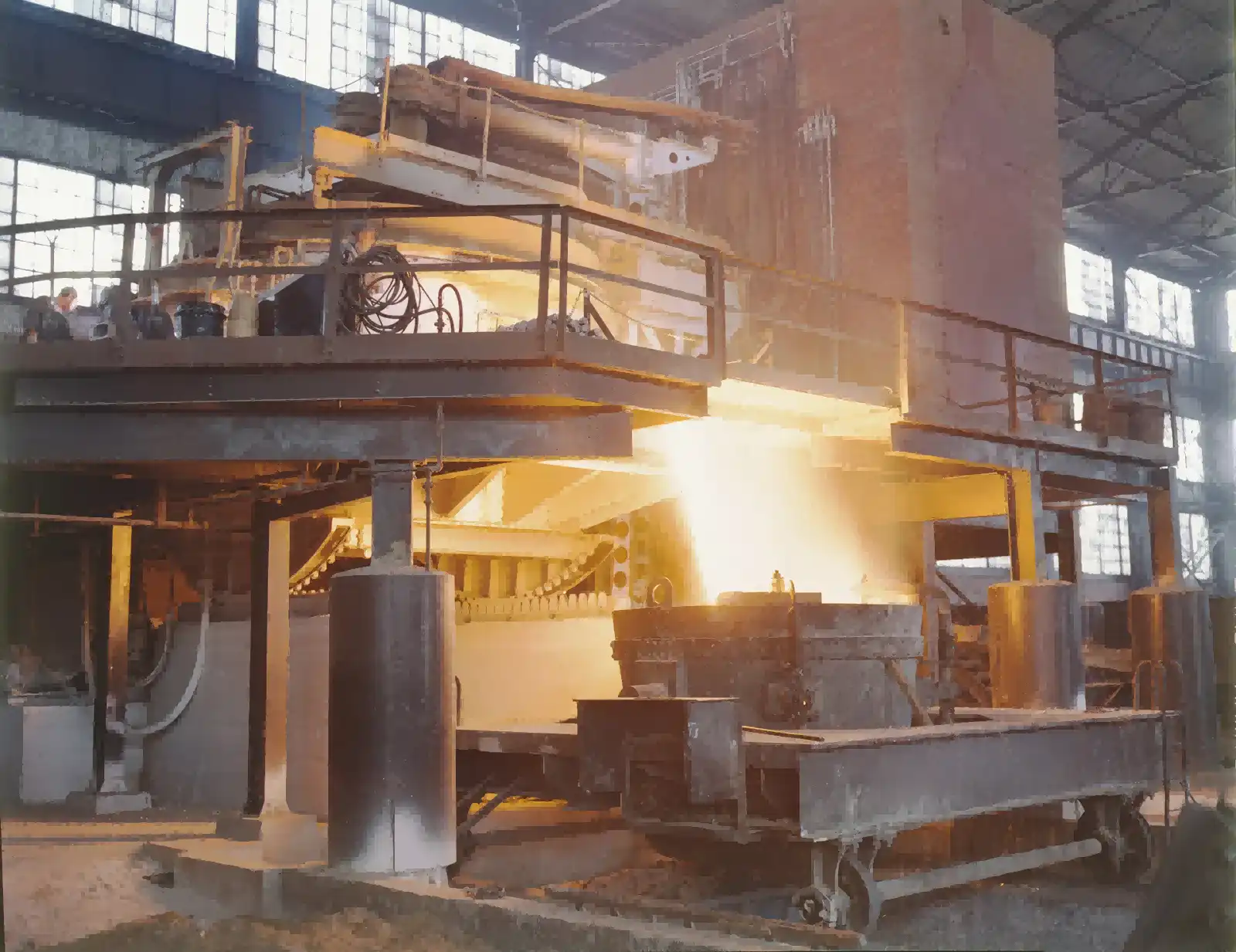
Electric arc furnaces are used for very different tasks, mainly heating large amounts of material rather than precise heat treatment. Arc systems work best for making steel and melting metal in foundries, where they can process metal quickly at high temperatures, which makes up for their large power needs and less accurate temperature control. For metallurgy changes below melting points, resistance furnaces provide the controlled heating conditions needed. These include annealing, normalising, tempering, and ageing processes that change the microstructure without changing the phase. The sizes and ways of working of the machines are very different. Arc furnaces can handle huge amounts of material with a lot of power, while resistance systems can process groups of parts with carefully controlled temperature profiles. Knowing these differences between applications will help you avoid buying the wrong tools and wasting money on technology that is too big or too old for your needs.
Procurement Considerations to Maximise Performance
Selecting Qualified Manufacturers and Suppliers
Choosing an Industrial resistance boiler provider is crucial since equipment quality starts with the manufacturer. Long-standing companies demonstrate their commitment by obtaining ISO 9001, ISO 14001, and WHS certifications. Patent files demonstrate that a corporation is always improving and developing new tool innovations. Product quality and deadlines are assessed via production facility inspections.
For over 15 years, Shaanxi Heyuanxin Metallurgical Electric Furnace Equipment Co., Ltd. has developed, manufactured, and installed thermal processing equipment for metallurgical and materials processing. We have 3A credit and provincial firm recognition, indicating our stability and industry expertise. We constantly improve heating technology to fulfil consumer needs. We own over ten utility model patents and software copyrights. From planning to installation and commissioning, we offer everything. A single point of responsibility simplifies projects and ensures system integration.
Evaluating Customisation Capabilities and Lead Times
Standard equipment doesn't always perfectly match the needs of an application, so the ability to customise it is necessary to get the best performance. Instead of forcing compromises based on set equipment configurations, the size of the chamber, the design of the heating elements, the level of complexity of the control system, and the rules for handling the atmosphere should all change to fit your process needs. Manufacturers who use flexible design methods can add more capacity or change the way they do things in the future without having to update all of their equipment. Planning for production is affected by lead times. For example, rush orders can lower quality or raise costs, and delivery times that are too long can delay finishing a project and making money.
We create unique solutions that meet the needs of different industries in areas like ceramic sintering, metal heat treatment, processing aerospace parts, and making car parts. Different thermal processing needs can be met by temperature ranges of 200°C to 1800°C, heating rates of up to 20°C/min, and power levels ranging from 10kW to 500kW. Our modern factory makes sure that production standards are met and that deliveries are made on time, so projects stay on track without sacrificing equipment specs.
After-Sales Support and Service Agreements
The performance of equipment lasts longer than just the first few months or years of use in production, so after-sales help is an important thing to think about when buying something. Comprehensive service agreements should spell out how long it will take to get professional help, what parts will be available, and how often preventative maintenance should be done to make sure that the equipment lasts as long as possible. The warranty terms protect you from parts breaking down too soon and show that the maker trusts the quality of the equipment. Training programmes ensure that operators and repair workers know the right way to do things, which helps avoid damage from bad operation.
We are dedicated to our customers' success and offer full help and upkeep services after the sale of all of our products. Technical help speeds up the troubleshooting process, which reduces the time that output is interrupted. The availability of genuine spare parts ensures that fixes can be done quickly and without having to wait for parts for a long time. Customers can improve their processes as output needs change with the help of ongoing technical advice. By focusing on tailored support instead of just selling equipment, we can build long-lasting relationships that align our success with your business performance.
Operational and Safety Best Practices for Sustained Performance
Implementing Robust Safety Protocols
Thermal processing tools provide risks that require coordinated safety procedures. To avoid power outages during high-voltage electrical system repairs, lockout/tagout methods are used. Hot surfaces must be secured and marked with burn warnings. Atmosphere control systems that use flammable or innocuous gases must locate leaks and provide enough air flow to prevent buildups. Industrial resistance furnace equipment must have working emergency shutdown systems to turn off rapidly in a crisis.
The primary safety regulations for industrial heat processing equipment are NFPA 86 oven and hob standards. As equipment ages and work procedures change, safety assessments ensure compliance. Written safety training ensures staff members understand resistive heating dangers and safety. These structured procedures keep workplaces safe and pricey industrial tools intact.
Troubleshooting Common Performance Issues
Systematic fixing swiftly finds and fixes the root causes, preventing recurrence. Uneven temperatures often cause heating element failure. Find open circuits or high-resistance linkages by measuring resistance across element zones. Too high energy use may indicate insulation breakdown or air leaks. Finding heat loss routes requires thermal imaging. Incorrect PID tuning causes control system instability and temperature swings. Auto-tune or manual tweaks following the manufacturer's directions can fix cycling issues.
A heating element failing before it should be investigated for several reasons. Too much surface pressure from small parts reduces longevity. Incompatible elements and objects easily oxidise or react chemically. Thermal cycling over design limits causes wear breakdowns with incorrect heating rates. Electrical stress is caused by power supply issues, such as phase imbalance or voltage variations. Finding the underlying causes of failure enables you to stop unnecessary replacements and higher operational expenses.
Optimising Process Parameters for Efficiency
Continuous improvement methods consistently make tools work better than what they were designed to do. Process tracking data shows ways to cut down on cycle times without lowering the quality of the results. A study of energy use can show poor practices, such as leaving things to soak for too long or keeping them at higher temperatures than are needed for metallurgical needs. Optimising the batch size strikes a balance between output and heating uniformity. Overloading chambers may save time per piece but could lead to quality issues, and underutilising them loses energy by heating space.
Operator training programmes that share best practices across production shifts can help avoid performance differences caused by different methods. Documented process factors set standards that keep things from moving away from the best circumstances. When you compare current performance data to past trends on a regular basis, you can see that things are getting worse before they get really bad. By improving quality, speed, and dependability, these operational excellence practices turn heat processing from a normal part of production into a strategic competitive advantage.
Conclusion
To get the most out of Industrial resistance furnace systems, you need to understand and control a lot of things that are all linked. The choice of heating element, the quality of the insulation, the complexity of the control system, and the level of care given to it all affect how well the system works. When making a purchase choice, it's better to look at a manufacturer's professional skills, customisation options, and customer service after the sale than to just compare prices. Operational excellence through safety rules, thorough troubleshooting, and process optimisation keeps equipment running at its best for as long as it's possible. When you buy good heat processing equipment, the quality of your products will improve, your energy costs will go down, and your production will be more reliable.
FAQ
What temperature ranges can resistance furnaces achieve reliably?
Modern Industrial resistance furnace systems work well from 200°C to 1800°C, based on the type of heating element and the requirements for the insulation. Metallic elements can be used in situations up to 1300°C, while ceramic elements can be used for processing at higher temperatures. Our equipment specs match the heating powers to the needs of your process. This way, we avoid over-specification, which raises costs for no reason.
How frequently do heating elements require replacement?
The life of an element depends on its working temperature, how often it goes through thermal cycles, and how well it works with the environment. When surface loads are kept low and operations are done correctly, repair times are greatly increased. Regular measures of resistance allow for planned replacements to be made before unexpected failures stop production.
Do resistance systems offer better energy efficiency than gas furnaces?
Even though it costs more per unit, resistance heating is 70–90% more efficient at heating than burning systems, which are 30–50% more efficient. When you look at the full lifetime costs, which include upkeep needs, reducing flue gas losses and making insulation work better often lead to lower running costs.
Partner with Shaanxi Heyuan for Superior Thermal Processing Solutions
Our specialised knowledge and all-around solutions help metallurgical plants, steel mills, and industry makers find reliable thermal processing equipment. We are a well-known Industrial resistance furnace maker, and we can make heating systems that are tailored to your needs for production. Our machines have high-tech heating elements that spread heat quickly and evenly, precise PLC-based control systems that keep temperature ranges within acceptable limits, and energy-saving designs that lower running costs.
Shaanxi Heyuan's pledge goes beyond just delivering tools; it includes full lifecycle support as well. Our technical team helps you come up with the best equipment setups for your needs by giving you expert advice during the specification creation process. Professional installation and commissioning services set up the right conditions for performance from the start. Support and servicing contracts that last after the sale protect your investment over many years of business use. We have proven skills for difficult thermal processing tasks thanks to ISO certifications, multiple patents, and local business recognition.
Email our team at sxhyyj606@163.com to talk about your unique needs and ask for full technical details. Visit hyyjfurnace-supply.com to see all of our products and learn how our Industrial resistance furnace solutions can help you make your production more efficient and improve the quality of your products.
References
1. Anderson, M. & Williams, R. (2021). Industrial Heating Systems: Design, Operation and Maintenance. Technical Publishing International.
2. Chen, J. (2020). "Performance Optimisation of Electric Resistance Furnaces in Metallurgical Applications." Journal of Thermal Processing Technology, 45(3), 178-195.
3. Mitchell, P. (2022). Heat Treatment Equipment Selection Guide for Manufacturing Engineers. American Society for Metals.
4. Roberts, K. & Thompson, L. (2019). "Energy Efficiency Comparison of Industrial Heating Technologies." Industrial Energy Management Quarterly, 12(2), 88-104.
5. Sharma, V. (2023). Advanced Materials for High-Temperature Heating Elements. Materials Research Press.
6. Wilson, D. (2020). "Temperature Control Systems for Precision Heat Treatment Operations." Metallurgical Equipment Review, 38(4), 210-227.


YOU MAY LIKE