
Waste heat power generation device for Cleaner Power
October 20, 2026
Every year, industrial facilities across the steel, cement, glass, and chemical sectors lose between 20% and 50% of their total energy input as waste heat — escaping through flue gases, cooling water, and exhaust streams. A waste heat power generation device directly addresses this problem by capturing that thermal energy and converting it into usable electricity, without burning any additional fuel. At Heyuanxin, we build industrial-grade thermal recovery systems designed for temperatures from 200°C to 1200°C, with power output ranging from 1MW to 50MW and a waste heat recovery efficiency of ≥70%.
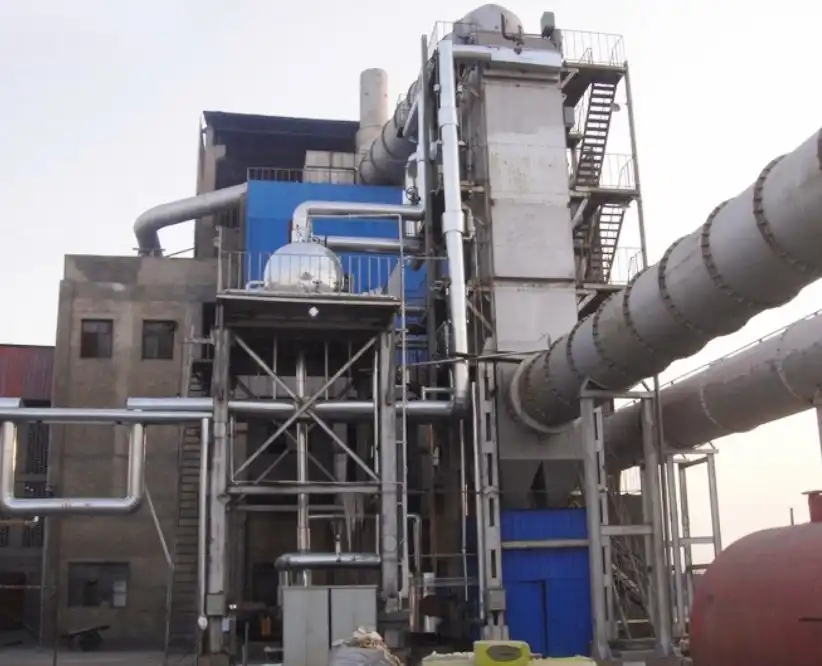
Understanding Waste Heat Power Generation Devices
What Is a Waste Heat Power Generation Device?
An industrial waste heat power generation device is a thermodynamic system that turns heat that is released as a byproduct of work into electricity. When hot exhaust gases go through heat exchangers, they give thermal energy to a working fluid. That fluid turns a generator into a steam turbine or an organic Rankine cycle (ORC) turbine. This makes clean electricity without burning anything.
Core Technology Options
For thermal-to-electrical conversion in business settings, there are three main technology paths:
- Steam Rankine Cycle (SRC): Best suited for high-grade heat sources above 350°C, such as electric arc furnace (EAF) exhaust and rotary kiln flue gas. SRC systems achieve isentropic efficiency above 85% and are the backbone of most large-scale metallurgical energy recovery installations.
- Organic Rankine Cycle (ORC): Designed for lower temperature heat sources between 80°C and 300°C. ORC systems use organic working fluids with lower boiling points, making them suitable for chemical process cooling loops and secondary exhaust recovery.
- Thermoelectric Generators (TEG): Solid-state devices that convert temperature differentials directly into electricity. TEGs suit niche applications where compact size and zero moving parts matter more than high output.
TEG stands for "Thermoelectric Generator." Devices made of solid-state materials that directly turn differences in temperature into electricity. TEGs are good for specific uses where small size and no moving parts are more important than high output.
Efficiency and Environmental Impact
It depends on the type of heat source, but most waste heat power generation devices have an efficiency range of 25% to 40%. A steel plant with a 50MW recovery system that works at 35% conversion efficiency can make enough electricity to power tens of thousands of homes each year while also cutting CO2 emissions by tens of thousands of tons. According to the U.S. Department of Energy, over 20 quadrillion BTUs of energy can be recovered from industrial waste heat in the U.S. alone.
Comparing Waste Heat Power Generation to Traditional Power Solutions
Energy Output and Cost Effectiveness
Diesel- or gas-powered generators need to be fueled on a regular basis, which means that the costs of running them are variable and often hard to predict. A thermal recovery system, on the other hand, uses the heat that your process already makes. Once it is set up, the power it makes has almost no extra fuel cost. Most facilities get their full capital investment back in three to five years, and those that use high-temperature steel or cement often get their money back in two to three years.
Scalability for Different Operations
Heyuanxin's waste heat power generation device can produce anywhere from 1MW to 50MW of power. This means that the technology works well for both small glass factories and large steel mills that use it all. Small ORC modules can be added one at a time as production grows, while big SRC installations work best for plants with steady, high-volume exhaust streams.
Technological Advantages Over Conventional Generators
Modern heat recovery systems don't need to be manually operated as older machines did. Shaanxi Heyuan's system works without any help from a person because it has automatic PLC controls, adaptive turbine management, and the ability to connect to a tracking system from afar. This cuts down on unplanned downtime and the cost of labor by a large amount. Under normal conditions, equipment should last more than 15 years.
How to Choose the Right Waste Heat Power Generation Device for Your Business
Assess Your Heat Source First
Before choosing a system, you need to describe your heat source in terms of its temperature range, gas volume, flow regularity, and dust load. Electric arc furnaces give off high-temperature exhaust that changes all the time, which needs adaptive control logic. In cement plants, rotary kilns make steady, high-volume streams that are perfect for SRC operation that goes on all the time. Chemical reactors may have more than one low- to medium-temperature stream that can be better handled by modular ORC units.
Evaluate Total Cost of Ownership
The price of the unit is only one factor in the equation. Before you buy, here are the most important cost factors to look at:
- Installation and commissioning costs: Complex duct routing, heat exchanger sizing, and turbine foundation work vary widely by plant layout.
- Maintenance schedule and spare parts: ORC systems require periodic working fluid top-ups; SRC systems need turbine seal and bearing inspections every 30,000 to 40,000 hours.
- Warranty and after-sales support: Confirm that the waste heat power generation device supplier offers long-term O&M services, not just a one-time equipment sale.
Costs for installation and completion include complicated duct routes, heat exchanger sizing, and base work for turbines. These costs depend on how the plant is laid out.
Selecting a Qualified Supplier
Look for a company that makes waste heat power generation devices and has project references, relevant certifications (ISO 9001, ASME BPVC compliance), and an in-house engineering team that can do custom design. There are more than ten utility model patents owned by Shaanxi Heyuan. He is also certified in ISO quality management, environmental management system certification, and occupational health certification. Over 400 furnace-related installations have been completed by our team of 400 engineers, which includes 11 senior specialists, in metallurgical operations around the world.

Procuring and Implementing Waste Heat Power Generation Devices
Sourcing and Supplier Evaluation
For complicated industrial uses, getting a waste heat power generation device directly from the maker is better than buying it from a reseller. Direct contact lets you get help from engineers while the project is being planned and faster technical answers while the project is being put into action. Check out a supplier's past projects, quality certifications, shipping times, and the level of service they offer after the sale. Shaanxi Heyuan delivers systems in 15 to 45 days and handles the whole process, from evaluating resources to putting them to use.
Installation and Commissioning Best Practices
Professional fitting is very important for thermal recovery efficiency. System efficiency can drop by 15% or more if the heat exchangers are not placed correctly, the insulation is not good, or the turbines are not lined up correctly. Shaanxi Heyuan's field engineering team is in charge of putting together all the mechanical and electrical parts on-site. They make sure that the system works at full capacity from the start.
Long-Term Operation and Maintenance
Once your thermal recovery system is up and running, it's important to keep an eye on the temperature of the inlet gas, the speed of the turbine's rotation, and the voltage at the generator's output on a regular basis. Maintenance checks for steam turbine systems are usually done every 8,000 to 10,000 hours of operation. Heyuanxin offers ongoing technical support and maintenance (O&M) services to keep the system online and keep the benefits of making power steady for as long as the equipment is in use.
Future Trends in Waste Heat Power Generation
Advanced Thermoelectric Materials
New thermoelectric material formulas, such as half-Heusler alloys and nanostructured bismuth telluride composites, are increasing the efficiency of TEG conversion to levels that are competitive for use in mid-temperature industrial settings. These materials might someday make it possible for waste heat power generation devices to work in temperature ranges where ORC systems are currently the only option.
IoT Integration and Smart Energy Management
IoT-enabled sensors and cloud-based energy management dashboards are being used in more and more modern heat recovery installations. Real-time information on the composition of flue gas, the rate of heat exchanger fouling, and the output of the turbines helps operations teams plan maintenance ahead of time and cut down on unplanned outages, which increases the annual electricity yield.
Tightening Environmental Regulations
International groups and the U.S. Environmental Protection Agency are continuing to make it harder for businesses to release pollution. By cutting down on their Scope 1 and Scope 2 carbon emissions, facilities that use thermal energy recovery systems directly improve their compliance. When procurement teams put money into waste heat recovery now, they are creating an asset that meets both current and expected future environmental standards.
Conclusion
Industrial heat recovery is one of the easiest ways for steel mills, cement companies, and chemical makers to cut down on their energy use and carbon emissions right now. When placed and set up correctly, a waste heat power generation device can turn what was once a problem (excess thermal output) into a straight source of income. The systems from Shaanxi Heyuan have recovery efficiencies of at least 70%, output capacities ranging from 1MW to 50MW, and a fully automated operating profile. These features make the systems valuable throughout the whole project lifecycle. The technology has been tested, the numbers are clear, and the government is always moving in the same direction.
FAQ
How much can a waste heat power generation device reduce energy costs?
Actual savings depend on plant size, heat source temperature, and local electricity tariffs. In most metallurgical and cement applications, facilities reduce purchased electricity consumption by 15% to 30% after installation.
What maintenance does the device require?
Steam-based systems need turbine seal inspections approximately every 30,000 to 40,000 operating hours. ORC systems require periodic working fluid checks. Heyuanxin provides scheduled O&M programs to cover both.
Is the system compatible with my existing furnace infrastructure?
Yes. Shaanxi Heyuan's thermal recovery systems are designed to integrate with existing electric arc furnaces, ladle furnaces, rotary kilns, and other industrial heat sources. Our engineering team conducts a site evaluation before finalizing the system design.
What is the typical ROI period?
High-temperature applications like steel and cement typically see ROI within 2 to 3 years. Lower-temperature ORC systems generally achieve payback within 3 to 5 years.
What quality standards apply to the device?
Shaanxi Heyuan systems comply with ISO 9001 quality management standards and relevant pressure vessel safety codes, with NDT testing and hydrostatic pressure verification applied to all critical components.
Get a Custom Waste Heat Power Generation Device Quote from Shaanxi Heyuan
Shaanxi Heyuan is a reliable company that makes waste heat power generation devices. They have more than 11 years of experience in metallurgical engineering, more than 400 installations around the world, and ISO-certified manufacturing. From evaluating the site to long-term O&M, our team takes care of the whole process. Get in touch with us right away for a custom plan. To get in touch with our engineering team, go to hyyjfurnace-supply.com or email sxhyyj606@163.com.
References
1. U.S. Department of Energy, Office of Energy Efficiency & Renewable Energy — Waste Heat Recovery: Technology and Opportunities in U.S. Industry, 2008.
2. International Energy Agency (IEA) — Energy Technology Perspectives, 2023.
3. American Society of Mechanical Engineers (ASME) — Boiler and Pressure Vessel Code (BPVC), Section VIII, 2021.
4. Energies (MDPI Journal) — Organic Rankine Cycle Systems for Industrial Waste Heat Recovery, 2022.
5. U.S. Environmental Protection Agency (EPA) — Combined Heat and Power Partnership: Waste Heat to Power Systems, 2012.
6. Applied Thermal Engineering (Elsevier) — Performance Analysis of Steam Rankine Cycle for High-Temperature Industrial Exhaust Recovery, 2021.


YOU MAY LIKE