
How to Select the Right Industrial Air Sealing Valve?
October 20, 2026
Selecting the right industrial air sealing valve starts with understanding your system's core operating conditions. You need to match the valve's rated pressure, temperature tolerance and compatibility with the gas to the actual needs of your operation. In metallurgical and mining applications, where coal gas, natural gas or inert gases are widespread, a correctly fitted gas sealing valve avoids leaks, stabilises system pressure and protects equipment and workers. The key selection parameters are nominal diameter (DN50-DN1000), working pressure (0.1-4.0 MPa), operating temperature range (-40°C to 600°C), material corrosion resistance, and actuation speed for automated control systems.
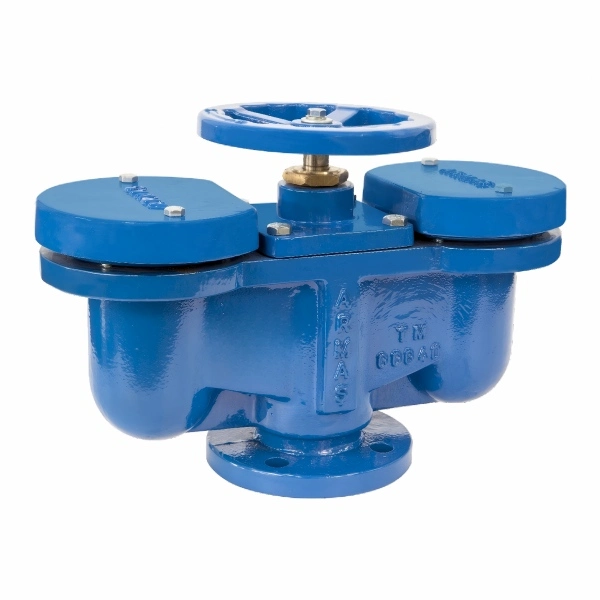
Understanding Industrial Air Sealing Valves: Core Concepts and Working Principles
Before selecting any gas isolation valve, you need to understand what sets it apart from a standard shutoff or pneumatic control valve.
What Is an Industrial Air Sealing Valve?
An industrial air sealing valve is a device for precision control of the isolation of gas media, such as coal gas, natural gas, inert gases, etc., in a pressurised system. Unlike common ball and gate valves, these valves are designed expressly to provide zero leakage at high differential pressure. They are prevalent in metallurgical facilities, chemical processing lines, and industrial heating systems where gas containment is a safety-critical issue.
How It Works: Key Components and Mechanisms
Most high-performance gas sealing valves employ double-sided metal sealing technology. This sealing element is pressed firmly against a precision-machined seat and will not allow gas to pass even when pressure differentials may be substantial. The valve opens or closes in less than 5 seconds using fast-acting pneumatic or electric actuators, which makes these valves perfect for automated process control.
Main Types: Rotary, Diaphragm, and Piston Designs
Rotary valves are good for high-cycle applications when the atmosphere is harsh or dusty. Diaphragm valves also have good resistance to chemicals. They are used in clean gas lines. Blast furnace gas systems commonly use piston-type valves, which provide a tight shutdown at high pressures. The corrosion resistance and service life depend on the material used, whether it’s stainless steel, cast iron, or ceramic-lined composites.
Key Criteria for Selecting the Right Industrial Air Sealing Valve
Picking the wrong valve costs money and puts people in real danger. Here's how to make sure the standard is correct.
Match Pressure and Temperature Parameters First
The industrial air sealing valve you choose should have a safety margin that lets it work in all of its possible ranges. From –40°C to 600°C and pressures ranging from 0.1 MPa to 4.0 MPa, Heyuanxin's gas sealing valves can work. It is important to make sure that both the highest temperature and pressure in the process stay within the valve's rated limits, not just the means for a steady state.
Material Selection: Corrosion Resistance and Longevity
The materials should be compatible with the gas medium. Stainless steel (304/316L) is not damaged by most corrosive industrial gases. Above 500°C, the seal will break down . Standard elastomers are replaced with metal to metal seals or graphoil packing . Brass parts may be utilised in low pressure mild temperature circumstances, but should not be used in coal gas lines in steel mills.
Performance Metrics That Directly Affect Operating Costs
Your long term cost will depend on how quickly and how much it leaks. A valve that is leak-free, tested to API 598 or ANSI/FCI 70-2 Class VI, prevents gas losses that may pile up fast after a few months of usage. “The opening and closing cycle in 5 seconds keeps things well under control and minimises waste.” In high cycle settings, slower valves tend to wear out quicker, and require replaced more frequently.
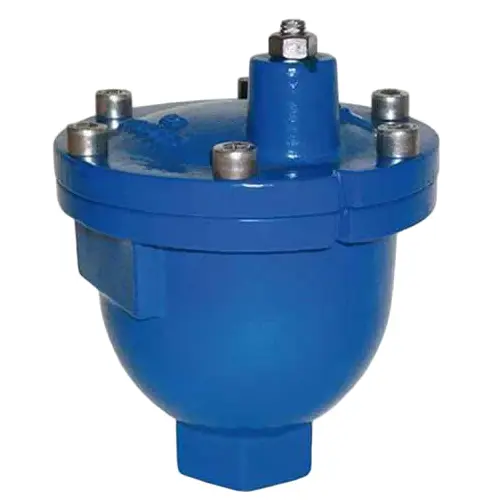
Comparing Industrial Air Sealing Valves: Market Options and Brand Insights
Gas separation valves have a big market. Knowing the differences can help you make a confident choice about what to buy.
How Specialized Sealing Valves Compare to Standard Alternatives
Normal ball valves and butterfly valves aren't made to keep gasses from leaking in high-temperature metallic systems. A specially designed air closing valve meets the requirements of ANSI/FCI 70-2 Class VI for bubble-tight performance. A regular valve, on the other hand, might let air leak, which is unsafe and affects the security of the system pressure. This difference has a direct effect on regulatory compliance for uses using coal gas or blast furnace gas.
Leading Brands and Their Strengths
Gas sealing valves, including industrial air sealing valve products, are made by a number of well-known companies around the world. Swagelok is known for making high-precision fittings and instrumentation lines that stay strong under high pressure. Parker has a wide range of valves for both hydraulic and pneumatic systems. A lot of different types of control valves for process industries are made by Emerson's Fisher brand. Honeywell's main focus is on integrating automated controls. For metalworking uses like electric arc furnaces, ladle furnaces, and mining heating systems, Shanxi Heyuan has valves that are designed to work in these tough conditions and are backed by over 20 years of experience in the field.
Total Cost of Ownership and After-Sales Support
The price of the item you want to buy is only one part of the equation. Total cost of ownership is based on things like warranty coverage, availability of spare parts, wait times, and help with starting. When something goes wrong with a valve in a steel mill, it costs a lot more than just the valve itself. That risk is greatly reduced if you choose a supplier that offers on-site technical support and written maintenance programs.
Practical Guide to Procuring Industrial Air Sealing Valves
It takes a certain amount of work to find the right supplier once you know what you need.
Verifying Certifications and Quality Assurance
Suppliers of industrial air closing valves that you can trust should have ISO quality management system certification and any other necessary work safety certifications. There are more than ten utility model patents and ISO quality, environmental management, and workplace health management certifications that Heyuan has. For places with dangerous gasses, check to see if ATEX or similar certifications are needed to meet the safety standards in your area.
Custom vs. Standard Valve Selection
Standard valves can be used for most tasks and have nominal diameters from DN50 to DN1000. Custom planning may be needed, though, for certain types of gasses, non-standard pressure profiles, or unique fitting shapes. Heyuanxin has 11 senior technical experts and 400 skilled workers who can set up valves based on the type of gas, the range of pressures, and the temperature requirements you give them. Custom solutions usually have longer lead times, but they keep you from having to make expensive changes in the field later on.
Bulk Procurement and Long-Term Partnership Benefits
For EPC companies and big steel mills that need to buy a lot of different sizes of valves, placing all of their orders with one source, including industrial air sealing valve products, makes logistics easier and negotiation costs lower. When you sign a long-term supply agreement, you often get better after-sales service response times, priority production scheduling, and consistent quality batches. All of these things are important when your plant is running all the time.
Troubleshooting and Maintenance Tips to Maximize Valve Lifespan
A well-maintained gas sealing valve can serve reliably for years. Poor maintenance shortens that life considerably.
Identifying Common Valve Problems Early
The most frequent issues in gas isolation valves are leakage past the seat, actuator sticking, and visible seal wear. Leakage often signals worn sealing surfaces or a calibration issue with the actuator. Sticking is commonly caused by debris accumulation or thermal expansion exceeding design clearances. Regular visual inspections and pressure-drop monitoring catch these problems before they cause unplanned shutdowns.
Routine Maintenance Best Practices
Here are the maintenance steps that keep gas sealing valves performing at specification:
- Monthly inspection (abrasive or high-cycle environments): Check rotor tip clearances, actuator response time, and seal surface condition. Clean debris from the valve body and verify that actuation completes within 5 seconds.
- Quarterly lubrication: Apply approved lubricants to shaft bearings and actuator linkages. Dry or contaminated bearings accelerate wear and reduce actuation speed.
- Annual seal replacement (clean gas, low-cycle applications): Replace elastomeric seals on schedule rather than waiting for visible failure. Proactive replacement is significantly cheaper than an emergency shutdown.
These steps directly reduce unplanned downtime and extend service intervals between major overhauls.
Repair vs. Replacement: Making the Right Call
If leakage persists after seal replacement and actuator calibration, the seating surface itself may be damaged. Resurface or replace the seat before condemning the entire valve body. However, when a valve body shows cracking, heavy corrosion, or repeated failures within a short cycle, full replacement is the more cost-effective path. Document failure history to support that decision with data.
Conclusion
When choosing the suitable gas isolation valve or industrial air sealing valve for a metallurgical or industrial heating system, it is crucial to pay careful attention to the pressure levels, temperature constraints, compatibility with gas media, material selection, and support from the provider. These are all important factors to take into account.
FAQ
How do I verify valve compatibility with my existing system?
Confirm the nominal diameter, flange standard (ANSI, DIN, or GB), working pressure, and gas media type against the valve's published specifications. Share your system P&ID and process data sheet with your supplier. Heyuanxin's technical team reviews these documents and recommends the correct valve configuration before order confirmation.
What is the expected service life of a high-quality gas sealing valve?
In clean gas, low-cycle applications, a properly maintained sealing valve typically operates reliably for 8–15 years. In abrasive or high-cycle metallurgical environments, plan for more frequent seal inspections—monthly in some cases—to maintain performance. Predictive maintenance using vibration analysis and pressure-drop monitoring extends service life.
Can valves be customized for non-standard gas types or pressures?
Yes. Shaanxi Heyuan configures industrial air sealing valves per specific gas type, pressure range (0.1–4.0 MPa), and temperature profile (–40°C to 600°C). Custom rotor clearances, high-temperature seal materials, and ceramic-lined bodies are available for demanding applications.
Is ATEX certification available for hazardous gas zones?
For installations requiring explosion isolation or dust zone compliance, confirm ATEX or equivalent certification requirements with your supplier before procurement. Shaanxi Heyuan's technical team provides guidance on applicable standards for your specific installation zone.
Partner With Shaanxi Heyuan for Your Industrial Air Sealing Valve Needs
Shaanxi Heyuan has been designing and making gas closing valves for mining and metallurgy operations since 2008. They have more than 20 years of experience in the field and their production is ISO-certified. Our team of industrial air closing valve suppliers sets up each valve so that it works perfectly for you. Get in touch with us right away for a technical consultation or a quote on buying in bulk. To get specifications, you can email our engineering team at sxhyyj606@163.com or go to hyyjfurnace-supply.com.
References
1. Zappe, R. W. Valve Selection Handbook. Gulf Professional Publishing, 2004.
2. American Petroleum Institute. API Standard 598: Valve Inspection and Testing. API Publishing Services, 2016.
3. International Society of Automation. ANSI/ISA-75.01.01: Flow Equations for Sizing Control Valves. ISA, 2012.
4. Smith, P., & Zappe, R. W. Valve Selection Handbook: Engineering Fundamentals for Selecting the Right Valve Design. Elsevier, 2004.
5. Instrument Society of America. ANSI/FCI 70-2: Control Valve Seat Leakage. Fluid Controls Institute, 2013.
6. Skousen, P. L. Valve Handbook. McGraw-Hill Education, 2011.


YOU MAY LIKE