
How Does an Electron Beam Melting Furnace Work?
October 19, 2026
An electron beam melting furnace uses a focused, high-energy beam of electrons as a heat source to melt and refine metals inside a high-vacuum chamber. The electron gun emits electrons from a heated cathode, accelerates them through a high-voltage field, and deflects them magnetically onto the feedstock. This converts kinetic energy into intense thermal energy, generating temperatures between 2000°C and 2800°C. Because the energy source is independent of the feedstock, operators can hold metals in a liquid state as long as needed for purification, producing high-purity ingots with minimal contamination.
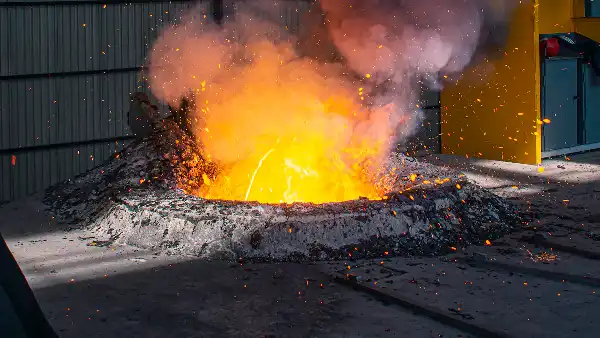
Understanding the Basics of an Electron Beam Melting Furnace
How the Electron Gun Works
The electron gun is the most important part of any electron beam melting furnace. A cathode that heats itself up sends out electrons, which are sped up by a high-voltage field and made into a precise beam. The beam is then bent and focused on the target material by electromagnetic coils. This energy source works separately from the feedstock, so operators can change the beam intensity without changing the melt rate. Vacuum arc remelting (VAR) can't offer the same level of control.
The Role of High-Vacuum Environment
A vacuum level of −1×10⁻³ Pa is used in all electron beam melting furnaces. Tin and tantalum, which are reactive metals, are completely safe from oxidation at this pressure. Volatile impurities, such as sulfur, lead, and bismuth, can also escape from the top of the melt because of the deep vacuum. This thermodynamic degassing process makes bars with much lower levels of oxygen and nitrogen than what can be achieved in air or induction furnaces. This is needed for materials used in flight and medicine.
Key Process Parameters
A vacuum electron beam furnace works based on three factors: beam power (30 kW–300 kW), operating temperature (2000°C–2800°C), and vacuum level (≤1×10⁻³ Pa). The amount of energy sent to the melt pool is controlled by beam power. The operating temperature decides which hard metals can be worked with. These metals include tungsten, molybdenum, and niobium. The amount of vacuum controls how well degassing works and keeps rusting from happening. A high-purity ingot can be told apart from a rejected one by how well these factors match the target material.
Advantages and Applications of Electron Beam Melting Furnaces
The separation of energy source from feedstock is what gives an electron beam melting furnace its most important processing advantage. Operators can sustain a liquid melt pool for extended periods, allowing gravitational separation of high-density inclusions (HDI) and dissolution of hard alpha defects — both of which are critical quality requirements in aerospace titanium production.
Here are the core advantages this technology delivers in industrial practice:
- Inclusion removal: The water-cooled copper hearth design in cold hearth melting mode allows tungsten carbide tool bits and ceramic particles to settle out before the metal flows into the casting mold, meeting GE and Rolls-Royce premium-quality titanium specifications.
- Extreme temperature capability: With localized energy densities reaching up to 100 kW/cm², the furnace processes tungsten (melting point 3422°C), tantalum, and other refractory metals that induction furnaces cannot handle.
- Zero crucible contamination: The melt contacts only water-cooled copper, eliminating ceramic refractory contamination entirely — a non-negotiable requirement for semiconductor and medical applications.
- Flexible feedstock acceptance: Sponge, chips, turnings, and compacted scrap all feed directly into the hearth, making titanium and superalloy recycling economically practical.
These advantages directly address the production problems that aerospace, electronics, and medical manufacturers face when targeting ≥99.99% purity output. Directional solidification capability adds a further benefit: controlled grain structure formation improves mechanical properties and fatigue life in finished components.
Aerospace Titanium Production
Ti-6Al-4V production for jet engine rotating components demands zero-defect tolerance. Electron beam cold hearth melting removes hard alpha defects and HDI inclusions that vacuum arc remelting misses. Major OEM qualification documents for engine disk and fan blade materials specifically require this process step.
High-Purity Refractory Metal Refining
Tantalum and niobium for capacitors and sputtering targets require 5N–6N purity. The high-vacuum atmosphere enables selective evaporation of sub-oxides and metallic impurities, producing ingots suitable for superconducting radio frequency (SRF) cavities used in particle accelerators.
Medical and Electronics Materials
Biocompatible implant alloys processed in a high-vacuum melting furnace retain precise elemental composition while eliminating harmful inclusions. Silicon purification via directional solidification also removes volatile phosphorus impurities, improving solar cell efficiency in photovoltaic manufacturing.
Comparing Electron Beam Melting with Other Remelting Technologies
A lot of the time, procurement teams want to know how an electron beam melting furnace stacks up against vacuum arc remelting (VAR) and selective laser melting (SLM). The differences are big and have a direct effect on the quality of the material and the cost of processing it.
When you use VAR, the electrode is the heat source that you use up. The power and melt rate are directly related. The gun in an electron beam burner doesn't depend on the material. This means that the user can stop adding material and keep the melt pool open so that it can be refined without wasting any more energy. This method can't get rid of HDI from titanium with VAR, but EBM cold hearth melting can.
A laser is used in SLM to join metal powder layer by layer in an atmosphere of harmless gas. It makes parts that are close to net shapes and have a high level of detail, but it works at low temperatures and can't handle large ingots or bulk refractory metals. An electron beam vacuum furnace can work at lab-level (60 kW) or production-level (300 kW+), and it makes wrought ingots that are measured in tons instead of small additive parts.
The electron beam furnace is still the main tool used by business-to-business buyers who make large amounts of military alloys, hard metals, or medical-grade titanium. SLM is aimed at a different group: small, complexly shaped parts with smaller quantities.
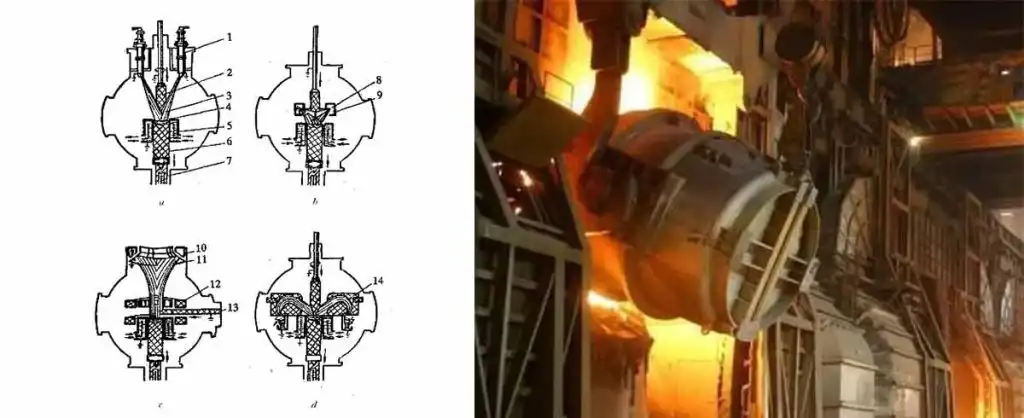
Procurement Insights: Selecting an Electron Beam Melting Furnace Supplier
Choosing the right electron beam melting furnace manufacturer has an impact on both the cost of the equipment and the reliability of production over its 10–20 year life. Buyers should look at four things: technical approval, feedstock freedom, help after the sale, and the level of customization.
Since 2008, Shaanxi Heyuan has been planning and making equipment for vacuum metallurgical furnaces. Over ten utility model patents are owned by the company. It is also certified by ISO for its quality management system, its environmental management system, and its occupational health management system. A technical team of more than 400 professionals, including 11 top experts, has helped install more than 400 heating systems around the world.
The Shaanxi Heyuan electron beam melting furnace can produce beams with 30 kW to 300 kW of power, temperatures between 2000°C and 2800°C, and a vacuum level of ≤1×10⁻³ Pa. Custom furnace design, research and development for the smelting process, on-site installation, training for operators, and long-term supply of core parts are all part of the service. For full technical details, go to hyyjfurnace-supply.com.
Conclusion
An electron beam melting furnace heats up metal in a deep-vacuum chamber by directing a high-energy electron beam that is controlled by magnets onto the metal. The chamber is kept at a vacuum level of ≤1×10⁻³ Pa. This process gets rid of any impurities in the melt and makes high-purity bars that can be used in medicine, aircraft, defense, and electronics. The separate energy source gives workers exact control over the residence time of the melt pool, which is something that no other remelting technology can do. Heyuanxin has approved, patent-backed systems with full lifecycle support for procurement teams that are looking at vacuum melting tools.
FAQ
What metals can an electron beam melting furnace process?
It works with molybdenum, tantalum, niobium, molybdenum alloys, nickel superalloys, precision alloys, and stainless steel. The vacuum environment is good for any metal that has a high melting point or a reactive surface chemistry.
Why does the vacuum environment matter so much?
Oxygen and nitrogen can't get to the top of the melt at ≤1×10⁻³ Pa. This stops oxide inclusions from forming and lets volatile impurities evaporate thermodynamically, which is not possible when the atmosphere is present.
What is the main maintenance challenge?
Ions hitting the cathode filament and water evaporation wear it down over time. Replacement cycles need to happen regularly. To keep electrical arcing from happening, gun optics and viewing ports that collect metal vapor condensation need to be cleaned on a regular basis.
Can this furnace process scrap material?
Yes. The chips, sponge, and turnings go straight into the cold fire. This saves a lot of money compared to VAR, which needs a solid electrode that is already compacted before processing can start.
How does Shaanxi Heyuan support buyers after installation?
Shaanxi Heyuan offers skilled installation, user training, help with process optimization, and long-term supply of key components.
Get a Custom Quote from Shaanxi Heyuan — Electron Beam Melting Furnace Supplier
Shaanxi Heyuan creates and builds electron beam melting furnaces that are exactly what you need for your production needs. Our systems can handle 30 kW to 300 kW of power, temperatures up to 2800°C, and vacuum levels of ≤1×10⁻³ Pa. Our team is ready to help you whether you need a full turnkey solution or just a little technical help. You can get your spec sheet right now by emailing sxhyyj606@163.com.
References
1. Zhu, J. et al. — Journal of Materials Processing Technology, 2019
2. Mitchell, A. — Vacuum, 2017
3. Bellot, J.P. et al. — Metallurgical and Materials Transactions B, 2020
4. Lütjering, G. & Williams, J.C. — Titanium, Springer, 2007
5. ASM International — Metals Handbook: Remelting and Refining, 2015
6. Kraft, E.H. — Summary of Emerging Titanium Cost Reduction Technologies, U.S. Department of Energy Report, 2004


YOU MAY LIKE