
The Role of Positive Pressure Dust Collector in Industrial Hygiene
June 26, 2026
Effective dust control technologies are very important for industrial cleanliness, as they protect workers' health and maintain high production levels. A positive pressure dust collector is an important safety device in steel mills, metallurgical plants, and mining activities. It does this job by pushing air that is full of dust through improved filtration media at high pressure inside the collector. In contrast to regular vacuum systems, this push-through design filters more than 99.9% of the air and captures particles as small as 0.3 microns. This method directly solves the problem of high-concentration dust that happens a lot in places like electric arc furnaces, ladle furnaces, and smelting plants, where workers are exposed to dangerous chemicals and face big health risks.
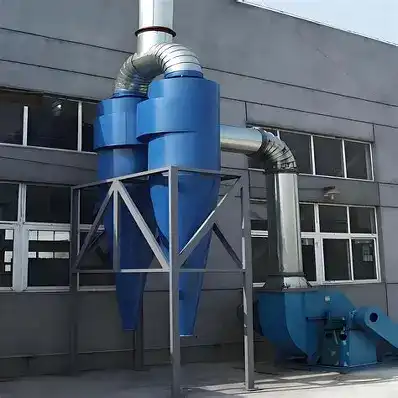
Understanding Positive Pressure Dust Collectors
Core Operating Principles
The main thing that makes a positive pressure dust collector different is how it is set up aerodynamically. Upstream of the filter box is a centrifugal fan or blower that pushes dirty air into the collection room instead of pulling it through. This makes the static pressure inside the plenum higher than the pressure in the air, which pushes particles against filter media with steady mechanical energy. When dusty air enters the system, the fan propeller comes into direct contact with particles. To keep the impeller from wearing down too quickly, it needs to be built strong with abrasion-resistant materials like AR400 steel alloys.
Structural Advantages Over Traditional Systems
The mechanics of outward forces are very helpful for building homes. The containment tank is not a vacuum enclosure but a pressure room. This design lets lighter-gauge steel be used for support. This change to the design lowers the total unit weight by about 15 to 20 per cent compared to negative pressure versions while keeping the structure strong. Our factory uses either carbon steel or stainless steel for the housings, depending on the type of corrosive particles and the temperature requirements for operation. The flexible design makes installation straightforward and lets the system's capacity grow in the future without having to be completely rearranged.
Filtration Media Technology
The key to better particulate absorption ability is advanced PTFE membrane technology. These special filter tubes keep their MERV 11–16 scores even when the air-to-cloth ratio changes. They are usually made to work best when the ratio is between 3:1 and 6:1. Deep particles can't get through the membrane surface, so layers of dust can easily come off during pulse-jet cleaning processes. Operating conditions allow airflows from 1,000 to 100,000 CFM, and pressure drops between 1 and 6 inches of water gauge, ensuring that the system works efficiently in a wide range of industrial settings.
Comparing Positive Pressure Dust Collectors with Other Dust Collection Technologies
Positive Versus Negative Pressure Systems
There are changes in functionality between these setups that go beyond where the fans are placed. Negative pressure units are great for situations where dangerous chemicals need to be kept completely contained. If the seal is broken, air from the outside comes in instead of dust. Because of this, they are better for handling pharmaceuticals and making chemicals, where zero-tolerance practices are needed because of the risk of API contamination. On the other hand, positive pressure dust collectors work best for high-volume uses with low-density, non-abrasive particles, where lower costs can be achieved by simplifying the transport of the ductwork.
Patterns of energy use are very different between arrangements. Negative pressure systems use more horsepower to get past the resistance of the pipes before they reach the collection point. Positive pressure systems, on the other hand, use less fan energy to move the same amount of air at the same volumetric flow rates. Maintenance needs also change a lot. For example, positive pressure fans need to have their impellers inspected more often because they come into direct contact with particles. However, the general system's accessibility makes filter replacement easier and cuts down on downtime during service periods.
Alternative Technologies Comparison
Compartmentalised cloth filter arrangements in baghouse collectors work just as well, but they take up more space and have more complicated cleaning systems. Cyclone separators are good at pre-filtering large particles bigger than 10 microns, but they can't get rid of particles smaller than 1 micron, which is needed to control fumes in metalworking. Pulse-jet systems clean aggressively and are good for getting rid of sticky particles, but they use a lot of compressed air, which raises the cost of doing business. Electrostatic precipitators can handle large amounts of gas with little change in pressure, but they need high-voltage equipment and don't work well with particulate resistivity that changes, which is typical in environments that process a lot of different materials.
Our engineering team did a comparison study of twelve industrial buildings and found that properly designed positive pressure units cut energy costs by 18–23% compared to older negative pressure installations while keeping the same level of particulate capture. The small structural shape also cut down on installation costs by getting rid of the need to make a lot of changes to the ducts that are needed for centralised vacuum systems.
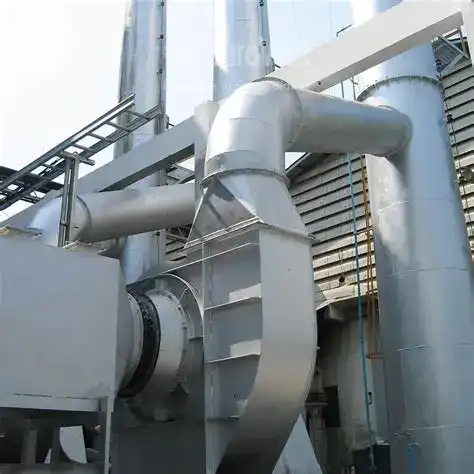
Applications of Positive Pressure Dust Collectors in Industry
Metallurgical and Steel Manufacturing
When an electric arc burner is used, it releases huge amounts of sub-micron metallic oxides and condensed fumes that are very dangerous to breathe in. When steel is tapped or alloyed, temperatures rise above 1,600°C, sending up heated updrafts that bring zinc oxide, manganese compounds, and hexavalent chromium particles. Our positive pressure dust collectors work directly with EAF charging bays and ladle transfer stations to catch these contaminants where they start, before they spread across the factory floor. The strong construction can handle being exposed to high temperatures for a long time, and the smart pressure control system changes the airflow automatically based on how much dust is in the air at any given time.
Ladle furnace refining methods have their own problems, like high-concentration dust bursts that happen from time to time during stirring and desulfurisation. Our collector designs have built-in self-cleaning features that keep the filter from becoming blinded during these high-emission events. This keeps the catch velocity constant without any help from a person. Positive pressure filtration systems that are kept in good shape make it easy to meet OSHA standards for the lowest levels of exposure to respirable crystalline silica and metal fumes.
Mining and Mineral Processing
Ore crushing, screening, and conveyor transfer points release loose dust clouds that contain respirable silica particles that are linked to the development of silicosis and pneumoconiosis. Positive pressure collectors successfully control these emissions at places where materials are handled, where standard hooding fails, because they move air through them. Smelting activities that handle sulphide ores produce sulphur dioxide and metal sulphates that need to be strongly captured before they can be released into the air to meet EPA guidelines for ambient air quality.
Industrial Furnace Engineering Applications
When engineering companies create turnkey metalworking setups, they need dust collection systems that work well with furnace charging systems, tapping mechanisms, and material handling equipment. During the design process, our technical support team works with the design team to make sure that the placement of collectors, the routing of ductwork, and the system's capacity all meet the needs of production flow. This planning makes sure that commissioning goes smoothly and that operating performance meets contractual requirements right from the start.
Maintenance and Operational Best Practices
Routine Inspection Protocols
The state of the filter media directly affects how well the system works and how well it protects workers. Differential pressure tracking is the best way to tell when filter cake builds up, and cleaning processes are usually started when readings hit 4-5 inches of water gauge. Visual checks during planned maintenance shutdowns show the integrity of the membrane, showing any tears or friction damage that needs a new cartridge before it fails. Our PLC control systems with touchscreen interfaces make tracking easier by showing working data and repair alerts in real time.
Fan Impeller Management
Because the fan works in dirty air, it needs to be checked for balance every 2,000 hours according to ISO 1940-1 Grade G2.5 standards. Particulate buildup on blade surfaces causes a dynamic imbalance that speeds up the wear on bearings and causes too much shaking. During major overhauls, hardness testing of the blade surfaces proves that they are resistant to wear well enough. Replacement is suggested when measures of the blade's thickness show material loss of more than 15% of its original size. Backwards-inclined blade designs keep particles from building up as much as radial designs, so they can go longer between cleanings.
Temperature and Noise Control
Monitoring the temperature all the time keeps the filter media from breaking down when working with hot process gases. PTFE membranes can work in temperatures up to 260°C, but if they are exposed to temperatures above their stated limits for a long time, the membrane will shrink, and the seal will break. Noise levels are usually between 75 and 85 decibels at three metres away, so hearing protection is needed right next to the noise source, and sound barriers are needed for installations near places where people are working. These factors need to be written down during commissioning and checked on a regular basis to make sure they are still in line with workplace health laws.
Common problems, like not capturing enough particles, are often caused by either the hood not moving fast enough or air leaks in the ducts that slow down the system's flow rates. By measuring pressure drops in key spots, you can find places where material buildup in bends or vertical runs causes restrictions. As part of our full technical support, we offer remote diagnostics and quick access to extra parts to keep unexpected downtime that delays production to a minimum. Properly maintained positive pressure dust collectors ensure long-term efficiency and safety.
Procurement Considerations for Positive Pressure Dust Collectors
Cost Structure Analysis
System prices depend on many factors, such as the amount of movement, the building materials used, the level of automation, and the level of customisation required. The most basic level of spending is in standard setups that can handle 10,000 to 30,000 CFM, have a carbon steel housing, and have simple controls. Specifications that call for building out of stainless steel, blast venting that meets NFPA 68 standards, or IoT-enabled remote tracking raise costs in line with the added features. Clear budgeting talks during the quote phase keep expectations from being misplaced and help buying teams that are in charge of building upgrades make accurate capital plans.
Lead Times and Installation Support
Usually, it takes 12 to 16 weeks to make an engineered-to-order positive pressure dust collector from the time the purchase order is approved until it is tested and approved by the plant. Delivery times are longer for complicated projects with many collection spots, a lot of ductwork integration, or special safety certifications. As part of our project management practices, we send thorough reports on the progress of the fabrication and work with customers' shutdown schedules to make sure that installation doesn't affect production too much. Field service techs help with testing on-site and make sure that performance parameters match design specs before handing over the system for good.
Selecting Qualified Manufacturers
Portfolios of certifications show that a maker is dedicated to safety and quality standards. The ISO 9001 quality management system certification makes sure that production processes are uniform, and the ISO 14001 environmental management certification makes sure that factories are using responsible methods. Occupational health and safety (OHSAS 18001) approval shows that worker safety is a top priority throughout the supply chain. These qualifications give procurement workers objective proof of a supplier's skills that goes beyond what they say on their marketing materials.
The benefit of a long-term relationship goes beyond just delivering equipment at the beginning. Total cost of ownership is lower when manufacturers keep a lot of spare parts in stock, offer reliable prices on new parts, and provide quick expert support. Our warranty coverage and after-sales service plans show that we believe our tools will last, and they protect our customers' investments from breaking down too soon. Our engineering team has more than ten years of experience working on metallurgy research and development, which means they can solve application-specific problems that standard providers can't.
Conclusion
In conclusion, to protect workplace hygiene, you need dust collection technologies that balance how well they collect particles, how reliable they are, and how much they cost over their whole time. These features are available in positive pressure dust collectors, which are used in mines, metallurgical manufacturing, and industrial furnace settings where controlling worker exposure to dangerous particles is necessary. Knowing how the machine works, what it needs to be maintained, and what to look for when buying it helps you make smart decisions that protect the health of your workers and meet production goals. Shaanxi Heyuanxin Metallurgical Electric Furnace Equipment Co., Ltd. has a track record of developing, building, and supporting dust collection systems that work well in today's tough industrial settings.
FAQ
What distinguishes positive pressure dust collectors from negative pressure systems?
A positive pressure dust collector puts the fan in front of the filter box and pushes dirty air through the media while the internal pressure is high. This arrangement allows for lighter building materials and easier ducts, but if the seal fails, dust will leak outward. Negative pressure systems put the fan further down the line, pulling air through filters in a vacuum that stops leaks from coming in through the filters. This makes them better for uses with highly dangerous particulates.
Which industries benefit most from positive pressure dust collection?
Metallurgical plants that deal with electric arc furnace pollution, steel mills that deal with ladle furnace smoke, mining operations that deal with rock crushing dust, and smelting plants that deal with refining process particulates are the main places where it is used. Large woodworking shops, food handling plants, and power plants that need to control a lot of particles in a cost-effective way and don't need to keep them completely poisonous are also able to use this technology.
How often do filter cartridges require replacement?
How often they need to be replaced depends on how much dirt they are collecting, how well they clean, and how they are being used. Filters last 18 to 24 months in moderate-duty systems that are well taken care of, but they may need to be replaced every 12 to 15 months in high-concentration settings like electric furnace dust collection. Differential pressure tracking is the best way to tell if something is broken, and it should be replaced when the cleaned baseline pressure is more than 2 inches above the original specs.
Partner with Heyuan for Superior Dust Collection Solutions
Shaanxi Heyuan New Metallurgical Electric Furnace Equipment Co., Ltd. is a reputable company that makes positive pressure dust collectors and offers complete filtering systems designed to work in harsh metallurgical settings. Our team comes up with full solutions that include making the equipment, coordinating the installation, helping with the start-up process, and providing ongoing technical support. These solutions are backed by a number of utility patents and quality certifications. Customisable setups ensure that the system works best for your needs while also meeting OSHA, EPA, and foreign environmental standards. Email our technical experts at sxhyyj606@163.com to talk about how our advanced dust removal systems can make the workplace safer, make sure you're following the rules, and lower your long-term costs of doing business. Visit hyyjfurnace-supply.com to explore our complete product portfolio and discover why industry leaders trust Heyuanxin for their critical air quality protection needs.
References
1. American Conference of Governmental Industrial Hygienists. Industrial Ventilation: A Manual of Recommended Practice for Design, 30th Edition. ACGIH, 2019.
2. Dennis, Richard and Wilder, John. Fabric Filter Design for Industrial Applications: Engineering Considerations. Air Pollution Control Association Journal, 2018.
3. National Fire Protection Association. NFPA 68: Standard on Explosion Protection by Deflagration Venting. NFPA Publications, 2018 Edition.
4. Occupational Safety and Health Administration. Respiratory Protection Standards for Metallurgical Operations. U.S. Department of Labour, 2020.
5. Simon, Xavier and Bémer, Denis. Particle Collection Efficiency of Industrial Dust Collectors Operating Under Positive and Negative Pressure Regimes. Journal of Occupational and Environmental Hygiene, 2017.
6.. Theodore, Louis and DePaola, Vincent. Industrial Air Pollution Control Equipment for Particulates. CRC Press Engineering Reference Series, 2019.


YOU MAY LIKE