
Electric submerged arc furnace: proven performance in steel production
June 26, 2026
The electric submerged arc furnace is a revolutionary new technology that has changed the way ferroalloys are made and metallurgical processes are done. It offers unmatched energy efficiency, exact temperature management, and strong environmental performance. The carbon electrodes in this special smelting technology stay hidden deep inside the charge material during the whole smelting cycle, which makes it very different from regular electric arc furnaces. This arrangement makes a strong reducing atmosphere that is needed to make high-quality ferrosilicon, ferromanganese, and other important iron alloys that steel mills around the world use every day.
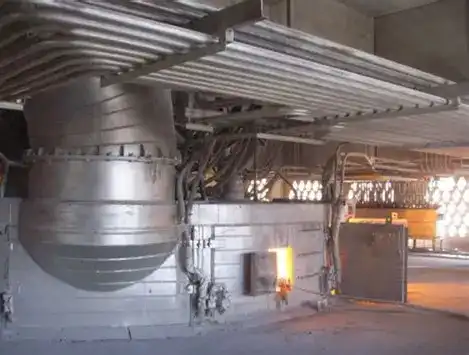

Understanding the Electric Submerged Arc Furnace Technology
Getting to know the technology behind the electric submerged arc furnace.
How does submerged arc smelting work?
The main idea behind how it works is that resistance heating and micro-arc production happen below the charge surface. When a lot of current flows through electrodes that are buried in the furnace load, the electrical resistance in the slag layer and the charge material around it creates a lot of heat. This internal heating system gets hotter than 2000°C, which is hot enough to turn high-melting-point refractory ores into useful ferroalloys. In open-arc systems, radiant heat escapes into the air. But in this case, the charge on top works as an insulating cover that traps thermal energy and sends it back down, preheating the materials that are going down and keeping the electrodes from oxidising.
Core Technical Specifications
Modern submerged arc furnaces from well-known brands like Heyuan work within very specific electrical settings. These systems usually work with lower voltages, between 100V and 800V, but they can handle very high currents of up to a few hundred thousand amperes. Our furnaces have capacities between 6,300 kVA and 72,000 kVA, so they can handle both small-scale activities and high-volume industrial production. The power factor stays at or above 0.92, which means that energy is converted efficiently and there is little reactive power loss. Advanced PLC control systems with SCADA interfaces let operators see in real time where the electrodes are placed, how hot they are, and how the power is distributed.
Electrode Systems and Cooling Architecture
Different tasks can be done with two different main electrode setups. Self-baking Söderberg electrodes keep forming while they're in use because the paste mixture falls and hardens when exposed to heat, which is good for campaigns that last a long time and save money. For places that care about meeting air quality standards, pre-baked electrodes are the best choice because they are more consistent and release fewer harmful chemicals into the environment. Both methods use hydraulic slipping mechanisms to keep the electrodes at the right depth. These mechanisms account for the rate of consumption while keeping the current density fixed, which is usually between 6 and 12 amps per square centimetre. Water-cooled shells and tops keep the structure strong by moving coolant through special channels that stop thermal damage. If you follow the right care steps, furnace campaigns can last longer than five years.
Comparing Electric Submerged Arc Furnace with Alternative Technologies
Putting the electric submerged arc furnace against other technologies.
Performance Against Blast Furnaces
During the 20th century, traditional blast furnaces were the main way that iron was made, but they have a lot of problems that make them less useful. In order to work, these systems need a steady supply of coking coal, release large amounts of carbon dioxide into the air, and require big investments in infrastructure. The submerged arc method doesn't need any coking at all, and it uses electricity from a variety of sources, such as green power lines. Comparing energy efficiency shows that current submerged arc systems turn about 75–80% of the electricity they use into useful heat. This is a lot more than blast furnaces, which only manage to reach about 50% thermal efficiency. This directly leads to lower running costs per ton of ferroalloy made, especially when working with complicated ores that contain more than one type of metal.
Advantages Over Standard Electric Arc Furnaces
Both technologies use electrical resistance heating, but normal electric arc furnaces keep the arcs above the charge surface, which means they lose a lot of radiated heat and have trouble with oxidation. This energy is captured by the submerged design, which can cut specific power usage by 15–25% based on the alloy makeup and raw material properties. Emission patterns are also very different. For example, submerged systems can work in either a closed or a semi-closed setup, which captures process gases like carbon monoxide for energy recovery. This turns a nuisance into a useful fuel source. When electrodes stay underground, they produce much less dust, which reduces contact at work and makes environmental compliance easier.
Operational Cost Analysis
Calculating the return on investment (ROI) requires taking into account many factors, such as the cost of energy, the cost of raw materials, the frequency of upkeep, and the premiums for better product quality. When our clients switch from older technologies to newer submerged arc systems, they always report payback times of three to five years. These clients have sites in a wide range of countries, from South Korea to Paraguay. Since energy use is the main cost of running a furnace, its electricity efficiency is the most important performance measure. When facilities achieve power factors above 0.90 by optimising busbar shape and capacitor compensation, they save more than a hundred thousand dollars a year on setups that use more than one megawatt.
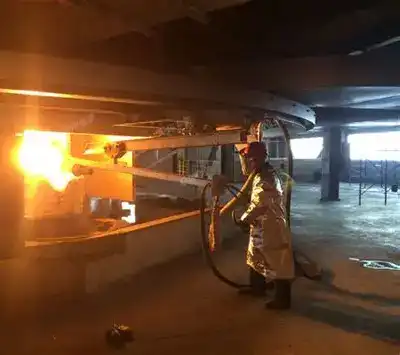
Procuring Electric Submerged Arc Furnaces: What B2B Buyers Need to Know
Buyers in business need to know these things before they buy electric submerged arc furnaces.
Evaluating Manufacturers and Suppliers
To find the best electric submerged arc furnace provider, you need to carefully look at their technical skills, service facilities, and track records. Since it was founded in March 2008, Shaanxi Heyuanxin Metallurgical Electric Furnace Equipment Co., Ltd. has been specialising in designing, building, installing, and starting up metallurgical furnaces for more than ten years. Our engineering team has more than ten utility model patents and computer software copyrights that are the same thing. This shows that they are always coming up with new ways to control furnaces and make structures. Buyers should check our credentials, which are kept up to date by thorough yearly audits. These credentials include ISO 9001 for quality management, ISO 14001 for environmental standards, and OHSAS 18001 for occupational health practices.
Customization Capabilities
Standard stock equipment doesn't always perfectly match the needs of a production. To make installations work, you need custom solutions that take into account things like the type of electricity available, the makeup of the raw materials, the requirements for the goal alloy, and the limits of the facility plan. Heyuanxin's engineering process starts with a thorough meeting to learn about your metallurgical goals, production volume goals, and practical tastes. We offer a range of configurations that include the option to choose between self-baking and pre-baked systems for the electrode type, furnace tilt mechanisms that allow hydraulic adjustment from 0 to 12 degrees for efficient tapping, and built-in dust collection systems that meet strict American environmental standards.
After-Sales Support and Spare Parts
The life of equipment rests a lot on how quickly technical help is provided and how easy it is to get replacement parts. When evaluating a seller, purchasing managers should look into the supplier's service networks, reaction time promises, and systems for keeping extra parts on hand. Our full after-sales service includes experienced techs setting up the equipment on-site, training classes for operators that cover regular maintenance and fixing, and technical support available 24 hours a day, 7 days a week. We keep strategic parts stocks of high-wear parts like electrode contact shoes, cooling system elements, and refractory materials. This way, when replacements are needed, there aren't too many breaks in production.
Enhancing ESAF Efficiency and Longevity: Best Practices
How to make the electric submerged arc furnace work better and last longer: best practices.
Advanced Process Control Methods
To get the most out of a heater, it needs complex tracking and adjustment systems that balance a lot of different factors. Electrode placement is the most sensitive control parameter. If the electrodes are pushed too deeply, they can damage the furnace bottom, and if they are pushed too lightly, they can cause surface arcing, which wastes a lot of energy. Modern control systems use formulas for constant resistance tracking that change the rate at which electrodes slip to keep the burden resistance at its best. By measuring temperatures at multiple places, temperature profiling lets workers find strange hot or cold spots before they get so bad that they stop production.
Preventive Maintenance Protocols
To make a campaign last longer than the average in its business, it needs strict upkeep plans that take care of important systems before they break. We suggest that you do monthly inspections that include checking the flow rates of cooling water, the pressures in all circuits, and using thermal imaging to find places in structural parts that are getting hot. To keep electrode drops from being too big, electrode slip cylinder hydraulic systems need to have their seals inspected and their fluids analysed every three months. Ultrasonic thickness gauges should be used to check the state of the refractory lining every six months. This will help with making strategic choices about relining that balance cost with remaining service life. When these preventative steps are taken, operational availability always goes above 95% in sites that are well managed.
Energy Optimisation Strategies
The most important operating goal is still to lower specific power usage without lowering product quality. Properly sizing the raw materials, controlling the wetness, and making sure that each batch has the same makeup all have a big effect on how well they work. Stable electrical resistance profiles are possible when these things are done. Choosing the right coke affects both the rate of reduction and the electrical conductivity. More expensive, higher-quality metallurgical coke with the right resistance ranges usually pays for itself by using less per ton of alloy. Advanced facilities use waste heat recovery systems to get back 10-15% of the energy that would normally be lost by collecting sensible heat from off-gases, preheating combustion air for secondary burners, or making steam for on-site services.
Future Trends and Innovations in Electric Submerged Arc Furnace Technology
Sustainability and cutting down on emissions in electric submerged arc furnace technology.
Sustainability and Emission Reduction
Environmental laws are getting stricter around the world, which is leading to new, better ways to melt metals. The next wave of furnace designs focuses on fully closed layouts that get rid of fugitive pollution and allow full off-gas collection. The trapped carbon monoxide-rich gas stream can be burned as fuel in preheating systems, used as chemical feedstock in synthetic processes, or even converted directly into synthesis gas for later use. This circular method turns usual problems with pollution into ways to make money, which is in line with companies' promises to be more environmentally friendly, which are becoming more and more important in purchasing decisions.
Digital Integration and Predictive Analytics
When metallurgical engineering and information technology come together, they give us practical details that have never been seen before. Sensor networks that are connected to the Internet of Things (IoT) send data about electrical factors, thermal profiles, mechanical movements, and process chemistry to centralised analytics platforms all the time. Machine learning algorithms find small changes in patterns that can predict when an electrode will break, a refractory will break down, or a load will channel before other signs become obvious. Heyuanxin's newest control systems have these predictive maintenance features built in. These allow condition-based actions that reduce unexpected downtime and make the best use of maintenance resources. With remote monitoring services, our technical experts can work together with site staff in real time to figure out complicated problems and fix them without having to wait for travel delays.
Modular Design Philosophy
Modern furnace design tends to use flexible building principles so that it can be easily expanded in size or technology in the future. Modular systems allow for small improvements over time, while massive structures need to be replaced completely when working needs change. Power supply transformers that are made with tap-changing features can handle 20–30% more capacity without having to make big changes to the electrical infrastructure. When compared to welded structures that need special construction, furnace shells with standard panel parts make repairs and partial rebuilds easier. This method looks to the future and protects capital investments from becoming obsolete due to new technology. It also supports phased expansion plans that are in line with the growth of market demand.
Conclusion
The electric submerged arc furnace is a tried-and-true method for making ferroalloys efficiently. It is very good at using energy efficiently, doesn't harm the environment, and can be used in a variety of ways. These systems work consistently in a wide range of situations, from making calcium carbide to melting ferrosilicon. They do this by using buried electrodes, resistance heating, and advanced process controls. For procurement to go well, suppliers need to be carefully evaluated, the ability to customise needs to be emphasised, and there needs to be a commitment to long-term relationships that support operational success. Modern submerged arc furnaces from experienced makers like Heyuanxin give steel producers and ferroalloy businesses a competitive edge as the metallurgical industry moves toward sustainability and digital integration.
FAQ
What distinguishes a submerged arc furnace from a standard electric arc furnace?
The differentiating feature is where the electrodes are placed and how they work. Submerged arc systems have electrodes that are always hidden below the top of the charge material. The electrodes generate heat mostly through electrical resistance in the slag and burden, not through visible arc radiation. This setup cuts heat loss by a huge amount, raises energy efficiency by 15 to 25 per cent, and creates the stable lowering atmosphere needed to make ferroalloys. Standard electric arc furnaces keep visible sparks above the metal bath. They work well for making steel but not as well for reduction smelting.
How often does furnace maintenance become necessary?
Every month, important systems like cooling circuits, hydraulic parts, and electrical links are inspected as part of a routine maintenance schedule. Major upkeep tasks, such as refractory patching, are usually done every three months, and full lining exams are done every six months. When used correctly, with good cooling and managed load chemistry, carbon-based refractory linings usually last between five and ten years before they need to be replaced completely. The rate of electrode usage changes depending on the type of alloy and the working strength, so it needs to be checked and adjusted on a regular basis.
Can submerged arc furnaces process variable raw material compositions?
Modern electric submerged arc furnace control systems can handle some variations in the raw materials by changing the placement of the electrodes and how the power is distributed. To run a successful business, you need to know how the properties of the raw materials affect the load resistance and decrease kinetics. Changes in the makeup that are big enough might mean that process parameters need to be changed, like the electrode width, the flux, or the power curve. Working with an experienced manufacturer will make sure that the system is set up correctly for your range of raw materials and that the quality of the product stays the same even when supply changes naturally.
Partner with Heyuan for Your Next Metallurgical Project
Upgrading your ferroalloy production capabilities demands a trusted electric submerged arc furnace manufacturer with proven expertise and comprehensive support. Shaanxi Heyuan New Metallurgical Electric Furnace Equipment Co., Ltd. delivers turnkey solutions spanning initial design consultation through commissioning and lifetime technical service. Our engineering team combines decade-plus experience with continuous innovation, holding multiple patents and maintaining ISO certifications that guarantee quality and reliability. Located at No. 01 Chenjiatai Village, Maquan Sub-district, Qindu District, Xianyang City, Shaanxi Province, China, we serve clients worldwide with customised furnace systems matching your specific production requirements and operational constraints. Contact us today at sxhyyj606@163.com to discuss your project objectives, request detailed technical specifications, or arrange a consultation with our metallurgical specialists. Visit hyyjfurnace-supply.com to explore our complete product range and discover why steel producers across four continents trust Heyuanxin for their critical smelting equipment investments.
References
1. Chen, W. (2019). Principles and Practices of Submerged Arc Furnace Operations in Ferroalloy Production. Metallurgical Industry Press.
2. Global Energy Association. (2021). Energy Efficiency Benchmarks for Electric Smelting Technologies. Industrial Energy Efficiency Report, Vol. 34.
3. Holappa, L. (2020). Advances in Electric Furnace Technology for Sustainable Metallurgy. Journal of Sustainable Metallurgy, 6(2), 156-178.
4. International Ferroalloy Institute. (2022). Technical Guidelines for Submerged Arc Furnace Design and Operation. Industry Standards Publication.
5. Smith, R., & Anderson, K. (2018). Comparative Analysis of Electric Furnace Technologies in Modern Steel Production. Metallurgical Engineering Quarterly, 45(3), 221-245.
6. Zhang, L. (2020). Optimisation Strategies for Submerged Arc Furnace Performance in Ferrosilicon Manufacturing. Chinese Journal of Process Engineering, 20(4), 688-697.


YOU MAY LIKE